REVIEW · HIROSHIMA
Hiroshima: Kimono, Koto, and Simple Tea Ceremony Experience
Book on GetYourGuide →Operated by Kazuko Mensing · Bookable on GetYourGuide
A cultural hour in a Hiroshima home. You’ll dress in a kimono and learn koto with an English-speaking host, all in a real home setting near the Atomic Bomb Dome.
I especially like how the session mixes hands-on skills with conversation, so it feels personal instead of scripted. I also like that it works for men and women, so you can choose the look that fits you.
The simple tea ceremony is short, clear, and meaningful, not just a performance you watch and forget. You also get time to try Japanese board games like igo or shougi, which turns cultural study into something you can actually do with your hands.
One possible consideration: it’s not ideal for wheelchair users, and you’ll need to manage stairs during the experience.
Key points to know before you go
- Kimono + koto in one 90-minute session, guided by an English-fluent instructor
- Tea ceremony explained with context, not just motions
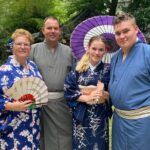
- Time to play igo or shougi, plus photo moments with katana or umbrella props
- Hosted in a traditional home with cultural masks and statues, so you see Japan as lived-in
- LGBTQ-friendly, with disability-friendliness that still requires stair access
- Easy location: about a 15-minute walk from the Atomic Bomb Dome
In This Review
- Hiroshima Kimono, Koto, and Tea: What This Experience Really Feels Like
- Getting There: Toukaichi Station, Familymart, and a Short Walk to the Dome
- Step 1: Kimono Dressing You Can Actually Enjoy
- Step 2: Koto Playing with a Host Who Studied for 40 Years
- Step 3: Simple Tea Ceremony and the Meaning Behind It
- Step 4: Igo or Shougi, Plus Katana/Umbrella Photo Moments
- Step 5: Relaxing in a Traditional Home with Masks and Statues
- Who Is Kazuko Mensing, and Why the Story Matters
- Price and Value: Is $76 Worth 90 Minutes of Kimono and Culture?
- Timing and Fit: When This Works Best in Your Hiroshima Day
- What to Bring, How to Prepare, and Simple Comfort Tips
- Should You Book This Hiroshima Cultural Class?
- FAQ
- How long is the Hiroshima kimono, koto, and tea experience?
- What activities are included?
- Where is the meeting point?
- What languages does the instructor speak?
- Is this experience private?
- Is it suitable for wheelchair users?
- Is the experience LGBTQ-friendly?
- How much does it cost?
Hiroshima Kimono, Koto, and Tea: What This Experience Really Feels Like
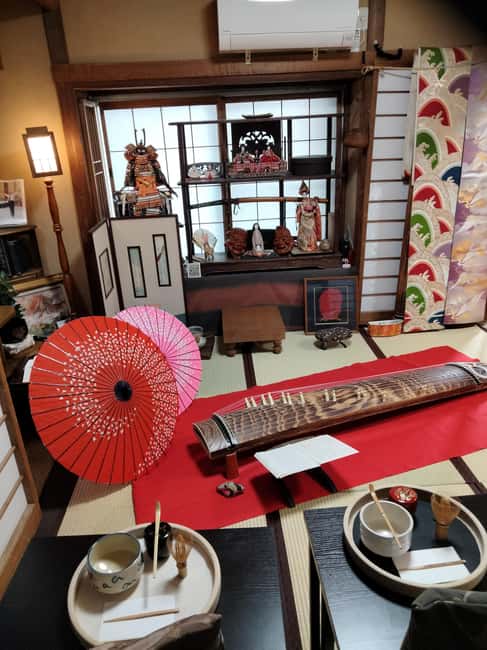
This isn’t a quick stop where you take a photo and move on. It’s more like being welcomed into someone’s daily world and learning a few Japanese arts the way you would if you had a local friend who studied them for decades.
The structure helps. You’ll start with kimono dressing, then switch into other activities that keep your hands busy and your brain engaged: koto, tea ceremony, and even traditional board games. And because the host is fluent in English and practiced teaching for years, you get explanations that land, even if you’ve never touched a koto or held a katana-shaped prop before.
The value question is also clear. At $76 per person for 90 minutes, you’re paying for more than a class. You’re paying for the materials, the time, and the human guidance in a setting that feels genuinely Japanese and not like a staged workshop line.
Getting There: Toukaichi Station, Familymart, and a Short Walk to the Dome
Location matters in Hiroshima, because you’ll probably already be thinking about your route around the Atomic Bomb Dome and memorial area. This experience starts just a short walk away from that zone.
Your meeting point is outside Familymart right by Toukaichi Station. Your guide will be wearing a short black kimono jacket, so you can spot her without playing guessing games.
You’re also close to big emotions, which is part of why this class works. You can spend time in the memorial area, then come to something calmer and more personal. It’s a shift in mood, not a distraction from what Hiroshima remembers.
You can also read our reviews of more tours and experiences in Hiroshima.
Step 1: Kimono Dressing You Can Actually Enjoy
The kimono part is often the trickiest activity on cultural tours, because it can turn into a rushed costume moment. Here, it’s treated like the start of the experience, not an add-on.
What I like for practical reasons:
You can choose a kimono look suited to you, and the dressing experience works for both men and women. That matters because it’s not a one-style-fits-all setup. You’re not stuck with whatever garment is left.
What you’ll get beyond clothing:
Once you’re dressed, the kimono becomes part of the experience rather than a backdrop. You’ll have time for photo moments later in the session, and the outfit helps the other activities feel more connected to Japanese culture and etiquette.
The best tip I can give: plan for comfortable shoes before you arrive, and be ready for the reality that kimono dressing changes how you move. You’ll want a calm pace, not a sprint, especially if you’re coming from sightseeing.
Step 2: Koto Playing with a Host Who Studied for 40 Years
The koto segment is a highlight because it gives you a real taste of Japanese music-making, not just a demonstration.
Here’s what makes it credible:
The host, Kazuko Mensing, has studied koto for 40 years and uses that experience to guide you. She’s also fluent in English, which is huge. You shouldn’t have to guess what you’re doing or worry that language will cut you off from the meaning.
What you’ll likely do:
You’ll get koto time during the 90 minutes, and the session is designed for participants, not only for watchers. Even if you’re brand new, you can still interact with the instrument and learn basic parts of the experience.
Why this part is worth it:
Koto is one of those traditions people recognize from photos and performances. But when you try it yourself, even briefly, it turns into something you understand with your body. That’s when culture becomes more than an image.
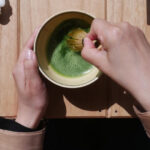
Step 3: Simple Tea Ceremony and the Meaning Behind It
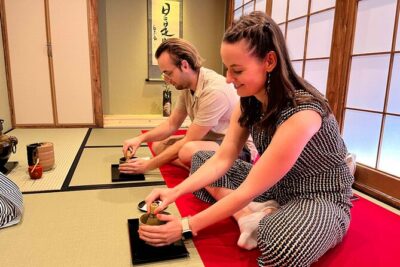
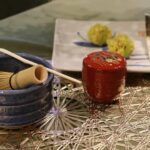
The tea ceremony is “simple” by design. That’s a good thing for first-timers. It keeps the experience approachable, and it gives you a chance to focus on what matters rather than getting overwhelmed.
What I appreciate is that the tea ceremony isn’t treated like a vague ritual. You’re taught about its significance, so you can connect the movements to the idea behind them: attention, respect, and a slower pace.
What you’ll do in practice:
You’ll participate in a tea ceremony as part of the session. Expect explanation and hands-on time, not a passive sit-through.
Practical advice for you:
Take a second to slow down your own pace when you’re seated. This is the kind of activity where rushing reduces the payoff. If you want to come away remembering one part clearly, this is often the one.
Step 4: Igo or Shougi, Plus Katana/Umbrella Photo Moments
The activity list includes a smart mix: music, tea, games, and photo props. That variety keeps the 90 minutes from turning into a single “wait and watch” style workshop.
Japanese board games:
You can try traditional Japanese games like igo or shougi. These are not just novelty activities. They show how Japanese culture values strategy, patience, and clear rules. And unlike a craft where you worry about doing it wrong, board games are naturally forgiving. You can learn by playing.
Photo props for the fun factor:
You can hold a Japanese katana or an umbrella for photos while wearing your kimono. This is one of those details that makes the memory stick. It’s not only about posing. It’s also about being part of the visual story of the experience.
A balanced note:
If you’re the type who hates staged “costume photos,” focus on the games and the instruction. The props are optional in spirit even if they’re offered. You can still treat it as practice and learning, not a photo shoot.
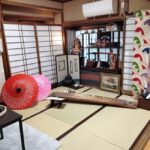
Step 5: Relaxing in a Traditional Home with Masks and Statues
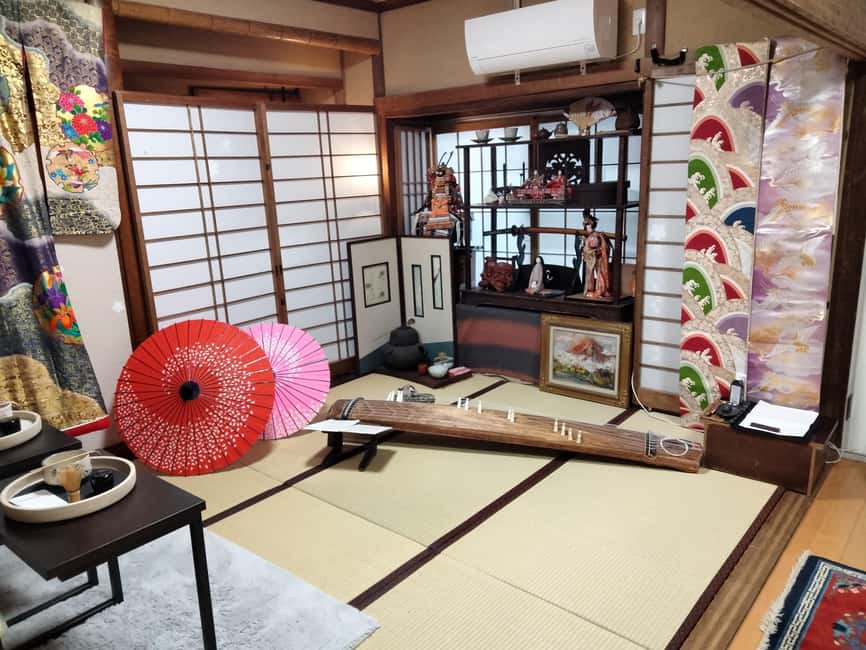
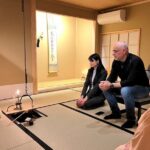
This takes place in a Japanese-style home, decorated with cultural masks and statues. That detail might sound minor, but it changes how the experience feels.
In a typical tour, you step into a room and it’s all about the activity. Here, you step into a home, and that makes the cultural elements feel like part of someone’s life. It also makes the conversation easier, because you’re surrounded by familiar cultural objects rather than a generic studio.
For you, this means:
You’ll likely feel more comfortable asking questions, and the host can connect the dots between what you’re learning (tea, koto, games) and what you see in the room.
One practical thought:
Because it’s a home setting, the pacing can feel natural and flexible. Keep your schedule calm around it. Don’t book this when you have to dash to the next train with two minutes to spare.
Who Is Kazuko Mensing, and Why the Story Matters
One of the most meaningful parts of this experience is the person leading it.
Kazuko Mensing is a second-generation bomb survivor from Hiroshima. She has lived in Hiroshima her whole life, studied koto for 40 years, and is fluent in English. That combination changes the tone. You’re not only learning arts. You’re learning through a lived perspective.
From a traveler’s standpoint, this matters because it adds context without turning the session into a lecture. It also helps explain why people often come away feeling like they’ve met a real person, not just followed instructions.
You should also know this is described as LGBTQ-friendly and disability-friendly, with one important limitation: you’ll need the ability to go up stairs. If that’s a concern for you, it’s worth planning your day carefully.
Price and Value: Is $76 Worth 90 Minutes of Kimono and Culture?
At $76 per person for 90 minutes, the price only makes sense if you think about what’s included and who’s doing the teaching.
You’re not paying just for instructions. You’re paying for:
- kimono dressing time and support
- koto playing during the session
- participation in a tea ceremony
- activities like igo or shougi
- photo time holding a katana or umbrella
- a full 90 minutes hosted in a traditional home setting
In other words, it’s a compact bundle of multiple cultural practices, guided by someone with serious experience. If you were to assemble separate paid experiences for kimono rental, a tea workshop, and instrument instruction, you’d likely end up spending more time and money. Here, it’s one stop, one host, and a focused session.
Who values this most?
- You want meaningful cultural context, not only sightseeing photos
- You like hands-on learning
- You prefer smaller, personal settings over crowded group tours
Timing and Fit: When This Works Best in Your Hiroshima Day
Because it’s about 90 minutes, it’s a good mid-day or afternoon choice after you’ve had time to walk around Hiroshima.
It’s especially good if:
- You’re visiting the Atomic Bomb Dome and want something calmer afterward
- You want a cultural program that feels different from temple and shrine sightseeing
- You’re traveling with someone who’d enjoy playful learning like board games and crafts
A small reality check: this is not a full museum-style tour of Hiroshima’s history. It’s a cultural workshop experience. If you want hours of guided history, pair it with a separate city or memorial tour. If you want a human-scale cultural moment, this fits well.
What to Bring, How to Prepare, and Simple Comfort Tips
You don’t need special gear for this. The key is comfort and readiness.
Before you go:
- Wear shoes that you can remove or adjust easily, since kimono dressing changes how you’ll stand and walk
- Plan for stairs. If stairs are a challenge, consider whether you can manage that day’s schedule
- Bring your curiosity. Questions are welcome, and the host speaks English and Japanese
During the session:
- Listen first, then act. For things like tea ceremony and koto, you’ll get more out of watching a beat before you try
- Relax into the board games. Even quick rounds teach you how the games feel
Should You Book This Hiroshima Cultural Class?
I’d book this if you want a real Japan experience in a real home, led by someone with deep experience in koto and a personal connection to Hiroshima. The kimono + koto + tea ceremony combination is a smart use of time, and the board games plus photo props keep it fun without turning it into a theme park.
Skip it if you:
- need wheelchair-friendly access and can’t handle stairs
- only want a fast, sightseeing-only activity
- prefer large-group tours with constant movement and minimal sitting
If you’re okay with stairs and you want hands-on culture close to the Dome, this is the kind of experience that gives you more than a souvenir. It gives you a story you can carry.
FAQ
How long is the Hiroshima kimono, koto, and tea experience?
It lasts 90 minutes.
What activities are included?
Kimono dressing, koto playing, a simple tea ceremony, holding a katana or holding an umbrella, and relaxation in a Japanese environment.
Where is the meeting point?
Outside of Familymart right by Toukaichi Station. Your guide will be wearing a short black kimono jacket.
What languages does the instructor speak?
The instructor speaks English and Japanese.
Is this experience private?
Yes, it’s described as a private group.
Is it suitable for wheelchair users?
It’s not suitable for wheelchair users, and participants need to be able to go up stairs.
Is the experience LGBTQ-friendly?
Yes, it is listed as LGBTQ-friendly.
How much does it cost?
It’s priced at $76 per person.