REVIEW · HIROSHIMA
Cultural Activities :Kimono, tea ceremony, Calligraphy and Amulet
Book on Viator →Operated by Okeiko Japan · Bookable on Viator
Two hours in a temple garden is plenty. I love the chance to wear a kimono while learning three real Japanese traditions, and I also like that teachers take photos and send them by email. The only drawback is the schedule is tight, so each activity stays at a taste-level rather than a long practice session.
This is a focused culture stop in Hiroshima’s Miyajima area, based at Tokuju-ji Temple. You’ll learn how to write your name in Japanese calligraphy, perform a tea ceremony (with matcha), and make your own amulet, all while using provided clothing like a traditional apron. Expect a calm, guided flow inside a centuries-old temple setting with gardens.
Before you go, I’d note one practical plus and one practical check: it’s capped at 10 travelers and runs about 2 hours, so you’ll get attention, but it also means there’s less time to wander on your own afterward. You’ll use a mobile ticket, and the meeting point is right at the Okeiko Japan Miyajima location.
In This Review
- Key things you’ll enjoy most
- Tokuju-ji Temple in Miyajima: the setting that makes it feel real
- Wearing a kimono for the full lesson: more than a costume
- Japanese calligraphy lesson: writing your name the right way
- Tea ceremony and matcha: learning the flow, not just watching
- Amulet-making: a small craft with a big meaning
- The real deal on timing: 2 hours, three lessons, and a small-group pace
- Getting the most value for $171.73 in Hiroshima
- Where it fits in your Miyajima plan
- Should you book this kimono, tea, calligraphy, amulet experience?
- FAQ
- How long is the experience?
- What activities are included?
- Where does the tour take place?
- Is there a minimum age or group limit?
- Do I need to bring a paper ticket?
- Are photos included and can I cancel for free?
Key things you’ll enjoy most
- Kimono + apron during every activity: You’re dressed for the culture, not just posed for a photo.
- Three traditions in one session: Calligraphy, tea ceremony, and amulet making fit into about two hours.
- Photo coverage sent to your inbox: Your instructors take photos during the lesson and email them to you.
- A real temple setting in Miyajima: Tokuju-ji Temple (founded about 300 years ago) sets the tone.
- Small-group feel: Maximum 10 people, good for questions and staying on track.
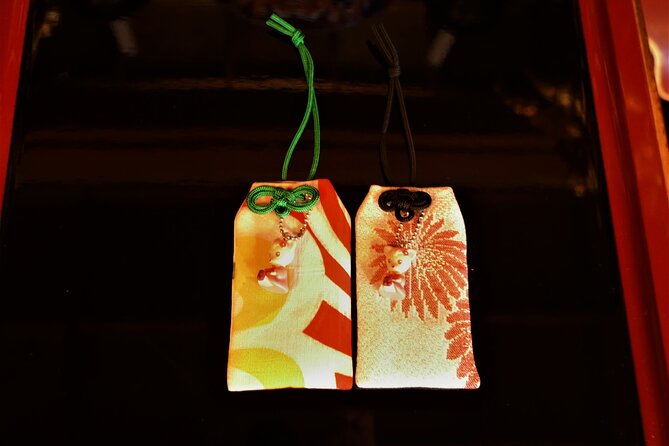
- A practical souvenir you can use: You’ll make an amulet you bring home.
Tokuju-ji Temple in Miyajima: the setting that makes it feel real
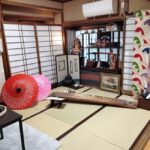
The experience starts in Miyajima, with your main lessons taking place at Tokuju-ji Temple, a place founded about 300 years ago. That age matters. A workshop in a modern classroom can feel like a class. In a temple with gardens, the whole rhythm slows down, and the traditions feel more connected to daily life and belief.
At Tokuju-ji, the main Buddha is called Kinseki jizo. It’s tied to protection for children and pregnancy, with an old story about an older couple who wished for a baby and prayed to Jizo. When they received a healthy boy, they built the temple. Even if you’re not deep into the details, you can feel why people come here to ask, reflect, and hope.
One neat nuance in Miyajima is how the temple world and Shinto world overlap in practice. In the Miyajima area, temples are closely associated with Itsukushima Shrine, so you may notice elements that feel more Shinto-like than what you’d expect from a pure Buddhist space. It’s a good reminder that religion in Japan is often lived as a mix, not a clean separation.
You can also read our reviews of more tours and experiences in Hiroshima.
Wearing a kimono for the full lesson: more than a costume
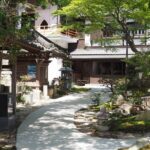
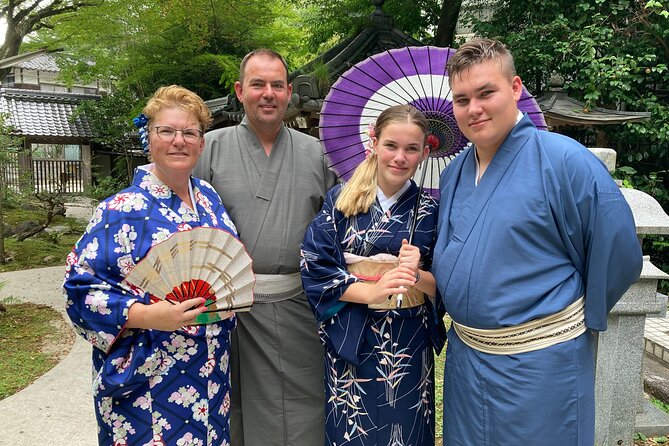
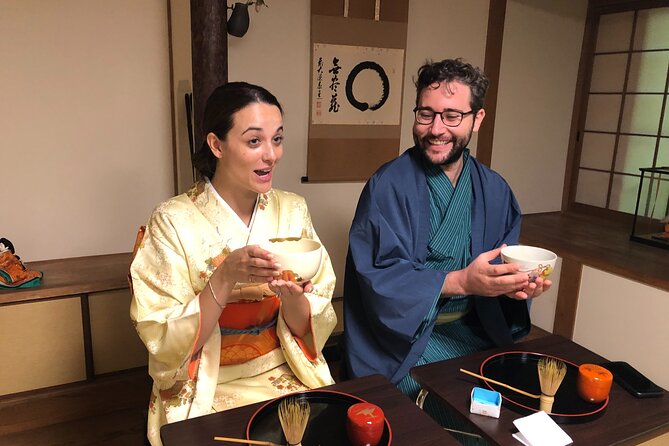
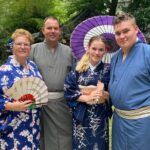
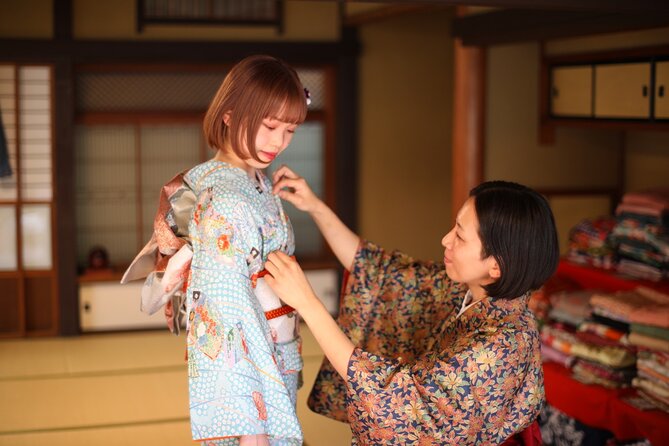
You don’t just put on a kimono once for the photos. You wear a provided kimono and a traditional apron throughout the activities. That means your body language changes a bit right away, and it helps you stay in the moment during all three parts of the lesson.
There’s also a photo element that’s genuinely helpful. Your teachers take photos during the lessons and send them to you via email. That’s a big quality-of-life thing. You don’t have to juggle your phone, wipe your hands on your sleeve, and hope you catch the right angle between calligraphy practice and tea ceremony steps.
Tip from a practical standpoint: show up with enough time to get settled. The program meets at the Okeiko Japan Miyajima address (741-1 Miyajimachō, Hatsukaichi, Hiroshima 739-0588), and if you’re early, you may have more room to breathe before class starts. When you’re in kimono, that little buffer matters.
Japanese calligraphy lesson: writing your name the right way
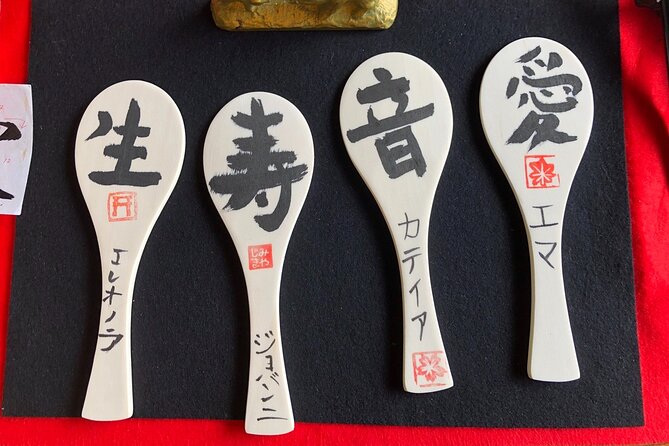
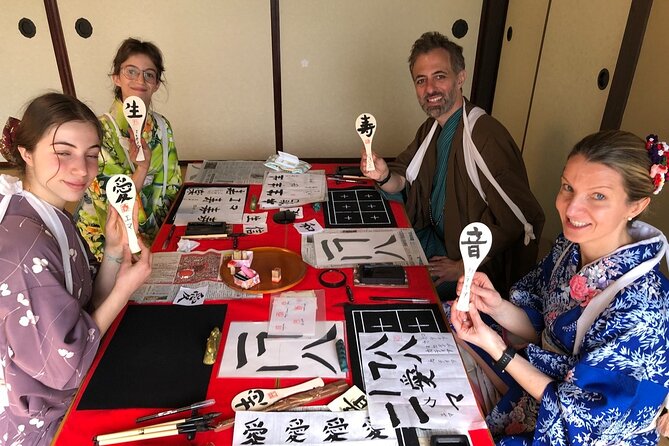
Calligraphy here focuses on one clear goal: you’ll learn how to write your name in Japanese. That’s smart for visitors because it’s personal. It turns the lesson from theory into something you can actually use as a memorable skill.
The calligraphy portion takes roughly half an hour. In that short window, the instructor’s job is to get you writing correctly without drowning you in technique. You’ll get direct guidance on how to form the strokes while wearing the kimono and apron, which adds an extra challenge in the best way: it slows you down and makes you concentrate.
This is the kind of activity that works well even if you think you’re not artistic. You’re not trying to create a masterpiece on command. You’re learning the basic moves that make the characters readable and consistent.
One thing I’d plan for mentally: because time is limited, you’ll likely focus on accuracy and learning the flow rather than endless repetition. If you love making things perfect, you might want to do an extra practice session on your own later with a reference sheet. The payoff is that you’ll leave knowing what to do next.
Tea ceremony and matcha: learning the flow, not just watching
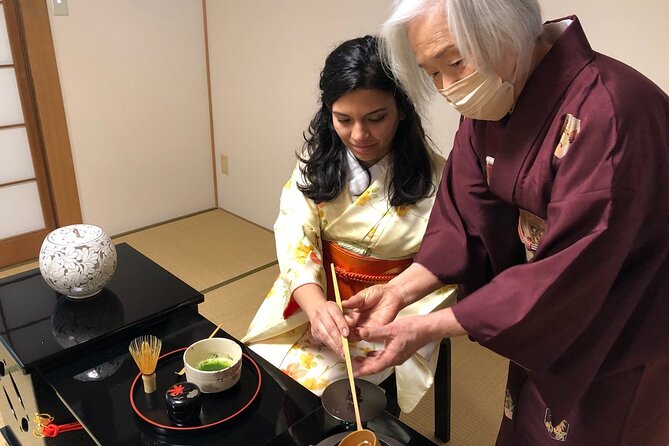
The tea ceremony section runs about half an hour as well, and it’s built around performing the ceremony (not only observing). One review-based detail you’ll care about is that you prepare matcha as part of the tea experience.
Tea ceremony instruction is often easier to understand when you’re doing it with the instructor beside you. You learn pacing, handling, and how to move through the steps without turning it into a performance for the camera. In this format, you’re guided through what goes into the ceremony and what it feels like to carry it out correctly.
Also, the temple setting helps. Tokuju-ji’s calm gardens and the quiet atmosphere make it easier to follow the ceremony with less distraction. Even if you’re hungry or racing to fit in sightseeing, the tea part asks you to slow down for a bit.
What I like about this approach is that it doesn’t pretend you’ll become a tea expert in one session. You come away with a working understanding and a real sense of what the ceremony involves. That’s a better souvenir than just a full stomach and a photo.
Amulet-making: a small craft with a big meaning
The third activity is amulet-making, also about half an hour. You’ll learn what goes into making an amulet, and you’ll leave with a tangible item from the lesson.
This matters because amulets in Japan are more than trinkets. They connect you to a wish, a protection, or a mindset. The workshop setting inside a temple reinforces that feeling. Instead of buying something off a shelf, you’re making it under guidance and understanding the process.
The value here isn’t just the craft itself. It’s that you’re taking part in a cultural action tied to belief and intention. For many people, that’s what turns a “nice activity” into a meaningful moment.
The real deal on timing: 2 hours, three lessons, and a small-group pace
The full experience runs about 2 hours total. You’ll spend roughly half an hour each on Japanese calligraphy, a tea ceremony, and amulet making. In a perfect world, you’d want more time for each one. In the real world, this format gives you a clean hit of multiple traditions without taking over your whole day.
This is also a small-group activity, with a maximum of 10 travelers. That limit helps the instructors keep things moving while still addressing questions. It also helps with comfort inside kimono, where everyone is adjusting to the same clothing and posture.
Your eligibility notes are straightforward:
- Minimum age is 6
- Children must be accompanied by an adult
- Most travelers can participate
One practical consideration: because the tour ends back at the meeting point, you’ll want to schedule it before you settle into the rest of your Miyajima day. You don’t want it to be the last thing and then realize you’re rushing for other stops.
Getting the most value for $171.73 in Hiroshima
At $171.73 per person, you’re paying for more than one class. You’re getting three guided cultural activities in a real temple setting, plus provided clothing (kimono and an apron), and photo coverage sent to you by email. There’s also an admission ticket included at the temple stop.
When I judge value on a day like this, I focus on how much you actually do. Here, you’re not only watching. You learn calligraphy tied to your own name, you participate in a tea ceremony with matcha preparation, and you make an amulet. That’s three active experiences, not one.
There’s one more value factor: the “saves time” element. If you tried to line up separate experiences across Miyajima, you’d spend extra time coordinating. This packs a lot into a short visit. If your time in Hiroshima is limited, that’s a real benefit.
One extra planning note: the experience is commonly booked well ahead of time (on average about 52 days in advance). If you’re traveling in a busy season, book early so you can match it to your best day.
Where it fits in your Miyajima plan
This works best when you want a cultural experience that’s structured and not too long. It’s ideal for people who want authenticity without a full-day commitment: the activities happen at a centuries-old temple, and you’re doing hands-on learning under guidance.
It also plays nicely with a broader Miyajima day because the end point is back at the meeting location. You can return, regroup, and then choose your next step without a confusing transfer situation.
If you’re traveling as a couple or with a sibling, the small group setup can feel personal without being awkward. And if you’re bringing kids, the minimum age rule (6+) plus adult accompaniment makes it easier to plan a family day with a shared activity.
Should you book this kimono, tea, calligraphy, amulet experience?
I’d book it if you want three things in one go: kimono-dressed cultural practice, a tea ceremony that includes matcha prep, and an amulet you made yourself. The temple setting adds weight, and the photo email detail is a real help for people who don’t want to manage cameras constantly.
Skip it (or set expectations) if you want long practice, lots of character repetition, or deep technique training. The time is limited by design, so you’ll leave with a strong introduction and a memorable souvenir, not a master-level skill set.
If you’re deciding, here’s the simple test: if you’d rather do more culture in less time, this is your move. If you’d rather slow down and specialize, plan a longer single activity elsewhere.
FAQ
How long is the experience?
It lasts about 2 hours.
What activities are included?
You’ll do Japanese calligraphy (writing your name), a tea ceremony (with matcha), and an amulet-making class. You’ll also wear a provided kimono and traditional apron during the lessons.
Where does the tour take place?
The lessons take place at Tokuju-ji Temple in Miyajima. The meeting point is Okeiko Japan Miyajima at 741-1 Miyajimachō, Hatsukaichi, Hiroshima 739-0588, Japan, and the activity ends back at the meeting point.
Is there a minimum age or group limit?
The minimum age is 6, and children must be accompanied by an adult. The maximum group size is 10 travelers.
Do I need to bring a paper ticket?
No. The experience uses a mobile ticket.
Are photos included and can I cancel for free?
Your teachers take photos during the lessons and send them to you via email. Free cancellation is available, and you can cancel up to 24 hours in advance for a full refund.