REVIEW · BEIJING
3-Hour Private Hutong Walking Tour with Drum Show at Drum Tower and Tea Tasting
Book on Viator →Operated by Beijing Tour Guide · Bookable on Viator
Drums, tea, and alley life in Beijing. This private 2-to-3-hour stroll trades big-bus sightseeing for real hutongs around Houhai Lake and Yandai Xie Street, then caps it with the Drum Tower performance and a Bell Tower tea tasting. I especially liked having a guide who could pace things to my interests and explain what I was seeing in plain terms, and I liked that the important bits are covered—entrance fees and the tea/drum stops are part of the plan. One thing to consider: you’ll climb stairs at the Drum Tower, so if you dislike heights or stairs, plan accordingly.
My guide on this type of tour (mine was May) didn’t just recite facts. She handled hotel pickup, talked through what the narrow streets and landmarks actually meant, and kept the walk moving without feeling rushed. Also, even if you’re traveling at a busy time, the operator can still line up a guide—my own booking was handled smoothly. The main drawback is timing: it runs about 2–3 hours, so if you want a longer wander with lots of free time for shopping or extra stops, you may feel slightly constrained.
If you’re picturing a calm, local-style afternoon with culture you can actually see and hear, this hutong + towers combo hits the right note. You get outdoor walking, then a performance you can feel in your chest, and finally a tea moment inside the Bell Tower setting. It’s a compact tour, but it’s built around the parts of Beijing that visitors often miss when they only do landmarks from the outside.
In This Review
- Key things I’d plan around
- Hutongs, Towers, and a Schedule That Actually Works
- Private Guide and Hotel Pickup: Comfort Without Losing the Street Feel
- Stop 1: Houhai (Back Lakes) Hutong Walk for Quick Orientation
- Stop 2: Yinding Bridge and the Silver Sycee Shape
- Stop 3: Yandai Xie Street (Tobacco Pouch Street) for Street Culture
- Stop 4: Drum Tower Drumming and Bell Tower Tea Tasting
- The staircase reality
- What you gain from this pairing
- Tea Tasting in a Bell Tower Setting: The Calm Part You’ll Notice
- Entrance Fees Included: A Better Deal Than Random Attractions
- Price and Value: Is $72 Worth It?
- Who This Hutong + Drum Tower + Tea Tour Fits Best
- Should You Book This Tour?
- FAQ
- How long is the tour?
- Is this tour private?
- Do you include hotel pickup?
- What’s included in the price?
- Where does the walking part take place?
- Do I see a drum show and have tea?
- Is free cancellation available?
Key things I’d plan around
- Private hutong walking with a guide focused on what you’re passing right now
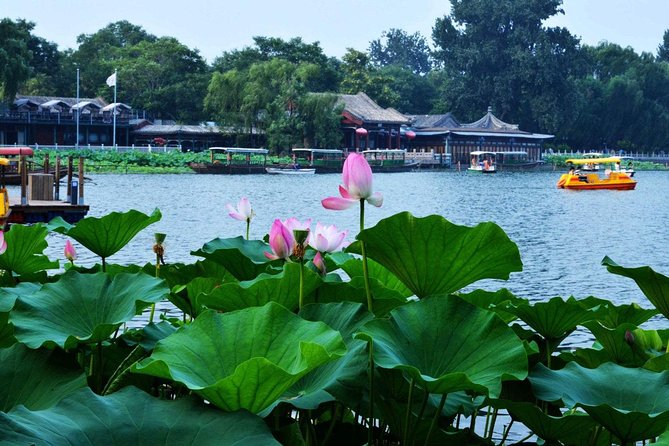
- Houhai Lake + Yinding Bridge for classic old-Beijing views with minimal hassle
- Yandai Xie Street stop for the street culture vibe, including arts and crafts themes
- Drum Tower climb + drumming performance so you hear Beijing’s timekeeping history in action
- Bell Tower tea tasting as a quieter counterpoint to the loud drumming
Hutongs, Towers, and a Schedule That Actually Works
This tour is built like a good Beijing day: start outdoors, follow the logic of the neighborhood, then move into the Drum and Bell Towers where history has a stage—and a room for tea.
You won’t be stuck in a museum. Most of the time you’ll be walking through narrow hutongs and small landmark points around Houhai (the Back Lakes area). Then you’ll shift gears to the Drum Tower, where the experience turns from “look at this” to “listen and feel it,” thanks to the drumming show. Finally, you end in the Bell Tower tea house area for a tasting that slows the pace down.
That pacing is the big value for your brain. You’re not trying to cram a whole city into a single afternoon. Instead, you get a small slice of Beijing you can understand: the layout of the old streets, the significance of the Drum/Bell Tower complex, and how tea fits into that slower, inner-city rhythm.
You can also read our reviews of more tours and experiences in Beijing.


Private Guide and Hotel Pickup: Comfort Without Losing the Street Feel
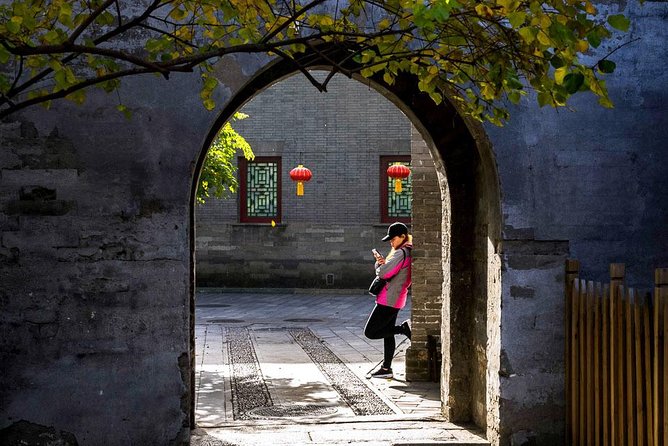
The tour is private, which matters more than most people expect. When you walk through hutongs, routes can be a little confusing, and small differences in pace make a huge difference. With a private guide, you’re not waiting for the slowest person or being pushed by the fastest one.
The tour also offers hotel pickup, which is a real time-saver in Beijing. You’re not trying to coordinate local transport while carrying water, dealing with crowds, or guessing where the best start point is. The experience includes the entrance fees you’ll need for the key parts, so you’re not constantly wondering what costs extra.
One practical caution: hotel drop-off isn’t listed as included. In my case, the guide helped us get back smoothly at the end, but don’t count on it as a standard feature. If being returned to your exact hotel door is important, ask ahead.
Stop 1: Houhai (Back Lakes) Hutong Walk for Quick Orientation
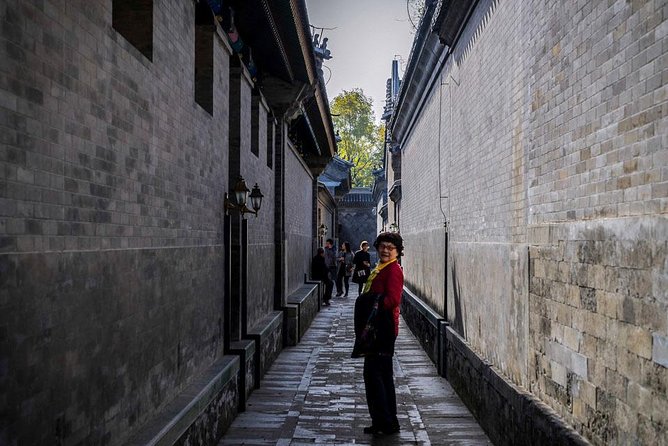
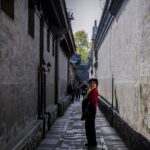
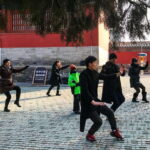
Your start point is Houhai Lake, often called the Back Lakes area. This is a smart first stop because you get oriented fast: you see the old-city alley pattern, get a feel for the neighborhoods around the water, and you build an easy mental map before you move deeper into the day.
The tour gives you about 40 minutes here. That’s enough time to actually walk, absorb the street scale, and hear explanations without it turning into a long lecture. If you’re there in the morning, you’ll usually notice the light and calmer streets. Afternoon tours can feel livelier, and it can be easier to blend in if you like people-watching while you walk.
What I liked about Houhai as a start is that it’s not just scenic. It’s a gateway into how Beijing’s old city works: water nearby, people living in close lanes, and landmarks that make sense once you understand where the streets lead.
Stop 2: Yinding Bridge and the Silver Sycee Shape
After Houhai, you move to Yinding Bridge. This stop is short—about 10 minutes—but it’s a good one because it gives you a landmark that’s easy to remember later.
The bridge’s name comes from its shape: it’s described as looking like a silver sycee. That detail gives the stop a story beyond photos. Your guide can point out why this shape matters culturally, and why bridges like this were more than just crossings.
Even though the stop is brief, I find it useful. It’s like a quick chapter break in a short book. You see one small but distinctive “old Beijing” element, then you carry that recognition forward as the walk continues into the street market area.
Stop 3: Yandai Xie Street (Tobacco Pouch Street) for Street Culture
Next comes Yandai Xie Street, a famous alley-like street area sometimes described as Tobacco Pouch Street. This is where the vibe shifts from quiet lanes to a more commercial, old-street atmosphere.
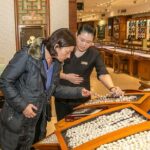
You get around 30 minutes here. That time is long enough to understand the street’s identity without turning into a shopping sprint. The street is known for commercial trade themes tied to tobacco pouches and for arts and crafts—calligraphy and paintings are mentioned, along with jade.
Here’s how I’d use this stop for maximum value: treat it as a “context stop.” Even if you don’t buy anything, you’ll better understand what people historically did in these lanes and why certain crafts show up in local street culture. It also breaks the walking rhythm before you climb for the Drum Tower.
The only consideration is your personal energy. If you don’t enjoy crowded streets or looking into shops, you might want your guide to keep you moving at a slightly faster pace through this section.
Stop 4: Drum Tower Drumming and Bell Tower Tea Tasting
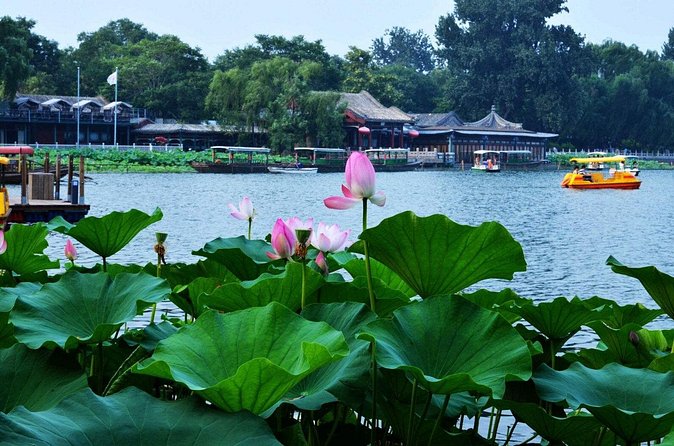
This is the part people remember.
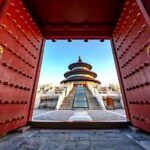
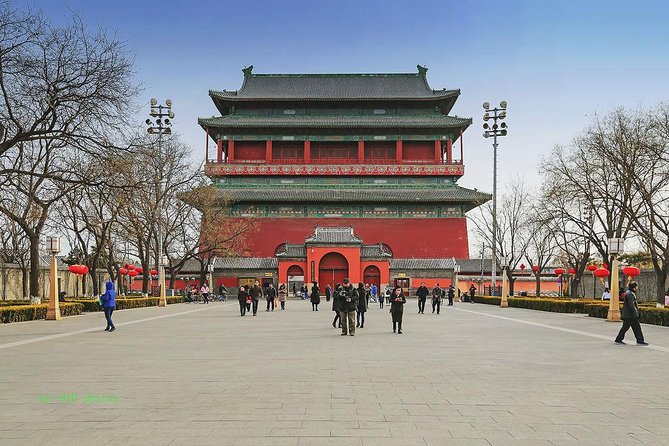
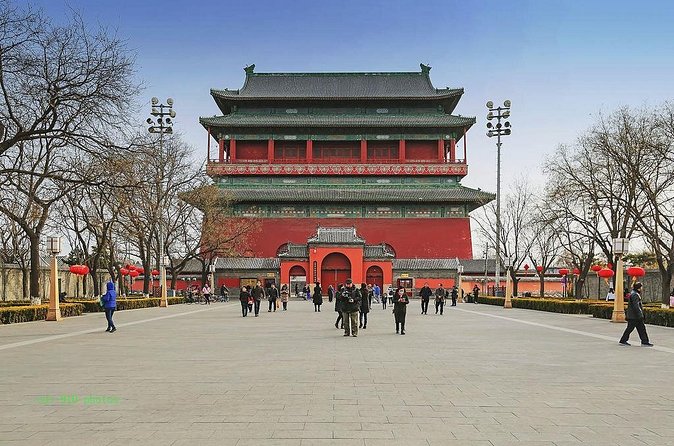
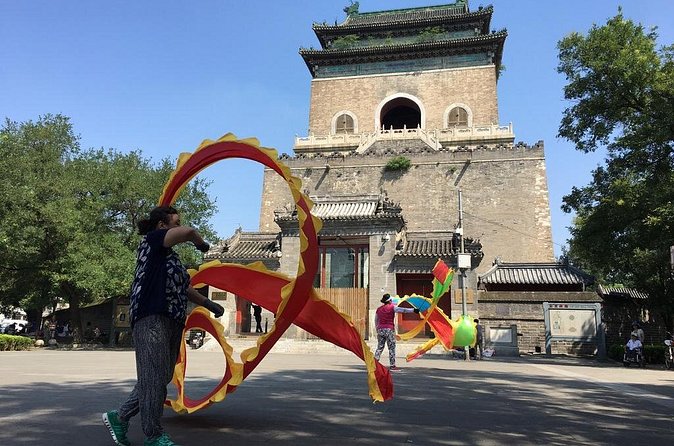
You climb to the top of the Drum Tower, where your guide gives history and context, and you watch a drumming performance. The show matters because it’s not a silent monument. It’s sound, timing, and movement—an experience that makes the Drum Tower feel like it had a job, not just a view.
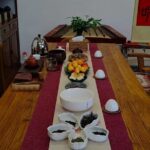
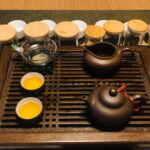
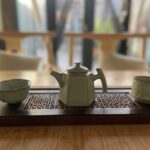
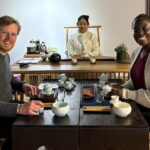
Then comes the quieter half: inside the Bell Tower, you visit a tea house for a tea ceremony experience and tea tasting. The contrast is smart. Drumming is energy and volume; tea is pause and attention. That shift makes the tour feel balanced instead of one-note.
The staircase reality
Plan for stairs at the Drum Tower. The tour explicitly includes climbing up for the show. If stairs are tough for you, the experience can still work, but you’ll want to think about comfort and pacing before you book.
What you gain from this pairing
Many short Beijing tours pick only one theme: either street life or towers. This one pairs them. Walking through hutongs teaches you the city’s scale and everyday geometry. Then the tower experience gives you the “public signal” history—the kind of structure that helped a city coordinate time and events. Tea finishes the loop by returning you to a calmer cultural ritual.
Tea Tasting in a Bell Tower Setting: The Calm Part You’ll Notice
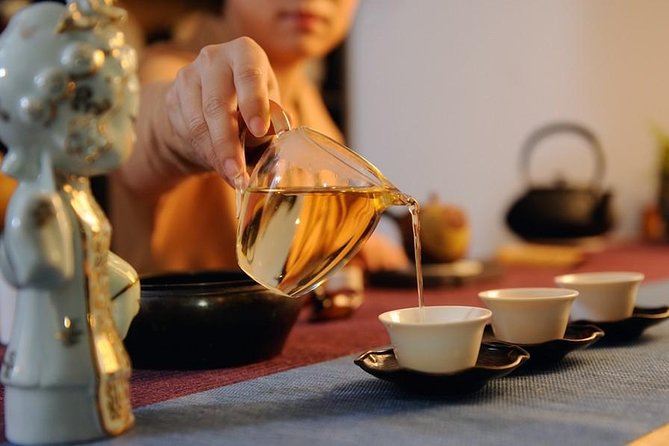
The tea tasting isn’t an add-on you rush through. It’s built into the schedule as part of the Bell Tower experience, inside a tea house setting. That placement changes how you feel about it. Instead of doing tea in a random restaurant, you’re doing it as a breather after the climb and the drumming.
The tour includes the tea tasting, so you’re not reaching the end of the walk and suddenly realizing you have extra costs to cover your final cultural moment. For most people, this is where the tour “lands.” You’ll have time to slow down, absorb what you just heard in the Drum Tower, and take the edge off the day’s noise.
One more practical detail: since tea is included, you can plan to skip a heavy snack right before the tea house stop. If you’re sensitive to timing with meals, I’d just eat lightly earlier in the day so tea doesn’t feel rushed.
Entrance Fees Included: A Better Deal Than Random Attractions
The tour includes entrance fees, which is one of those boring details that saves you money and stress. Here, it means you can expect that the key paid parts of the route—especially the tower experience and tea/drum elements—are handled.
Also, note that the earlier outdoor stops are described as having free admission. In plain terms: you’re not paying again and again just to walk from one point to another. You’re paying for the guide, the private pacing, and the special cultural stops that actually cost money to enter or attend.
Price and Value: Is $72 Worth It?
At $72 per person, the value depends on what you compare it to.
For DIY plans, you’d still spend time figuring out where to start, which streets to follow, and how to connect the hutong walk with the Drum/Bell Tower experience. You might also miss context, which is where guides pay off. Beijing’s hutongs aren’t just narrow streets; they’re a living pattern of city life. A guide helps you read that pattern without wasting half your day guessing.
For larger group tours, the difference is pacing and attention. Private tours cost more, but you get a guide who can adjust timing for your interests and keep the walking flow comfortable.
And with this tour, you’re getting a package of value: local guide, hotel pickup, tea tasting, drum show time, and entrance fees. If you’d otherwise pay separately for tickets and end up adding guide time on top, the math often works out better than planning it all alone.
Who This Hutong + Drum Tower + Tea Tour Fits Best
I’d put this tour high on the list if you want a mix of street-level Beijing and cultural highlights without a full-day commitment.
It’s especially good for:
- Couples who want a private walk and an experience with sound and ceremony
- First-time visitors who need orientation in hutongs and want landmarks tied together
- Anyone who likes guided explanations more than wandering with no context
- Families with kids who can handle a short walk and stair climb (children must be accompanied by an adult)
It might be less ideal if:
- You want a long, free-form neighborhood exploration with lots of downtime
- You can’t handle stairs well, since the Drum Tower climb is part of the tour
- You want a bigger stack of stops beyond Houhai, Yinding Bridge, Yandai Xie Street, and the tower/tea sequence
Should You Book This Tour?
If your ideal day includes hutongs, a Drum Tower drumming performance, and Bell Tower tea tasting, I’d say yes. It’s structured enough to be reliable, but not so packed that you feel dragged through Beijing. The private format and hotel pickup make it feel easier than most “walk and figure it out” plans.
Book it if you want cultural meaning, not just photos. You’ll appreciate the context at the bridge, the street, and especially during the tower sequence. If stairs are a concern, message the operator ahead and plan around that stop.
FAQ
How long is the tour?
The tour runs about 2 to 3 hours.
Is this tour private?
Yes. It’s a private tour/activity, and only your group participates.
Do you include hotel pickup?
Yes. Hotel pickup is included. Hotel drop-off is not listed as included.
What’s included in the price?
It includes a local guide, hotel pickup, entrance fees, and tea tasting.
Where does the walking part take place?
You’ll walk around Houhai Lake (Back Lakes) and along Yandai Xie Street, with a stop at Yinding Bridge.
Do I see a drum show and have tea?
Yes. You’ll enjoy a drumming performance at the Drum Tower and have tea tasting at the Bell Tower’s tea house.
Is free cancellation available?
Yes. You can cancel up to 24 hours in advance for a full refund.