REVIEW · BEIJING
Chinese Tea ceremony in Beijing Hutong courtyard
Book on GetYourGuide →Operated by Bayi Teahouse · Bookable on GetYourGuide
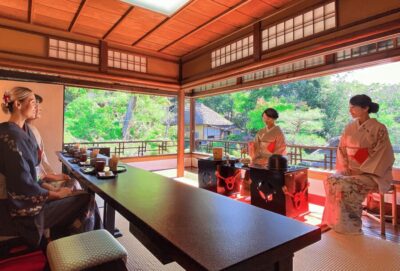
Tea in a Hutong courtyard feels like time travel. This one-hour Chinese tea ceremony sits near the east gate of the Forbidden City, where you choose your tea and learn how Beijing families actually drink it in a calm courtyard setting. Traditional tea culture comes through in details like brewing technique and the pace of the ritual.
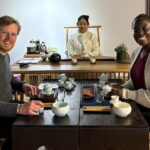
I love the small group setup (limited to 4), because it turns into an easy chat instead of a lecture. I also like that you pick from black tea, green tea, wulong/oolong tea, and Pu’Er tea, then enjoy one pot plus complimentary snacks while an English instructor explains what you’re tasting and why.
One possible drawback: besides the listed price, there’s also a 100 RMB per person charge, so do the quick math before you go.
In This Review
- Key highlights you’ll notice right away
- Beijing Hutong Tea Ceremony: Why This Is the Right Kind of Cultural Stop
- A Simple One-Hour Plan That Actually Feels Like an Experience
- Choosing Your Tea: Black, Green, Wulong, and Pu’Er
- The Hutong Courtyard Setting: What You’re Really Buying
- Small Group Conversation: English Guidance and Real Host Interaction
- Snacks, Brewing Skills, and How to Taste With Intention
- Price and Value: $31 Plus the 100 RMB Add-On
- Getting There and Timing It Right Near the Forbidden City
- Who Should Book This Hutong Tea Ceremony?
- Should You Book It? My Take
- FAQ
- Is the tea ceremony near the Forbidden City?
- How long does the tea ceremony last?
- What tea types can I choose from?
- Is food included?
- Is the event a small group?
- Is the instructor available in English?
- Do I need to pay extra during the experience?
- Is pickup included?
- Can I cancel for a refund?
- Is it wheelchair accessible?
Key highlights you’ll notice right away
- Tiny group (max 4) means more tea time in your cup and more questions answered
- One pot + snacks included, so you’re not just learning—you’re tasting
- Tea choices include Pu’Er, green, black, and oolong, with an explanation tied to the styles
- Hutong courtyard setting brings you close to everyday Beijing life
- English instructor and conversation help the culture land fast (and you can actually ask questions)
- Central location: about 150 meters from the Forbidden City’s east gate, with historic sights nearby
Beijing Hutong Tea Ceremony: Why This Is the Right Kind of Cultural Stop
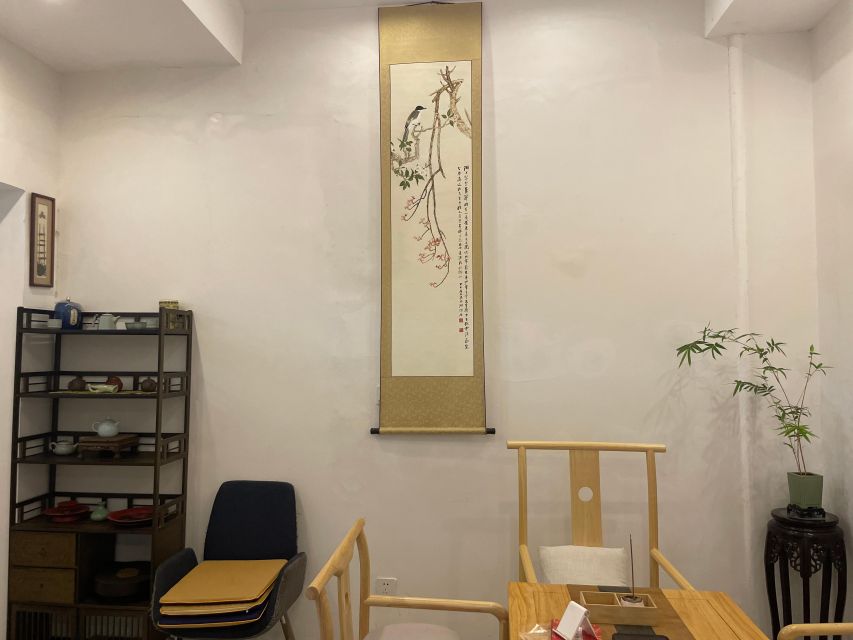
Beijing can feel like a rush of major sights, schedules, and crowds. This is different. You’re stepping into a Hutong courtyard experience, in the very center of Beijing, close enough to major landmarks that it still feels practical—yet quiet enough that tea becomes the main event.
What makes it especially appealing is the setting and the people. The ceremony is hosted in a courtyard environment connected to local life, not a generic storefront performance. You’ll also be guided by an English instructor and have the chance to talk with your hosts, including the kind of family stories that help the ritual make sense.
Another plus: you’re right by the Forbidden City area. The tea workshop is about 150 meters from the east gate, and it’s also described as around 800 meters west of the exit gate—so it’s the sort of activity that fits naturally into a day of old Beijing streets. In the surrounding area, you can also find historic spots like the Pudusi inheritance and the Imperial Ancestral Temple, which adds a “you’re in the right neighborhood” feeling.
You can also read our reviews of more tours and experiences in Beijing.
A Simple One-Hour Plan That Actually Feels Like an Experience
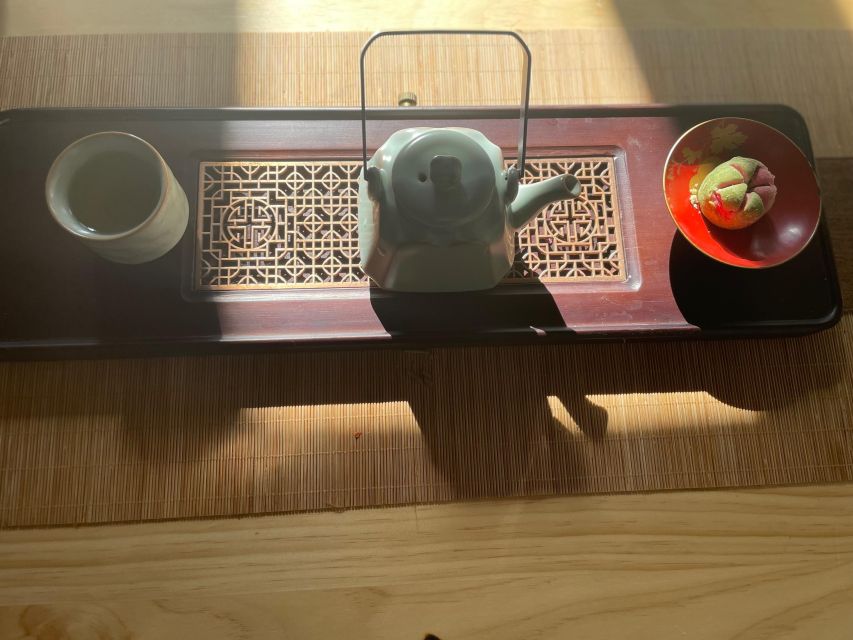
Don’t expect a long, exhausting day plan. This is built around one hour, which is exactly the length that works when you’re sightseeing elsewhere in Beijing.
In practice, the flow usually looks like this: you’re picked up from your hotel (wait in the lobby about 10 minutes before pickup), then you head to the Hutong courtyard workshop. Once you arrive, you’ll have time to settle in and choose among several tea types. From there, the instructor explains tea culture and how to properly brew and drink the tea.
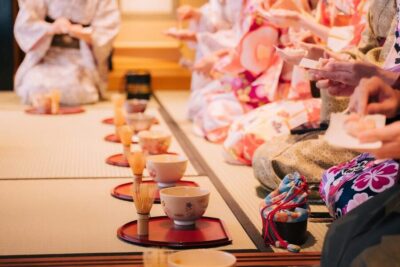
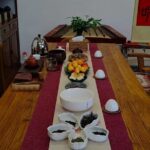
Then comes the key part: tasting. You’ll get one pot of Chinese tea, and the ceremony includes complimentary snacks to go along with it. Instead of racing through a checklist, this format gives you enough time to pay attention to smell, taste, and the changes you notice after each small brewing step.
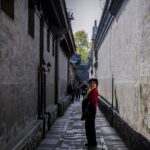
Also, you may get a short walk afterward through nearby Hutong lanes that sit close to the Forbidden City area. That kind of extra minute-or-two of street atmosphere helps the courtyard experience feel connected to the real city around it.
Choosing Your Tea: Black, Green, Wulong, and Pu’Er
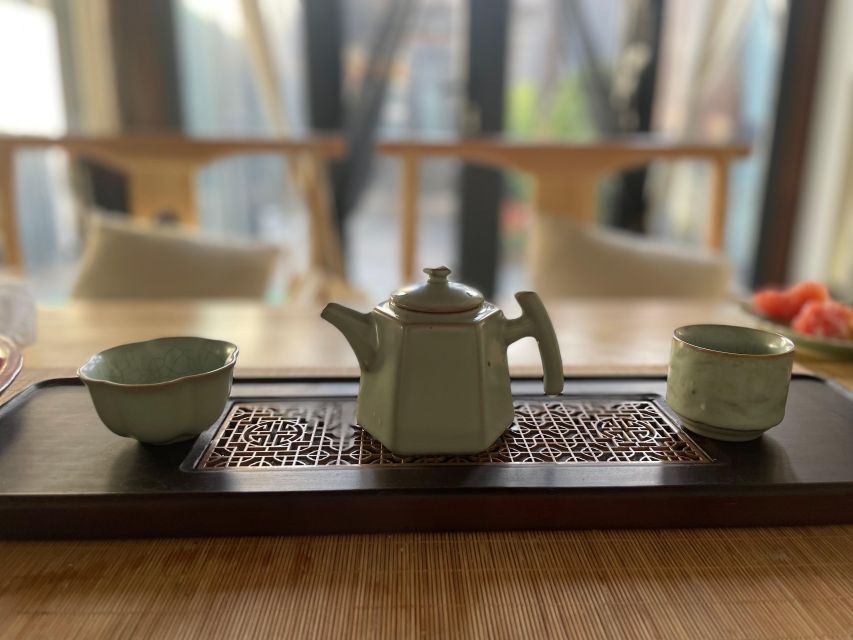
This ceremony isn’t locked to one tea. You can pick from black tea, green tea, wulong/oolong tea, and Pu’Er tea, and your experience is explained in a way that supports your choices.
Here’s why that matters to you: each tea style behaves differently. The smell, the way the flavors build, and the way you notice after-bits like sweetness or earthiness can change depending on the tea type. You’ll hear guidance on how tea rituals connect to season and to how tea is traditionally understood to affect the body.
One of the most useful takeaways from people who’ve done this is the brewing “you can’t wing it” lesson. The point isn’t fancy jargon. It’s practical technique: pouring and brewing for taste takes more care than just throwing in boiling water and waiting. By the end, you’ll walk away with a sense of what good brewing actually feels like in your cup.
If you’re the type who likes to compare flavors, you’ll probably enjoy doing a “same-cup, different-style” mental test: how each tea changes with preparation and how it lands in your palate.
The Hutong Courtyard Setting: What You’re Really Buying
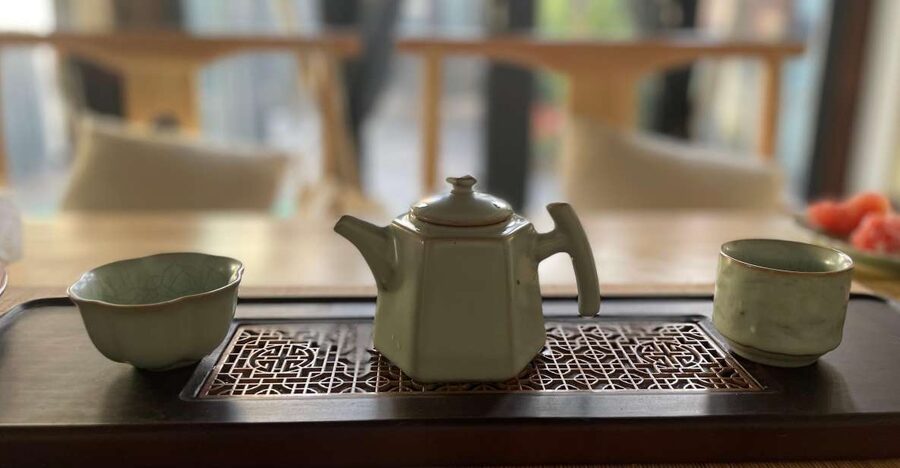
You’re paying for more than tea. You’re paying for place. Beijing Hutongs are old neighborhoods of narrow lanes and courtyard life, and the workshop uses that everyday setting to ground the ritual.
That’s the value for me. When tea happens in a real courtyard, it slows you down. You stop treating it like a souvenir activity and start experiencing it as a lived tradition—one that’s part of how people socialize, host, and spend time together.
You’ll likely feel this most during the conversation. The ceremony is described as offering a courtyard in Hutong experience and a deep interaction with the host, including the fact that the family has lived there for generations. Even when your attention drifts, the setting keeps pulling you back to the basics: the cup, the smell, the calm pace, the “how do you drink this?” questions.
It’s also a smart way to see central Beijing without spending your whole day in lines. The location being so close to the Forbidden City means you can pair this with major sights and still keep your energy intact.
Small Group Conversation: English Guidance and Real Host Interaction
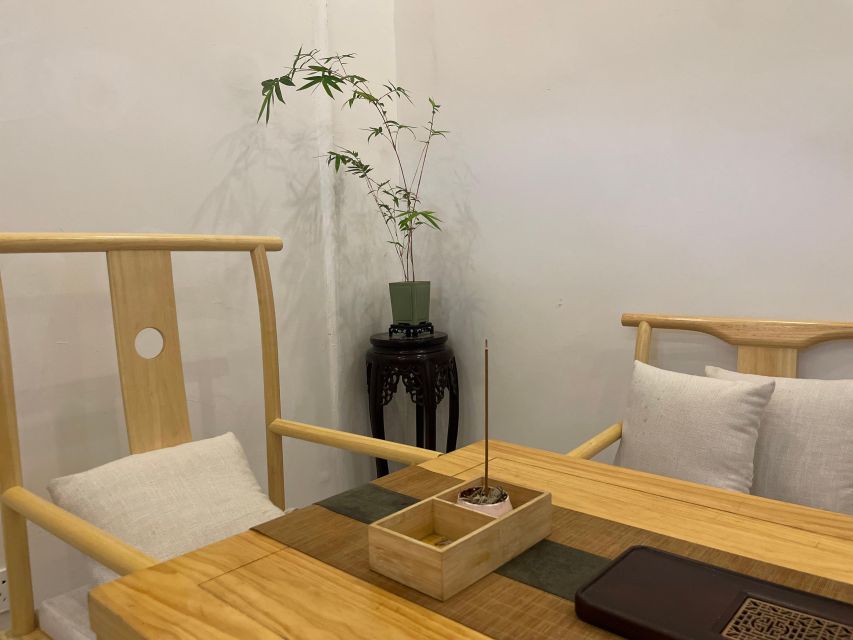
This is the standout part for many people. The group is limited to 4 participants, and that changes everything about the vibe.
With a small group, you’re more likely to get personal questions answered, not just group-level explanations. And because the instructor is English-speaking, you’re not forced to decode everything through a mix of gestures and app translation.
People also mention specific host interactions, including a host named Limeng. That matters because a warm, human exchange turns tea culture from “information” into something you can remember. You’re not just learning steps; you’re hearing how your host frames those steps in daily life—how they think about the ritual, how they serve tea, and how the courtyard itself fits into the local rhythm.
If you like learning through conversation, this kind of setup is a strong match. If you prefer silent activities, you might still enjoy it, but you’ll probably end up talking anyway. Tea has a way of making small talk feel oddly natural.
Snacks, Brewing Skills, and How to Taste With Intention
The experience includes complimentary snacks with your tea. That’s a practical detail, but it also affects your tasting. Tea and food work together: a snack helps you notice the tea’s flavor more clearly, and it keeps the whole hour from feeling like a dry lecture.
The best part is how the ceremony teaches tasting with intention. People often leave with brewing skills they can repeat at home—especially the idea that taste depends on method, not just time. You’ll get guidance on brewing properly and how to drink tea in line with Chinese ritual.
Some participants also mention learning how to hold the teacup with grace, and that sounds small, but it nudges you toward the full experience. When your hands move differently, you pay attention longer. When you pay attention longer, you learn more.
And yes, tea culture often includes the idea of health benefits tied to specific teas and how they’re brewed. The ceremony gives you the context behind that, which makes it easier to understand rather than just accept it as a claim.
Price and Value: $31 Plus the 100 RMB Add-On
Let’s do the honest math. The experience lists $31 per person, but it also notes a 100 RMB per person charge. That means your real total is closer to a combined fee than a single, simple price tag.
So is it still good value? For me, it can be—because what you’re getting isn’t just a tasting flight. You’re getting:
- A one-hour ceremony in a Hutong courtyard
- One pot of tea with your chosen style
- Complimentary snacks
- English instruction
- A small group (max 4) with meaningful host interaction
If you were paying for all those separately—some kind of guided tea session, a translation layer, and a setting that actually feels local—you’d probably end up spending more time and money piecing it together. Here, the time is compact, and the attention is personal.
My practical advice: before you book, calculate the likely total in RMB and USD so there are no surprises. If you’re traveling as a family, do that math per person, because the 100 RMB add-on can change the decision.
Getting There and Timing It Right Near the Forbidden City
This is one of those activities that works best when you already plan to be in the area. It’s about 150 meters from the east gate of the Forbidden City, and it’s also described as roughly 800 meters west of the exit gate, so you’re not guessing across the city.
Pickup is included, but you still need to respect timing. You’ll wait in your hotel lobby 10 minutes before the scheduled pickup time. Because the ceremony is only one hour, arriving late can shorten the experience more than you’d like.
If you want a smooth day, I’d pair this with something like an early sightseeing block near the Forbidden City, then use tea as a reset. Tea works well as a cooling-off activity after walking. The courtyard pace is calmer, and the conversation helps your brain switch from crowds to details.
Also, it’s listed as wheelchair accessible, which is a meaningful benefit if you need step-free access in a city where it’s not always easy.
Who Should Book This Hutong Tea Ceremony?
Book it if you want a practical cultural experience without suffering through a long tour day. This is ideal for:
- Tea lovers (obviously), especially if you want a real explanation tied to brewing
- People who want to see Beijing beyond big monuments
- Travelers who like small-group conversations
- Anyone who enjoys learning technique they can use at home (brewing, tasting, serving)
If you’re expecting a silent, museum-style experience, you might find it too social. But if you like warmth, exchange, and hands-on tasting, it’s a strong fit.
Should You Book It? My Take
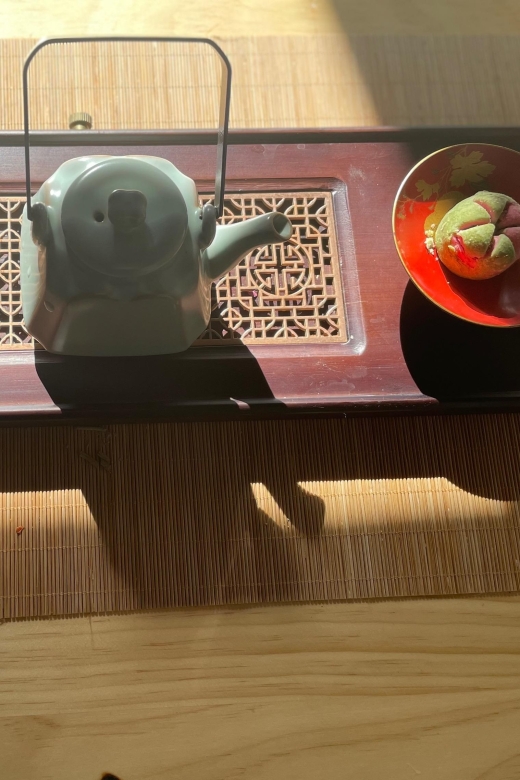
If you’re staying near the Forbidden City and you want one authentic, human-scale cultural moment, I think it’s a smart booking. The combination of Hutong courtyard setting, small group size, English guidance, and real host interaction makes the hour feel worth it.
Just don’t ignore the 100 RMB per person add-on. Do the math up front, and you’ll be able to enjoy the experience without annoyance. If tea is even a little bit your thing, this is the kind of Beijing activity you’ll remember long after the photos fade.
FAQ
Is the tea ceremony near the Forbidden City?
Yes. It’s about 150 meters from the east gate of the Forbidden City, and it’s also described as around 800 meters west of the exit gate.
How long does the tea ceremony last?
The duration is 1 hour.
What tea types can I choose from?
You can choose from black tea, green tea, wulong/oolong tea, and Pu’Er tea.
Is food included?
Yes. You get complimentary snacks along with the tea.
Is the event a small group?
Yes. It’s limited to 4 participants.
Is the instructor available in English?
Yes. The instructor is English-speaking.
Do I need to pay extra during the experience?
In addition to the listed price, there is a 100 RMB per person charge.
Is pickup included?
Yes. Pickup is included, and you should wait in your hotel lobby about 10 minutes before the scheduled pickup time.
Can I cancel for a refund?
Yes. Free cancellation is available up to 24 hours in advance for a full refund.
Is it wheelchair accessible?
Yes, it’s listed as wheelchair accessible.