REVIEW · NAIROBI
Excursion to Kiambethu Tea Farm
Book on Viator →Operated by Safari Port · Bookable on Viator
Tea tastes better when you see the leaf. This door-to-door day trip takes you to Kiambethu Farm, Kenya’s first tea plantation (set up in 1910), with guided time in the tea fields and a forest walk for monkeys and birds, plus a real meal at the end. I especially like the small group size (max 15) for a more personal pace, and I like that lunch is a proper 3-course buffet built around farm-fresh ingredients. The main thing to consider is that it’s a full day (about 9 hours), so you’ll want to be ready for early pickup and a long sit back in the car afterward.
I also appreciate the practical flow: hotel pickup and drop-off from Nairobi, a guide who explains tea-growing along the way, and the chance to see how people live during an extra stop focused on daily local routines. If you’re the type who wants maximum wildlife certainty, just know sightings like colobus monkeys are “keep an eye out” moments, not guaranteed trophies. Still, it’s a great way to trade city noise for tea-scented air and calm green views.
In This Review
- Key things to know before you go
- Nairobi pickup, then straight into tea country
- Tea fields and a forest walk, paced for a small group
- Colobus monkey and bird spotting: enjoy the chase, not the guarantee
- Lunch at Kiambethu: the 3-course buffet that actually fills you up
- The tea tasting: turning flavor into context
- A stop to see day-to-day local life
- Price and value: what your $140 actually covers
- Dress code and packing tips that actually help
- Who this Kiambethu tea excursion suits best
- Should you book Kiambethu Tea Farm?
- FAQ
- What time does the Kiambethu Tea Farm excursion start?
- How long is the tour?
- Is hotel pickup and drop-off included?
- How big is the group?
- What’s included in the lunch?
- Is tea or coffee included?
- Is the entrance fee included?
- Can I cancel for free?
- When is the farm closed?
Key things to know before you go
- Kenya’s first tea plantation at Kiambethu (established in 1910), not just a random tea stop
- Small group max 15 means more questions, less rushing
- A 3-course buffet lunch with tea and/or coffee included
- Forest walk plus tea fields, with chances to spot colobus monkeys and birds
- Door-to-door Nairobi transfers, so you’re not wrestling transport all day
- A short local-life stop that shows everyday routines beyond the farm gates
Nairobi pickup, then straight into tea country
This trip is built for an easy start. You begin at 9:00 am, and the operator arranges hotel pickup and drop-off so you’re not guessing where to meet or how to get out of Nairobi on your own. That matters here, because this is a day experience. You want your energy for the walk and the lunch, not for figuring out logistics.
The total time is about 9 hours. The “why” is simple: you’re spending most of the day away from central Nairobi, then returning after lunch and a couple of guided stops. Plan your day like a true outing. If you’re staying in Nairobi and only have one day, this is one of the better “use it well” options because it bundles transport, guiding, and meals.
One more practical note: the farm is closed every Monday, along with Christmas Day and Happy New Year’s Day. If your dates land on a Monday, you’ll need an alternate plan.
You can also read our reviews of more tours and experiences in Nairobi.

Tea fields and a forest walk, paced for a small group
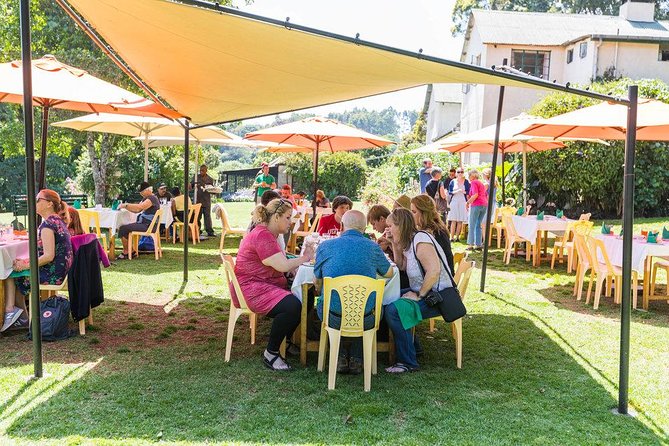
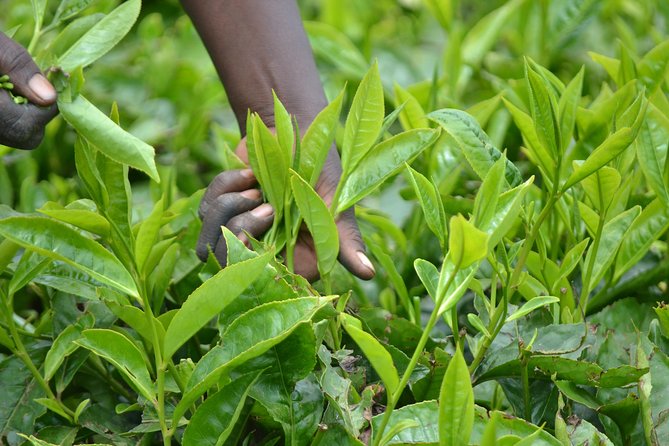
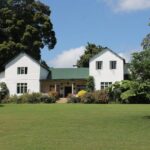
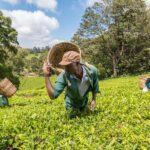
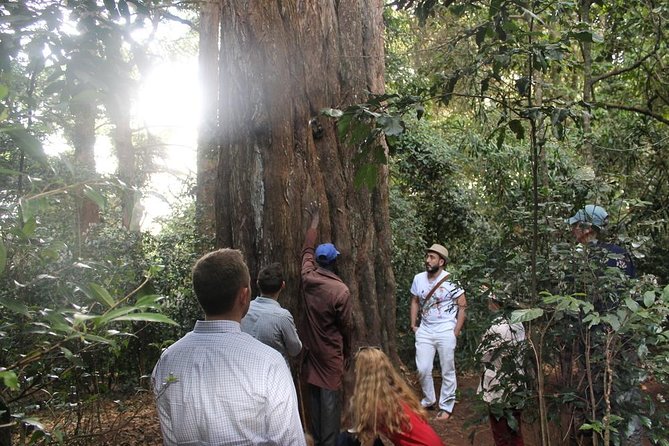
Your main time on site is about 4 hours at Kiambethu Farm, and that portion feels properly structured rather than rushed. You get a farm garden and tea farm tour, plus time to stroll through the area where you’ll look for animals and learn about plants.
The group size matters more than it sounds. With a maximum of 15 people, your guide can slow down when someone has questions about how tea is grown, harvested, and processed. It also makes the experience more “human scale.” You’re not dodging a crowd while trying to listen.
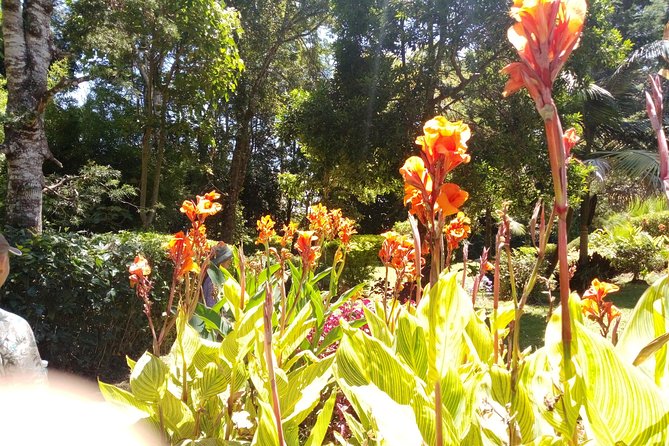
As you move through the property, you’ll also get that Kenya mix of agriculture plus nature. The itinerary specifically includes a forest stroll and attention to indigenous plants, and that’s where the day can shift from strictly agricultural to more of a nature walk. You’ll be in a guided setting, but it still feels like time outdoors rather than time in a van.
What I like best in this kind of tour is the balance: tea work is the headline, yet the guide also points out the living world around it. That helps you connect what you taste later to what you saw growing earlier.
Colobus monkey and bird spotting: enjoy the chase, not the guarantee
This is not a safari drive where you’re scanning for hours. Still, the farm tour is designed to help you notice wildlife. You’ll keep an eye out for colobus monkeys and birds while walking around.
Here’s the realistic way to think about it: you might see them clearly, or you might only spot movement in the canopy. Either way, the value is in the experience of slow observation. You’ll be in the right habitat for it, and your guide can help interpret what you’re seeing.
A pro-tip mindset for this part: bring patience and keep your group quiet when you get near likely spots. In a tea environment, animals often react to sudden noise. If you treat it like a calm nature moment, you’ll get more out of it even when you don’t get the perfect photo.
Also, if you’re the kind of traveler who likes learning, pay attention to what the guide says about indigenous plants. Those notes often connect back to the broader ecosystem, which is one reason the forest walk feels worth it.
Lunch at Kiambethu: the 3-course buffet that actually fills you up
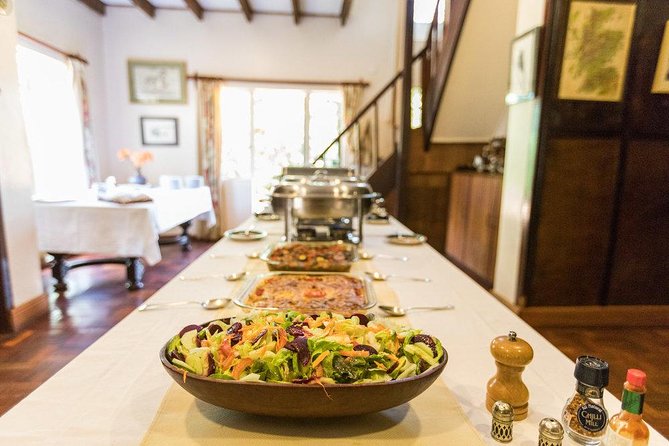
Food is one of the biggest reasons this trip earns high marks. The tour includes a 3-course buffet lunch, and tea and/or coffee are part of the package. The meal is described as including farm-fresh ingredients, and you should treat lunch here as a key event, not an afterthought.
In a lot of day trips, lunch is boxed and forgettable. This one is positioned as a full stop at the farm: you taste African tea and then eat before you continue with the rest of the day. If you enjoy food that feels tied to place, this is where the tour delivers.
One review highlight that lines up with that: a driver-guide named Obed was praised for being punctual and pleasant, and people specifically called out that the luncheon was fantastic. When a trip has a meal that lands well, it changes the whole mood. It turns the day from sightseeing to a real break.
What to expect, practically: you’ll be hungry after walking through tea fields and a forest area. This is the moment to refuel before the final stretch back toward Nairobi. Eat at a steady pace, try the tea, and don’t rush through it.
The tea tasting: turning flavor into context
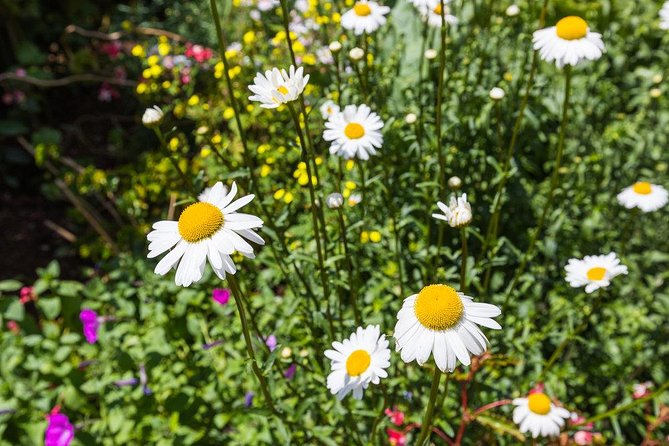
This day trip isn’t only about eating and walking. You also get to taste African tea as part of the farm experience. That’s smart, because tea tasting without context can feel random.
Once you’ve seen tea plants and learned how the farm works, the tasting gets more meaningful. You start paying attention to things like aroma and strength, not just whether it tastes good. And since the guide is there, you can ask what factors affect taste—at least at the level your guide explains.
If you’re buying tea, this is also the moment where you’ll know what you actually like. Many people walk away with a better sense of what to look for later, rather than buying based on packaging alone.


A stop to see day-to-day local life
Between the farm time and the return trip, there’s an additional stop that’s described simply: you’ll get a chance to see how locals live and conduct their normal day-to-day activities.
That can mean different things depending on the exact location and timing, and the tour details don’t get more specific than that. But the intention is clear: it’s not only a farm bubble. You get at least a brief window into real routine beyond tea production.
For readers, this is the part to approach with the right expectations. It’s not framed as a full cultural tour with museums or scripted performances. It’s more like a quick, guided glimpse. If you’re open-minded and curious, you’ll likely enjoy it. If you want deep dives into culture at a slow pace, you might find you’re hungry for more after the stop ends.
Price and value: what your $140 actually covers
At $140 per person, this is not a cheap add-on. But when I look at what’s included, it starts to make sense.
Your package includes:
- Hotel pickup and drop-off from Nairobi
- A driver/guide plus a professional guide
- Lunch (3-course buffet)
- Coffee and/or tea
- The entrance fee ($35 per person)
- A ticket you can use via mobile access
So you’re paying for a bundle: transport + guided experience + meals + farm access. The entrance fee being listed separately is helpful because it shows you’re not just buying a seat on a bus. You’re covering the cost of being inside the property and having the guided time there.
What you don’t get included are souvenir photos, which are available to purchase. That’s fairly normal for tours.
Also, note that the tour includes group discounts. Even if this is framed as a private experience for your group, the max group size stays 15, so you’re still getting that small-group advantage without feeling like you’re stuck with a huge crowd.
Bottom line on value: if you want Nairobi-to-farm convenience plus guiding plus a proper lunch, this pricing feels aligned with that mix. If you’re the kind of traveler who already enjoys doing independent day trips and negotiating local transport, you might find cheaper options. But most people pay for the stress-free format here.
Dress code and packing tips that actually help
The tour asks for smart casual dress. That’s an easy target, but don’t treat it as “put on your nicest outfit.” You’ll be walking outdoors through farm areas and a forest stroll, so wear shoes that handle uneven ground.
Bring a light layer if you get chilly after leaving warmer sun or if you’re sensitive to morning air. Kenya mornings can feel cool in Nairobi before the day warms up.
And because the experience includes viewing monkeys and birds, consider bringing a basic camera or phone stand-by. You don’t need safari gear for this type of spotting, but you do want your device ready.
Who this Kiambethu tea excursion suits best
This trip is a strong fit if:
- You’re short on time in Nairobi and want a full day plan that covers transport, guiding, and lunch
- You like agriculture and nature combined—especially when it’s explained by a guide
- You enjoy small-group experiences and want to ask questions
- You’re excited by tea tasting tied to what you see growing
It’s less ideal if:
- You hate long days (about 9 hours total)
- You only want wildlife where sightings are guaranteed
- You’re visiting on a Monday, since the farm is closed that day
Should you book Kiambethu Tea Farm?
If you want an authentic Nairobi day that goes beyond city sights, I think this is an easy yes. The big wins are the tea fields plus forest walk, the chance to watch for colobus monkeys and birds, and the fact that lunch is a real 3-course buffet with tea/coffee included. Add door-to-door transfers and a small group cap, and it’s a very practical way to spend one day in Kenya’s tea country.
My only caution is scheduling. Check your dates so you don’t land on a Monday when the farm is closed. If your timing works, this is the kind of tour that gives you something tangible at the end: better tea knowledge, better flavor context, and a day that feels calm instead of rushed.
FAQ
What time does the Kiambethu Tea Farm excursion start?
The start time is 9:00 am.
How long is the tour?
The duration is approximately 9 hours.
Is hotel pickup and drop-off included?
Yes. Hotel pickup and drop-off in Nairobi are included.
How big is the group?
The tour runs with a group no larger than 15.
What’s included in the lunch?
Lunch is included, and it’s described as a 3-course buffet.
Is tea or coffee included?
Yes. Coffee and/or tea are included, and you’ll also taste African tea.
Is the entrance fee included?
Yes. The entrance fee is listed as $35 USD per person and is included.
Can I cancel for free?
Yes, free cancellation is available. You can cancel up to 24 hours in advance for a full refund.
When is the farm closed?
It is closed every Monday, Christmas Day, and Happy New Year’s Day.