REVIEW · NAIROBI
Kiambethu Tea Farm Tour & Lunch From Nairobi
Book on Viator →Operated by Gracepatt Ecotours Kenya · Bookable on Viator
Tea, monkeys, and a family-run farm. The Kiambethu Tea Farm tour from Nairobi pairs tea-plantation walks with colobus monkeys in a preserved forest, then settles you down for a home-style lunch. I especially like the fact that it’s run by the same family since 1910, so the stories feel rooted in one place, not a script.
One thing to plan around: the estate is closed every Monday, plus Christmas Day and Happy New Year’s Day, so your Nairobi dates matter.
Key things I’d mark on your checklist
- Meet Marcus and Fiona at the main house, with homemade biscuits and tea on arrival
- Old indigenous forest walk where colobus monkeys are a big focus
- Guided tea gardens and farm history explained in a lively, English-speaking way
- 3-course lunch + afternoon tea with ingredients sourced locally
- Hotel pickup and drop-off in Nairobi, which makes the day feel easy
In This Review
- Kiambethu Tea Farm: Why This Nairobi Tea Tour Feels Less Like a Bus Trip
- Nairobi Pickup and Timing: How to Plan Your Day Without Wasting Time
- First Stop at the Main House: Marcus and Fiona, Biscuits, and Tea
- The Gardens, the Tea Walk, and the Story Behind Kenya’s Tea Export Boom
- The Preserved Indigenous Forest Walk for Colobus Monkeys
- Lunch and Afternoon Tea: What You’ll Eat and Why It’s Part of the Experience
- Guides, Group Size, and the Real Benefit of English-Speaking Experts
- Price and Value: Is $125 Worth a Half-Day on a Working Tea Estate?
- When Kiambethu Is Closed (And How That Can Save You a Wasted Morning)
- What to Bring for a Tea Garden Walk and a Forest Stroll
- Should You Book the Kiambethu Tea Farm Tour and Lunch From Nairobi?
- FAQ
- Where does the tour start and end in Nairobi?
- How long is the Kiambethu Tea Farm tour?
- What time does the tour begin?
- What’s included in the price?
- Do I get to have tea during the experience?
- Is lunch included, and what kind?
- Will I see colobus monkeys?
- Is the tour offered every day?
- What is the cancellation policy?
Kiambethu Tea Farm: Why This Nairobi Tea Tour Feels Less Like a Bus Trip
If you’re doing Nairobi and you want something calmer than city driving and craft markets, this tour fits. Kiambethu Tea Farm is a working tea estate, and you get the best kind of contrast: you start with a human story—settler culture and how tea took over the landscape for export—then you move into nature with an indigenous forest that’s still preserved.
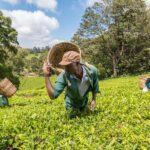
I like that the tour doesn’t treat tea as a museum display. You walk the grounds, you hear how tea became such a major export crop for Kenya, and you see how the farm life connects to those larger themes. It also helps that the guide keeps things entertaining. Expect a mix of explanation and humor, not a lecture that makes you check your watch.
And yes, the monkeys factor is real. The forest is known for colobus monkeys, so you’re not just looking at tea bushes and hoping for wildlife. You’re given a reason to look closely, listen for movement, and take your time.
There’s also an honest “small-group feel” built into the format. The tour runs with a maximum of 100 travelers, and the experience includes professional English-speaking guides who are experts in African wildlife, culture, and tour guiding. That combination usually means fewer awkward pauses and more useful context.
Nairobi Pickup and Timing: How to Plan Your Day Without Wasting Time
The day is designed to feel like a proper outing rather than a quick roadside stop. The start time is listed as 9:30am, and pickup is included from your Nairobi hotel or accommodation. You arrive at Kiambethu’s main house at 11am, so you’re not spending the morning sitting in traffic without a purpose.
Total time is about 6 hours, which is a good length for a farm + forest tour. It’s long enough to slow down, see the tea gardens, walk the preserved forest, and enjoy lunch without rushing. It’s short enough that you can still have energy for the rest of Nairobi later.
Tip for your planning: treat this as an around-the-estate day with some walking. You’ll do a stroll around the home gardens, a forest walk, and time in the tea gardens area. Wear comfortable shoes even if you think you’re only going to take a few photos.
You can also read our reviews of more tours and experiences in Nairobi.

First Stop at the Main House: Marcus and Fiona, Biscuits, and Tea
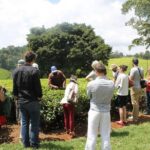
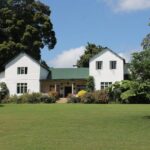
Your tour starts with pickup, then you arrive at the main house at 11am. The welcome is part of the charm. Marcus and Fiona greet you with homemade biscuits and tea, setting a friendly tone right away.
This matters more than it sounds. In a lot of farm tours, the first 20 minutes are just logistics and a quick overview. Here, you get settled, offered something warm, and then you’re ready to listen. It also helps that the home and surrounding gardens are pleasant to wander, so you’re not forced to stand still before the real tour begins.
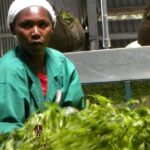
Then comes the farm and tea-making story. You’ll hear how the estate operates and how tea production became a major export crop for Kenya. The family ownership since 1910 is central to the narrative. It turns the tour from facts-only into a living timeline—how one family’s work connects to bigger economic change.
If you like guides who actually explain what you’re seeing, this portion is strong. The walkthrough around the home gardens gives you a chance to orient yourself before you step into the forest and tea plantation areas.
The Gardens, the Tea Walk, and the Story Behind Kenya’s Tea Export Boom
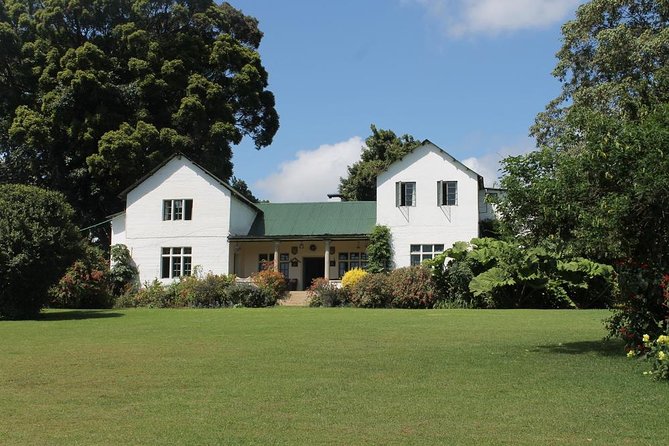
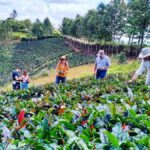
After the welcome, you’ll have time to explore the estate grounds around the main house. This is where the tea farm stops being abstract. The gardens are described as lovely and worth strolling, and you may catch glimpses of the resident colobus monkeys.
The tour also connects tea to Kenya’s wider story. You’ll learn how tea evolved into one of Kenya’s largest export crops. That’s a key piece of context because it explains why tea farms ended up shaping land use and local life. It’s not just about picking leaves and brewing a cup. It’s about how an agricultural crop can reshape an economy—and how those choices link back to settler-era history.
One smart way to enjoy this part: slow down. Tea plants can look similar from a distance, but once you’re listening for what the guide is pointing out, it becomes much more interesting. Ask about what you’re seeing, especially in the tea garden sections. Even if you’re not a tea nerd, the way it’s framed here makes it easy to follow.
The Preserved Indigenous Forest Walk for Colobus Monkeys
This is the part I’d plan around first in your mind. The tour includes a walk through an indigenous forest that is still preserved. Most land was cleared for tea farms, so the forest you walk through has extra meaning—it’s a surviving piece of older habitat.
It’s also where wildlife becomes the focus. The forest is known for its population of colobus monkeys, and the tour is set up with a guide who’s comfortable spotting and discussing wildlife. If you like seeing animals in their environment (not just from a safari vehicle window), this walking approach is a good fit.
A practical note: forest walks can mean uneven ground and lots of “look up, look around” time. Even with a short route, it helps to move at a steady pace and keep your camera ready, not frantic. The value here is patience. Give the guide a moment to point something out, then follow your eyes.
The guide is described as highly entertaining and comical, and that adds up in the forest. When a guide keeps the energy up, you’re more likely to stay attentive to small movements and sounds—the stuff you miss when you’re tired or impatient.
Lunch and Afternoon Tea: What You’ll Eat and Why It’s Part of the Experience
After the walks, the tour shifts into a relaxed mode. Lunch is included, and it’s described as a 3-course meal with fresh ingredients. The big plus for me is that most of the produce is locally sourced. That helps the meal feel connected to the farm you just walked through, instead of being a standard hotel-style plate.
Afternoon tea is also included. Tea is the headline product at Kiambethu, so having it again after you’ve learned about the farm and the process feels like a satisfying loop: you taste what the story is about.
Food timing matters on a day trip. This one ends in lunch, so you get to refuel without dragging the “meal” part to the middle of the day when you’re still trying to focus on the forest. You’ll also be less rushed as you eat, because the main walking portion is already done.
What’s not included: drinks unless specified. That’s normal on many tours, but it’s smart to budget a little if you like to have a soda, juice, or other drink with lunch.

Guides, Group Size, and the Real Benefit of English-Speaking Experts
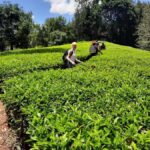
The tour includes professional English speaking guides. They’re described as experts in African wildlife, culture, and tour guiding, and that’s exactly what you want when the experience covers both history and animals.
Group size is capped at 100 travelers. That’s not tiny, but it also isn’t huge enough to feel like a field trip without attention. And because the tour has guided walking elements—gardens, indigenous forest, and tea areas—the quality of guidance matters more than the number on the roster.
One detail I appreciate from the tour description is that the guide isn’t just informative; they’re also entertaining. A tour that can explain settler culture and the development of tea while keeping you smiling tends to stick better in your head afterward.
If you’re someone who likes to learn but hates a dry lecture, this guide style should land well.
Price and Value: Is $125 Worth a Half-Day on a Working Tea Estate?
At $125 per person, this isn’t a budget add-on. So the question isn’t only whether it’s affordable. It’s whether you’re getting value for what’s included.
Here’s what you’re paying for, in practical terms:
- Hotel pickup and drop-off from Nairobi (this alone saves time and hassle)
- A guided visit to Kiambethu Tea Estate with history and tea context
- A walk through a preserved indigenous forest with a focus on colobus monkeys
- A 3-course lunch plus afternoon tea
- Guides who are professional and English-speaking, with wildlife and cultural expertise
When you stack those pieces, the price starts to make sense as a full experience, not just a walk in a pretty place. The lunch and tea are substantial enough that you’re not spending your day searching for food options. And the guided wildlife-focused forest walk is a different angle than a typical tea stop.
If you’re comparing to DIY travel, the trade-off is convenience and interpretation. The tour handles timing, entry, and guiding. The DIY route might be cheaper, but you’d need to cover transport, arrange your own lunch, and get your own explanation on the settler history and tea evolution story.
Bottom line: if you want one ticket that covers a lot—history, nature, and meal—this is reasonably priced for what’s included.
When Kiambethu Is Closed (And How That Can Save You a Wasted Morning)
The estate is closed every Monday, and also on Christmas Day and Happy New Year’s Day. If you’re building a Nairobi itinerary, check the calendar first. It sounds obvious, but farm tours are easier to plan around when you’re not shifting half your schedule late in the game.
Also keep in mind: the tour start time is set, pickup is included, and the whole day runs like a guided block. If your Nairobi schedule is flexible, you’ll have an easier time picking a working day.
What to Bring for a Tea Garden Walk and a Forest Stroll
The tour includes walking through gardens and an indigenous forest, so pack for comfortable movement. I’d bring:
- Comfortable shoes you don’t mind getting a little dusty
- Sun protection (hat or cap, plus sunscreen)
- A light layer if you run cool in shaded forest areas
- Your camera and a phone with enough battery
If you’re sensitive to wildlife viewing situations, bring patience more than gear. The forest walk is about spotting and paying attention. You’ll get more out of it when you slow down and watch.
Should You Book the Kiambethu Tea Farm Tour and Lunch From Nairobi?
I think you should book if you want a Nairobi day trip that mixes three things you don’t usually get together: a working tea estate, a walk in a preserved indigenous forest with colobus monkeys, and a sit-down 3-course lunch plus afternoon tea.
It’s especially a good fit if:
- you like animals but don’t want it to be only vehicle-based viewing
- you enjoy guided history as you walk through real places
- you want transport taken care of with Nairobi hotel pickup and drop-off
Skip or reconsider if:
- your travel dates land on a closed day (Mondays, Christmas Day, Happy New Year’s Day)
- you dislike structured schedules and guided walking
For me, the best part is how the tour turns tea into a story you can walk through—family ownership since 1910, the shift to tea as a major export, and then that preserved patch of forest where wildlife still matters.
FAQ
Where does the tour start and end in Nairobi?
Pickup is included from your Nairobi hotel or accommodation, and you’re dropped back to your hotel or residence after the tour.
How long is the Kiambethu Tea Farm tour?
It’s listed as approximately 6 hours.
What time does the tour begin?
The start time is 9:30am.
What’s included in the price?
Lunch and afternoon tea at Kiambethu Estate are included, along with hotel pickup and drop-off, the estate visit with a history lecture and walks, and professional English-speaking guides.
Do I get to have tea during the experience?
Yes. You’ll have tea when you arrive at the main house, and afternoon tea is also included with lunch.
Is lunch included, and what kind?
Yes. Lunch is included and described as a 3-course meal with fresh ingredients.
Will I see colobus monkeys?
The forest walk is known for its population of colobus monkeys, so this is a key part of the wildlife focus.
Is the tour offered every day?
No. The estate is closed every Monday, as well as Christmas Day and Happy New Year’s Day.
What is the cancellation policy?
Free cancellation is offered. You can cancel up to 24 hours in advance for a full refund.