REVIEW · NAGASAKI
Nagasaki: Explore Japanese Teas on a Tea Tour
Book on GetYourGuide →Operated by Nagasaki Ikedoki Tea · Bookable on GetYourGuide
Tea tastes better when you know the story. Nagasaki’s tea scene turns a simple sip into something you can actually picture. I like that this tour pairs practical tastings with real scenery at Sonogi, where tea fields roll toward Omura Bay.
You also get hands-on time. Brewing Tamaryokucha and whisking matcha is the kind of active stop that helps the flavors stick, and the guide (English-speaking, led by Marjolein) keeps it interactive for small groups of up to four.
One consideration: it’s not a city-only outing. If you want to spend all your hours in central Nagasaki, you’ll need to be comfortable leaving town for Sonogi for the tea-field and factory portions.
In This Review
- Key moments you’ll care about
- Why Nagasaki is such a good place to learn tea
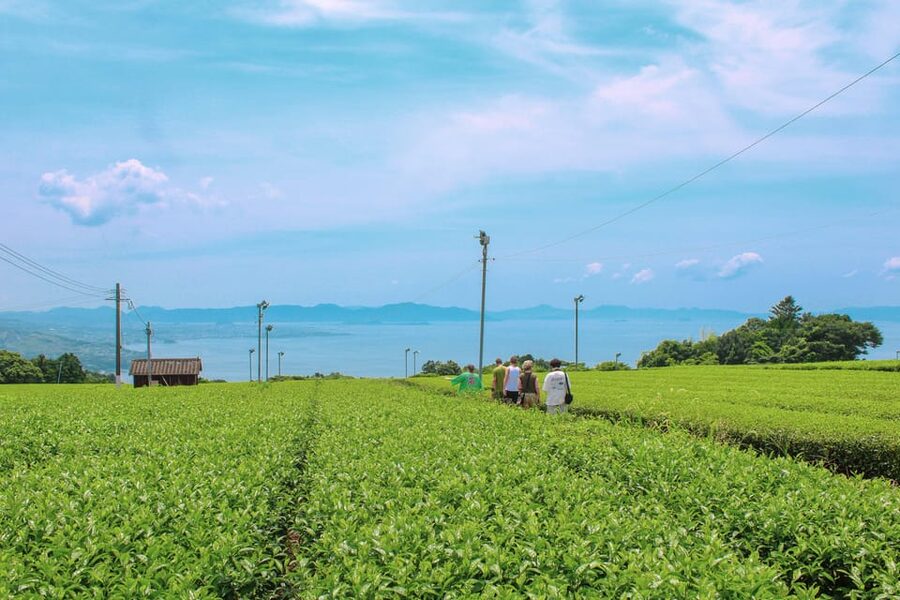
- Walking into the Sonogi tea fields (the view part is not a gimmick)
- The tea factory stop and why Tamaryokucha gets center stage
- Your tasting lineup: more than just green tea
- Hands-on brewing Tamaryokucha and whisking matcha
- Lunch and seasonal Japanese sweets: the flavor support system
- Who this tour suits best (and who might want something else)
- Price and value: is $132 per person worth it?
- The practical “don’t miss” checklist before you go
- Should you book this Nagasaki tea tour?
- FAQ
- How long is the Nagasaki Japanese tea tour?
- What is the group size?
- Is the tour guided in English?
- What tea types are included in the tasting?
- Do you get hands-on experience?
- Is lunch included?
- Are seasonal Japanese sweets included?
- Can I buy tea during or after the tour?
- How much does it cost?
Key moments you’ll care about
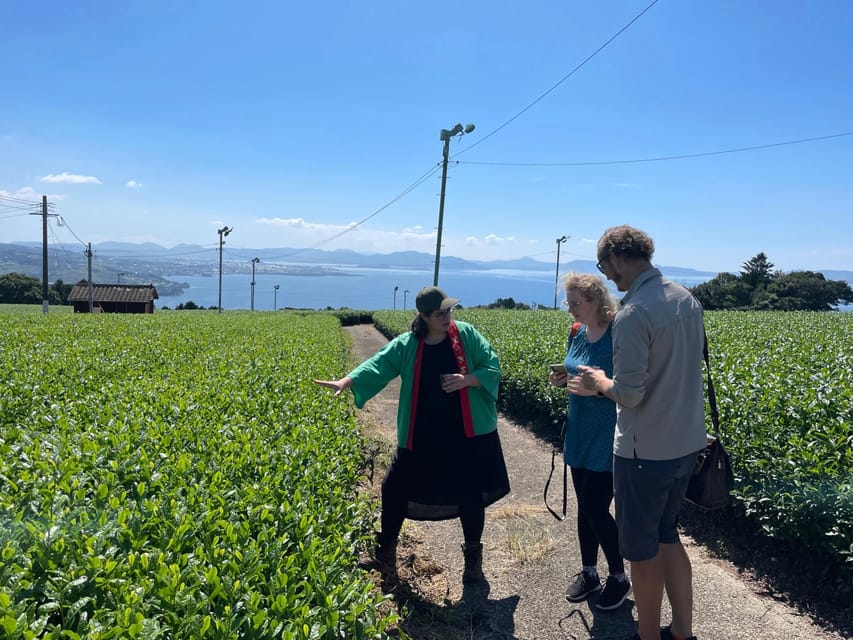
- Sonogi tea fields + Omura Bay views: the setting does half the job of explaining why tea matters here.
- Tamaryokucha focus: you visit the place where this local favorite is made.
- A guided tasting lineup: Tamaryokucha, Shiraore, Houjicha, Wakoucha, Matcha, and more.
- Hands-on brewing and whisking: you practice, not just watch.
- Lunch with local sweets: tea plus food makes the flavors easier to understand.
- Small group size: with a max of 4 participants, questions actually get answered.
Why Nagasaki is such a good place to learn tea
People often treat tea as background. This tour nudges tea into the foreground. Nagasaki is known for shaping Japan’s tea culture, and the idea here is simple: learn by tasting types of tea that grow and get processed in this region, then connect those flavors back to the land.
You’ll notice the difference in teaching style right away. Instead of just listing facts, the guide builds a path from plant to cup. That’s why the tour works well even if you start with zero tea knowledge. You’ll begin tasting, then later see the factory process, and finally get to brew and whisk your own cups.
Also, the pace is comfortable. At four hours, you get enough stops to learn something real without feeling rushed. It’s a good fit if you want one focused experience during a Nagasaki visit, especially if you’re traveling with someone who thinks tea is boring until it’s explained well.
You can also read our reviews of more tours and experiences in Nagasaki.
Walking into the Sonogi tea fields (the view part is not a gimmick)
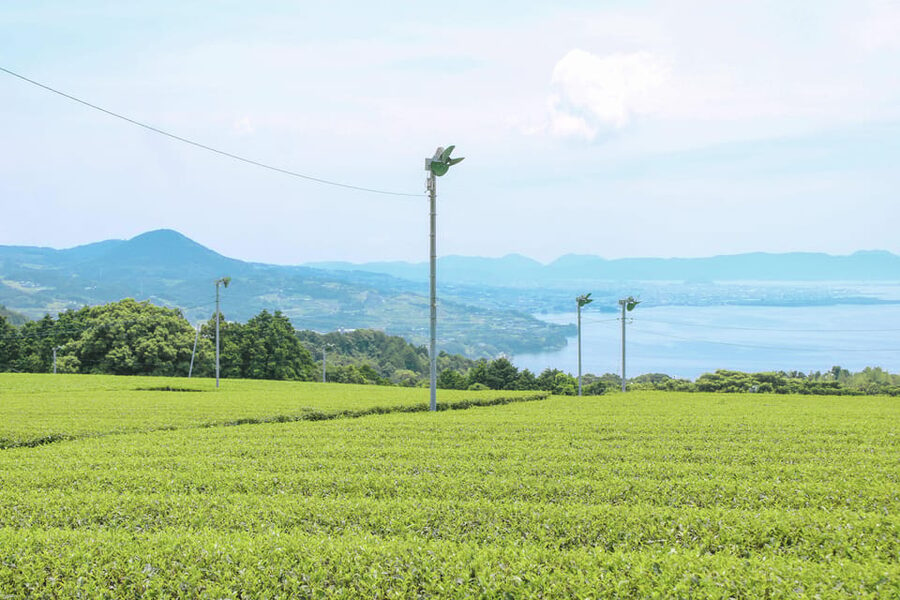
One of the biggest reasons to do this tour is the location. Sonogi’s tea fields give you a sweeping sense of scale, and Omura Bay frames the whole scene. It’s the kind of view that makes tea feel less like a drink you order and more like an actual local industry.
As you stand among the rows of tea plants, you’ll start understanding what “steamed curly green tea” or “twig tea” means in a sensory way. Even if you can’t identify every plant, you can feel why different processing methods lead to different cups. The scenery gives context to the tasting flight later.
Practical tip: wear shoes you’re happy to walk in outdoors. The tour includes visiting the tea fields, so you don’t want to be dealing with slick soles or sore feet halfway through the experience.
The tea factory stop and why Tamaryokucha gets center stage
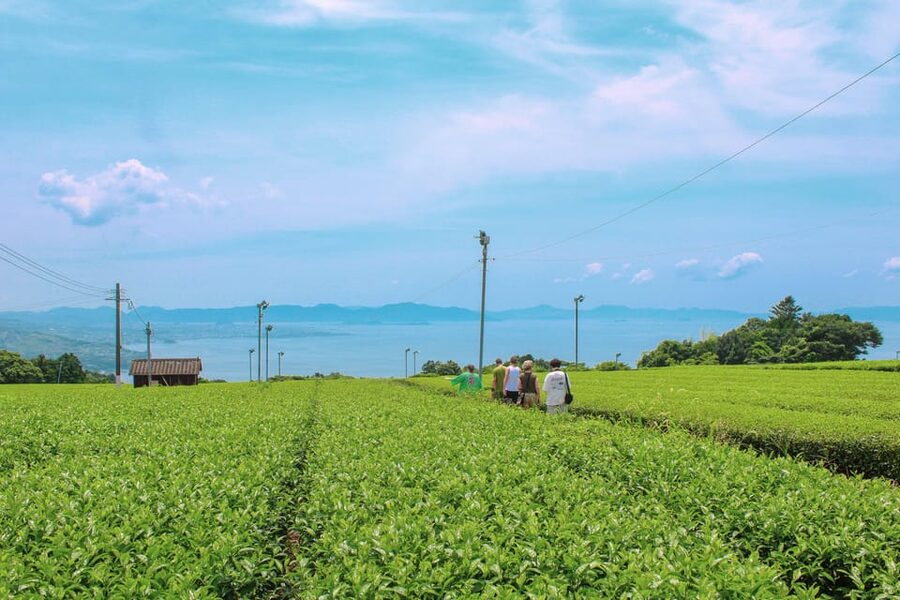
A tea tour should include more than tasting. This one adds a factory visit tied to the local specialty: Tamaryokucha. The tour is built around seeing how it’s produced, not just hearing the name.
Tamaryokucha is described as steamed curly green tea. That alone tells you the processing is part of the flavor. When you see the production side, you stop treating tea like a mysterious product that appears in shops. You start to connect steps to results.
Why I like this structure for your trip: you get to taste, then compare it to what you learned at the factory, and then apply it again during the hands-on brewing. It’s a three-step learning loop that feels natural. You don’t just consume; you connect.
Potential drawback to keep in mind: if you’re expecting a huge, city-sized factory experience with lots of industrial spectacle, this is more of a regional, specialty-focused stop. The value is in understanding a specific local tea and seeing how that tea fits into the Sonogi area.
Your tasting lineup: more than just green tea
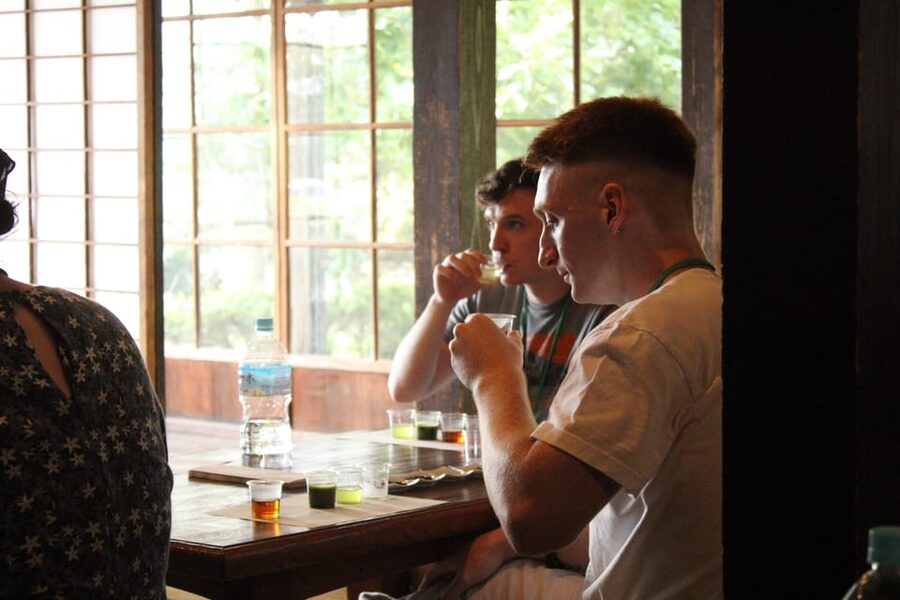
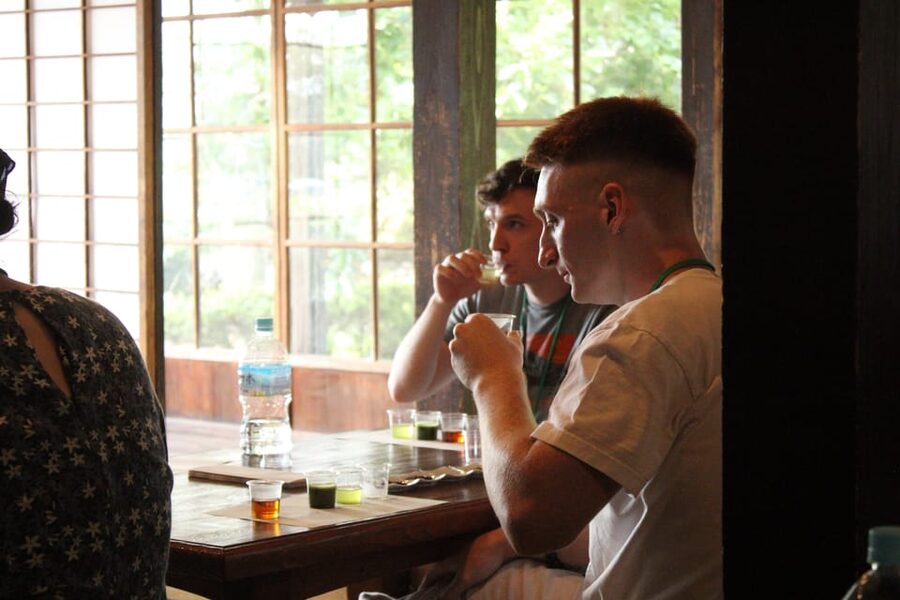
The tour’s tea tasting covers a lineup that helps you notice differences quickly. You’ll sample local tea specialties including:
- Tamaryokucha (steamed curly green tea)
- Shiraore (mild twig tea)
- Houjicha (roasted green tea)
- Wakoucha (Japanese black tea)
- Matcha (finely ground green tea)
- and additional teas included in the tasting set
This variety is key. A lot of tea experiences feel like repeat sips of the same thing. Here, the lineup gives you a chance to compare styles: roasted versus steamed, twig versus ground, green versus black. Even without technical training, your palate starts sorting things into categories.
I also appreciate that the guide keeps it practical. You’re not just tasting randomly. You’re learning how to think about what’s in the cup and how method changes the result. When you later whisk matcha yourself, you’ll already have a mental reference point from the tasting earlier.
If you’re the type who likes souvenirs that actually mean something, pay attention during the tasting. The tour notes that teas are available for purchase afterward (optional). Buying after you taste gives you a more confident choice.
Hands-on brewing Tamaryokucha and whisking matcha
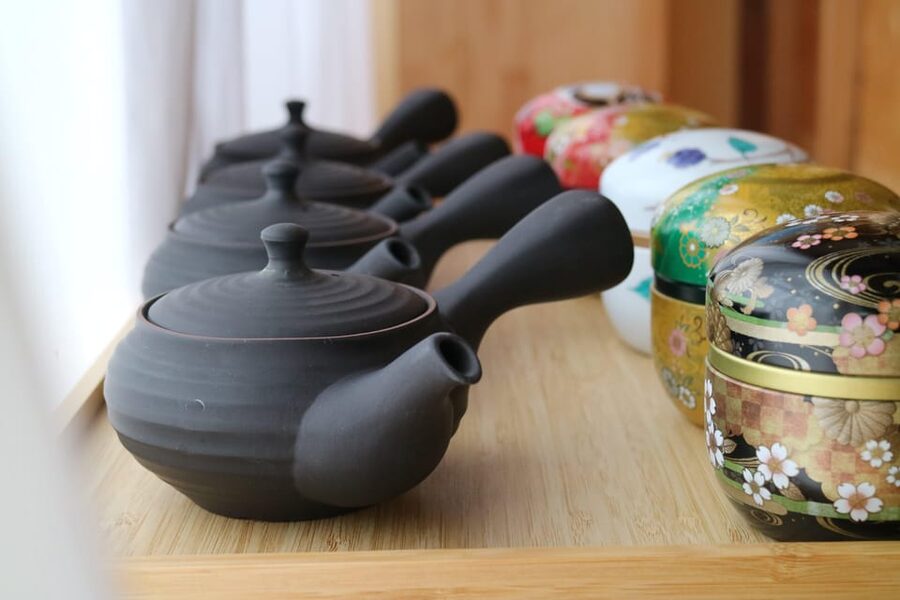
This is the part that turns a lecture into a memory.
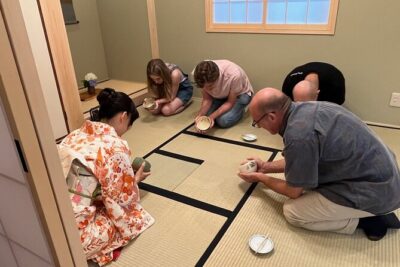
You’ll try brewing Tamaryokucha and you’ll also whisk matcha yourself. That matters because tea is one of those drinks where small differences in preparation lead to noticeably different results in your cup. When you practice, you learn the rhythm and the texture, not just the flavor.
Hands-on doesn’t have to mean complicated. The value here is that you get to ask questions while you’re doing it. With a small group capped at four participants, you’re not stuck waiting your turn in a crowd.
Practical advice for you: go in ready to slow down. When you’re focused on doing it right, you’ll taste more carefully. That’s when you’ll notice the differences between, say, an earlier sip and the next one you brew with guidance.
Also, if you’ve ever tried matcha at a café and wondered why it tasted different the next day, this is the kind of experience that helps you understand how preparation affects what you perceive.
Lunch and seasonal Japanese sweets: the flavor support system
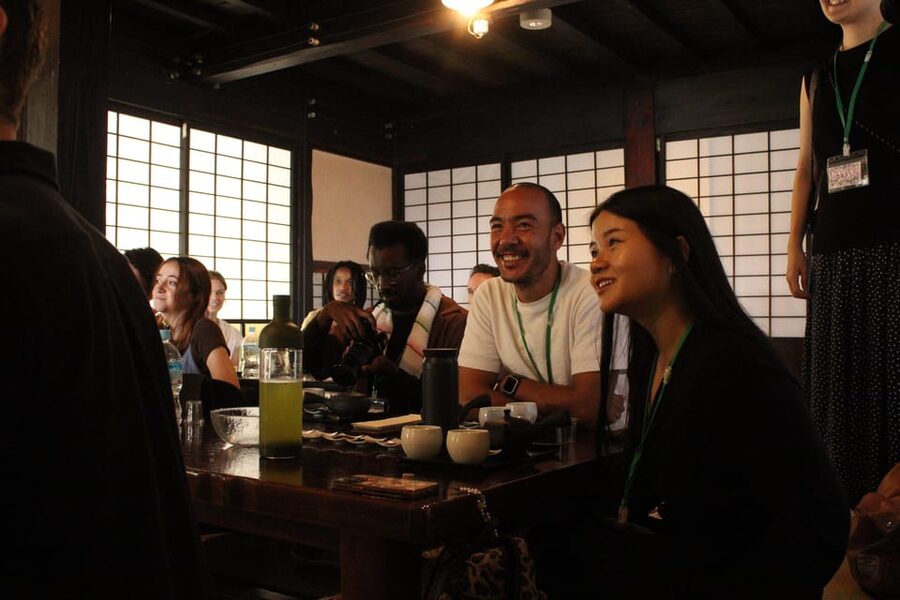
Tea tours sometimes treat food as an afterthought. Here, you get both lunch and traditional seasonal Japanese sweets. That’s not just nice hospitality. It helps the tasting session make sense.
Sweet snacks and lunch give your palate a reset between teas. They also help you notice how different teas can pair with different flavors. Some teas feel better before or after something sweet, and your brain notices that faster when the food is part of the schedule.
The tour provides lunch at a nearby restaurant. The tour also notes that you should inform the provider in advance about allergies or dietary restrictions. If you have dietary concerns, don’t wait until the day of. This kind of tour is most enjoyable when you can eat comfortably without guessing.
Who this tour suits best (and who might want something else)
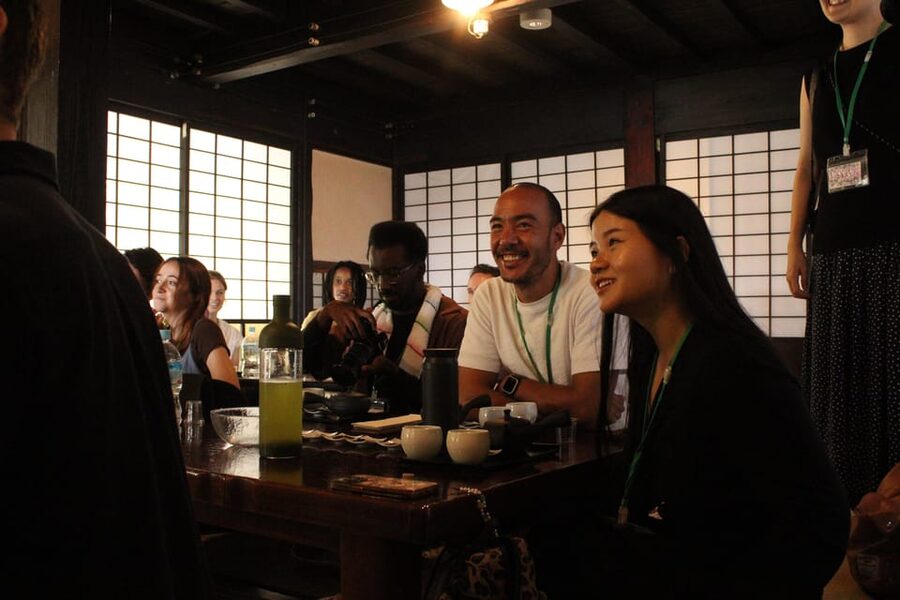
This is a great pick if you want an experience that feels tied to place. Sonogi’s tea fields and the Tamaryokucha factory visit make it more than a tasting stop. You’ll come away with a clearer picture of Japanese tea as a living regional craft.
It also suits English-speaking visitors who want a small group. The tour is led by a live English guide, and the group size is limited to four participants. That setup is ideal for asking questions, especially if you care about learning how to brew rather than just buying.
You might consider another option if you dislike outdoor walking or you’re only looking for a fast, one-stop activity in central Nagasaki. This tour requires you to spend time outside the city for the tea fields and factory portions.
Price and value: is $132 per person worth it?
At $132 per person for four hours, you’re paying for three things at once: access to a Sonogi tea landscape, a factory visit linked to a local specialty (Tamaryokucha), and hands-on brewing and matcha preparation, plus lunch and seasonal sweets.
Compared with many single-focus food tours, the value here is in repetition and application. You don’t just taste multiple teas. You also see production, then practice making cups yourself. That makes the learning stick, and it’s why the experience feels worth the time even for beginners.
Small group size also matters. Limited to four participants means you’re not sharing the guide’s attention with a bigger crowd. In practice, that changes the tone of the tour. You get more back-and-forth, and you’re more likely to leave with a few clear takeaways you can use later at home.
Optional tea purchases can add to the final cost, but the tour gives you the option rather than forcing it.
The practical “don’t miss” checklist before you go
Here’s what helps you get the most out of this tour:
- Bring comfortable walking shoes for the tea-field portion.
- Plan for outdoor time in Sonogi; dress for the weather.
- Come with curiosity, even if you think you don’t know tea. The tasting lineup starts from the basics.
- Ask questions while you’re brewing Tamaryokucha and whisking matcha. That’s where guidance pays off.
- If you have allergies or dietary restrictions, tell the provider in advance so lunch works for you.
- Consider purchasing tea only after tasting, since you’ll understand what style you like.
Should you book this Nagasaki tea tour?
If you want one experience that feels grounded in place, I’d book it. This tour delivers what many tea experiences skip: scenery, production, and hands-on practice, all tied together by tasting a focused set of local teas.
It’s especially appealing if you care about learning how to prepare tea, not just drinking it. The matcha whisking and Tamaryokucha brewing practice turns the day into a skill you walk away with. Add lunch and traditional seasonal sweets, and you get a complete half-day plan that’s satisfying on multiple levels.
Skip it only if your schedule leaves no room for a Sonogi day trip, or if you’re looking for a purely urban experience in Nagasaki. Tea lovers and curious first-timers both have a clear reason to go.
FAQ
How long is the Nagasaki Japanese tea tour?
The tour lasts 4 hours.
What is the group size?
It’s a small group limited to 4 participants.
Is the tour guided in English?
Yes. The tour includes a live English guide.
What tea types are included in the tasting?
You’ll sample a selection including Tamaryokucha, Shiraore, Houjicha, Wakoucha, Matcha, and additional teas.
Do you get hands-on experience?
Yes. You’ll brew Tamaryokucha and whisk Matcha yourself.
Is lunch included?
Lunch is provided, and you can inform the provider in advance about allergies or dietary restrictions.
Are seasonal Japanese sweets included?
Yes. Traditional seasonal Japanese sweets are included.
Can I buy tea during or after the tour?
Yes. Teas are available for purchase as an optional add-on.
How much does it cost?
The price is $132 per person.