REVIEW · KYOTO
Oboro | Mindful Tea Ceremony in a 100-Year-Old Kyoto Teahouse
Book on Viator →Operated by Taku Okamoto · Bookable on Viator
Kyoto slows down fast in a candlelit room. This Oboro mindful tea ceremony turns matcha into a real ritual, not a quick stop. You’ll sit inside a calm, minimally decorated 100-year-old teahouse where the atmosphere does half the work.
What I like most is the combination of a small group (max 8) and a guide who handles English translation. That means you can ask questions and still keep the quiet mood intact. One thing to consider: the host starts on time, and if you’re more than 10 minutes late, you can’t join the session.
In This Review
- Key highlights you’ll feel right away
- A 100-year-old Kyoto tea room where quiet is the point
- Where Oboro starts and how to use the first minutes
- 50 minutes of calm: welcome sweets to one-bowl matcha
- What makes Oboro’s matcha lesson practical, not performative
- The guide translation that keeps the ritual human
- Small-group pacing in a candlelit space
- Price and value: $45.98 for tea, sweets, and a handmade candle
- Who should book Oboro for Kyoto
- Practical advice to get the most from the ceremony
- Should you book Oboro for your Kyoto schedule?
- FAQ
- How long is the Oboro tea ceremony experience?
- How big is the group during the ceremony?
- Is there an English-speaking guide?
- What is included in the price?
- Where is the meeting point?
- Are tips included?
Key highlights you’ll feel right away
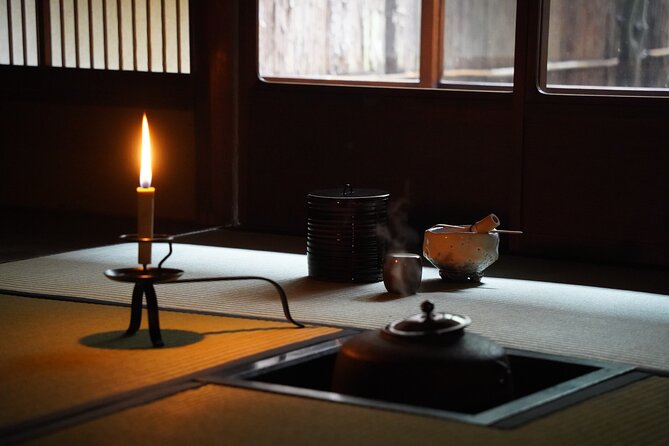
- Candlelit setting in a 100-year-old Kyoto teahouse that makes slowing down feel natural
- Small-group experience (up to 8 people) so the tea master’s attention stays personal
- English-speaking guide translation so you can understand the steps while staying present
- Matcha made bowl by bowl, with time to notice warmth, aroma, and subtle flavor
- A handmade candle takeaway to extend the calm beyond the room
A 100-year-old Kyoto tea room where quiet is the point
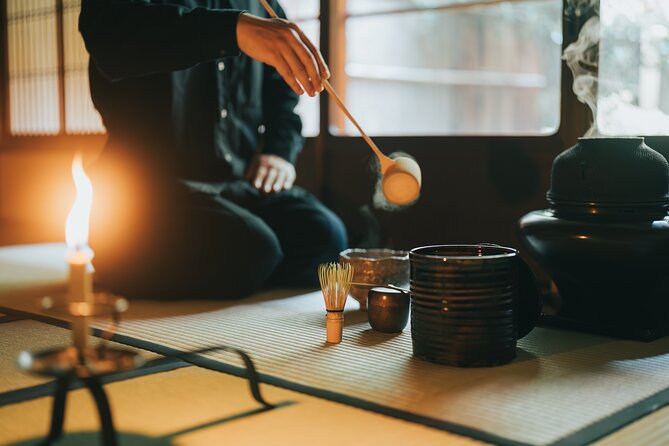
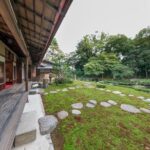
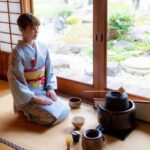
This is one of those Kyoto experiences where the setting isn’t decoration. The minimal, candlelit tearoom is designed to pull you out of city mode. Instead of clinking cups over background noise, you get soft sounds, careful movements, and a space built for reflection.
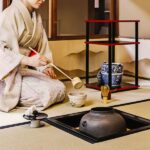
Oboro’s ceremony is also practical in the best way. You’re not just watching matcha get made; you’re learning the mindset behind it. The host cleans and prepares the utensils deliberately, and that attention to detail is part of the lesson.
You can also read our reviews of more tours and experiences in Kyoto.
Where Oboro starts and how to use the first minutes
The meeting point is at 237 Nakaogawachō, Kamigyo Ward, Kyoto, 602-0053. It’s near public transportation, so you’re not stuck planning a long taxi route. You’ll use a mobile ticket, and you’ll want to have it ready when you arrive.
Then comes the most important practical rule: don’t drift. From the start time, you have 10 minutes to join. I treat that like a promise to yourself. Getting there early helps you settle in, take in the candlelight, and not rush the beginning of a ritual that depends on calm.
50 minutes of calm: welcome sweets to one-bowl matcha
Plan for about 50 minutes total. The flow is gentle, with a clear progression that keeps you from feeling lost.
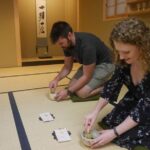
First, you receive a welcome tea and sweets. This is a quiet warm-up, shifting your attention away from your day and into your senses. After that, you transition to the tearoom where the host prepares everything step by step.
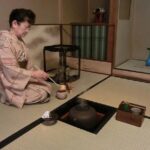
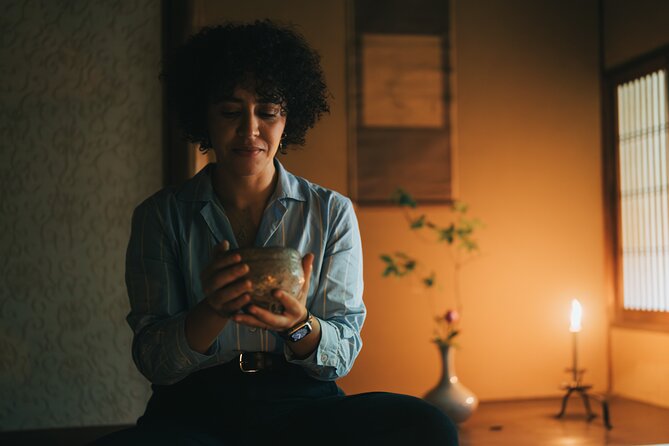
Next is the main event: matcha. The host whisks a rare organic green tea, serving one bowl at a time. That matters. Instead of everyone sipping at once like a group tour stop, you get a moment to hold the bowl, notice its warmth, and slow down enough to taste what’s actually there.
Finally, the ceremony ends with a small handmade candle. It’s not flashy. It’s a simple reminder to carry that quiet pause back into your Kyoto walk later.
What makes Oboro’s matcha lesson practical, not performative
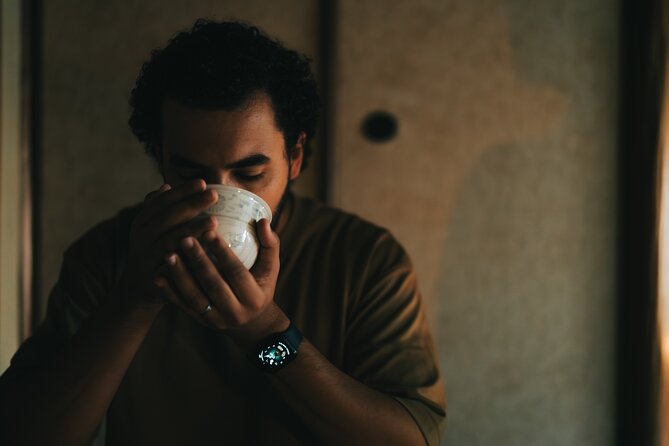
Some tea ceremonies turn into a show. Oboro leans more toward craft and care—what the hands do, what the utensils do, and what your attention does.
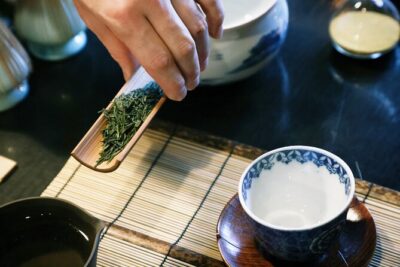
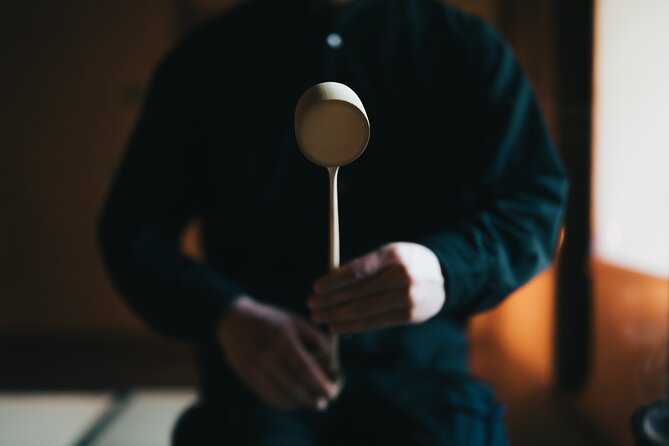
You’ll see the host clean and prepare the utensils before whisking. That may sound technical, but it’s really teaching you that taste begins before the tea hits your lips. Then you watch the whisking process closely enough to understand that matcha isn’t just powder in water. The ritual is about consistency and mindfulness at the same time.
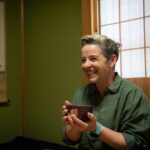
Taste is part of it, too. You’re invited to notice subtle flavors and the calming effect of candlelight. Because you’re not being rushed, you can actually compare impressions—aroma first, then warmth, then the finish on your tongue.
The guide translation that keeps the ritual human
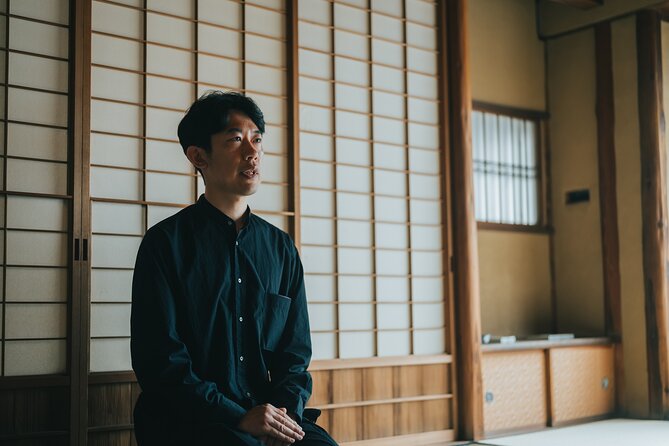
You don’t have a language barrier here. An English-speaking guide translates, so you can follow what the host is explaining without guessing. That’s valuable in a tea ceremony because the details are cultural, not just technical.
Small group size helps this feel natural. With fewer people in the room, translation doesn’t become a nonstop lecture. It’s more like a thoughtful conversation that fits into the ceremony’s rhythm, so you can ask questions without hijacking the mood.
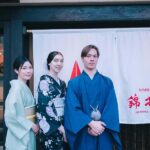
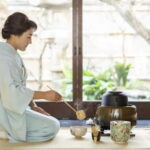
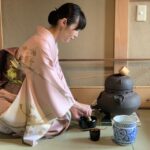
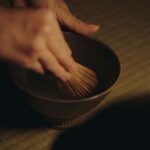
Small-group pacing in a candlelit space
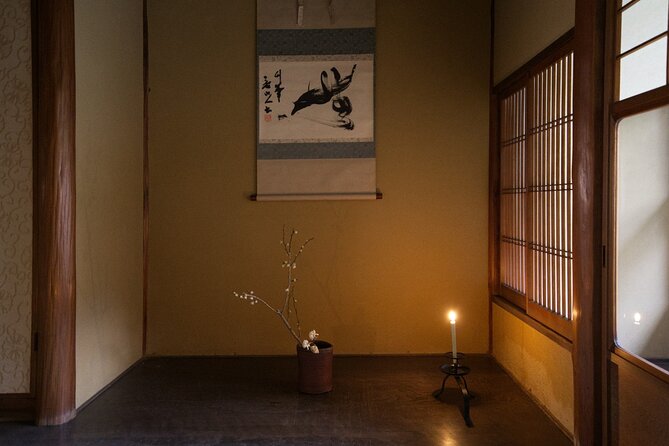
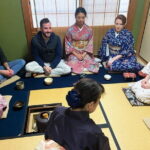
Oboro caps the experience at 8 travelers, and that single fact changes everything. You’re not competing with a line of strangers for attention. The host can guide you without repeating the same explanation over and over.
It also makes the quiet work. A mindful ritual can feel awkward when the room is crowded. Here, the atmosphere stays soft and respectful. That’s why the ceremony can be meditative even if you don’t know the formal terminology.
And yes, the candlelit atmosphere is a big part of why it feels special. The flicker does something to time. You notice your breathing. You slow your reactions. You become less focused on what’s next.
Price and value: $45.98 for tea, sweets, and a handmade candle
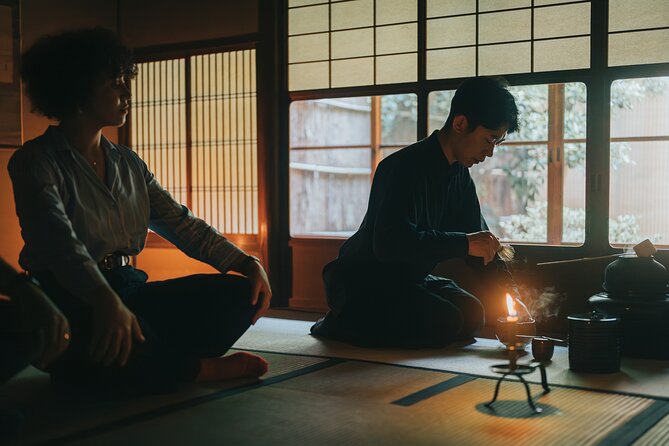
At $45.98 per person, this isn’t a budget snack. But it’s also not priced like a fancy dinner. The value is in what’s included and how long you sit with it.
Your ticket includes coffee and/or tea and an English-speaking guide. On top of that, you get welcome sweets, matcha as the featured tea experience, and a handmade candle at the end. For a 50-minute cultural activity, that’s a pretty full package—especially because the group size stays small.
If you’re choosing between this and a quick tea stop, think about what you want from Kyoto. If your goal is a calm, sensory experience with real structure and explanation, this price makes more sense. If your goal is just to drink matcha quickly, you might decide differently.
Who should book Oboro for Kyoto
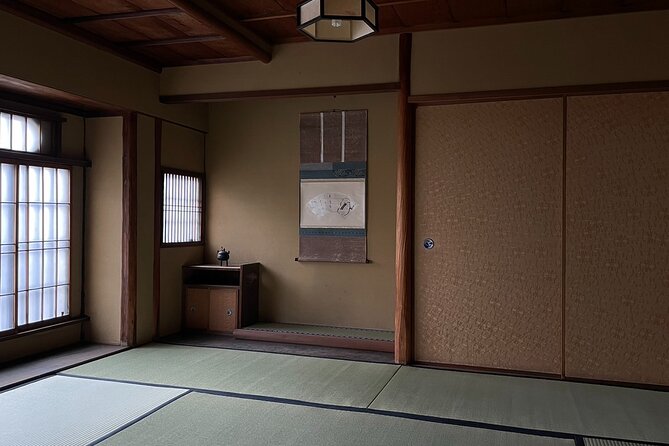
This is a strong fit if you’re:
- A first-timer who wants to understand what you’re tasting and seeing
- Traveling with friends who enjoy calm, reflective experiences
- Anyone who wants something cultural that doesn’t feel rushed or salesy
I also like the way Oboro is described as not overly strict. That makes it more approachable if you’re worried about being judged for not knowing the rules. The ceremony emphasizes shared respect and quiet wonder, which is a good match for many first-time travelers.
There’s even room for kids and family time, based on how guests talk about the experience and matcha tasting. Just expect the pacing to be calm, not chaotic.
Practical advice to get the most from the ceremony
You’ll enjoy this more if you treat it like a break, not a checklist. Give yourself time to arrive early enough to settle. When the host begins the preparation, your focus matters more than your phone.
A few simple ways to make it land:
- Stay present during the utensil cleaning and whisking. That’s where the lesson starts.
- Take the slow sip. Matcha flavors can feel subtle if you gulp.
- Ask questions through the guide when you get the chance, but keep your tone light and respectful of the room.
- If you’re offered more than one type of tea during the ceremony flow, pay attention to how they differ rather than chasing only one flavor.
If you’re coming from a busy day, this is a good reset. The whole setup is designed to shift you from outside noise to internal quiet.
Should you book Oboro for your Kyoto schedule?
If you want a Kyoto experience that’s peaceful, structured, and genuinely different from a restaurant tea, I’d book it. The biggest reasons are the small group, the English translation, and the fact that you’re not just drinking—you’re participating in a carefully paced ritual.
I’d skip or think twice if you dislike calm, quiet settings or if you’re the type to arrive late. This ceremony runs on attention and timing, and the teahouse experience doesn’t pause for schedule stress.
FAQ
How long is the Oboro tea ceremony experience?
It runs for about 50 minutes.
How big is the group during the ceremony?
The experience has a maximum of 8 travelers.
Is there an English-speaking guide?
Yes. An English-speaking guide is included, and they translate for you.
What is included in the price?
Coffee and/or tea are included, along with the English speaking guide.
Where is the meeting point?
You meet at 237 Nakaogawachō, Kamigyo Ward, Kyoto, 602-0053, Japan, and the experience ends back at the meeting point.
Are tips included?
No. Tips and gratuities are not included.