REVIEW · SEOUL
Seoul: Traditional Korean Dessert Workshop with Korean Tea
Book on GetYourGuide →Operated by K-Vibe Studio · Bookable on GetYourGuide
A sweet lesson in Korean tea culture. In a short 90-minute session, you make Dasik (a patterned tea dessert) and learn why it mattered in daily life since the Joseon Dynasty. It’s the kind of experience that feels creative, but still grounded in meaning.
I especially like that you get hands-on time shaping your own sweets, not just watching. I also love the tea part: you get a calm Korean tea moment that balances the hands-on making. The main consideration: the workshop isn’t suitable for children under 6.
In This Review
- Highlights That Make This Dasik Workshop Worth Your Time
- Dasik in Seoul: What You’re Really Making (and Why It’s Special)
- Finding K-Vibe Studio and Getting Comfortable Before You Start
- 90 Minutes of Dasik: How the Workshop Flow Usually Plays Out
- Welcome + Tea culture introduction
- Tea tasting in a calm space
- Learning Dasik basics and pattern meaning
- Hands-on Dasik making
- Wrap-up + premium box to take home
- What You’ll Make: Dasik Shapes, Traditional Ingredients, and Modern Flavors
- Traditional Korean ingredients you’ll work with
- Modern flavors for a fresh taste experience
- Why the “dessert for the eyes” angle matters
- The Korean Tea Tasting: Not a Side Dish, Part of the Story
- English Instruction, Host Style, and Group Energy
- Price and Value: Does $58 Make Sense for Seoul?
- Who This Dasik Workshop Is Perfect For (and Who Should Skip It)
- Small Practical Tips to Get the Most From Your Class
- Should You Book This Seoul Dasik Workshop?
- FAQ
- What is the duration of the Seoul Dasik workshop?
- Where is the meeting point for the workshop?
- What does the class include?
- What is the price per person?
- Is the instructor able to teach in English?
- Is the workshop suitable for children?
- Is there cancellation flexibility?
- Is the workshop wheelchair accessible?
Highlights That Make This Dasik Workshop Worth Your Time
- Dasik patterns with meaning, so your dessert is more than a snack
- Hands-on shaping and flavor blending, using both traditional and modern ingredients
- Korean tea tasting in a calm space, a breather from Seoul’s pace
- Take-home premium box, so you can gift your handiwork easily
- Small-group feel from the reviews, with friendly hosts and clear English instruction
Dasik in Seoul: What You’re Really Making (and Why It’s Special)
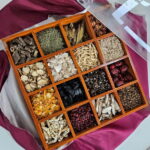
Dasik is often described as a tea dessert, and that’s accurate—but it’s also something more specific than a sweet you eat “with tea.” It’s made from natural grains and nuts, with flavors that connect to Korean food traditions and seasonal tastes. In this class, you’ll work with ingredients like soybean and almond, and you’ll also use flavors such as omija and injeolmi—plus modern touches like chocolate and pistachio.
What I like about the way this experience is framed is that you’re not only making something pretty. You’re learning the story behind it. Dasik has been enjoyed since the Joseon Dynasty, and each piece features a pattern with special meaning. That turns the workshop from craft time into cultural context—so when you press a design into your dessert, you’re doing it with purpose.
You’ll also hear about Dasik as a “dessert for the eyes.” That’s not just marketing language. When you see the finished pieces (and when you box them up), the visual element is real. Even if you don’t post photos, it helps you slow down and appreciate what you made.
You can also read our reviews of more tours and experiences in Seoul.

Finding K-Vibe Studio and Getting Comfortable Before You Start
Your meeting point is 1 Floor, K-Vibe Studio, and the experience is built for a smooth, low-stress start. You’re not bouncing between multiple stops; instead, you settle in and spend the full time on the dessert-and-tea rhythm.
The room matters here. Several details point to a calm, welcoming atmosphere. One review notes the session had a convivial vibe, and another describes an almost meditative quality to the time—like the making process helps you settle into focus. If you’ve had a long travel day in Seoul, this kind of setting is a real value. You’re not rushing to catch a view. You’re creating something.
Also, it’s run in English by an instructor. Even if you don’t speak Korean, you should be able to follow along clearly. If you need translation help for another language, the workshop mentions AI-powered support is available.
90 Minutes of Dasik: How the Workshop Flow Usually Plays Out
You have a clear time window—90 minutes—which is ideal if you want a meaningful experience without dedicating your whole day. Since the class focuses on both making and tea culture, expect the timing to move in a “teach, taste, make, learn, pack” cycle.
Here’s how the experience typically unfolds based on what’s included:
Welcome + Tea culture introduction
You’ll begin with an introduction to Korean tea culture. This isn’t just a “here’s your drink” moment. It’s part of understanding how Dasik fits into the tea tradition—why people paired small sweets with tea time.
Tea tasting in a calm space
Then you’ll have a tea tasting. Reviews mention the tea is delicious, and the setting feels gentle and comfortable. If it’s cold outside (Seoul can be seriously chilly), one helpful detail from a review is that the hosts may provide hand warm packs when you leave. That’s a small thing, but it signals the hosts are paying attention to your comfort.
Learning Dasik basics and pattern meaning
Before you start pressing and shaping, you’ll learn what Dasik is made from and what the patterns represent. The workshop highlights the history and meaning behind the sweets you create. That’s important because it explains what you’re doing rather than leaving you with a “follow-the-steps” workshop.
Hands-on Dasik making
This is the core of the class: you make Dasik using traditional and modern ingredients. You can expect to use traditional options connected to classic Korean flavors such as omija and injeolmi, and you’ll also work with modern flavors like chocolate and pistachio.
The workshop also emphasizes that you’ll create pieces with beautiful patterns and special meanings. So the aesthetic isn’t accidental—it’s part of the design.
Wrap-up + premium box to take home
At the end, you take home your handmade sweets in a premium box. That packaging matters for two reasons:
1) Your Dasik is fragile enough that you want secure transport.
2) The box makes it easy to gift. You don’t have to improvise packaging with a napkin and hope.
Some guests also mention the hosts offer extra tea and dessert. You shouldn’t count on it as a guarantee, but it’s a good sign that the experience is generous when time and flow allow.
What You’ll Make: Dasik Shapes, Traditional Ingredients, and Modern Flavors
The big promise here is that you’re not making one plain version of Dasik. You’re making a blend of old and new.
Traditional Korean ingredients you’ll work with
Dasik is made from natural grains and nuts. The class specifically calls out ingredients such as soybean and almond, and it uses flavors tied to Korean tradition like omija. Injeolmi comes into play too—so you’re getting at least some connection to the familiar “sweet rice flour + nutty” flavor profile many people associate with Korean desserts.
When you’re doing a class like this, the “ingredients” list is more than a menu. It helps you taste the difference between:
- nutty, grain-forward base flavors
- herbal-fruity sweetness (omija is known for its distinctive profile)
- traditional Korean dessert textures and aromas
Modern flavors for a fresh taste experience
The workshop also includes modern flavors such as chocolate and pistachio. This is a smart approach for a short class. It gives you a surprise element even if you think you know Korean desserts.
You’ll also end up with patterns that look like edible art. And because the workshop includes the meaning behind the patterns, you can explain your piece to someone later—without sounding like you’re guessing.
Why the “dessert for the eyes” angle matters
A lot of food workshops only teach technique. Here, the visual design gets meaning attached to it. That’s why the photos come out well, but it’s also why the experience sticks in your memory. You’re leaving with something you can show, but you’re also leaving with context you can tell.
The Korean Tea Tasting: Not a Side Dish, Part of the Story
Tea tasting is the second pillar of the experience, and it’s built into the time—not tacked on at the end. You’ll taste tea as part of understanding Korean tea culture, and the tea also works as a palate reset while you work with different flavors.
One review calls the class almost meditative, and another mentions the experience felt meditative. That matches what you’d hope: you shape and press for a while, then slow down again with tea. It’s a built-in pace change, which is a big deal in a city where you might otherwise be rushing from one stop to another.
Also, tea and dessert pairing is a practical skill. After you do this, you’ll be more confident choosing Korean tea desserts in Seoul because you’ll have a better feel for how the flavors are supposed to work together.
English Instruction, Host Style, and Group Energy
The workshop is taught in English, and the instruction is described as well explained. Multiple reviews mention the hosts are friendly and helpful, and one even highlights professional organization.
If you care about group dynamics, this class has an advantage: one review says you might meet like-minded fellows from all over the world. That’s not guaranteed, but it’s a common perk in hands-on cooking or craft classes. You’re not trapped in silence. You’re working together in a shared, low-pressure setting.
If you’re shy, don’t stress. You can focus on your own pieces, and you’ll still get the cultural explanation and tea pacing.
Price and Value: Does $58 Make Sense for Seoul?
At $58 per person, you’re paying for more than ingredients. Based on what’s included, you’re getting:
- A hands-on session making Dasik
- A Korean tea experience with tasting
- Instruction in English
- A premium box to take your sweets home
For a 90-minute class, that combination is the real value. You’re buying three things that are hard to DIY in Seoul:
1) the technique and pattern-making process
2) the cultural context (history and meaning)
3) a ready-to-go gift box for your finished sweets
The price may still feel steep if you mainly want to eat dessert and move on. But if you want the making process and the story behind it, the cost is easier to justify. Think of it like buying the full “experience package,” not just dessert.
Who This Dasik Workshop Is Perfect For (and Who Should Skip It)
This class is ideal if you want a short, hands-on cultural activity in Seoul. It fits well for:
- food lovers who like learning why a dish exists, not only how it tastes
- couples or friends who want something a bit more personal than a museum stop
- anyone who enjoys tea culture and wants a structured tea-and-dessert pairing
- travelers who want a take-home souvenir that feels thoughtful
A key limitation: it isn’t suitable for children under 6. If you’re traveling with younger kids, plan something else.
It also suits people who want an activity that works even on a weather-worst day. One review specifically flags it as a great option when the weather is bad, which is exactly what you want for planning.
If you need wheelchair access, this workshop is wheelchair accessible.
Small Practical Tips to Get the Most From Your Class
You’ll have a better experience if you go in with the right mindset.
- Wear something comfortable for fine, careful work. You’ll be shaping small pieces.
- Go hungry enough to enjoy the tea and dessert, but not so full that you lose the flavors.
- Take your time with the pattern meaning. That’s the part that makes your Dasik more than a sweet snack.
- If it’s cold out, follow the lead of the hosts. Reviews mention warm help like hand packs when leaving, so don’t be surprised if they offer comfort.
And if you’re thinking about gifts: the premium box is part of the payoff. If you’re bringing it for someone back home, treat the box like part of the experience, not an afterthought.
Should You Book This Seoul Dasik Workshop?
Book it if you want a focused, 90-minute experience that blends handmade Korean dessert with tea culture—and you care about the story behind what you eat. The combination of patterned Dasik, ingredient variety (traditional plus modern), and a take-home premium box makes it a strong choice for travelers who like meaningful souvenirs.
Skip it if you only want to sample Korean sweets quickly. This is a making-and-learning class, not a fast dessert stop.
If you’re looking for a calm indoor activity that still feels special—whether it’s your first time in Seoul or your 10th—I’d say this one is an easy yes.
FAQ
What is the duration of the Seoul Dasik workshop?
The experience lasts 90 minutes.
Where is the meeting point for the workshop?
You meet at 1 Floor, K-Vibe Studio.
What does the class include?
The workshop includes a hands-on session to make Dasik, an experience with Korean tea culture, and a premium box for your handmade sweets.
What is the price per person?
The price is $58 per person.
Is the instructor able to teach in English?
Yes. The instructor provides instruction in English.
Is the workshop suitable for children?
It is not suitable for children under 6 years old.
Is there cancellation flexibility?
Yes. Free cancellation is offered up to 24 hours in advance for a full refund.
Is the workshop wheelchair accessible?
Yes, the workshop is wheelchair accessible.