REVIEW · SEOUL
Seoul: herbal tea class & Korean Medicine tour
Book on GetYourGuide →Operated by Heojunoppa · Bookable on GetYourGuide
Korean medicine can feel mysterious, until you see it up close. This small-group tour centers on the Oriental Medicine Museum with a herb expert guide, then finishes with a tea class where you make your own blends. I especially like the hands-on pace: museum time, then bodywork, then the tea you can actually take home.
What I like most is the mix of concepts and experiences. You get a lecture on han medicine theory and self-care (autotherapy), plus a foot spa in the warmer months or a meridian massage in winter. The one drawback to keep in mind: museum displays are described in Korean, so you may need your phone translation skills to fully catch every detail.
In This Review
- Key things I’d plan around
- Where this tour fits: museum culture plus a tea workshop
- First stop: Seoul K-medi Center warm-up (tea, tour, and shopping)
- The museum experience: over 350 types of medicine in context
- Foot spa or meridian massage: included bodywork with seasonal timing
- The K-medi lecture: theory you can connect to self-care
- Making your own herbal tea: the part you’ll remember
- The guide experience: English support, but use translation as backup
- Itinerary flow: how the stops work together
- Price and value: why $51 can make sense
- Who should book this tour
- Quick practical tips before you go
- Should you book this Korean herbal tea & Korean medicine tour?
- FAQ
- What does the tour include?
- How long is the tour?
- Is foot spa included, or is it massage?
- How big is the group?
- What languages are offered?
- Where do you meet and where does the tour end?
- Do I get to make tea to take home?
Key things I’d plan around
- Oriental Medicine Museum with an expert guide who can point out what you’re seeing and why it matters
- Foot spa (March–November) or meridian massage (winter) included with museum entry
- A han medicine lecture plus tea-making, so you connect ideas to real sensory experience
- Multiple herbal teas to try, not just one sample
- You leave with a bottle so your tea-making doesn’t stop when the tour ends
Where this tour fits: museum culture plus a tea workshop
This tour happens in Gyeonggi Province, with your start at the Seoul K-medi Center area. It’s designed for people who want more than a quick museum glance. You’re guided through what the collection represents, then you get to interact with the subject through drinks and treatments.
The value here isn’t just the ticket and the tea. It’s the sequencing: you learn what herbs are used for, you see a wide range of medicinal materials, then you taste and build something yourself. That order helps the information stick.
You can also read our reviews of more tours and experiences in Seoul.
First stop: Seoul K-medi Center warm-up (tea, tour, and shopping)
Your morning begins back at the Seoul K-medi Center. The program includes a welcome herbal drink, a guided museum-style introduction, and about an hour that also includes shopping time.
For me, that first hour matters because it sets the language and the mindset. You’ll be in a better position to understand what comes next once you’ve had the initial tea and you know the tour rhythm. Also, having a bit of shopping time can be useful if you’re thinking ahead about flavors or gifts.
One practical note: the tour operates with a small group (up to 10), which usually makes it easier to ask questions and keep the pace comfortable.
The museum experience: over 350 types of medicine in context
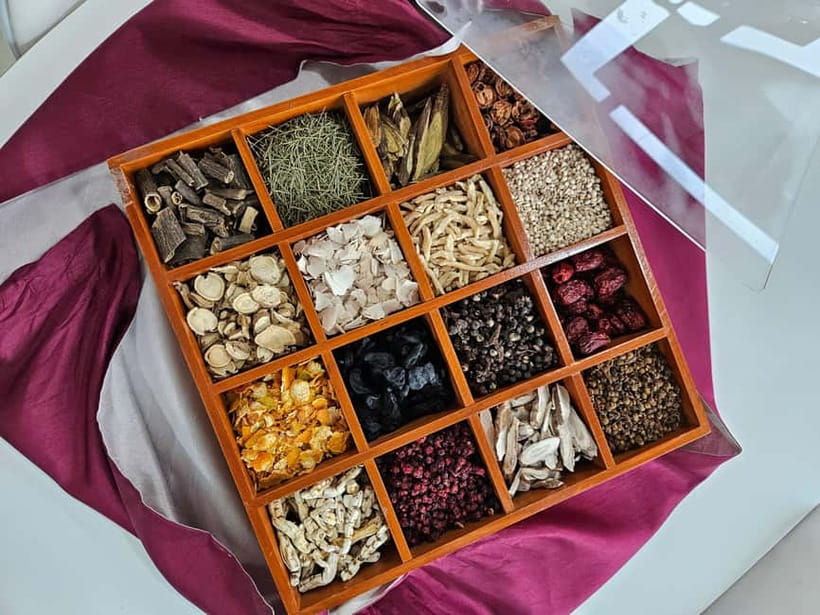
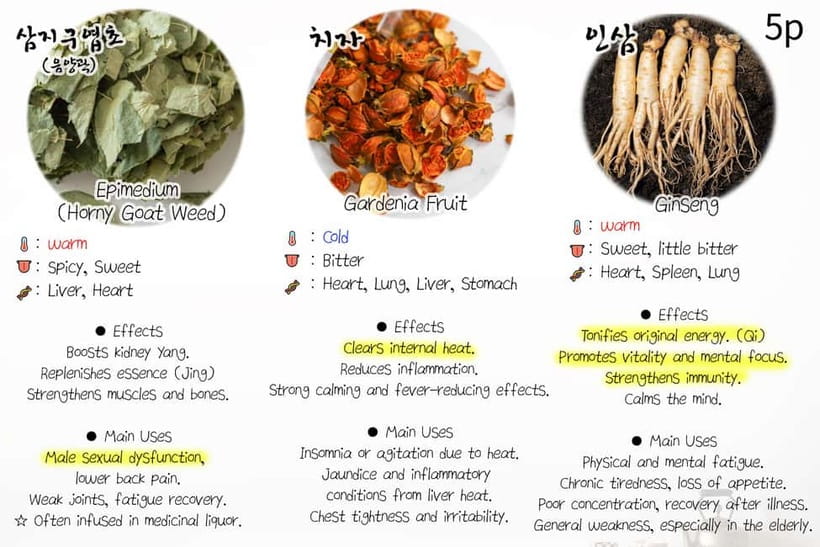
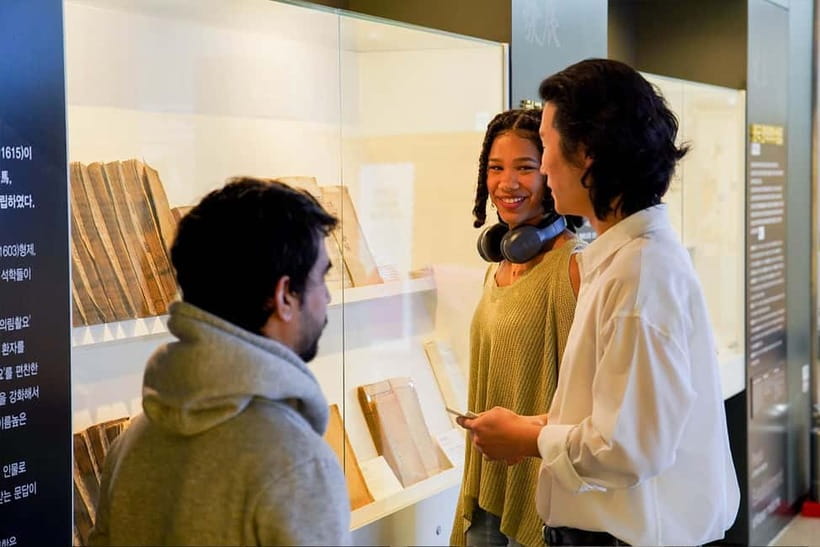
The heart of the tour is the Oriental Medicine Museum visit with a han medicine expert guide. The collection is described as huge, with over 350 kinds of medicine, including well-known ingredients like ginseng, and more unusual categories like mineral medicines, herb roots, and even animal medicines.
This is where you learn to look past “herb shopping” and start seeing a framework. Korean oriental medicine often groups materials by how they’re used and what effects they’re believed to have, plus how practitioners think about the body as a system. Seeing that logic in a museum setting makes it easier to understand why tea can be treated like a form of care rather than just a beverage.
A key detail from the experience: museum text can be mostly in Korean. If your Korean isn’t strong, don’t worry, but do plan to use your phone translation. The guide may encourage you to translate and ask questions when you get stuck, instead of providing perfect English for every sign.
Foot spa or meridian massage: included bodywork with seasonal timing
After the museum portion, the included wellness activity depends on the season:
- In summer (March to November), you’ll enjoy a foot spa
- In winter, you’ll receive a meridian massage
This choice is smart because it matches comfort and timing. A foot spa tends to feel natural in warmer weather, while meridian massage aligns with the idea of warming and balancing the body in colder months.
The biggest practical benefit: you don’t have to schedule this yourself. The museum visit and the bodywork are part of one package, which makes the experience feel complete rather than fragmented.
Also, from what I’d pay attention to, this bodywork is included in the museum entry ticket. So when you compare this tour with other Korean medicine experiences, you’re not paying extra for the “feels-good” part.
The K-medi lecture: theory you can connect to self-care
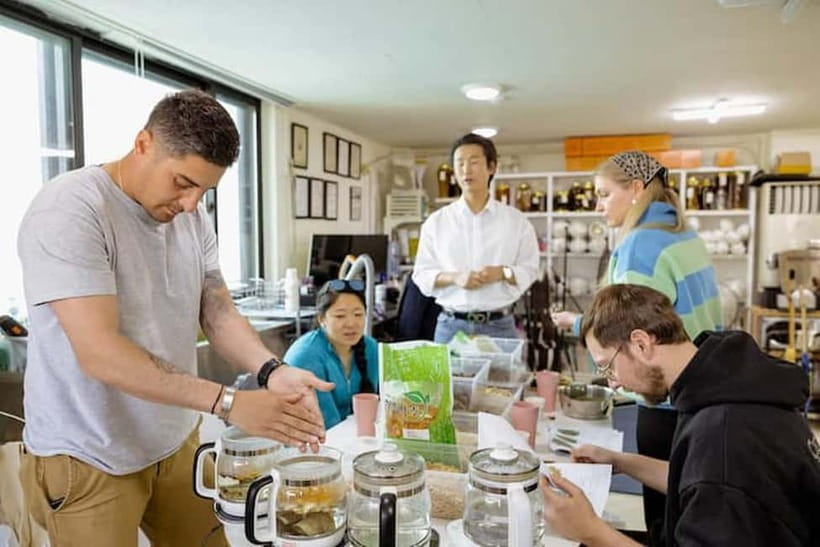
Following the museum and included treatment, you move to a lecture portion. You’ll listen to a lecture that introduces han medicine and autotherapy—the idea that you can support your health using approachable practices.
Even if you’re not trying to become a practitioner, this is where the tour becomes more than entertainment. You’ll hear the thinking behind herbal medicine and why people in Korea treat it as a practical health option. The tour’s overall tone is meant to give you a new perspective: not just what herbs exist, but how people connect them to everyday care.
This also explains why the final tea-making isn’t just a craft activity. It’s positioned as part of a larger system—learning how to choose and combine.
Making your own herbal tea: the part you’ll remember
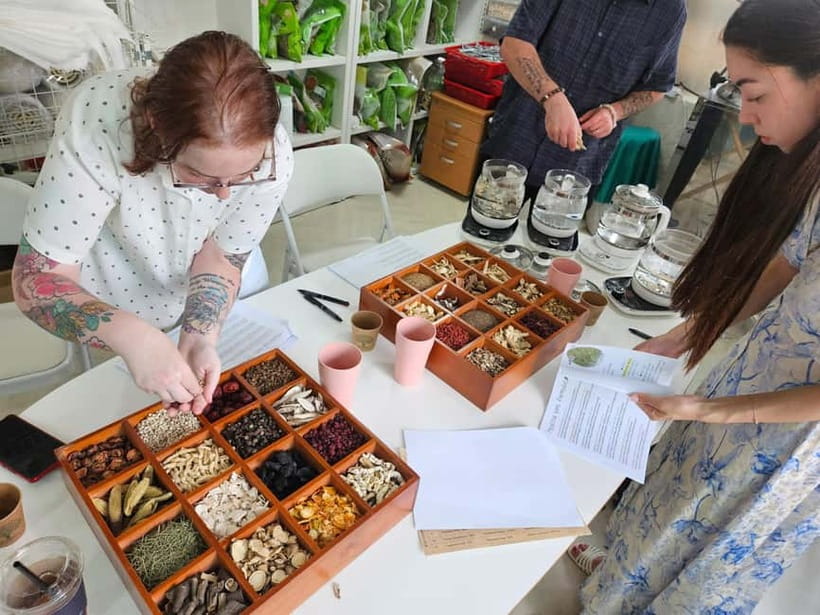
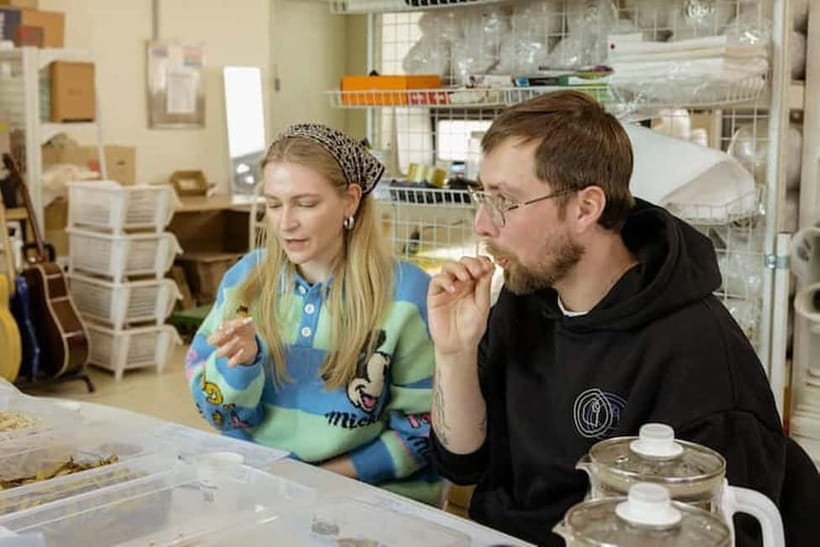
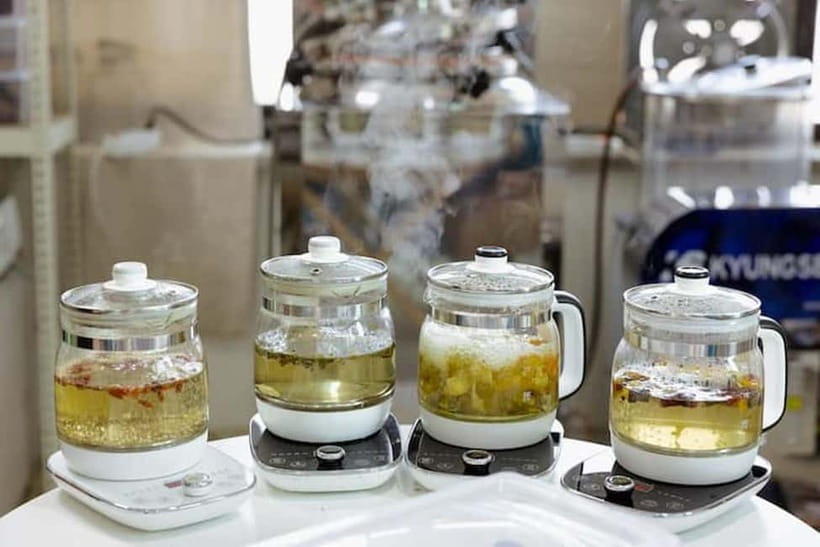
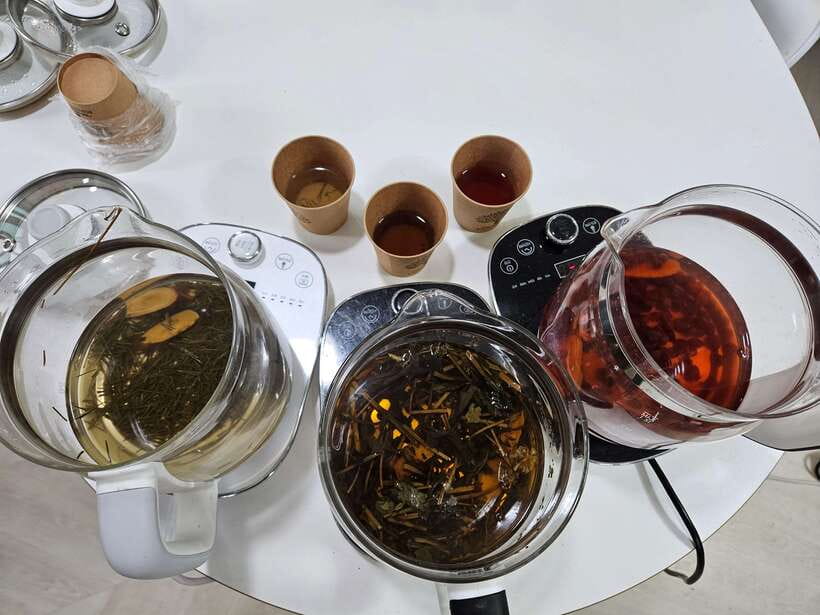
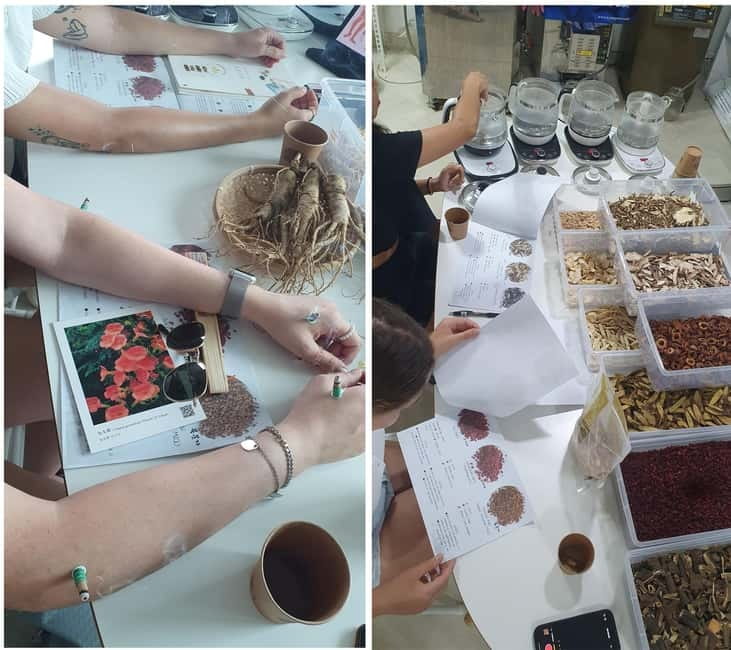
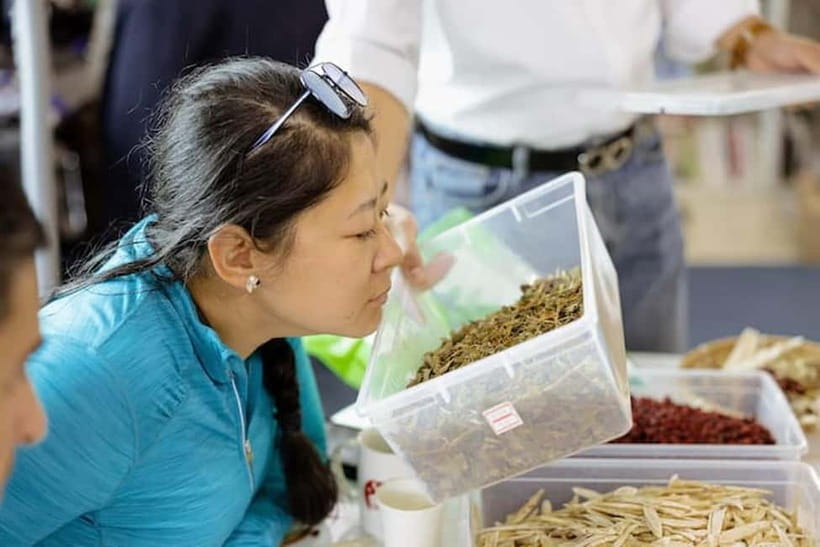
The final class is a tea-making session where you create your own herbal tea blend. You also get to try different herbal teas and drink options during the class.
This is one of the strongest reasons to book. Taste is how you build memory. When you can make your own bottle, the tour stops being a one-time story and becomes something you can repeat.
You’ll also receive a bottle to take the tea home, and there are additional herbs presented by the host that you might want to take a closer look at. That means you can leave with a practical next step, not just a souvenir.
If you like food-and-drink workshops, this one fits that category. If you prefer wellness experiences, it still works, because the tea is framed as a tool in the broader world of oriental medicine.
The guide experience: English support, but use translation as backup
This is a live-guided tour with Korean and English support. Your host is listed as Heojunoppa, and the overall approach is friendly and engaged.
One caution from the experience: English support may not be complete at every museum label. In at least one case, the guidance was to use your phone to translate, and you were encouraged to ask questions if needed. So treat this as a bilingual tour with real conversation time, not as a fully English, sign-by-sign museum script.
How to make that work smoothly:
- Bring your phone fully charged.
- Have a translation app ready.
- Prepare 1 or 2 questions about herbs or body care so you get more out of the guide’s expertise.
Itinerary flow: how the stops work together
Here’s the overall rhythm, with why it’s structured this way:
1) Start at the museum area / Seoul K-medi Center
You get tea right away and ease into the subject.
2) Guided time with an expert at the center, plus shopping
You learn the basics and set expectations before going deeper.
3) Tea class location (72-2) for the main workshop
This is where you turn ideas into your own blend.
4) Return to the meeting point
The tour is built to finish where you started, which keeps logistics easy.
The value of this structure is that it reduces “dead time.” You’re rarely waiting around with no context. Each stage adds a layer: collection → theory → taste → make-and-take.
Price and value: why $51 can make sense
The price is listed at $51 per person for a 3-hour experience in a small group (up to 10). That’s not an ultra-cheap activity, but it also isn’t a high-end spa day.
What you’re paying for, specifically:
- A museum entry ticket that includes foot spa or meridian massage
- An expert guide
- A lecture on han medicine and autotherapy
- A tea welcome drink and included tea/drinks
- A bottle you can take home
- Herbs presented as part of the session
If you’re comparing to typical “museum only” tickets, the bodywork and workshop push this into a more hands-on category. If you’re comparing to “tea workshops only,” the museum and lecture provide context so the tea-making feels like part of a health story.
The one cost factor to plan for: herbs you buy aren’t included. So if you’re the type who always ends up purchasing, budget a little extra.
Who should book this tour
I’d strongly consider booking if you want:
- A hands-on introduction to Korean herbal medicine (tea plus treatment)
- A small-group experience where you can ask questions
- A chance to learn self-care ideas through a simple, wearable routine like tea
It may be less ideal if:
- You want strictly English interpretation for every museum label
- You’re mainly looking for a casual photo stop instead of structured learning
- You’re not comfortable with the idea of bodywork (foot spa/meridian massage), even though it’s included
Quick practical tips before you go
- Expect Korean signage in the museum, so bring a translation tool.
- Plan for a sensory workshop: you’ll taste multiple teas.
- If you’re curious about bringing tea home, this tour is built for it thanks to the included bottle.
- Wear comfortable shoes, especially if you’re doing a foot spa portion.
Should you book this Korean herbal tea & Korean medicine tour?
If you want a short, structured introduction that mixes museum learning, seasonal bodywork, and tea-making you can take home, this tour is a solid pick for the price. The small group size helps you get more out of the guide, and the workshop ending makes the experience feel practical rather than purely educational.
Book it if you enjoy wellness experiences that explain the logic, even if you’re not trying to adopt the practice fully. Skip it if you need every museum detail explained in perfect English, because the experience may rely on translation help on your end.
FAQ
What does the tour include?
It includes a guided tour with a han medicine expert, museum entry (including either foot spa or meridian massage), a welcome herbal tea, an oriental medicine lecture, herbal tea and drinks during the class, a bottle you can take home, and herbs presented by the host.
How long is the tour?
The duration is listed as 3 hours.
Is foot spa included, or is it massage?
It depends on the season. Foot spa is included from March to November, and meridian massage is included in winter.
How big is the group?
The group is small, limited to 10 participants.
What languages are offered?
The tour is offered in Korean and English, with a live tour guide.
Where do you meet and where does the tour end?
You meet in front of the museum entrance, and the tour ends back at the meeting point.
Do I get to make tea to take home?
Yes. You can make your own herbal tea, and you receive a bottle to take the tea home.