REVIEW · TOKYO
Authentic Japanese tea tasting: sencha, matcha and gyokuro
Book on GetYourGuide →Operated by Okawari Inc · Bookable on GetYourGuide
Tea can be a whole Tokyo lesson. This 90-minute Japanese tea tasting in a downtown apartment turns sencha, matcha, and gyokuro into a clear, step-by-step flavor education you can carry home.
I love the tight small-group setup (limited to 4), which keeps the talk practical instead of rushed. And I like that you get a real range of grades, from daily tea to premium hand-pick tea, so the differences feel obvious, not mysterious.
One consideration: at $87 per person, it’s more workshop than casual snack stop. If you just want one or two teas with no need for comparisons or history, you may feel the price is bigger than your goal.
In This Review
- Key Highlights Before You Go
- Why This Tea Tasting in Downtown Tokyo Works
- The Lineup: 7 Sencha, 4 Matcha, 1 Premium Gyokuro
- How the Tea Expert Teaches You to Compare Cups
- Sencha: Where You Notice the Leaf in the Cup
- Matcha: Four Powders, Four Different Personalities
- Gyokuro: The One Premium Cup You Should Treat Like a Finale
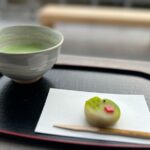
- The Sweet Pairing: Japanese Confectionary Meets Matcha
- Duration and Group Size: Why 90 Minutes Feels Just Right
- Price and Value: What $87 Really Buys
- Who Should Book (and Who Should Skip)
- How to Find the Place Without Stress
- Should You Book This Japanese Tea Tasting?
- FAQ
- How many teas do you taste during the 90-minute session?
- What teas are included in the tasting?
- Is there food included with the tea?
- How big is the group?
- Is the workshop taught in English?
- Where do you meet?
- Who is this experience not suitable for?
Key Highlights Before You Go
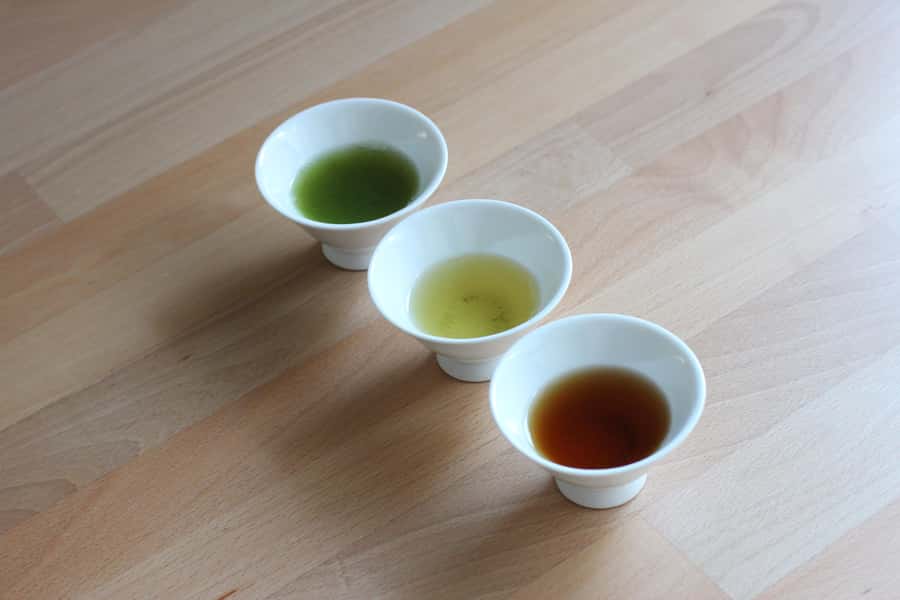
- 12 tea tastings: 7 sencha, 4 matcha, and 1 premium grade gyokuro
- Family-farm sourcing: all teas come from family farms
- Story + practice: you learn the history of Japanese tea and how it evolved
- Tea expert guidance: each infusion is done in an appropriate way so you can compare fairly
- Sweet pairing: Japanese traditional confectionary paired with matcha green tea powder
- Downtown Tokyo, cozy room: an apartment setting that keeps the session calm and focused
Why This Tea Tasting in Downtown Tokyo Works
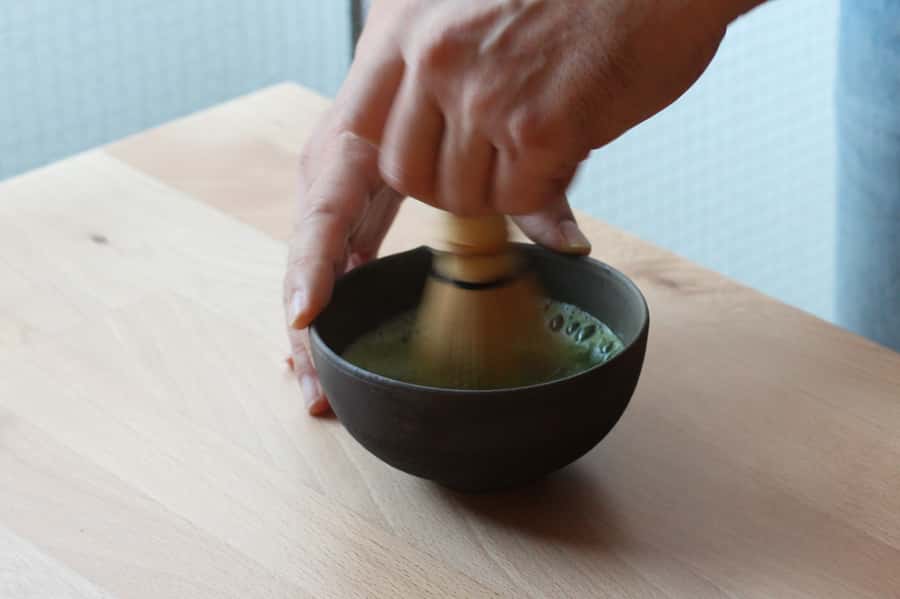
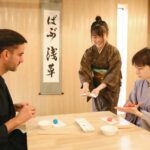
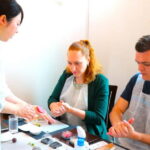
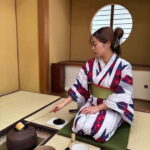
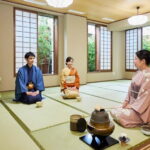
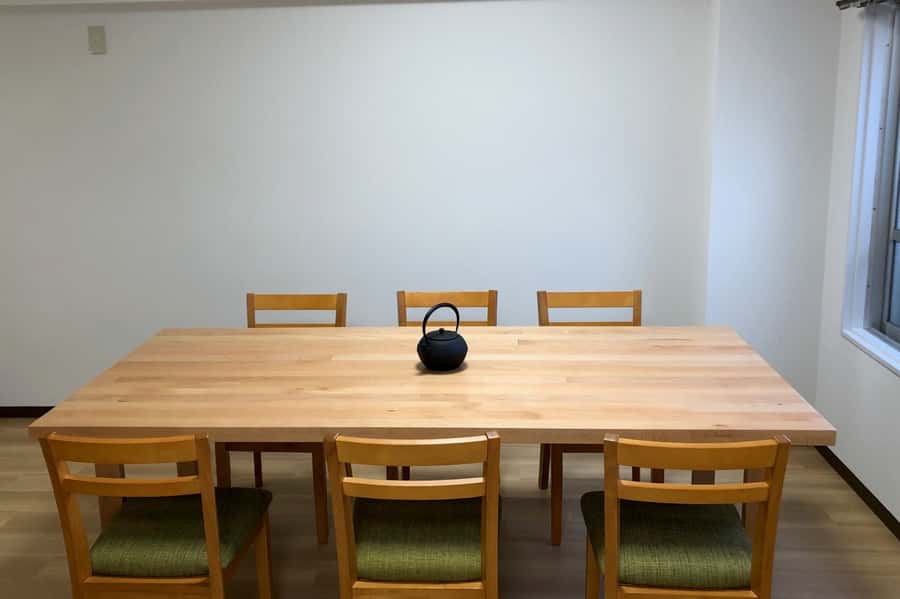
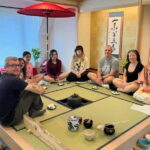
This is not the kind of tea experience where you sit quietly and hope you remember everything later. The format is built around tasting, comparing, and learning at a steady pace. You’re doing it in a cozy apartment room in downtown Tokyo, so the vibe feels like a small welcome into someone’s world, not a formal show.
The small group is a big deal. With only up to 4 participants, you’re more likely to ask questions and get direct answers. That matters when you’re tasting a lot of teas in a short session. You don’t want a crowded room where you only catch half the instructions and miss the little moments that explain why one cup tastes different from the next.
You’ll also appreciate how relaxing the session is supposed to feel. The whole point is to slow down and focus on flavor depth and aroma, not to speed-run through culture. After a day of Tokyo movement, this kind of calm reset can be a lifesaver.
You can also read our reviews of more tours and experiences in Tokyo.
The Lineup: 7 Sencha, 4 Matcha, 1 Premium Gyokuro
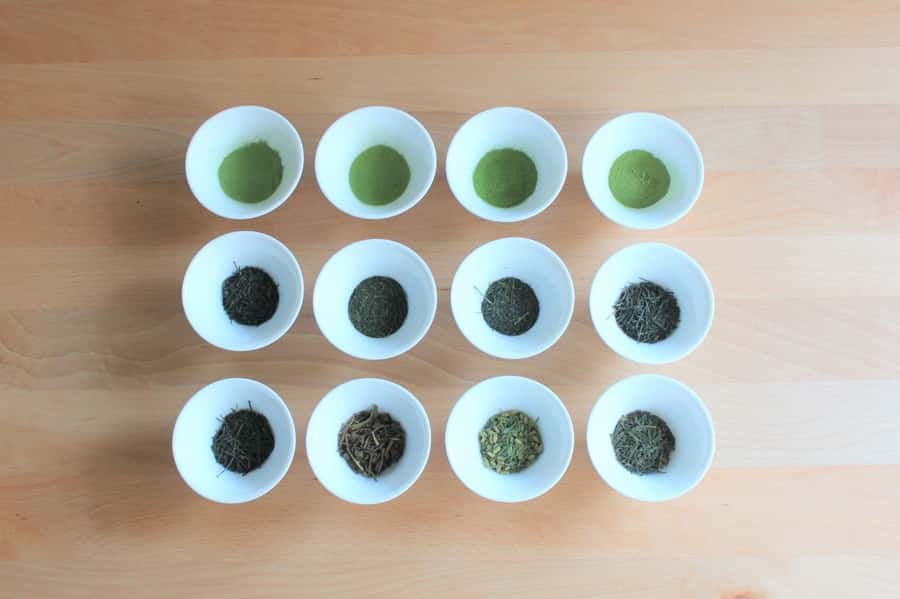
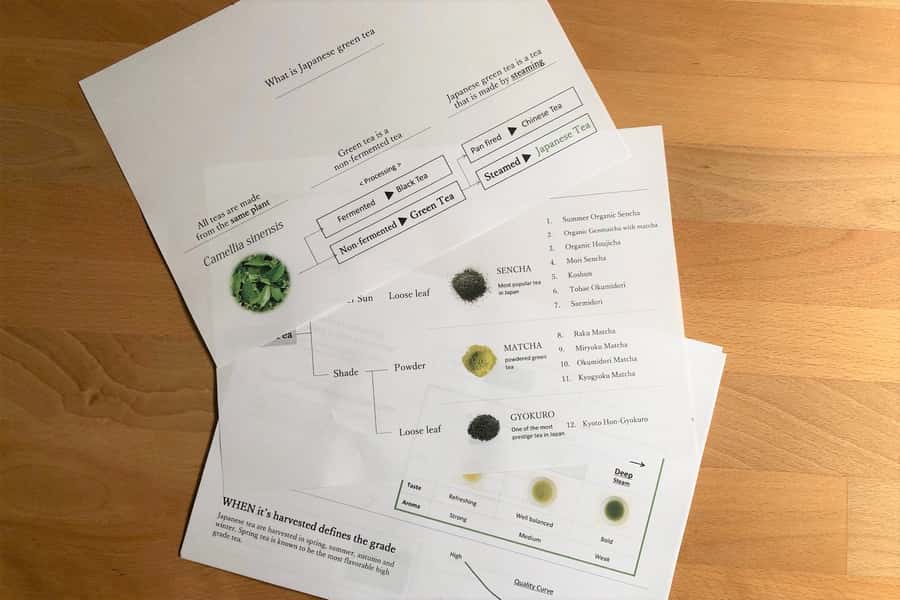
The tasting is structured around three main styles, with a total of 12 different types of tea. You’ll sample:
- Sencha green tea: 7 types
- Matcha green tea powder: 4 types
- Premium grade Gyokuro green tea: 1 type
That spread is smart. Sencha gets the most airtime, matcha is given enough variety to notice differences, and gyokuro gets treated like a special guest. If you’re hoping to understand how each style behaves in the cup, the ratio makes the contrasts easier to track.
One of the best practical aspects here is the inclusion of different grades. You’re tasting a range from daily tea to premium hand-picked tea. That’s where the workshop stops being theoretical. You can taste what quality changes feel like—how the leaf (and the resulting cup) can shift the balance of flavor, not just the intensity.
You should expect a strong emphasis on umami. The experience is geared toward savoring that deep Japanese tea taste. If you enjoy savory flavors more than sweet ones, this session is built for you. Even if you don’t know what you like yet, the tasting variety helps you figure it out fast.
How the Tea Expert Teaches You to Compare Cups
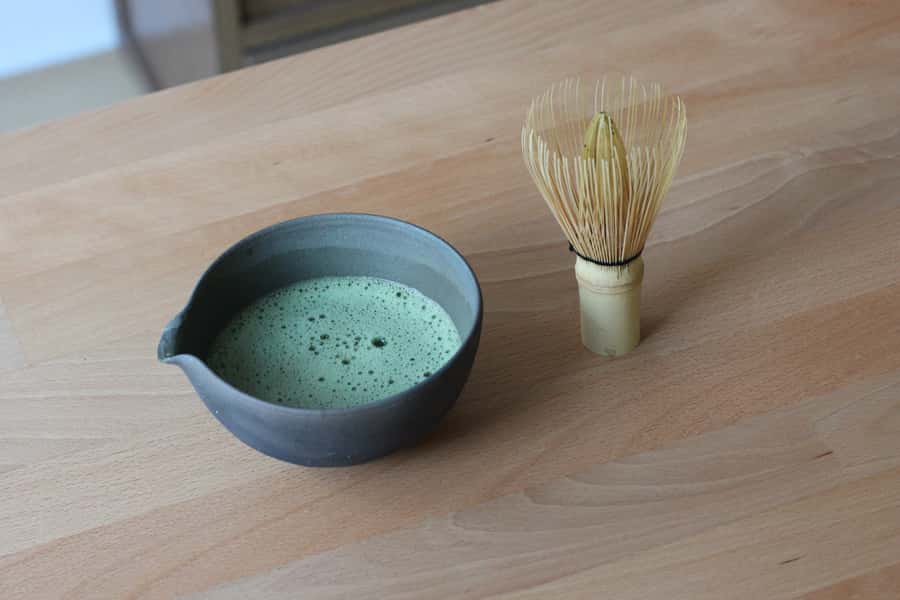
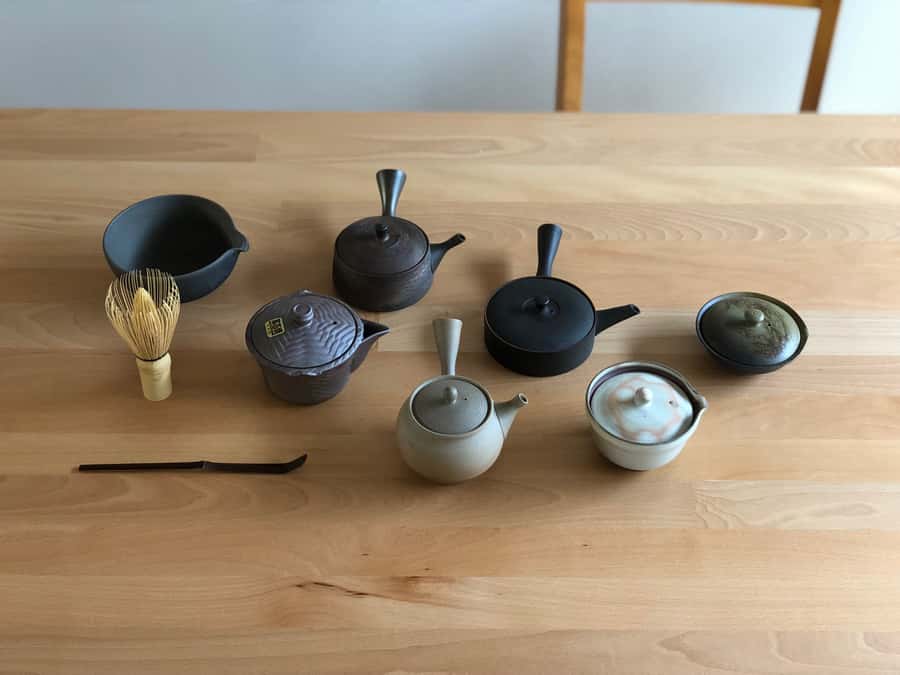
This isn’t just about drinking. It’s about learning how tea is infused and how to taste with purpose. A tea expert guides the process and infuses each tea in an appropriate way. That sounds simple, but it’s key. If every cup isn’t made consistently, comparisons become guesswork.
You’ll also learn the story and background behind Japanese tea, including how it evolved. The point isn’t to recite dates. It’s to understand why these tea styles matter and how they relate to Japanese culture and daily life. When you know the context, the flavors make more sense in your head.
In a session like this, your best move is to stay curious and ask questions as you go. With 12 tastings packed into 90 minutes, the answers help you link what you taste to what you learn. And because you’re tasting multiple senchas and multiple matchas, you’ll start noticing patterns—how one style leans a certain way, and how a higher grade shifts the result.
Also, the host’s English instruction is a real comfort factor. You’re not trying to decode tea explanations through language gymnastics while your cup cools down.
Sencha: Where You Notice the Leaf in the Cup
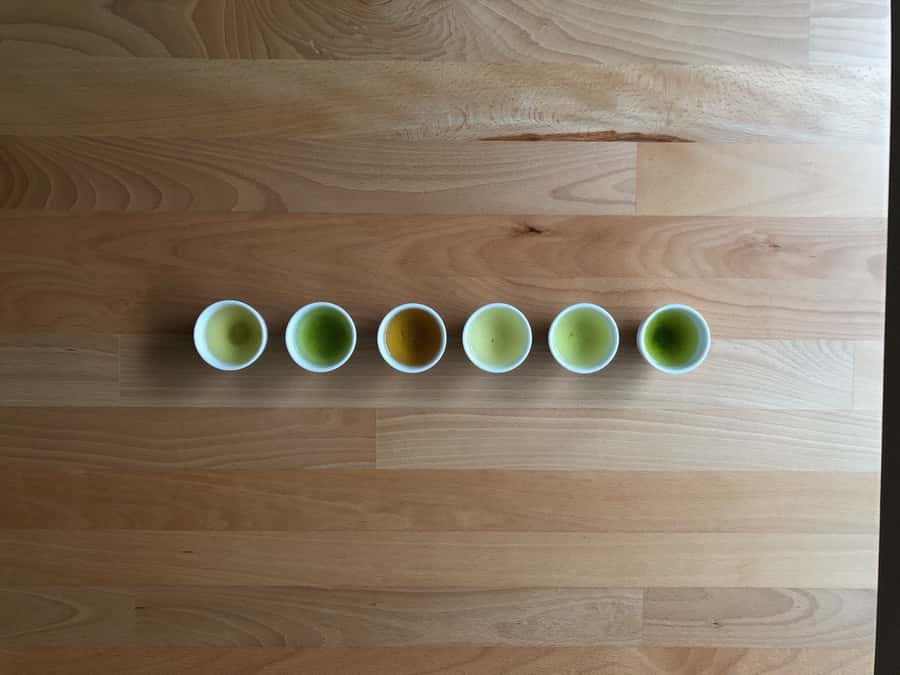
Sencha is often the gateway tea for a lot of people, but in this tasting you don’t get one default sencha. You taste 7 types. That means you can do something more useful than saying you either like sencha or you don’t. You can start sorting by what you notice: body, aroma, and the way the finish lingers.
What I’d look for during the sencha part is consistency versus change. Since the infusion method is guided, differences should come through. That makes it easier to tell what’s a genuine shift in tea type and grade, and what’s just a temperature or timing issue.
If you’re the type who buys tea without reading the label, this section can be an eye-opener. It teaches you what to pay attention to when you see options back home.
Matcha: Four Powders, Four Different Personalities
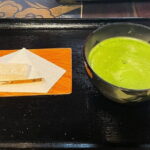
Matcha is the star of the workshop’s second phase. You’ll taste 4 types of matcha green tea powder, and you’ll also pair matcha with Japanese traditional confectionary.
This pairing is more than an added snack. It’s a smart way to understand matcha’s flavor impact. Matcha doesn’t just taste like tea; it can feel earthy, savory, and sometimes more “rounded” than people expect. When you combine it with a sweet, you’ll notice how sweetness either softens or highlights those umami notes.
When you taste multiple matchas, you can also compare how powder type and grade can change the cup. Some matchas will feel more bold, others more balanced. The guided infusion matters here too, because matcha’s outcome depends on preparation.
If you’re considering buying matcha after this, pay attention during the tasting to what you enjoy with and without sweetness. That gives you a practical buying rule, not just a vague preference.

Gyokuro: The One Premium Cup You Should Treat Like a Finale
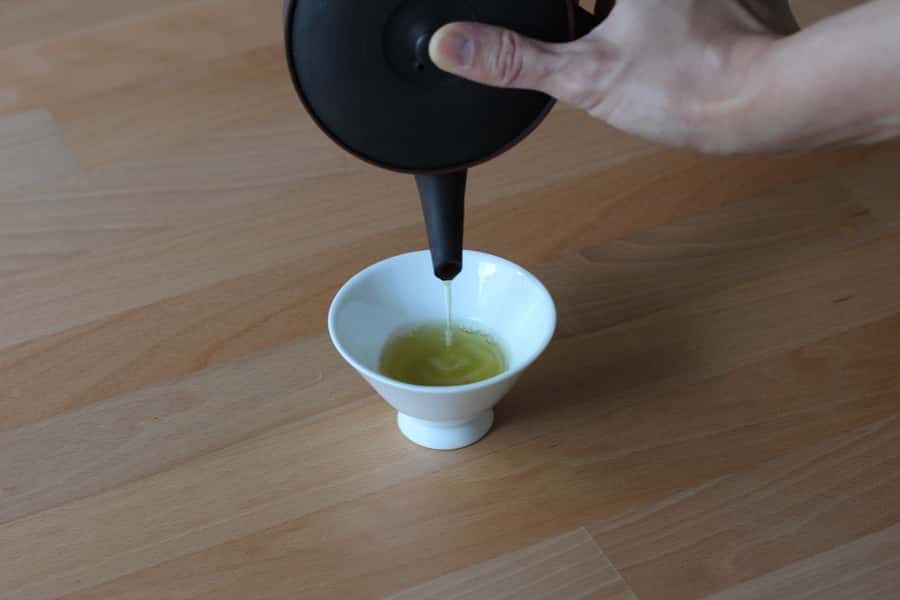
Gyokuro is included as one premium grade gyokuro green tea. That “one cup” approach is intentional. It works like a finish line. After the range of sencha and matcha types, you get a clear moment to experience what premium quality can feel like in a distinct style.
Because there’s only one gyokuro, you don’t dilute the impact by comparing too many options in that category. Instead, you focus on the cup itself. You’ll probably want to slow down here. Take your time with the aroma and don’t rush the sip.
If you love “serious” tea, gyokuro is the part that can convert you. Even if you’re not sure what you’re chasing, the premium grade inclusion gives you a strong reference point.
The Sweet Pairing: Japanese Confectionary Meets Matcha
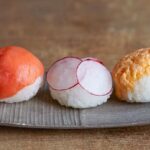
The workshop includes small portions of Japanese traditional confectionary paired with matcha green tea powder. This matters because it trains your palate. Tea tasting is easier when you can compare tea alone versus tea with a partner flavor.
Think of it as a real-world test. A lot of people drink tea alongside snacks or desserts, even if they don’t realize it. By pairing matcha with confectionary, the experience helps you understand how matcha can work beyond plain sipping.
If you have a sweet tooth, you’ll probably enjoy this part a bit more. If you prefer savory flavors, you may still like it because the umami taste can feel deeper when it meets the right sweetness.
Duration and Group Size: Why 90 Minutes Feels Just Right
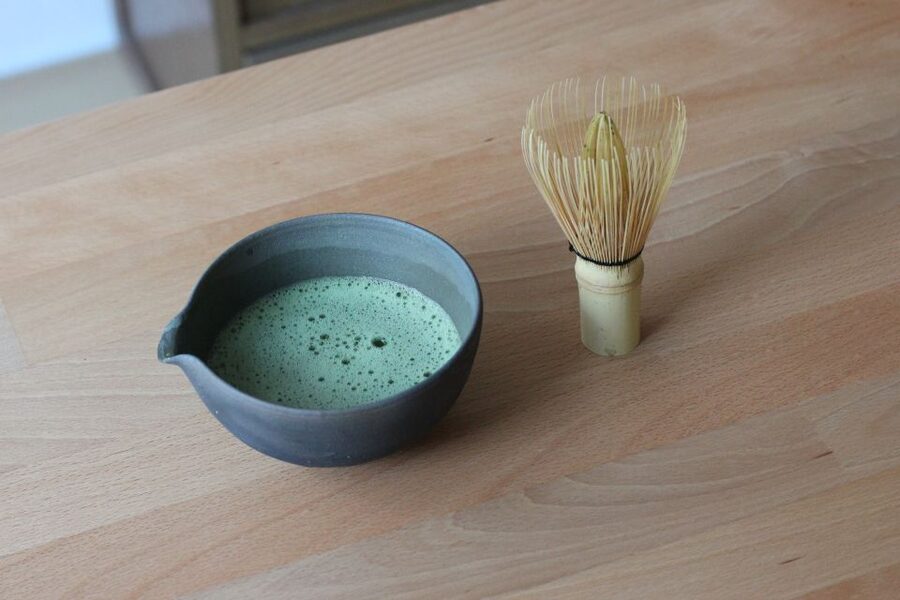
You’re in the session for 90 minutes, and the group is limited to 4 participants. That combination is practical. You get enough time to taste all 12 teas and still get explanations and learning points without the feeling of being herded along.
The pacing also helps you remember differences. If the session were shorter, you might blur similar cups together. If it were longer and more crowded, you’d fatigue. Here, the small group and 90-minute window keep it mentally sharp.
English instruction is another practical win. You can ask follow-up questions without translating in your head. That makes the history and tasting guidance feel more usable.
Price and Value: What $87 Really Buys
At $87 per person, you’re paying for more than tea. You’re paying for:
- 12 tastings across three tea styles
- guided infusion and tasting structure
- history and background on how Japanese tea evolved
- a sweet pairing with matcha
- an apartment setting in downtown Tokyo
- an English-speaking instructor in a small group
So the question isn’t just whether the price is high or low. It’s whether you’re getting “enough cups and enough explanation” to make it feel worth your time.
For me, this price makes sense when you’re the type who wants to learn, not just taste. The range of sencha, multiple matchas, and premium gyokuro gives you a tasting framework. And the family-farm sourcing plus guided preparation helps the comparisons feel fair, which is the whole point of a tasting workshop.
If you’re only casually curious about green tea and you already know you’ll like one style, you might find less value. But if you want to come away with a sharper sense of what you actually enjoy and what quality looks like in a cup, this workshop is priced like education with taste included.
Who Should Book (and Who Should Skip)
This experience is a strong fit if you:
- like green tea and want to compare styles properly
- enjoy learning through doing, not just listening
- want a calm, guided activity in downtown Tokyo
- plan to buy tea later and want better taste instincts
It’s also not the right fit if you:
- are pregnant (not suitable)
- are under 18 (not suitable)
If you’re traveling solo or with one companion, the small-group limit still keeps the atmosphere focused. If you like chatty tours, this one should feel friendly because it isn’t designed for a big crowd.
How to Find the Place Without Stress
Your meeting point is at the apartment entrance. The instructions are specific: push 202 and the bottom right button. That’s the kind of detail that prevents a lot of wasted time at street level.
Plan to arrive a few minutes early so you can settle in calmly. In a setting like this—cozy, apartment-based—being on time helps the session start smoothly.
Should You Book This Japanese Tea Tasting?
If your goal is to learn the difference between sencha, matcha, and gyokuro through actual tastings, I think this is an easy yes. The 12-tea structure, the grade range from daily to premium, and the matcha pairing all support real understanding instead of vague impressions.
Book it if you want a relaxing, English-friendly workshop in downtown Tokyo with a tea expert guiding how each cup is infused. Skip it only if you’re looking for a quick caffeine stop or you already know exactly what you want and don’t care about comparisons, history, or premium grading.
FAQ
How many teas do you taste during the 90-minute session?
You taste 12 different types of authentic Japanese tea: 7 sencha green teas, 4 matcha green tea powders, and 1 premium grade gyokuro green tea.
What teas are included in the tasting?
The tasting includes sencha green tea, matcha green tea powder, and premium grade gyokuro green tea.
Is there food included with the tea?
Yes. You pair the matcha green tea powder with small portions of Japanese traditional confectionary.
How big is the group?
The group is limited to 4 participants.
Is the workshop taught in English?
Yes, the instructor teaches in English.
Where do you meet?
You meet at the apartment entrance. Push 202 and the bottom right button.
Who is this experience not suitable for?
It is not suitable for pregnant women and children under 18 years.