REVIEW · TOKYO
Tokyo: Tea Ceremony & Japanese Sweets Making
Book on Viator →Operated by Local Guide Stars · Bookable on Viator
Matcha you whisk yourself tastes different. This Tokyo workshop pairs a calm, traditional tea ceremony with hands-on matcha prep, then adds a creative twist: you design and make your own seasonal Japanese sweet to go with it.
I love the hands-on matcha practice, not just watching from the side. I also like that you get a guided seasonal sweets-making moment you can actually shape with your own choices.
One consideration: the whole experience is about 1 hour, so if you want a super long, slow tea ritual, this is more of a focused taste-and-skill session than an all-evening deep dive.
In This Review
- Key things to know before you go
- A calm, hands-on Tokyo tea ceremony (not just a show)
- Where the workshop meets you in Hakusan (and how to plan)
- Learning the otemae-style rhythm step-by-step
- Brew your own matcha: the part you’ll remember
- Designing seasonal Japanese sweets to match your cup
- What you’ll take away (beyond the photo moment)
- Group size and timing: why those details matter
- Price and value: is $32.58 worth it?
- Who should book this matcha and sweets workshop
- Should you book? My practical recommendation
- FAQ
- How long is the Tokyo tea ceremony and sweets making experience?
- Is the experience guided in English?
- How many people are in the group?
- Where do I meet the guide?
- What will I do during the workshop?
- Will I receive a mobile ticket?
- What is the cancellation policy?
Key things to know before you go
- 10+ years of tea mastery teaching you how matcha is made and served
- Otemae-style demonstration, followed by your own practice steps
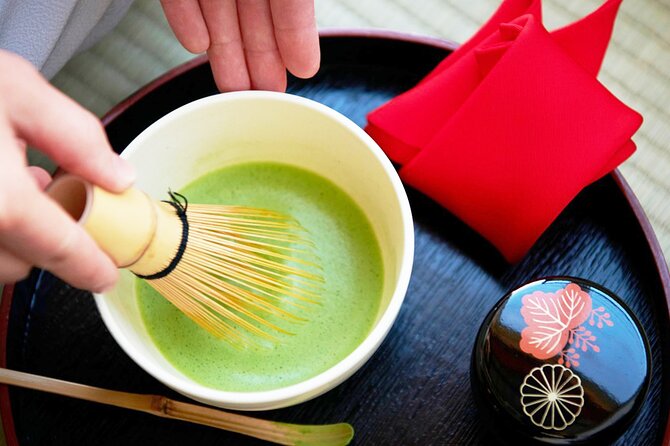
- Brew your own matcha and taste the difference you create
- Craft seasonal Japanese sweets alongside the tea ceremony experience
- Clear English guidance from an expert host, with a small group setup (max 10)
A calm, hands-on Tokyo tea ceremony (not just a show)
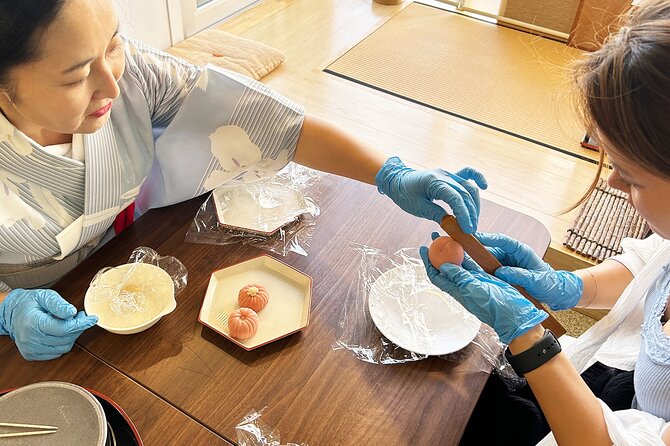
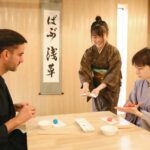
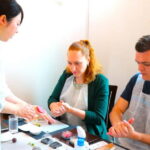
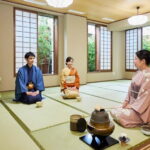
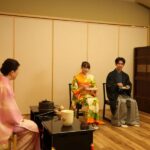
Tokyo tea ceremonies can feel like museums if you only watch. Here, the value is that you do real work with the tools, then taste what you made. You’ll see the formal flow of an otemae-style demonstration, and then you’ll repeat key motions yourself so the ritual becomes something you understand in your hands, not just your head.
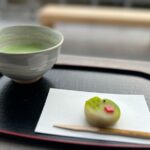
What makes this especially appealing is the pairing. Matcha isn’t just a drink; it’s the flavor “platform” for the sweets. When you make a Japanese sweet yourself and then taste it with your own matcha, you learn how balance works in real time: bitterness, sweetness, and texture all meeting in one sitting.
You can also read our reviews of more tours and experiences in Tokyo.
Where the workshop meets you in Hakusan (and how to plan)
The meeting point is in Bunkyo City’s Hakusan area, at VaLerio LuanaJapan (Dietary Japanese food-themed personal training gym), 2nd floor. It’s listed as being near public transportation, which matters because you don’t want the day to start with a stressful hunt.
Because this is only about an hour, you’ll want to arrive a little early. Small-group workshops tend to run on time, and tea prep is the kind of thing that doesn’t like rushed starts. If you’re using transit, leave buffer time to get upstairs and settle before the session begins.
Learning the otemae-style rhythm step-by-step
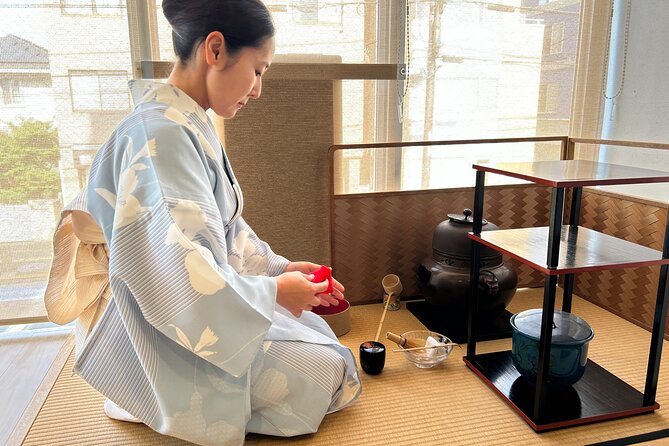
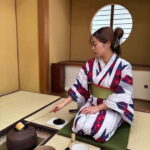
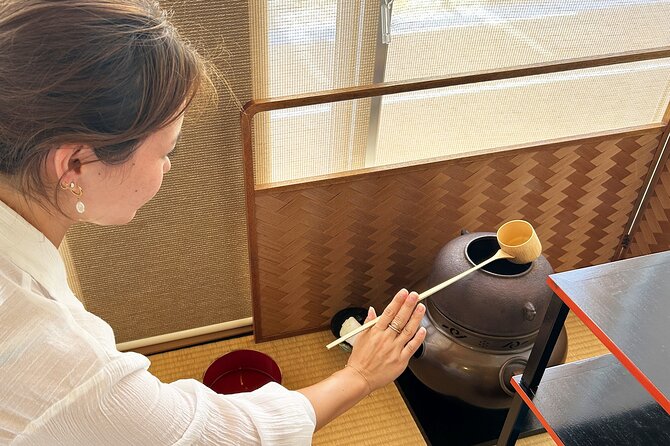
A traditional tea ceremony has a tempo. Even without a long lecture, you’ll understand the structure: preparing the space, handling utensils with care, and following the order of actions that leads to the final cup.
In this workshop, the format is built around a demonstration first, then your practice. That’s the smarter way to learn. You get the “why” of each step by watching it happen once in full, and then you can copy and correct yourself while you’re making matcha.
The mood is also part of the experience. From the way the session is described, it’s meant to feel peaceful, not performative. For me, that’s a big deal in Tokyo, where “authentic” can sometimes mean crowded. A small group format keeps it personal and calm.
Brew your own matcha: the part you’ll remember
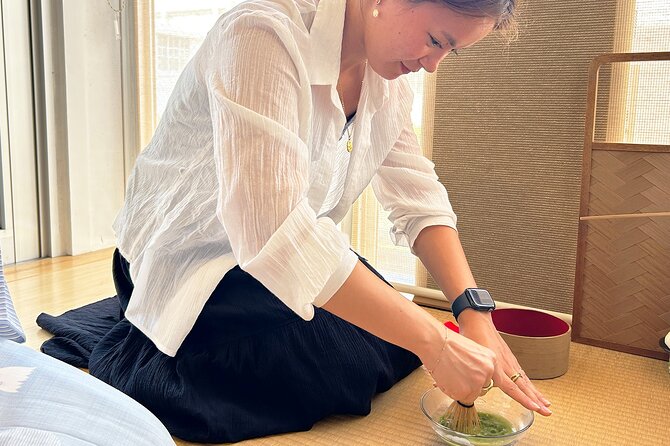
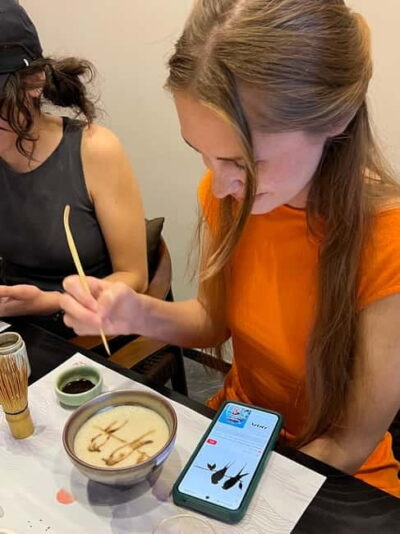
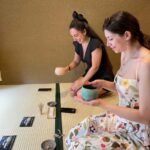
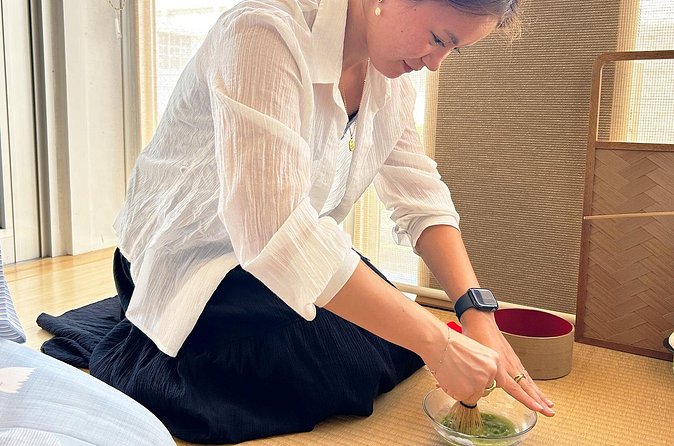
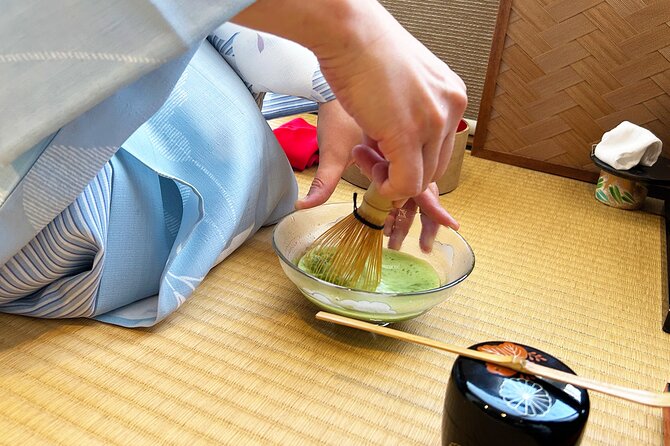
This is the main event: you’ll make matcha yourself, guided by a tea master with 10+ years of experience. The host provides clear English throughout, which helps you avoid that common travel feeling of nodding along while half guessing what’s supposed to happen.
Practically, what you’re aiming for is a matcha cup that reflects your technique. Matcha is sensitive to how it’s mixed and handled. When you brew it yourself, you start noticing things you’d never catch from a menu description alone: how the texture changes, how quickly the flavor opens up, and how the cup feels in your mouth.
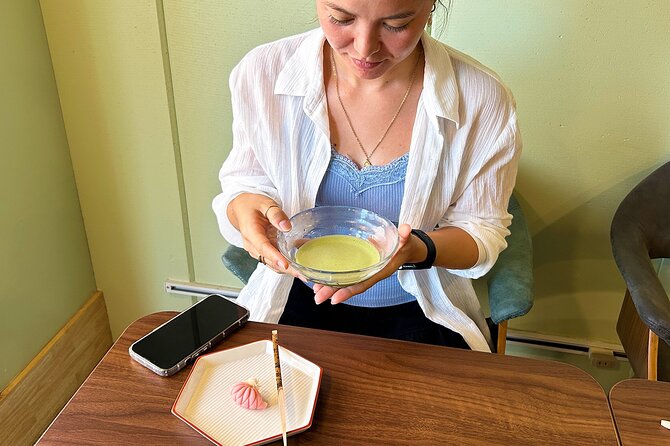
Then you taste. That’s when learning clicks. Instead of matcha being a generic green powder drink, it becomes your green powder drink, made by your own motions, and understood by the way it lands on your palate.
Designing seasonal Japanese sweets to match your cup
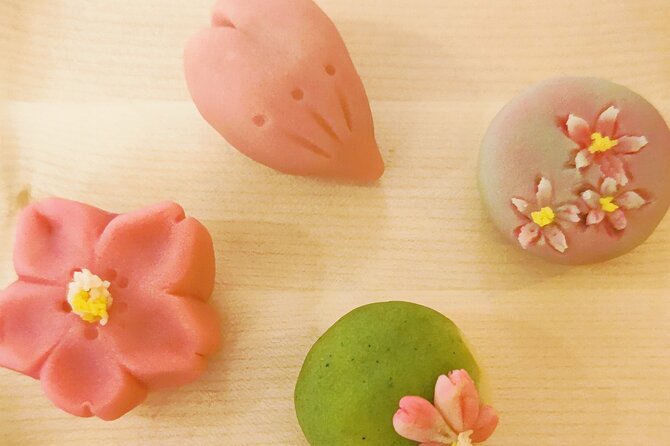
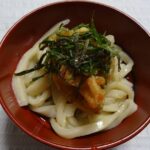
After (or alongside) the tea portion, you’ll craft seasonal Japanese sweets. The point here isn’t just to make something edible. It’s to learn the relationship between the sweet and the tea.
Seasonal sweets are designed to fit particular times of year and specific flavor textures. In a workshop like this, you don’t just eat a fixed dessert. You create it, so you get a better sense of how Japanese sweets are built around texture and balance, not just sweetness.
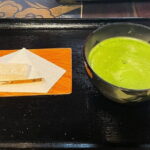
You’ll also get a taste connection: your sweet isn’t served afterthought-style. It’s paired with the matcha from your own session. That makes the experience feel complete, like tea and sweets belong together because you see it happen, cup to bite.

What you’ll take away (beyond the photo moment)
After a workshop like this, the most useful takeaway is technique awareness. You’ll leave with a clearer sense of what tea ceremonies emphasize: care in preparation, order in steps, and attention to the final cup. Even if you never recreate the full ceremony at home, you can still make better matcha and understand why.
You’ll also understand how sweets choices affect taste. If you’ve only ever had packaged desserts with tea, the workshop experience gives you a more intentional view: pairing isn’t random. It’s built.
And since the host guides everything in clear English, you’re not stuck translating in your head. That means you can actually remember details the next day.
Group size and timing: why those details matter
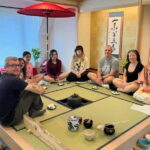
This activity caps at 10 travelers, which is exactly the right size for a hands-on workshop. Small groups let the host check what you’re doing and adjust your technique when needed. It also keeps the pace manageable for utensil-based steps and tasting moments.
Timing is about 1 hour (approx.). That short window is a pro if you’re short on time and want a meaningful cultural activity without a half-day commitment. It’s a con only if you’re looking for a long, slow ceremony with lots of background storytelling. Here, you’re there to practice and taste.
For many visitors, that balance is ideal: enough structure to feel like a real workshop, not so long that it drains your day.
Price and value: is $32.58 worth it?
At $32.58 per person, you’re paying for a guided, small-group, hands-on cultural activity that includes both matcha making and crafting a seasonal sweet. For Tokyo, that price feels like a solid value because you’re not just buying entry. You’re paying for instruction time from a tea master and for the materials and tasting involved in the experience.
The real “value” question is whether you prefer doing over observing. If you like making things, learning technique, and then tasting immediately, this price makes sense. If you only want to watch a ceremony with minimal participation, you might want a different type of tour. This one is built around your hands, your cup, and your sweet.
Who should book this matcha and sweets workshop
I think this is a great fit if you:
- want a small-group experience that feels calm rather than chaotic
- like hands-on activities and learning by doing
- enjoy Japanese sweets and want to understand the pairing with matcha
- appreciate guidance in English so you can follow every step
It’s also a strong option for couples or solo travelers who want something authentic without needing a large tour group. If you’re traveling with someone who gets impatient with long cultural lectures, the practical format should keep things moving.
Should you book? My practical recommendation
Book it if you want an experience that mixes tradition with participation. The pairing of matcha making and seasonal Japanese sweets is the winning formula, and the small size (max 10) plus English guidance keeps it approachable.
Skip it if you expect a very long ceremony or you’re mainly interested in history lectures rather than technique and tasting. For most visitors, though, a focused hour where you make matcha and shape your own sweet is a smart use of time in Tokyo.
FAQ
How long is the Tokyo tea ceremony and sweets making experience?
It lasts about 1 hour (approx.).
Is the experience guided in English?
Yes. The workshop is guided in clear English by an expert host.
How many people are in the group?
The activity has a maximum of 10 travelers.
Where do I meet the guide?
Meet at VaLerio LuanaJapan, 2nd floor, 1-chōme2617 フィル・パーク 白山ヒルズ, Hakusan, Bunkyo City, 113-0001 Tokyo.
What will I do during the workshop?
You’ll brew your own matcha, watch an otemae demonstration, and craft seasonal Japanese sweets, then taste the matcha with your sweet.
Will I receive a mobile ticket?
Yes. A mobile ticket is included.
What is the cancellation policy?
You can cancel for a full refund up to 24 hours in advance of the experience start time (local time).