REVIEW · HANOI
Vietnam Tea Tasting – Giang Egg Coffee & Train Street Visit
Book on GetYourGuide →Operated by Go Asia Travel · Bookable on GetYourGuide
Tea, coffee, and a train schedule all in one morning. This small-group tea lesson plus Train Street viewing turns a simple stop into a hands-on morning you’ll remember. I especially liked the practical tea-brewing instruction (with a 4-step method) and the chance to taste green and red tea side by side; the possible drawback is that Train Street involves standing outside, so plan for crowds and sun.
The pace is friendly for 3 hours: you start at a tea house, learn how tea is classified and how to serve it, then you move on to the next star stop—either Giang egg coffee or the Train Street platform area. If you’re lucky, your English-speaking guide is the type that keeps things clear and relaxed; recent feedback has even called out guides like Anna and Thao for being especially helpful.
One more consideration: this tour runs in options, so double-check what you want most—Train Street or egg coffee first—because the afternoon option skips the train focus.
In This Review
- Key things to know before you go
- A 3-hour tea-and-train combo that feels like a real skill
- Tea House lesson: green tea, red tea, and a 200-year-old connection
- What you’re doing (not just watching)
- The 4-step brewing practice you can repeat at home
- Why this matters for you
- Train Street: watching the train pass, without the extra wandering
- Practical expectations
- Giang egg coffee tasting: the 1946-style classic
- How to get more out of the tasting
- Bun Cha lunch add-on: simple, flexible, and optional
- Who Bun Cha fits
- Which option should you choose: morning train, morning coffee, or afternoon?
- Option 1: Tea + Train Street (+ optional Bun Cha)
- Option 2: Tea + Giang egg coffee (+ optional Bun Cha)
- Option 3: Afternoon Tea + Giang egg coffee (+ optional Bun Cha)
- Price and logistics: where the $36 really goes
- Hotel pickup and meeting points
- Solo travelers note
- What to bring (and what to wear) so you don’t suffer for tea
- Who this tour suits best (and who might not)
- Should you book this Vietnam Tea Tasting + Giang Coffee + Train Street?
- FAQ
- What’s the total duration?
- How many people are in the group?
- Which teas are included in the tasting?
- Is egg coffee included?
- Do I have to include lunch?
- Will we go inside Ho Chi Minh complex?
- Where do I meet the guide?
Key things to know before you go
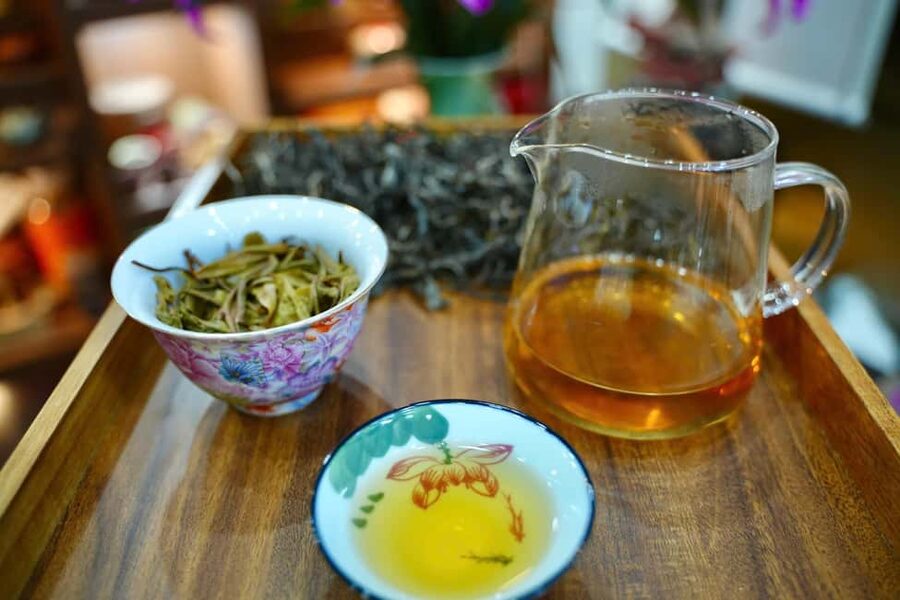
- Two tea styles, plus making your own tea: you taste green and red tea, then you’re taught to make 1 kind yourself.
- A simple 4-step brewing and serving method: you don’t just watch—you practice.
- Train Street is a quick, timed viewing moment: you stand outside and catch the passing train.
- Giang egg coffee from 1946: you’ll taste a cup, with an almond version as an option.
- Small group size (2–5): easier questions, less waiting around.
- Optional add-on lunch (Bun Cha): easy to tack on if you’re hungry after tea and coffee.
A 3-hour tea-and-train combo that feels like a real skill
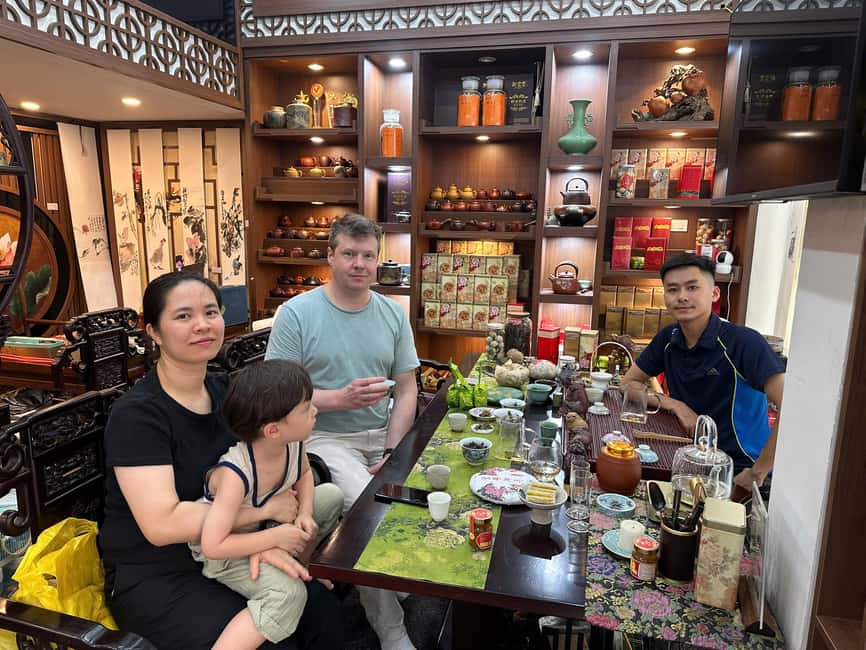
This is one of those Hanoi-area experiences where you leave with something useful. Tea can be a mystery for visitors—different colors, different flavors, different “rules.” Here, you get a guided way to sort it out, plus a chance to taste your way through it.
The day also has a strong sense of place. You’ll end up on Train Street to watch the train pass by—an iconic slice of everyday life that’s more about timing and atmosphere than long sightseeing.
The whole thing works best if you like hands-on learning more than passive museum time. If you want big-ticket landmarks, this won’t replace a full city tour. But if you want a morning that actually changes how you’ll drink tea back home, it’s a great choice.
You can also read our reviews of more tours and experiences in Hanoi.
Tea House lesson: green tea, red tea, and a 200-year-old connection
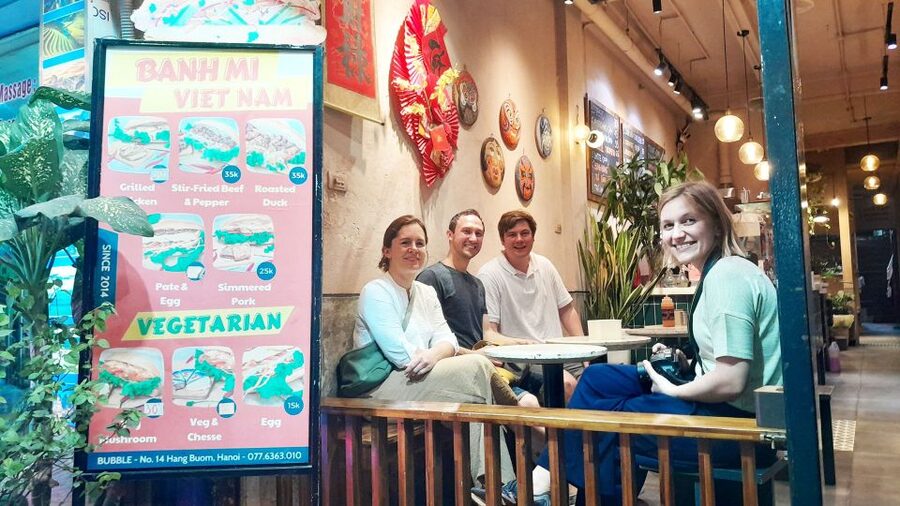
Your tour starts at the tea house, where you meet a tea expert and get a guided introduction to how tea is produced, packed, and categorized. You also learn how to classify tea—how to think about what you’re seeing and tasting instead of guessing.
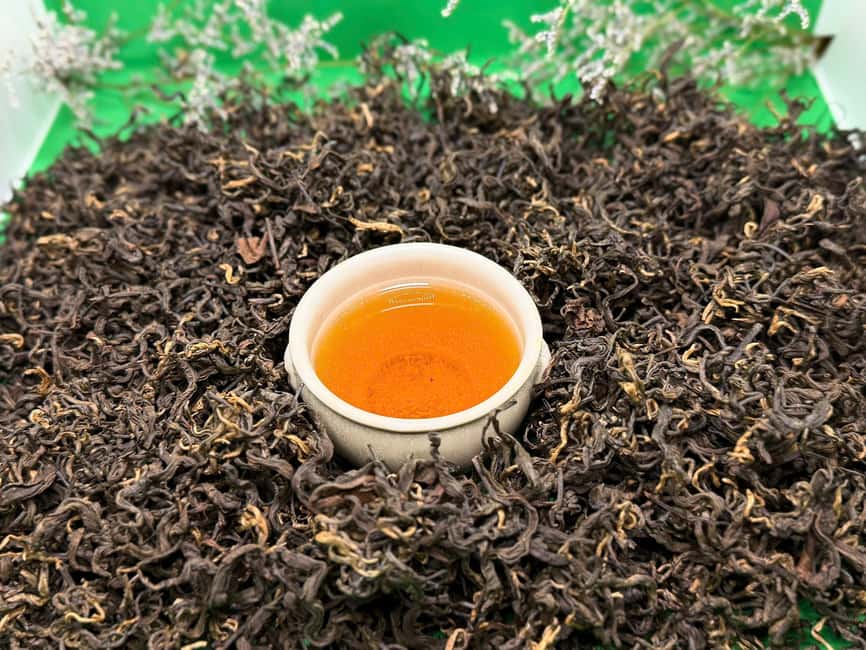
Two teas take center stage: green tea and red tea. The experience is built around taste contrast, so you can notice differences in aroma, flavor direction, and how the tea feels in the cup.
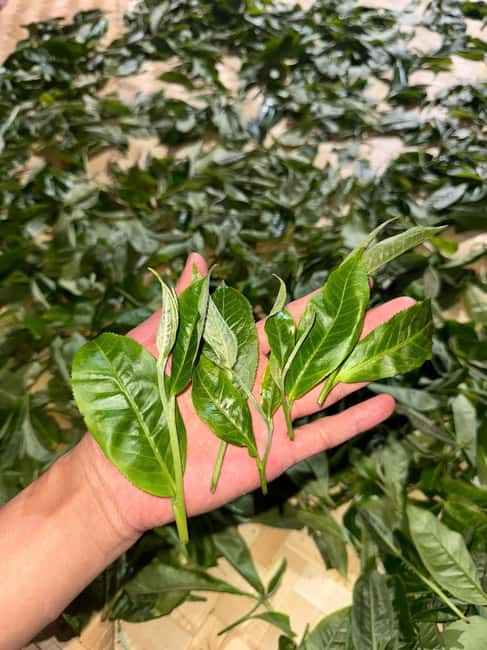
There’s also a special emphasis on age and origin: the red and green teas are linked to 200-year-old tea trees. You don’t need to become an expert to enjoy that detail—it gives the tasting extra meaning, and it helps you understand why people value these teas beyond trendiness.
What you’re doing (not just watching)
This isn’t only sampling. You’re taught to brew and serve tea using 4 basic steps, and you practice so you can repeat the method later. That’s the main reason this tour stands out. You’ll come away with a method, not just flavors.
The 4-step brewing practice you can repeat at home
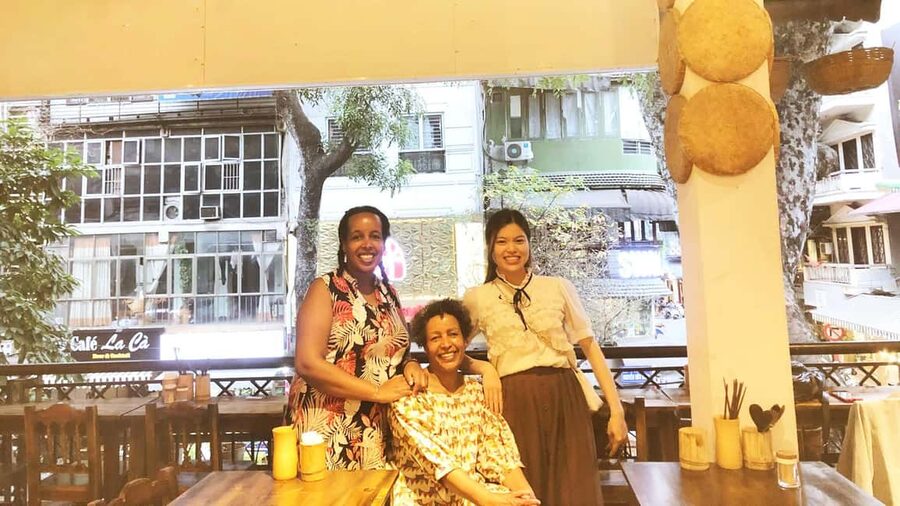
The best “souvenir” from this tour is the small technique you can take back to your kitchen. The expert shows how to brew and serve tea properly in 4 steps, and then you’re taught to make 1 kind of tea during the session.
Even if your tea skills are zero right now, the teaching style is meant to be learnable. You’ll see and handle tea equipment, which matters because tea isn’t just about the leaves—it’s also about how you pour, brew, and serve.
Why this matters for you
If you’ve ever bought tea and wondered why your cup didn’t taste like the shop, you’ll get why here. Brewing and serving habits can change aroma and strength fast. This is a low-stress way to build the basics while someone corrects your process.
And because you’re tasting two tea types in the same tour, you can compare directly. That makes it easier to remember what you liked and why.
Train Street: watching the train pass, without the extra wandering
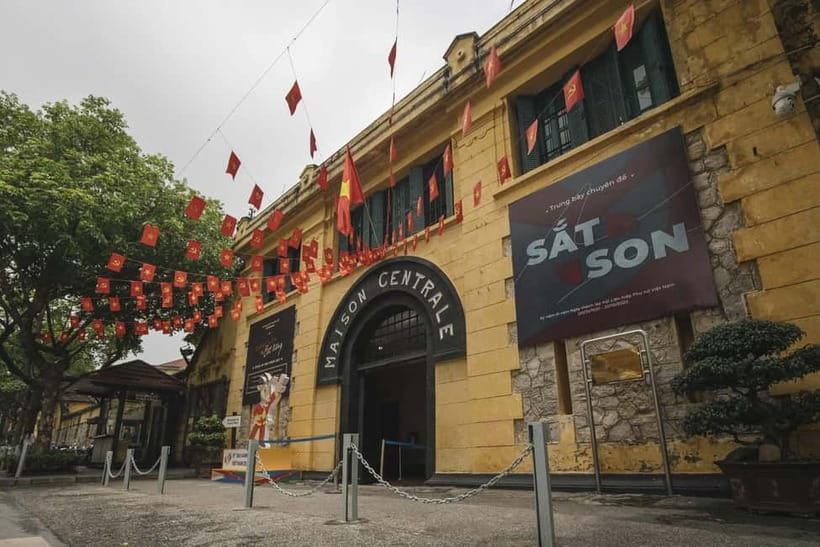
If you choose the morning option that includes Train Street, you’ll leave the tea house before 11:30 to catch the passing train. The transfer from the tea house to Train Street is included, which saves time and reduces “where do we go now?” stress.
One important note: you only stand outside Ho Chi Minh complex for watching and photos. You do not go inside. That keeps things simple, but it also means you’re mainly there for the street-level view.
Practical expectations
- Bring comfortable shoes. You’ll be standing.
- Timing is part of the experience. You might wait a bit.
- Sun matters. A hat and sunglasses help more than you’d think.
If you’re thinking, this seems too small for a “big experience,” here’s the twist: the charm of Train Street is exactly that—short, intense, and atmospheric. It’s not a long trek. It’s a moment.
Giang egg coffee tasting: the 1946-style classic
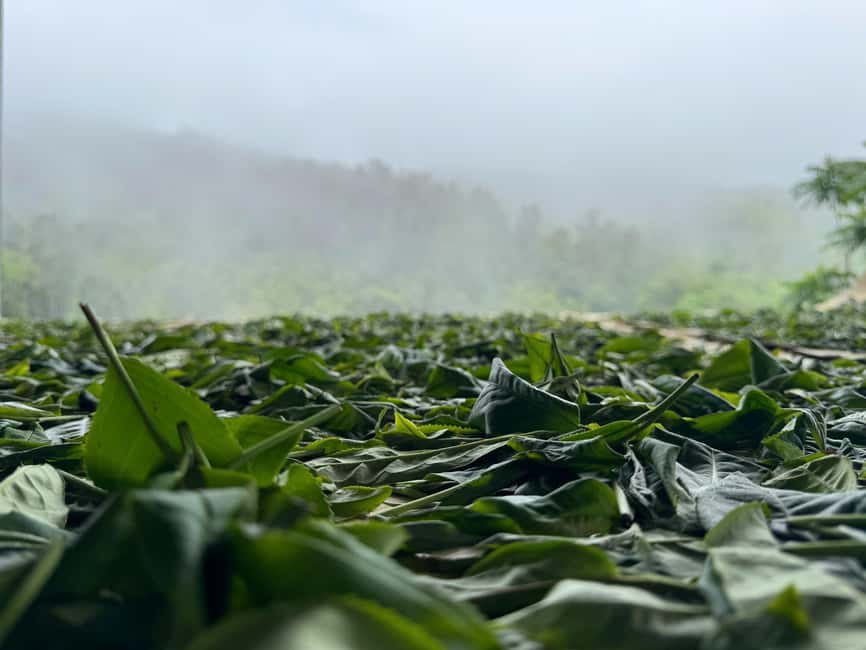
Not every option includes Train Street. If you pick the versions that include coffee, you’ll walk to Giang Coffee and taste egg coffee—either plain or an almond version.
Giang Coffee is described as famous since 1946, which gives the tasting a “learn why this became a Hanoi institution” feel. Egg coffee itself is a contrast drink: rich, sweet-leaning, and different from what most people expect if they only know espresso or cold brew.
How to get more out of the tasting
Taste it like you would tea—pay attention to the balance. Notice how the creaminess lands, how sweet it feels, and how the coffee flavor comes through after. If you’re choosing between the plain egg coffee and the almond option, pick based on how adventurous you want to be today.
This stop is a good reset between the tea practice and the rest of your morning.
Bun Cha lunch add-on: simple, flexible, and optional
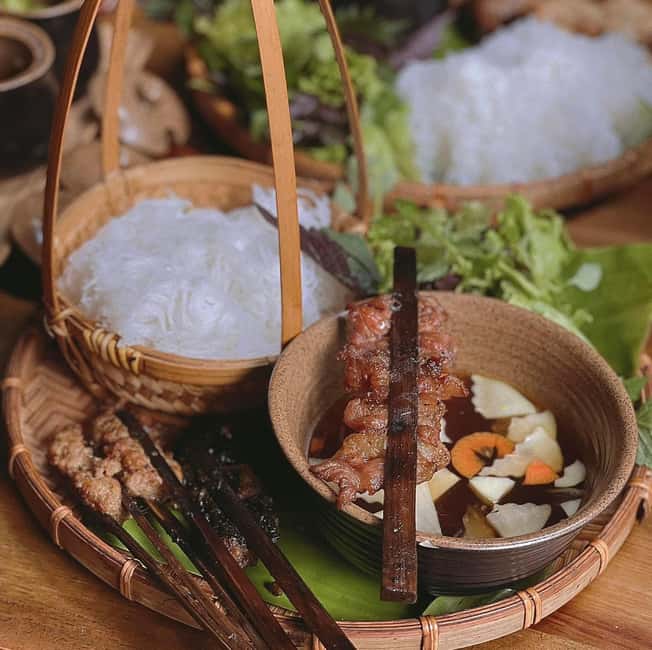
Lunch is an optional add-on: Bun Cha Vietnam. You’ll either eat it at a restaurant nearby (depending on your option) or alongside your Train Street timing.
The tour doesn’t bundle lunch in the base value, so you’ll want to plan for that cost if you’re hungry. But it’s a nice practical solution: you’ll already be in the right area after tea and coffee, and the guide keeps the flow easy.
Who Bun Cha fits
If you want a light local meal without changing plans, Bun Cha makes sense. If you prefer a full sit-down lunch elsewhere, you might skip it and use your final hour to explore on your own.
Which option should you choose: morning train, morning coffee, or afternoon?
This tour works because you can match it to your day. Here’s the quick decision guide based on what’s included.
Option 1: Tea + Train Street (+ optional Bun Cha)
Choose this if Train Street is your must-see. After the tea lesson, you head out to watch the train passing by (standing outside Ho Chi Minh complex area). Then lunch with Bun Cha is included as an optional stop around that timing.
Best for you if you like local atmosphere and you don’t want to overthink scheduling.
Option 2: Tea + Giang egg coffee (+ optional Bun Cha)
Pick this when you want the egg coffee moment and you’re okay skipping Train Street. After tea tasting and the practice session, you walk to Giang Coffee for your cup, then you can add lunch.
Best for you if you prefer a calmer rhythm and coffee is your bigger “food memory.”
Option 3: Afternoon Tea + Giang egg coffee (+ optional Bun Cha)
Go afternoon if mornings are busy or you want a later break. You’ll start with optional lunch nearby, then head to tea house, learn the tea session, and finish back at the tea house around mid-afternoon.
Best for you if you’ve got other morning plans and you still want a hands-on tea experience.
Price and logistics: where the $36 really goes
It costs $36 per person for a 3-hour experience, and that includes government tax (8%). That’s a fair price when you look at what you actually get: an English-speaking guide, tea tasting (green + red), training to brew and serve using 4 steps, and the hands-on part where you make 1 kind of tea.
You also get a cup of egg coffee (either plain or almond, depending on the option). In the Train Street version, you also get transfer from the tea house to Train Street.
What’s not included is mainly the “extras”:
- drinks on meals
- travel insurance
- tip
- lunch (Bun Cha) if you add it
- any hotel pickup (except the optional pickup approach described below)
Hotel pickup and meeting points
You meet at the meeting point at 8:50 am in the morning and 12:50 pm in the afternoon. Pickup is optional for hotels in the old quarter area. If you’re staying outside the old quarter, you’re asked to be ready at 22 Hang Muoi street by 9:00am.
If you’re arriving late or uncertain, show up early. This is a small group experience, and everyone’s timing matters.
Solo travelers note
If you book for 1 person, you need to pay an extra $25 USD for a private guide.
What to bring (and what to wear) so you don’t suffer for tea
Tea is indoors, but Train Street viewing can be outdoors and standing. So your practical packing list matters.
Bring:
- Passport or ID card
- Comfortable shoes
- Sunglasses
- Sun hat
Also, stick with simple clothing. You’ll be walking between stops and you want your feet to feel good during any waiting.
Wheelchair access isn’t suitable for this activity, and pets aren’t allowed—so if either applies, you’ll need a different plan.
Who this tour suits best (and who might not)
This experience is ideal for people who:
- want a short, structured activity that teaches a real skill
- enjoy food-and-drink tastings
- like small groups (2–5), where it’s easier to ask questions
- care about cultural details like tea classification and proper brewing
It may be less ideal if you:
- want long museum-style sightseeing
- dislike standing and waiting for timed moments (especially for Train Street)
- expect the group to move at a totally flexible pace (it’s scheduled for viewing and tasting)
For me, the sweet spot is clear: you’ll have fun if you treat this like a hands-on class with memorable stops attached.
Should you book this Vietnam Tea Tasting + Giang Coffee + Train Street?
Yes—if you want a compact Hanoi experience that actually teaches you something. The biggest value here is the tea instruction: you learn a 4-step brewing and serving method, you taste green and red tea, and you practice making 1 tea style yourself. That’s rarer than it sounds in “tasting tours.”
Book Option 1 if Train Street is on your list. Choose the coffee options if you’d rather spend your energy on Giang egg coffee and skip the train viewing timing. Either way, you end up with a strong flavor memory and a technique you can use later.
If you hate standing in crowds, you might still enjoy the tea and coffee parts, but plan around the Train Street element—or pick the afternoon/coffee-focused options.
FAQ
What’s the total duration?
The tour lasts about 3 hours.
How many people are in the group?
It’s a small group limited to 2–5 participants.
Which teas are included in the tasting?
You’ll drink 2 kinds of tea: green tea and red tea. You’ll also be taught to make 1 kind of tea.
Is egg coffee included?
Yes. A cup of egg coffee is included, or egg coffee with almond, depending on the option you choose.
Do I have to include lunch?
No. Bun Cha lunch is described as optional. The tour includes tea and (in coffee options) egg coffee regardless.
Will we go inside Ho Chi Minh complex?
No. You only stand outside for watching and photos, and you do not go inside.
Where do I meet the guide?
You meet at the meeting point at 8:50 am in the morning or 12:50 pm in the afternoon. Pickup is optional in the old quarter area; if outside, you’re directed to be ready at 22 Hang Muoi street by 9:00am.