REVIEW · TAIPEI CITY
From Taipei: Thousand Island Lake and Pinglin Tea Plantation
Book on GetYourGuide →Operated by Edison Tours · Bookable on GetYourGuide
If you like quiet views and a good cup of tea, this tour fits. You get the calm of Shiding Thousand Island Lake and the real Taiwan tea story in Pinglin, with hands-on tastings. You’ll also ride out of Taipei along twisty mountain roads that make this feel like a mini escape.
My favorite part is the mix: a reservoir view that looks like a postcard, then a tea lesson that turns the leaves into something you can actually brew at home. You’ll learn how tea is made and why Taiwanese tea grew into what it is today. One thing to consider: this isn’t built for people using wheelchairs or with mobility limitations.
In This Review
- Key things I’d circle before you book
- Getting from Taipei to Shiding Tea Country in About 5 Hours
- Thousand Island Lake (Qiandao Lake): Why the Reservoir Looks Like Thousands of Islands
- Bagua Tea Garden in Shiding: Eight Trigrams in Real Tea Rows
- Pinglin Tea Plantation: The Tea Lesson Starts Before You Taste
- Pinglin Tea Museum Courtyard: Tools, Siheyuan Architecture, and Tea Development
- Tea Tasting and the Tea Ceremony-Style Finish in Pinglin Old Street
- Price and Value: What You’re Really Paying For at $40
- Who This Tour Fits (and Who Should Rethink It)
- A Simple Checklist to Make the Day Smooth
- Should You Book This Thousand Island Lake and Pinglin Tea Tour?
- FAQ
- How long is the Thousand Island Lake and Pinglin Tea Plantation tour?
- What does the tour cost?
- Where do I meet the tour guide?
- Is tea tasting included?
- Do I need to bring cash?
- Is this tour wheelchair accessible?
Key things I’d circle before you book
- Thousand Island Lake views tied to Feitsui Reservoir and surrounding tea farms
- Bagua Tea Garden rows shaped like Eight Trigrams symbols
- Pinglin Tea Museum inside a Hokkien-style Siheyuan courtyard
- Tea tasting + brewing instruction from a tea instructor, not just a showroom
- Pinglin Old Street finish with a tea ceremony-style experience
Getting from Taipei to Shiding Tea Country in About 5 Hours
The timing is the magic here. At about 5 hours, you’re not signing up for an all-day slog. You meet your guide at MRT Zhongxiao Xinsheng (BL14 / O07), Exit 2, and you’ll be looking for the EDISON TOURS flag. From there, you head out by air-conditioned vehicle and settle in for a scenic ride.
The drive matters. The roads are described as twisty mountain roads, and that’s part of why the day feels different from just wandering Taipei. If you tend to get motion-sick, bring a little patience and plan for slower turns. A few guides have been praised for driving carefully on these mountain bends, which can make a noticeable difference.
Once you’re in the Shiding area, the pace changes. The route runs from a busy city edge into rural hills where tea is part of the landscape in a practical, working-way. You’re not just looking at nature. You’re seeing why this region grows tea in the first place: the terrain and climate around Feitsui Reservoir set up farmland conditions that tea growers love.
There’s also a very practical win: guaranteed departure with at least one participant. So you’re not stuck playing roulette with whether a small-group tour will run.
You can also read our reviews of more tours and experiences in Taipei City.
Thousand Island Lake (Qiandao Lake): Why the Reservoir Looks Like Thousands of Islands
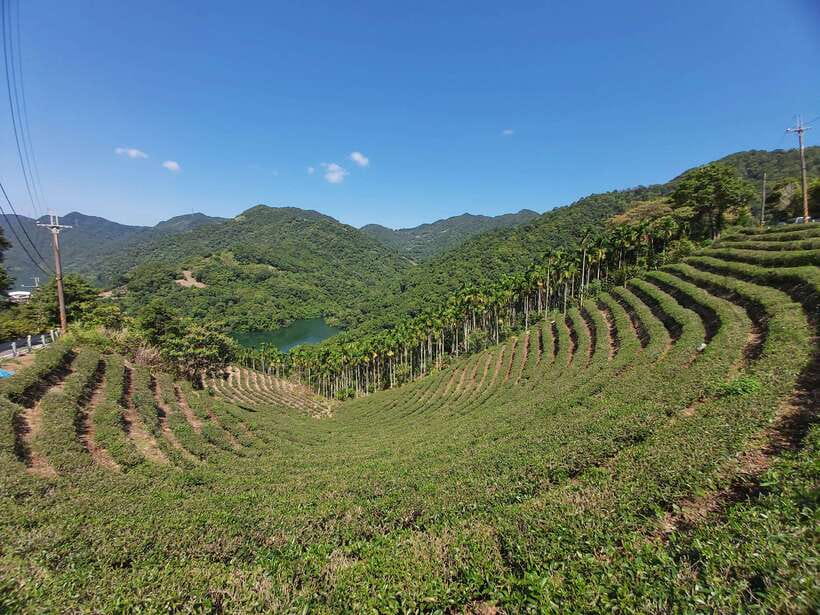
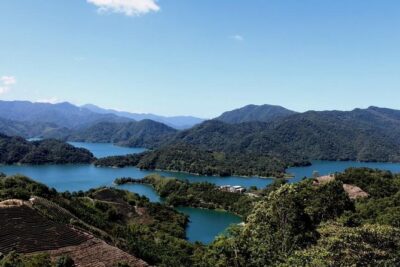
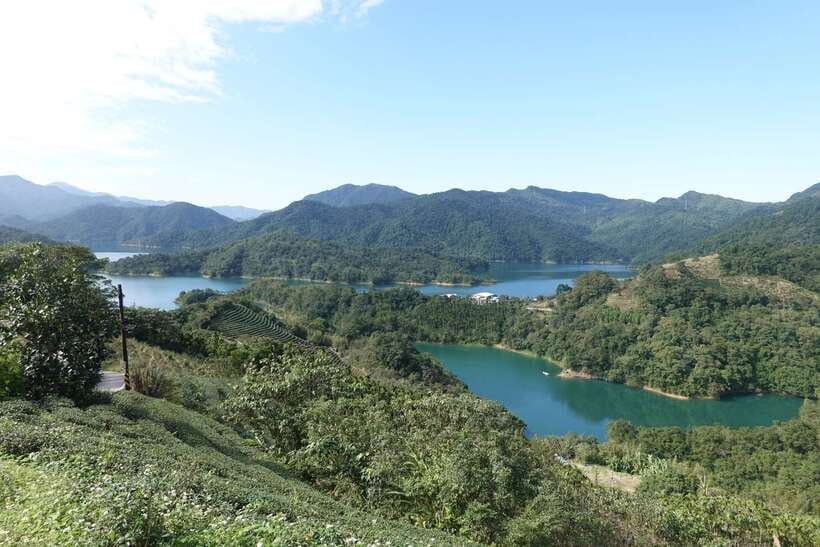
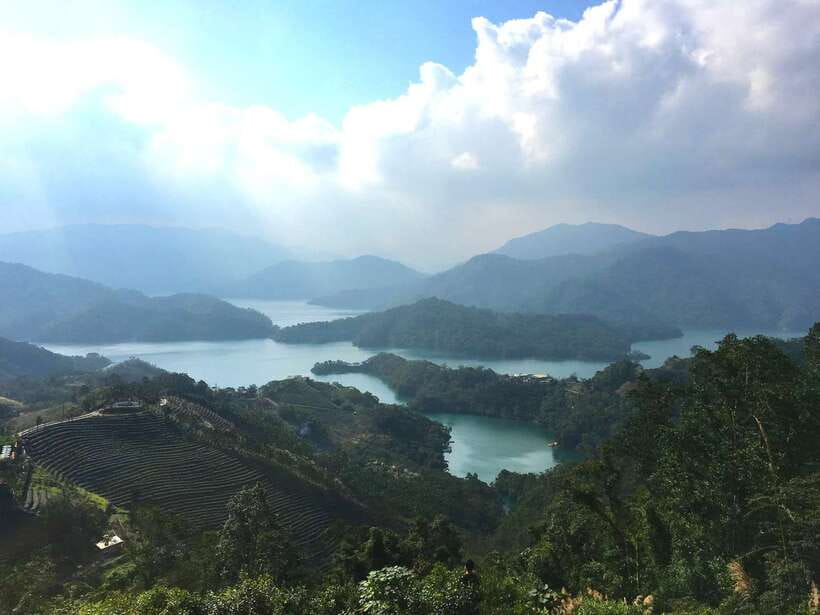
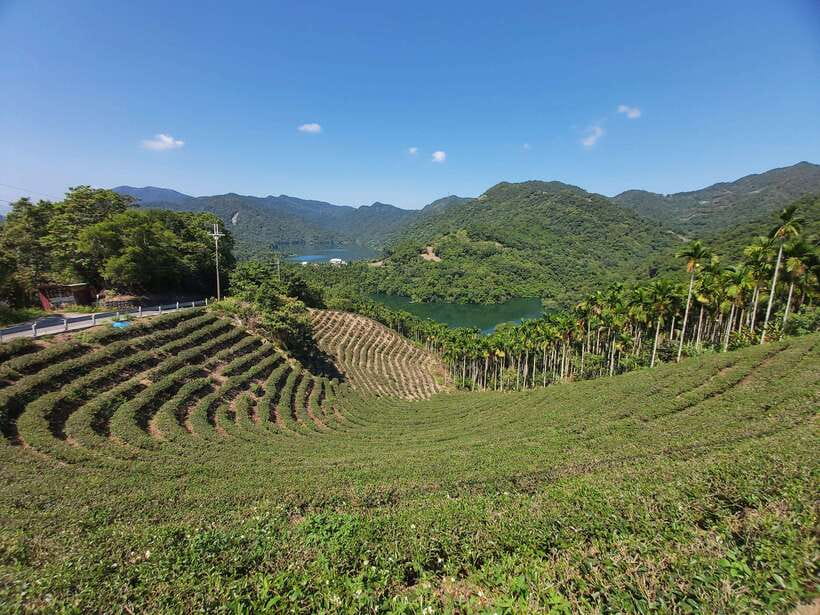
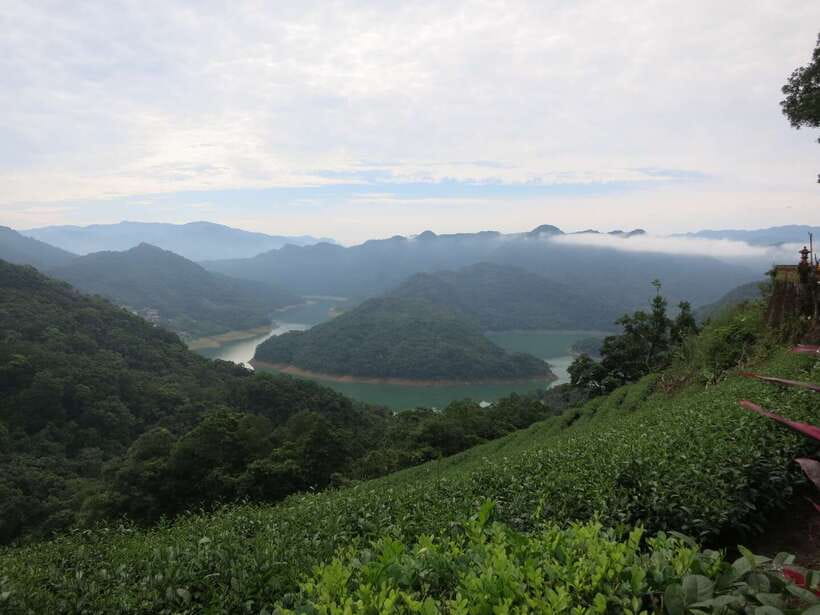
Your first big moment is Thousand Island Lake, also known as Qiandao Lake in Chinese. The name literally points to a lake with thousands of islands, and the scenery comes from the hills feeding into Feitsui Reservoir. In plain terms: it’s the kind of view where your brain keeps trying to count islands, then gives up and just enjoys the pattern.
What I like about this stop is that it connects the dots. You’re not only getting a pretty spot for photos. Your guide ties the lake to the wider region, explaining that these natural conditions also make the surrounding hills strong farmland for tea.
The tour frame is also smart. You get about 20 minutes at the lake, guided and focused. That’s enough time to take in the view without turning the whole trip into a long waiting game. And you’re moving on to tea culture right after the scenery hits, which keeps the momentum.
Weather can shift the feel of the lake, of course. You might see it crisp and bright, or softened by rain. Either way, the lake works because it’s about the shape of the water and hills, not just perfect sunshine.
Bagua Tea Garden in Shiding: Eight Trigrams in Real Tea Rows
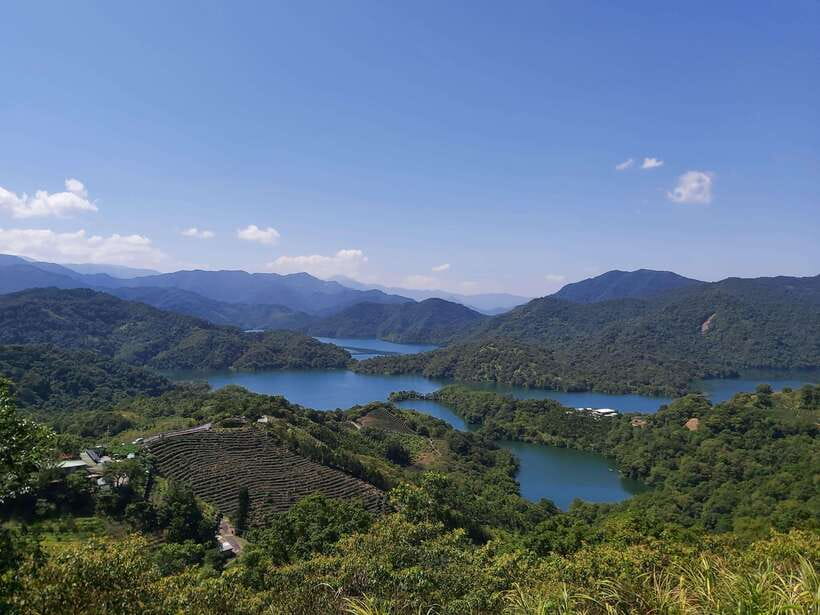
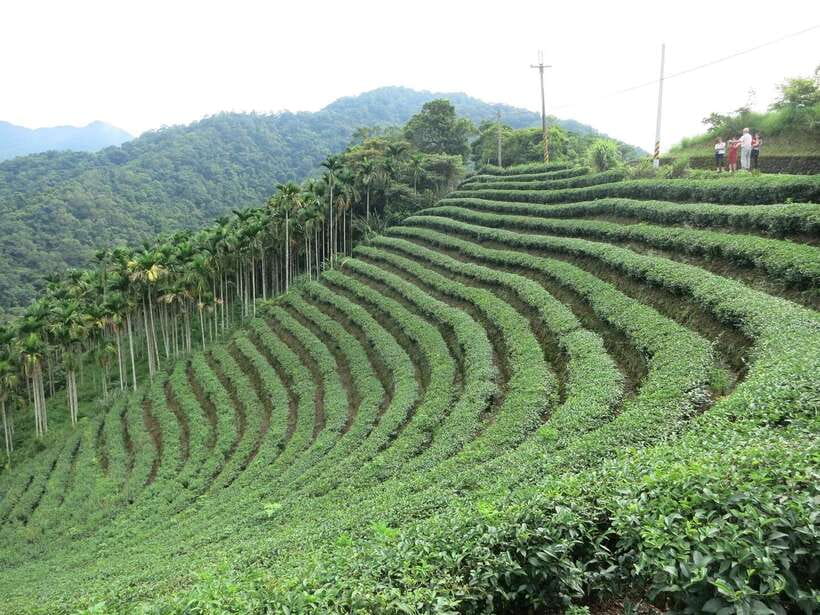
Next you’ll visit Bagua Tea Garden, a tea plantation area where the rows are planted in a pattern that resembles Eight Trigrams symbols. This is one of those details that’s easy to miss if you’re only thinking about sipping tea. But it’s fascinating because it turns tea farming into a kind of living geometry.
You’ll spend around 25 minutes here, with a guided walk through the tea fields. This is a good spot for photos, but also for slowing down just enough to really look. Tea rows aren’t random; they’re laid out with intention. When you see the pattern from the right vantage point, the “symbols” idea clicks.
This stop also helps you understand what tea lovers often notice later during tastings: tea doesn’t just taste like tea. It tastes like the place. The hills, the climate, and the way the area is farmed show up in the teas the region is famous for.
Your guide may mention tea names you’ll hear again later, like Wenshan Pouchong and Dong Fang Mei Ren, often translated as Oriental Beauty Oolong. Even if those are new to you, Bagua Tea Garden gives you a reason they matter.
Pinglin Tea Plantation: The Tea Lesson Starts Before You Taste
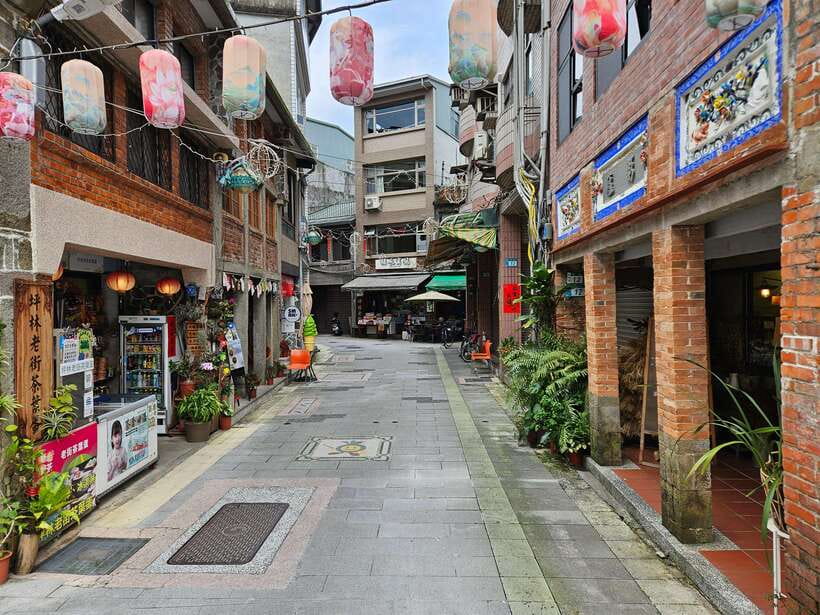
Your main tea stop is Pinglin Tea Plantation, with about 70 minutes on-site. This is where the day shifts from scenic to hands-on.
Pinglin is famous for tea, and you’ll focus on the local story: why the area grows what it grows, and how Taiwanese tea became its own identity. The tour doesn’t treat tea like a souvenir. It treats tea like a process.
You’ll have time to see the plantation experience up close, and the guide’s commentary gives structure. You’re not just walking through fields. You’re hearing what to notice and why—how production links back to local conditions and regional development.
For me, the best tours are the ones where tea stops being a mystery. This one does that early, because the next stop is where the museum and tasting reinforce the lesson with tools and brewing.
Pinglin Tea Museum Courtyard: Tools, Siheyuan Architecture, and Tea Development
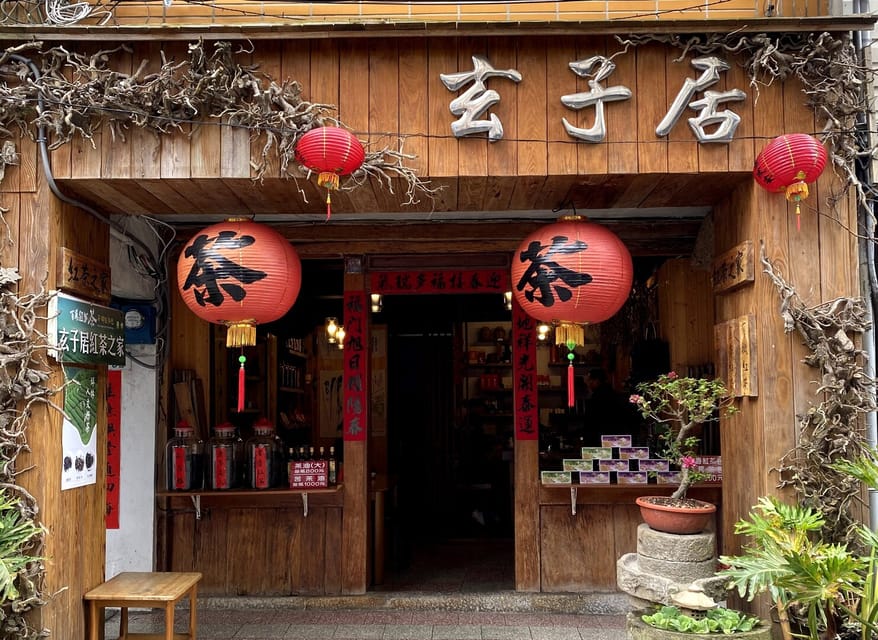
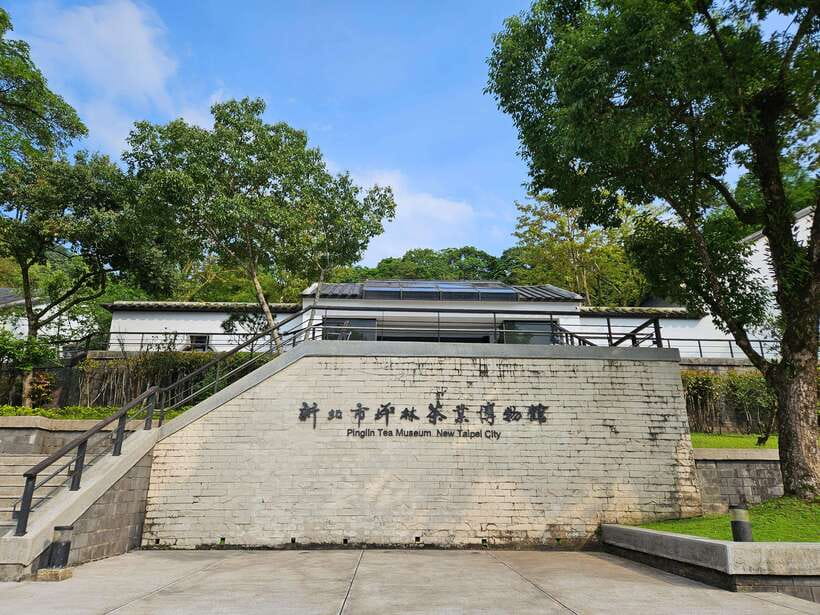
After the plantation, you’ll visit Pinglin Tea Museum. This is in a Hokkien-style Siheyuan, meaning a quadrangle courtyard house. That setting helps you slow down. The museum isn’t just information on walls; it’s housed in a traditional layout that matches the culture it’s explaining.
You’ll see tools and equipment for tea harvesting from the past. That’s a big deal because it gives context. When you later taste and learn brewing steps, you can picture where the leaves came from and why harvesting techniques matter.
You’ll also learn about the history and development of the Taiwanese tea industry. The best part is that this isn’t just dates. It’s framed as how the region built a tea identity, including well-known types tied to the area, like Wenshan Pouchong.
Some tours visit museums with lots of hands-on displays. This one sounds more like a curated history stop, with practical tools and a focus on development. Even if the museum isn’t your top priority, it’s worth doing because it makes the tea tasting feel earned instead of random.
Tea Tasting and the Tea Ceremony-Style Finish in Pinglin Old Street
The heart of the trip is what you do with the tea after you learn about it.
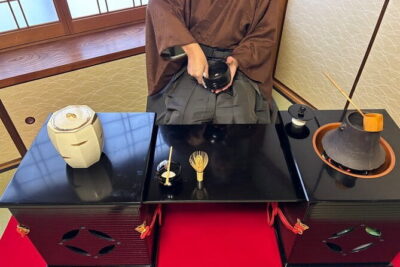
At a local tea shop, a tea instructor and your guide introduce Taiwanese tea and show you how to properly brew it. Then you get to taste tea samples. This is where I’d expect a lot of value for your money, because tea tasting turns into real skills once someone explains the steps and helps you connect flavor to brewing choices.
One small detail I like: you’re not only tasting. You’re learning how to make tea correctly. That’s the difference between drinking something and knowing what you’re doing.
The tour also includes Pinglin Old Street, where there’s a guided walk and a tea ceremony-style moment (plus sightseeing). Even if you’re not there for shopping, Old Street gives you a slower, more human ending to the day. It’s the right contrast to the mountain-and-plantation scenery.
Food isn’t included, so if you want snacks you’ll need to plan for them on your own. But the street stop is often where you can grab something small and keep the day from feeling rushed.
Price and Value: What You’re Really Paying For at $40
At around $40 per person for a half-day trip, the value comes from what’s included, not just the headline cost.
You’re getting:
- Transportation in an air-conditioned vehicle
- A tour guide
- Tea tasting
- Local general liabilities insurance
- A guaranteed departure even with a single participant
That’s a lot for five hours when you compare it to piecing together your own route. You also avoid the mental load of finding multiple local spots and keeping the timing tight.
What’s not included matters too: food and drinks, and bottled water. Since you’re outdoors in hilly areas, bring a bit of cash and plan to cover snacks and water yourself. The tour instructions specifically tell you to bring cash, which is a sign you may want to buy tea or small items at the shop.
Also, this isn’t a “tea theater” where you sit and watch. You get structured stops: lake views, tea garden, a museum, then tasting and ceremony. That sequencing is why the day feels balanced instead of chaotic.
Who This Tour Fits (and Who Should Rethink It)
This is a great match if you:
- Like tea and want the actual production and brewing side
- Want a short, focused countryside trip from Taipei
- Enjoy photo moments, especially from Thousand Island Lake viewpoints
- Like guided context, not just free time
It’s less ideal if you:
- Need wheelchair access or have mobility impairments. This tour is not accessible for wheelchairs or physical disabilities.
- Hate hills and winding roads. The ride is mountain-heavy by design.
- Want a food-first outing. Food and drinks aren’t included, and the focus is tea and sights.
The good news is the group setup can work for many styles. You can join a group or choose private or small groups, and the tour runs with live guide commentary in multiple languages (details below).
A Simple Checklist to Make the Day Smooth
Before you go, do these basics and you’ll glide through the day.
- Wear comfortable shoes. You’ll be walking at plantations and streets, and that adds up.
- Bring cash. The instructions call it out, and it’s smart for tea purchases or small purchases during the stops.
- Pack light. Oversize luggage and large bags aren’t allowed.
- If you’re traveling with kids, note that unaccompanied minors aren’t allowed, and children under 12 must be with an adult.
One more practical note: the tour sequence and time at stops can adjust based on traffic and weather. That’s normal for rural drives. The schedule is short, so being flexible keeps your experience from turning into stress.
Should You Book This Thousand Island Lake and Pinglin Tea Tour?
If you want a half-day escape that blends a top Taiwan view with real tea education, this is an easy yes. The combination of Thousand Island Lake scenery plus Pinglin tea culture, including museum context and tea tasting with brewing instruction, is the kind of itinerary that gives you something to take home besides photos.
Book it if tea is part of your trip theme and you like guided explanations. Skip it if tea doesn’t interest you much, or if you need wheelchair-friendly access.
FAQ
How long is the Thousand Island Lake and Pinglin Tea Plantation tour?
It lasts about 5 hours.
What does the tour cost?
The price is $40 per person.
Where do I meet the tour guide?
Meet at MRT Zhongxiao Xinsheng Station (BL14 / O07), Exit 2. Your guide will be holding an EDISON TOURS logo flag.
Is tea tasting included?
Yes. Tea tasting is included, along with guidance on how to brew Taiwanese tea during the tea shop visit and a tea ceremony-style stop on Old Street.
Do I need to bring cash?
Yes. The tour instructions say to bring cash.
Is this tour wheelchair accessible?
No. It is not accessible for wheelchair users or people with physical disabilities.