REVIEW · JAIPUR
Tea Tasting Session at India’s oldest tea boutique : Sancha Tea Boutique
Book on Viator →Operated by Sancha Tea Boutique · Bookable on Viator
Tea can be a whole map. At Sancha Tea Boutique on Jaipur’s MI Road, you taste Indian black teas side-by-side and learn why the same tea bush can taste different across Darjeeling seasons. It’s a focused, small-group hour that turns a casual drink into a real education on terroir, processing, and style.
What I like most is the tasting structure: black tea from Darjeeling, Assam, and Sikkim, plus Darjeeling across spring, summer, and fall. I also like that the session doesn’t stop at sipping—there’s time for masala chai, tea history, and then browsing the shop’s huge selection of teas.
One consideration: it’s about 1 hour, so you’ll sample key favorites, not deep into the full catalog. If you want to spend a long time comparing dozens of teas you might need extra shopping time after the tasting.
In This Review
- Sancha Tea Boutique Tea Tasting: Quick Highlights
- Meeting at MI Road: Getting Oriented in Jaipur’s Tea District
- The 60-Minute Tasting Flow: What You’ll Actually Do
- 1) Welcome and seating for the tasting
- 2) Black tea from Darjeeling, Assam, and Sikkim
- 3) Darjeeling across three seasons: spring, summer, and fall
- 4) Masala chai tasting
- 5) Tea history, plus what to pay attention to while tasting
- 6) Browse the store after the tasting
- What Makes This Tasting Worth Paying For
- Seasonal Darjeeling: The Lesson You’ll Keep Using
- Assam and Sikkim: Why the Regional Comparison Matters
- Masala Chai for the Whole Family
- Browsing the Store Without Getting Lost
- Price, Timing, and How to Fit It Into Your Day
- Who Should Book This Tea Tasting?
- Things to Consider Before You Go
- Should You Book Sancha Tea Boutique?
- FAQ
- How long is the tea tasting session?
- Where does the tasting start?
- What teas will I taste during the session?
- Is this a private tasting?
- Do you include tea history in the experience?
- Can I choose my preferred time?
- What are the shop’s hours for this activity?
- What happens if I need to cancel?
Sancha Tea Boutique Tea Tasting: Quick Highlights

- Seasonal Darjeeling: spring (first flush), summer, and autumn, showing how flavors shift by season
- Multiple Indian regions: Darjeeling, Assam, and Sikkim black teas in one sitting
- Masala chai tasting: a classic Indian style alongside the more “tea snob” black teas
- Small group format: up to 10 people for a more personal pace
- Shop browsing time: over 100 teas to explore right after you taste
Meeting at MI Road: Getting Oriented in Jaipur’s Tea District
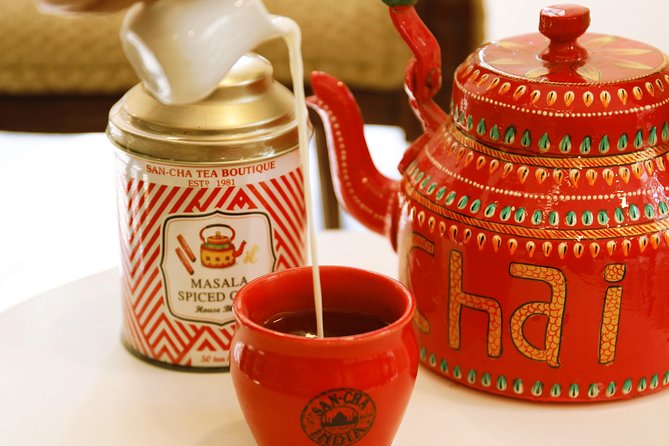
Sancha Tea Boutique is in a busy, easy part of Jaipur—MI Road, near Lassiwala. That matters because tea tastings go better when you can arrive without stress. You’ll meet at the shop and the activity ends back there, so you’re not juggling transport at the end of a one-hour experience.
The shop itself is the point. This is not a factory tour or a quick roadside stop. It’s a tea place where you’re meant to slow down, smell, sip, and ask questions. The vibe feels calm enough that it works well even if someone in your group is new to tea. One of the best parts is that the tasting is built for both serious tea fans and people who normally just order chai without thinking about it.
You can also read our reviews of more tours and experiences in Jaipur.

The 60-Minute Tasting Flow: What You’ll Actually Do
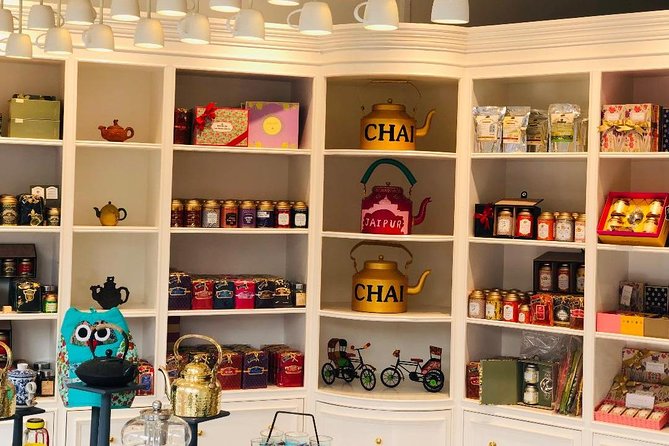
The experience is listed as about 1 hour, and that time is used well. A small group (up to 10 travelers) helps because you don’t get rushed the way you sometimes do in longer group activities.
Here’s how the session plays out, step by step:
1) Welcome and seating for the tasting
You start at the boutique and get directed to a seating area for the tastings. You’ll be working through a set of planned samples, not random free-for-all mugs. That structure is useful. It gives your brain a checklist: region, season, and style.
2) Black tea from Darjeeling, Assam, and Sikkim
You’ll taste black tea from three of India’s best-known tea-growing regions: Darjeeling, Assam, and Sikkim. This is a great starter comparison because those regions are often talked about, but it’s hard to picture differences until you sip them back-to-back.
The shop has the samples selected by their Master Tea Taster, so you’re not left guessing what to try first. The point is to help you notice what’s different in flavor and character, not to hand you a menu and wish you luck.
3) Darjeeling across three seasons: spring, summer, and fall
Next comes a highlight: tasting Darjeeling tea in three seasons—spring (first flush), summer, and autumn. The lesson is simple but powerful: the same tea bush can produce distinct flavors across the year.
Why that’s valuable: when you understand seasonal variation, you stop thinking of tea as a single product. You start thinking like a tea grower—weather, timing, and the local growing conditions change the tea leaves, and that shows up in the cup.
4) Masala chai tasting
After the black teas, you’ll taste masala chai. This is the moment many people enjoy most, especially if you’re traveling with kids or if someone in your group prefers something more familiar and spiced.
Chai also resets your palate. You’re shifting from tasting black tea straight up to tasting a blended, spiced style. That contrast helps you learn faster because the flavors you pick up are clearer.
5) Tea history, plus what to pay attention to while tasting
There’s also a section focused on the history of Indian tea. The shop talks about origins and what’s going on behind the scenes as tea becomes tea—how the tea is made and what characteristics to look for in aroma and taste.
In practice, this turns the tasting into a mini lesson you can use later. After this, when you see terms on a tea box, you’ll have a better sense of what those terms might mean in your cup.
6) Browse the store after the tasting
Once the tasting portion is done, you can browse. The boutique offers over 100 types of Indian tea, including black, green, white, and oolong.
This is where you can turn the lesson into action—pick up a few teas to try at home, or buy gifts. Just know that the browsing time can make it easy to get carried away, because once you start recognizing differences, everything sounds interesting.
What Makes This Tasting Worth Paying For
At $10.67 per person, this is priced like an easy add-on you can fit into a busy Jaipur day. The value comes from the fact you’re not only tasting—you’re learning the logic behind the tastes.
A few practical reasons it feels like good value:
- You get multiple samples across regions and seasons, not a single “signature tea.”
- You get guided comparisons, which is faster than buying several teas and learning by trial and error.
- The session caps at 10 people, so questions and attention don’t feel lost.
- You leave with tasting knowledge that helps you shop the store later.
If you’re the type who likes to understand what you’re buying, this kind of tasting is a smart use of time. Even if you’re not a heavy tea drinker, masala chai plus a guided comparison of black teas can change how you order next time.
Seasonal Darjeeling: The Lesson You’ll Keep Using

The Darjeeling seasonal comparison is the part most likely to stick with you. Here’s why: the tasting shows how the same tea bush can taste different because of seasonal growing conditions and the unique character linked to Darjeeling.
The session specifically covers:
- Spring (first flush): often associated with a particular brightness and style
- Summer: with a different flavor profile
- Autumn: yet another shift
Even without getting lost in technical jargon, you’ll start to recognize patterns. You’ll taste differences and then connect them to the idea that terroir and timing change what ends up in your cup. That’s the kind of travel learning that feels real, not just decorative.
Assam and Sikkim: Why the Regional Comparison Matters
Taste comparisons work best when you control the variables. This session does that by keeping it within tea, while changing region and style.
When you taste Darjeeling alongside Assam and Sikkim, you’re basically doing a guided “spot the differences” exercise. That’s useful because region talk can sound vague in normal travel conversations. Here you learn what region differences taste like.
If you’re new to tea: don’t worry about getting it perfect. The goal is just to notice. After a few sips, most people can start describing what they feel—lighter vs deeper, different aromas, different body. And that makes later tea shopping way less confusing.
Masala Chai for the Whole Family
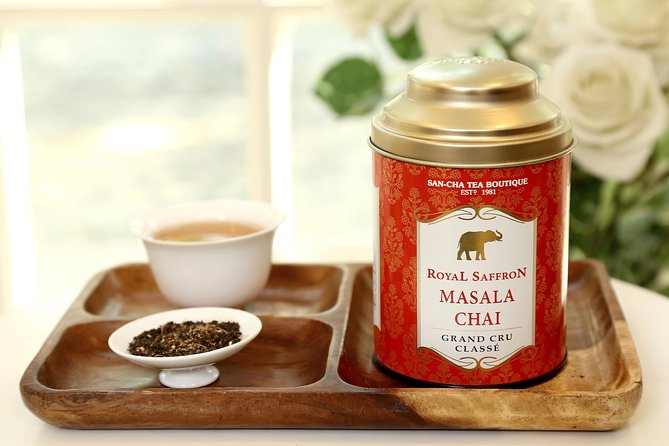
This tasting works for a family because it includes a clear entry point: masala chai. If someone in your group is intimidated by black tea straight up, chai gives them a familiar bridge.
At the same time, you still get the education portion. So kids (and adults who think they are not tea people) can enjoy the session without feeling like they are trapped in a lecture.
The shop also has a reputation for being good with visitors of all ages, and you’ll feel that in the pace and how staff guide you through tasting.
Browsing the Store Without Getting Lost
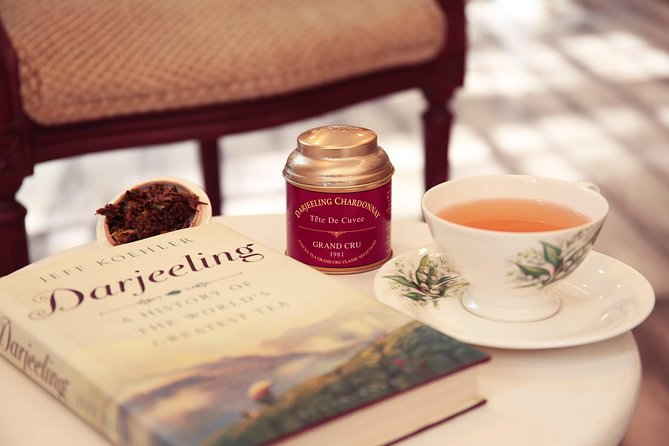
The store has over 100 types of tea. That’s exciting, but it can also overwhelm you if you don’t know what to do next.
Here’s how to make your browsing time smarter:
- Use what you tasted as your filter. Start with Darjeeling and move outward.
- If you liked masala chai, look for teas that behave well with spices or milk. (The exact suggestions depend on what they carry that day.)
- If you’re buying gifts, ask staff for options based on the styles you enjoyed, not just the price.
Also keep in mind that the tasting experience may include a small takeaway. Some visitors note receiving a gift at the end, which makes the purchase feel a bit more rewarding.
Price, Timing, and How to Fit It Into Your Day
This is a 1-hour activity, and it runs with shop hours listed as 12:00 PM to 6:00 PM. The session also has flexible time selection, so you can pick a slot that doesn’t clash with Jaipur’s heat and your other plans.
You’ll usually book about 6 days in advance on average, and you get a confirmation when you book. The ticket is mobile, so you’re not stuck printing anything.
It’s near public transportation too, which helps if you’re pairing it with other MI Road stops. The short duration also means you can do it even if you want more time afterward to roam markets.
Who Should Book This Tea Tasting?
This is a good fit if you want any of these outcomes:
- You like structured learning, but you don’t want a long class
- You want to understand Indian tea beyond generic chai
- You’re traveling with family members with different tastes
- You want to buy tea and actually know what you’re bringing home
- You’re curious about how one tea can change across seasons
If you’re the kind of traveler who prefers “hands-on” experiences over museum time, this will land well. The tasting is simple to participate in, but the subject matter has enough depth to keep it interesting.
Things to Consider Before You Go
The biggest trade-off is simple: it’s not a long, slow tea crawl. You have about an hour, and the session samples are curated. That means:
- You may not sample everything you see on shelves.
- If you’re hoping for heavy customization or a longer “tea workshop,” this may feel short.
Also, it’s best to be open-minded about black tea if you usually avoid it. Even if you don’t drink tea daily, the comparisons make it easier to find something you actually like.
Should You Book Sancha Tea Boutique?
Yes—if you want a smart, short, high-signal experience in Jaipur. For $10.67, you get a guided tasting with region variety, a seasonal lesson on Darjeeling, masala chai, and time to browse over 100 teas. That’s a lot of value for one hour, especially with a group size capped at 10.
Skip it only if you already know exactly which teas you want and you prefer to shop on your own without structured tastings. Otherwise, this is one of those travel buys that gives you knowledge you can use, not just souvenirs.
FAQ
How long is the tea tasting session?
It’s listed as about 1 hour.
Where does the tasting start?
You meet at SANCHA Tea Boutique on MI Road (Mirza Ismail Rd, near Lassiwala), in Jaipur.
What teas will I taste during the session?
You’ll taste black teas from Darjeeling, Assam, and Sikkim, Darjeeling in three seasons (spring/first flush, summer, autumn), and masala chai.
Is this a private tasting?
No. It’s a small group experience with a maximum of 10 travelers.
Do you include tea history in the experience?
Yes. The session includes learning about the history of Indian tea.
Can I choose my preferred time?
Yes. You can choose the day and time that suits your schedule.
What are the shop’s hours for this activity?
The listed opening hours are Monday to Sunday, 12:00 PM to 6:00 PM.
What happens if I need to cancel?
You can cancel for free up to 24 hours before the experience starts for a full refund. If you cancel less than 24 hours before, you won’t get a refund.