REVIEW · ELLA SRI LANKA
From Ella: Tea Adventure in Haputale with Village Lunch
Book on GetYourGuide →Operated by Ella Holidays · Bookable on GetYourGuide
Tea country in five hours feels like magic. This Haputale tea plantation tour strings together the story of Ceylon tea from leaf-picking to factory processing, with a guided tasting and a proper village lunch along the way. You also get a hike through tea rows, not just a drive-by view.
Two things I really like are the small group size (limited to 15, so questions don’t get lost) and the guided tea tasting where you sample different grades. That pairing makes the whole day feel practical, not just scenic.
One consideration: you’ll do a walking-based plantation segment, so plan on comfortable shoes and take it easy if you have health limits. It’s also not suitable for pregnant women, and pre-existing medical conditions are a no-go for this specific tour.
In This Review
- Key highlights that make this tea tour worth your time
- How the day is paced in Haputale’s tea country (and why it matters)
- The tea factory stop: where the story turns from plant to product
- Plucking tea leaves: the hands-on moment most people remember
- The tea bush hike: winding trails, real scale, and working fields
- Tea tasting: turning flavors into something you can recognize at home
- Village lunch in a local setting: food that finishes the loop
- Price and value: is $60 per person fair for what you get?
- Who this tea plantation tour suits best
- Practical advice to get the best day possible
- Should you book this tea adventure in Haputale?
- FAQ
- How long is the tea plantation tour?
- What are the pickup locations?
- Is the tour in English?
- How big is the group?
- What’s included in the price?
- What will I do during the tour?
- Is tea tasting part of the experience?
- Is it suitable for pregnant travelers or people with medical conditions?
- What are the cancellation and booking options?
Key highlights that make this tea tour worth your time
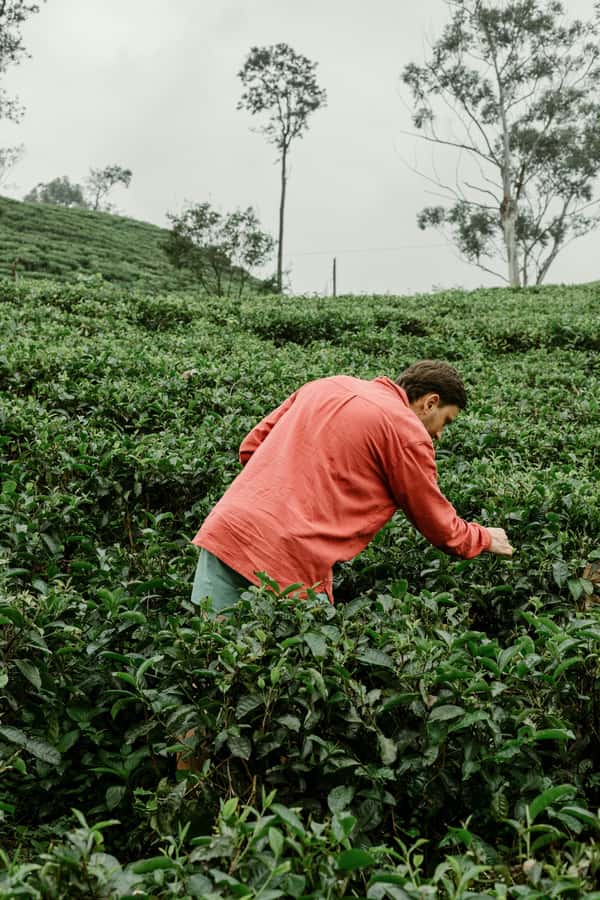
- Leaf plucking with estate workers so you see tea picking up close, not as a photo-op
- A working tea factory tour that explains how tea is processed and manufactured
- Guided tasting of different tea grades so you can actually taste the differences
- Hikes along winding trails through endless rows of tea bushes for real immersion in the tea fields
- Village lunch included with local ingredients and flavors at the end of the day
- Guides like Dinu, Thushan, and Dinuka are repeatedly praised for warmth, care, and going the extra mile
How the day is paced in Haputale’s tea country (and why it matters)
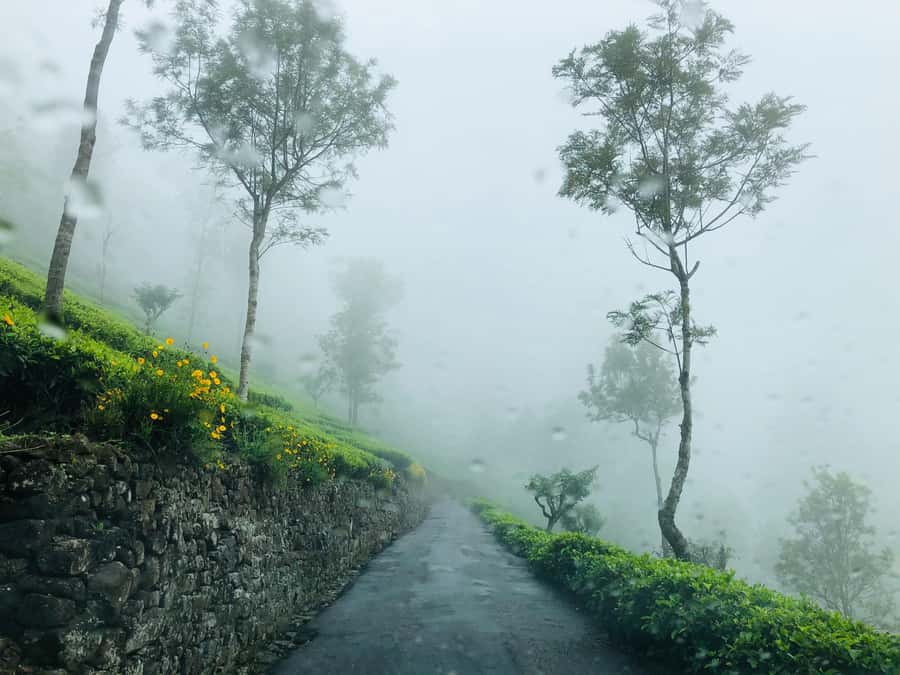
This tour runs about 5 hours, and it’s built around one key idea: show you how tea grows, how it’s handled, and what it tastes like, all in a tight window. That matters in the central highlands, where transport time can quietly eat your day.
You’ll start with hotel pickup from one of four options: Ella, Bandarawela, Haputale, or Beragala. Then you head out by tuk tuk for two segments (each listed as 45 minutes) before returning to one of the same drop-off areas. The transport isn’t a “wasted” part of the experience; it’s how you get you into the working tea areas and back without turning the day into a long slog.
The small group size (up to 15) is also a big deal. In a place like tea country, where schedules and paths are shared with workers, keeping the group tight reduces bottlenecks. You get more time for hands-on moments like leaf plucking, and your guide can actually respond instead of rushing.
You can also read our reviews of more tours and experiences in Ella Sri Lanka.

The tea factory stop: where the story turns from plant to product
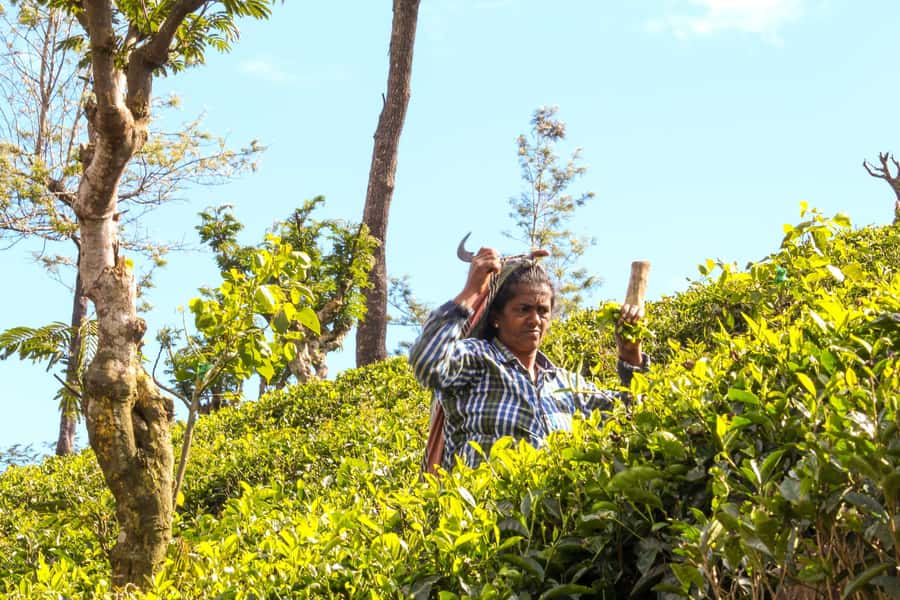
A highlight here is the visit to a working tea factory. This isn’t framed as a museum-style display. It’s about seeing how tea is processed and manufactured, which helps you connect the dots between what you saw in the bushes and what ends up in your cup.
Why this step is so valuable: factory visits answer the questions people usually carry home. How does the leaf go from fresh-picked to drying and processing stages? Why do different grades taste different? Even if you don’t catch every technical detail, the big picture becomes clear once you’ve watched the workflow.
You’ll also get an English live tour guide, which is important for a factory visit. Tea terms can be confusing fast, and having someone translate what’s happening into plain language keeps you from feeling lost in the mechanics.
One practical tip: don’t plan to treat the factory as a quick photo stop. Give yourself a few minutes to watch, ask, and absorb. That’s where the tasting later makes more sense.
Plucking tea leaves: the hands-on moment most people remember
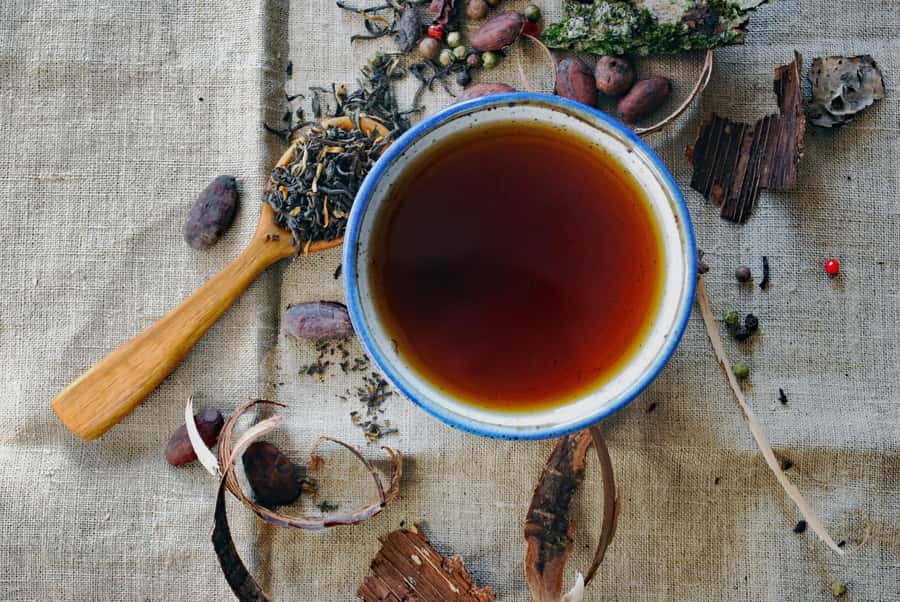
The tour includes time to pluck fresh tea leaves alongside estate workers. This is the part that turns the day from “interesting viewing” into a real skill-based experience. Leaf plucking teaches you how selective tea picking is, and it helps you understand why tea handling begins immediately after plucking.
What you’ll notice right away is that this isn’t random harvesting. The process has a rhythm, and the workers do it every day. When your guide helps you understand what to look for, it stops being a chore and starts being a lesson you can feel in your hands.
This segment is also where the top-rated reviews hit hard. Guides like Dinu, Thushan, and Dinuka are mentioned for being friendly and careful with the group dynamic, and for making the experience feel personal. When someone takes a hands-on activity seriously, you tend to get more from it, not less.
Good mindset for this stop: treat it like learning a small task, not performance. You’re there to get a sense of the work, not to prove speed.
The tea bush hike: winding trails, real scale, and working fields

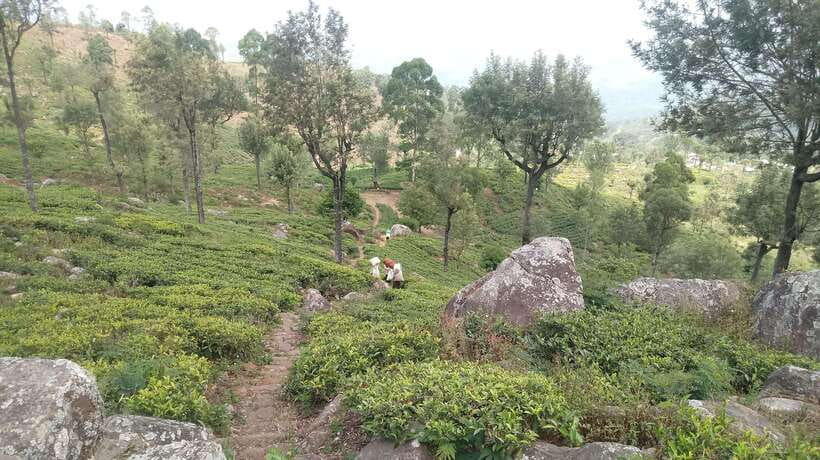
After pickup and transport, you’ll spend time hiking along winding trails through endless rows of tea bushes. This is where you get the scale of the plantations. And unlike a quick viewpoint, a trail walk forces your brain to register depth, slope, and how tea is actually laid out in the hills.
The positive part of this segment is the pace. Because the tour is only 5 hours total, you get a hike that’s substantial enough to feel meaningful, without becoming a whole day of trekking. It also gives you time to look around before the factory and tasting shift your focus.
The main drawback is the obvious one: you’ll be walking on estate paths. Bring comfortable shoes and plan for uneven ground. If you’re not used to walking on trails, take it slower when the path narrows and the group is moving as one.
Also, if you’re sensitive to long static periods, this is a good tour. You’re not stuck sitting in a van with only one stop. The day changes shape a few times, which keeps it from feeling monotonous.
Tea tasting: turning flavors into something you can recognize at home
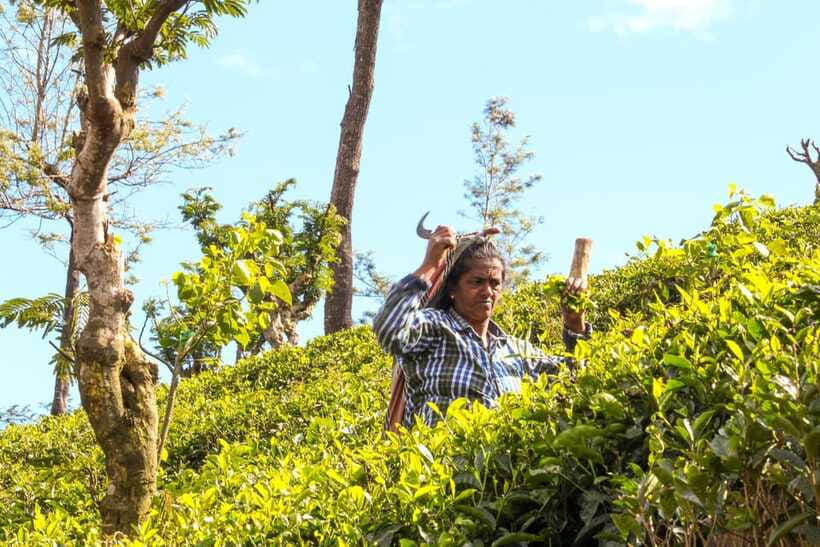
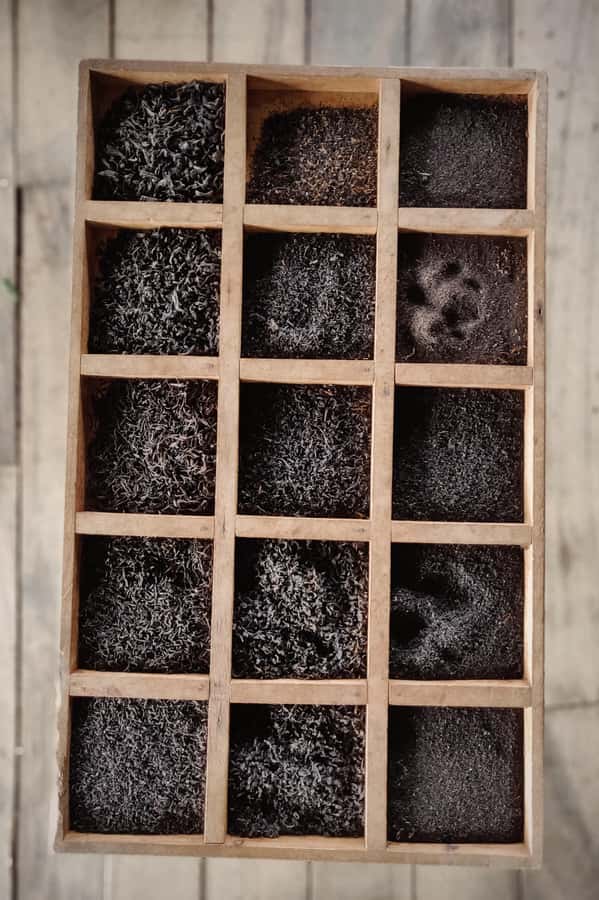
The tour includes tea testing and a guided tasting session where you sample different grades of tea. This is often the make-or-break moment on tea tours, because tasting without context becomes a guessing game.
Here, the value comes from how the tasting follows the story you’ve already seen:
- You plucked leaves, so you have a reference point.
- You toured a working factory, so you understand processing happens fast and matters.
- Then you taste, so you can link grade differences to real taste outcomes.
To get the most out of this stop, don’t just focus on which tea tastes best. Focus on how they differ—brightness, strength, and any changes you notice between types. Even simple observations help you remember, and they make shopping after your tour less confusing.
Guides like Dinu, Thushan, and Dinuka are praised for hospitality and extra care, and that kind of attention matters at tasting time. If the guide helps you interpret what you’re tasting, you leave with real recall instead of a vague memory of warmth in a cup.



Village lunch in a local setting: food that finishes the loop
The day ends with an authentic village lunch. Reviews consistently call out the lunch as amazing, even among the best meals people had in Sri Lanka. That’s meaningful because food on tours can go either way: sometimes it’s generic, sometimes it’s local and memorable.
Why I think this stop is a smart inclusion: it connects tea country to daily life. Tea isn’t just a product; it’s part of the region’s economy and rhythm. Eating local food after you’ve spent the day among tea bushes gives the tour a human ending, not just a checkout counter moment.
If you’re deciding between tea tours, pay attention to meal type. An included village lunch is a real value add because it removes the stress of finding food after a half-day of touring, and it keeps your timing aligned with the rest of the day.
Price and value: is $60 per person fair for what you get?
At $60 per person for about 5 hours, this tour isn’t the cheapest option in Sri Lanka, but it’s priced like an organized, staff-supported experience. And the list of what’s included is the key to the value argument.
You’re getting:
- Hotel pickup and drop-off (from four possible locations)
- Entrance tickets
- Lunch
- Tea testing
- Water bottles
- A live English tour guide
- A small group capped at 15
- Transport via tuk tuk during the day
When a tour includes both the food and the tasting, you’re not paying extra for those “nice-to-haves” later. The factory visit and the hands-on leaf plucking also require staffing and coordination, which adds real cost. In other words, you’re paying for guided access and interpretation, not just a bus ride through scenery.
If you’re a tea lover, the tasting plus factory context makes the money feel more earned. If you’re mainly chasing views with minimal interest in tea processing, you might find you want a lighter, viewpoint-focused outing instead.
Who this tea plantation tour suits best
This is a strong match if you like:
- Hands-on experiences (leaf plucking is the big one)
- Getting a sense of the full tea workflow: bush to factory to cup
- Food that feels local, not just convenient
- Small group days where the guide can answer questions
It’s also a good fit if you’re traveling from Ella, Haputale, Bandarawela, or Beragala and want a structured half-day without having to plan transportation yourself.
On the other hand, it’s not right for you if you:
- Are pregnant
- Have pre-existing medical conditions
- Struggle with walking on trails (you can be careful, but it’s still a hike)
Practical advice to get the best day possible
- Wear comfortable shoes and plan to move through estate paths.
- Keep your expectations aligned with a 5-hour schedule. You’ll see a lot, but it’s not meant to be a slow, all-day wandering session.
- Go into the tea tasting ready to compare. If you treat it like a blind flight, you’ll remember less.
- If you care about language clarity, the English guide is a plus. Use that time to ask the basic questions you’d normally wonder about at home.
Also, lean into the guide’s role. The top notes across reviews are about hospitality and care, including guides going above and beyond. In a hands-on day, that kind of guidance often changes how confidently you participate.
Should you book this tea adventure in Haputale?
If you’re craving more than tea selfies, I’d book it. The combination of leaf plucking, a working factory visit, and a guided tea tasting is what turns it from a scenic activity into a story you can repeat. Add the included village lunch, and you’ve got a half-day plan that feels complete.
I’d skip it only if your priorities are pure relaxation, you can’t handle walking trails, or you fall into the stated health limitations. For everyone else, this is one of those experiences where you leave with both flavor memory and a better understanding of how Ceylon tea actually gets made.
If you choose to go, pick the pickup point that makes your start easiest. The day moves in a tight rhythm, and starting smoothly helps you enjoy every stop instead of managing logistics on the fly.
FAQ
How long is the tea plantation tour?
The tour lasts about 5 hours.
What are the pickup locations?
Pickup is available from Ella, Bandarawela, Haputale, and Beragala.
Is the tour in English?
Yes. The live tour guide speaks English.
How big is the group?
The group is kept small, with a maximum of 15 participants.
What’s included in the price?
It includes hotel pickup and drop-off, entrance tickets, water bottles, lunch, and tea testing.
What will I do during the tour?
You’ll hike through tea plantation trails, pluck fresh tea leaves with estate workers, visit a working tea factory, and join a guided tea tasting.
Is tea tasting part of the experience?
Yes. Tea testing and a guided session with different tea grades are included.
Is it suitable for pregnant travelers or people with medical conditions?
No. It’s not suitable for pregnant women or people with pre-existing medical conditions.
What are the cancellation and booking options?
Free cancellation is available up to 24 hours in advance for a full refund, and you can reserve now and pay later.