REVIEW · BIG ISLAND OF HAWAII
Hawaiian Tikis and Guava Tea
Book on Viator →Operated by Paradise Unplugged · Bookable on Viator
Tikis on a lava trail sounded odd to me, but this Fern Forest stop turns it into real, walkable art. I like two things most: the life-sized chess tiki welcome and the off-grid Okina prototype built from 100% recycled pallets. You’ll also be surrounded by tropical plants, wildlife, and a naturally uneven lava flow path that keeps the whole visit feeling grounded.
One thing to consider: the route follows an uneven lava landscape, so wear grippy shoes and don’t plan on a stroller-friendly experience.
In This Review
- Key points before you go
- Entering Fern Forest: chess tikis and recycled-pallet art
- The 300+ hapu’u fern walk: why this part matters
- Lava rock sculptures: art you can walk around
- The Okina prototype house: recycled pallets, water, and solar
- Hands-on moments (when they happen)
- Price and value: what $75 buys you here
- Best day and shoe choice: practical tips that help
- Who this tour fits best
- Should you book Hawaiian Tikis and Guava Tea?
- FAQ
- How long is the Hawaiian Tikis and Guava Tea tour?
- How much does the tour cost?
- Where is the meeting point, and where does the tour end?
- What time does the tour start?
- How many people are in the group?
- Is the tour offered in English?
- Are service animals allowed?
- Is there free cancellation?
Key points before you go
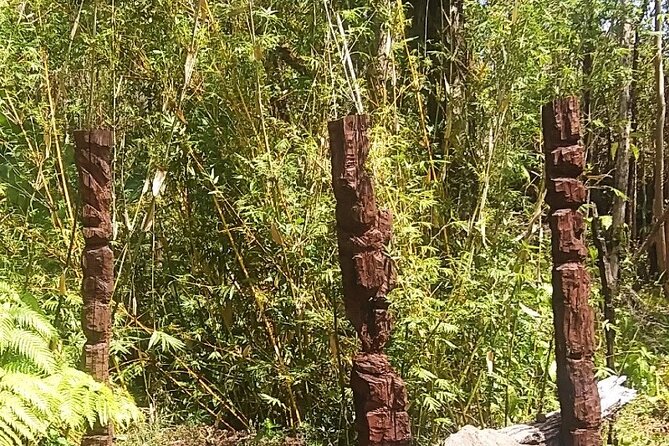
- 7 life-sized chess tikis greet you along a fence made from 100% recycled pallets
- A naturally uneven lava flow path makes the walk feel authentic, not staged
- 300+ hapu’u ferns are shown in their natural environment
- Lava rock sculptures, including a site-specific Rasta stone carving, add texture and story
- The Okina prototype house uses water catchment and solar electricity to show off-grid living
- Small groups (max 10) and an English-guided format keep it personal
Entering Fern Forest: chess tikis and recycled-pallet art
This is the kind of Big Island outing that feels more like visiting a carefully built property than checking a box. You meet in Fern Forest at Jungle King Avenue (Jungle King Ave, Fern Forest, HI 96778), and the experience loops back to the same meeting point at the end. The vibe is simple: you arrive, you walk, you look closely, and you learn how someone has used local materials and slow, hands-on work to shape a place.
The first wow moment is immediate. You’ll see seven life-sized Hawaiian tiki statues set along a fence made from 100% recycled pallets. They’re not generic carvings, either. These tikis represent a chess set, which makes the artwork playful and gives you something to notice as you move—tiki details become a “what am I seeing?” game instead of background decoration.
I also appreciate how the tour uses the land itself. Rather than trying to flatten or tidy everything, the path follows a naturally formed uneven lava flow. That means your feet do some work, but it also means the scenery stays honest: black lava textures underfoot, plants reclaiming space, and an atmosphere that feels more like jungle travel than museum travel.
You can also read our reviews of more tours and experiences in Big Island of Hawaii.
The 300+ hapu’u fern walk: why this part matters
The fern section is the heart of the visit. You’ll move through a lava flow path where you’ll see over 300 hapu’u ferns growing in their natural environment. These are the kinds of plants that look “cool” in pictures, but feel different when you’re close enough to notice scale—how much ground and air they take up, how they shape the light, and how the whole area changes when you’re standing among them.
What I like here is that it’s not just a photo stop. The way the tour is structured—keeping you on the uneven lava path and moving through a dense pocket of growth—helps you understand the setting as a living system. Ferns aren’t random background greenery. They’re a sign of moisture, shade, and local conditions, and the area around them feels tuned for survival.
You’re also surrounded by a mix of tropical plants and trees, plus wildlife you might spot as you pause and look. The timing helps too. This tour runs at 2:30 pm, when the light can still feel bright but the day’s heat may be more manageable than midday. It’s a practical slot for people who want something active without starting at dawn.
If you’re traveling with kids, this kind of “watch and notice” walking tends to go over well because there’s always something new in the frame—fern fronds, lava texture, or the next sculpture.
Lava rock sculptures: art you can walk around
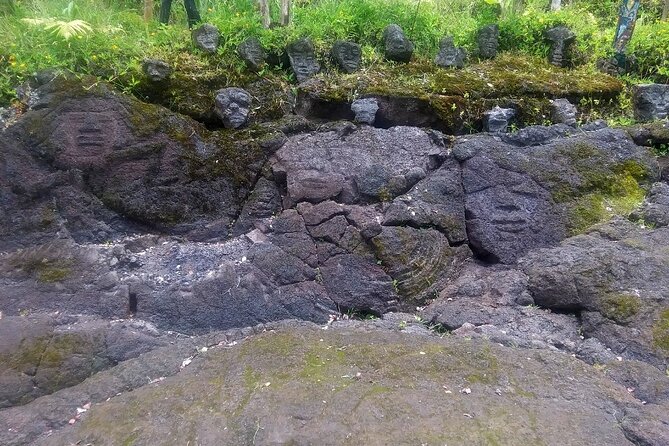
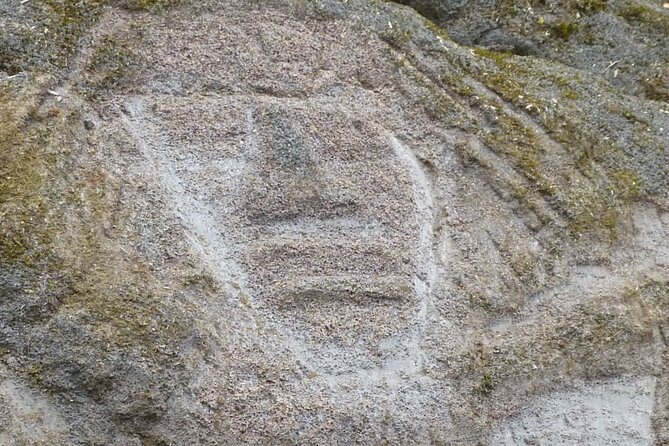
Along the fern route, you’ll also see lava rock sculptures. Lava rock is one of those materials that’s uniquely Big Island, and when it’s worked into carvings, it gives you a clear sense of place. The sculptures aren’t just decorative. They help break up the walk into moments—pause here, look closer, then keep going.
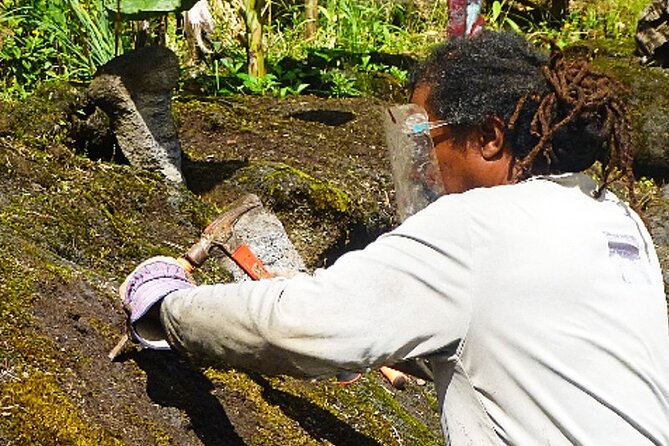
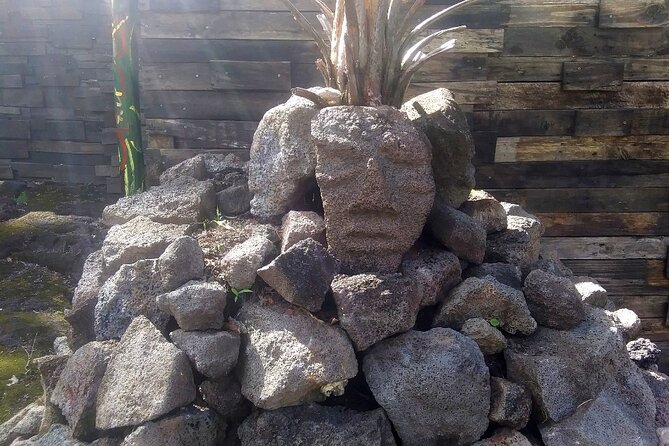
One detail that impressed me is the Rasta stone sculpture positioned in situ. Instead of moving it into a clean display spot, it’s integrated into where you find it. That choice matters. It keeps the art connected to the land and makes the visit feel less like “art gallery” and more like “someone built here.”
And if you’re the type who likes craftsmanship, this is a good stop. The property’s overall look comes from hands-on building and carving, not mass-produced pieces. In a review context, I’ve heard how the hosts cleared and built structures themselves, which matches what you’ll see on the ground: there’s a lived-in quality to it.
The Okina prototype house: recycled pallets, water, and solar
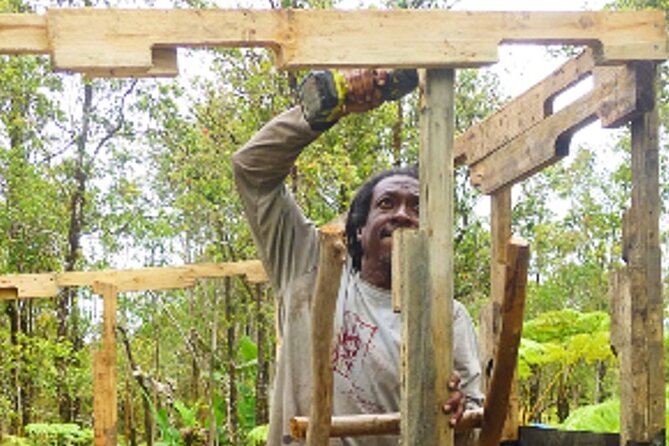
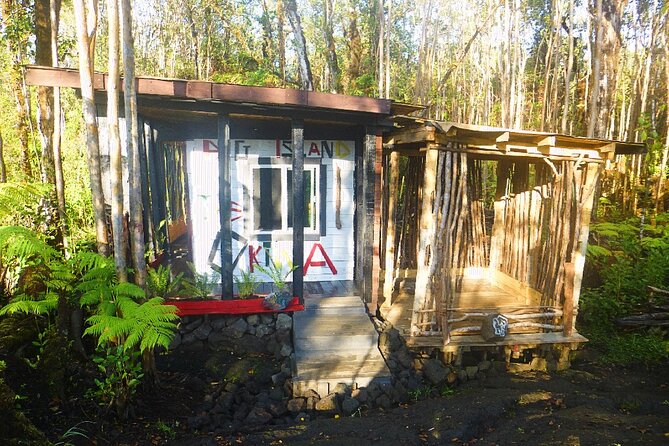
After the plant and sculpture walk, you arrive at The Okina, a prototype house built from 100% recycled pallets. This is where the tour shifts from “wow, cool art” to “wait, this is serious design.” The hallways and sleeping area are about 100 sqft, which means it’s not about luxury. It’s about function—and it forces you to think small and practical.
Inside, you’ll see original mixed-media artwork included in the space. That turns the cabin from a technical demo into a lived creative space. Even if you don’t normally care about architecture, it’s the kind of detail that makes you slow down and look.
Two systems stand out because they connect the build to real-world off-grid thinking:
- a water catchment setup
- solar electricity
These aren’t just buzzwords. On a property like this, you’re seeing how someone planned for daily needs using the resources available on site. It’s a tangible lesson in sustainability that doesn’t feel preachy. It’s simply how the place works.
I also like that you can sense the overall theme: nature plus human ingenuity, using what’s on hand. If you’re interested in homesteading or how people adapt to island conditions, this is the most direct, practical part of the tour.
Hands-on moments (when they happen)
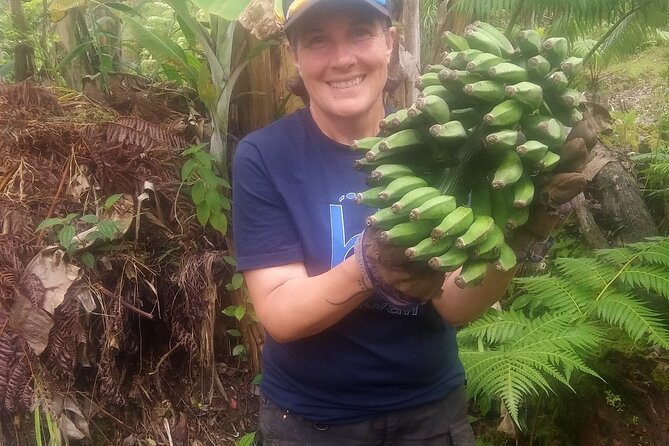
A major reason people enjoy this tour is that it’s not strictly lecture-style. In review experiences, I’ve seen how Jason and Nikki bring the visit to life with real enthusiasm, and how they’ve offered kids a try at carving wood and chiseling rock.
Now, you shouldn’t assume you’ll be handed tools the moment you arrive. But the fact that they sometimes do hands-on tryouts is a good sign. It means the hosts are open to interaction, especially for families. If your kid is curious and not too shy, this is the sort of tour where curiosity gets room to grow.
If you’re visiting solo or as a couple, the friendly, small-group format (max 10) still helps. You can ask questions, linger a bit at the fern sections, and get context for the tiki and rock carvings without feeling rushed.
Price and value: what $75 buys you here
At $75 per person for about 2 hours, this isn’t a “cheap and cheerful” attraction. But the value is strong for a specific reason: you’re paying for a small-group, guided experience on a real property where the art and structures are tied to the land and built by the people hosting the tour.
A few practical value points:
- You’re getting design + nature + art in one visit (Fern Forest plants, lava sculptures, and The Okina build).
- The group size cap of 10 travelers helps keep the experience personal instead of crowded.
- The core elements feel grounded and handcrafted: recycled pallets, lava rock work, and a functional off-grid prototype.
- The tour includes an admission ticket marked as free for this activity, so you’re not hit with another baseline charge on top of the tour price.
One more timing note: the experience is often booked about 33 days in advance on average. That’s a hint to plan ahead. If you’re traveling during popular weeks, booking early gives you a better chance at the exact afternoon slot.
Best day and shoe choice: practical tips that help
Because you’re walking an uneven lava path, you’ll be happiest if you treat this like a light hike with stops. Bring grippy shoes, and plan to stay aware of footing during transitions—especially on darker, rough lava textures that can look solid but are uneven underfoot.
The tour starts at 2:30 pm, and that works well for:
- families who want an afternoon activity that doesn’t eat the whole day
- couples who want something different from beaches and viewpoints
- anyone who likes plants but also wants a human story attached to them
If you’re sensitive to rough footing or you’re pushing a stroller, you’ll want to think about whether you can handle uneven terrain. The tour data says most travelers can participate, but it doesn’t describe it as flat and easy.
Weather-wise, Fern Forest is a rainforest kind of area, so expect it to feel humid. Even if it’s not raining, the ground and air can feel different from drier Big Island regions. Light layers and water help.
Who this tour fits best
This experience is a strong match if you like:
- authentic, off-the-grid creative spaces
- nature walks that don’t feel rushed
- art that’s tied to local materials (lava rock) and local building choices (recycled pallets)
- family-friendly interaction, especially if your child likes hands-on moments
It’s also a good pick if you’re doing the Big Island at a slower pace. Instead of darting to another view and forgetting it later, you get a focused, 2-hour story in one place: chess-tiki symbolism, fern ecology, rock carving, and the Okina prototype’s practical systems.
If you’re expecting a traditional “tourist attraction” with polished exhibits and lots of sitting time, you might find the structure more rustic. But if you want the real texture of how a creative homesteading property feels, you’ll likely enjoy it.
Should you book Hawaiian Tikis and Guava Tea?
I think you should book it if you want a small-group afternoon that mixes hapu’u ferns, lava rock art, and a recycled-pallet off-grid cabin prototype in one coherent visit. It’s also a great choice for families who value something interactive and real over something purely performative.
Don’t book it if you need an easy, flat walking route or you’re not into spending time close to plants and natural ground. But if you’re game for uneven lava paths and you like seeing what people build with local materials, this one is well worth your $75.
FAQ
How long is the Hawaiian Tikis and Guava Tea tour?
The tour is about 2 hours.
How much does the tour cost?
It costs $75.00 per person.
Where is the meeting point, and where does the tour end?
You meet at Jungle King Avenue, Fern Forest, HI 96778, USA. The activity ends back at the same meeting point.
What time does the tour start?
The start time listed is 2:30 pm.
How many people are in the group?
The tour has a maximum of 10 travelers.
Is the tour offered in English?
Yes, it’s offered in English.
Are service animals allowed?
Service animals are allowed.
Is there free cancellation?
Yes. You can cancel up to 24 hours in advance for a full refund.