REVIEW · TOKYO
Authentic Japanese tea tasting session: sencha, matcha, gyokuro
Book on Viator →Operated by ShiZen Tea · Bookable on Viator
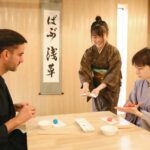
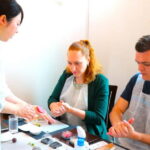
A quiet room beats a crowded show. This Japanese tea tasting session at ShiZen Tea turns 90 minutes into a clear taste-and-learn lesson, with Yosuke guiding you step by step. I love the small group size (max 4) because it makes questions feel easy, not rushed.
You also get to compare sencha, matcha, and gyokuro side by side, which makes the flavors easier to place and remember. I like that the session focuses on how tea is made and why that matters, not on fancy pageantry.
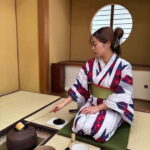
One caution: this is not a tea ceremony. If you mainly want the full ritual, this will feel more like an organized tasting class than a traditional performance.
In This Review
- Key highlights worth planning around
- Tea tasting Tokyo, built for real comparison (not just sipping)
- What makes this session feel authentic
- No tea ceremony here: what that changes for your experience
- Your guided flight: sencha, matcha, gyokuro and the logic behind each
- Sencha: the everyday benchmark
- Matcha: more than a trendy drink
- Gyokuro: shading and the flavor payoff
- The rest of the flight: why extra teas matter
- Brewing lessons you can use the next time you order tea
- Premium vs everyday tea: what you learn about quality
- The host matters: working with Yosuke at ShiZen Tea Experience
- Price and timing: is it worth about $90.80?
- How to get the most out of your tasting session
- Who should book this Japanese tea tasting class
- Should you book it
- FAQ
- FAQ
- What tea types will I taste?
- Is this a tea ceremony?
- How long is the tea tasting session?
- Where is the meeting point?
- How many people are in a group?
- Can I cancel for a full refund?
Key highlights worth planning around
- Max 4 people means more back-and-forth questions during the tasting
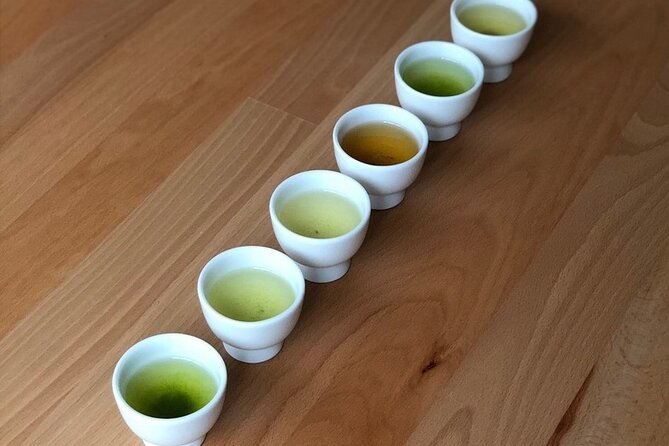
- Sencha, matcha, gyokuro plus other green tea types for real comparison
- Premium and everyday teas together so you can taste what changes the price
- Production and history notes attached to each tea, not dumped all at once
- Guidance on brewing choices like temperature, so you taste on purpose
Tea tasting Tokyo, built for real comparison (not just sipping)
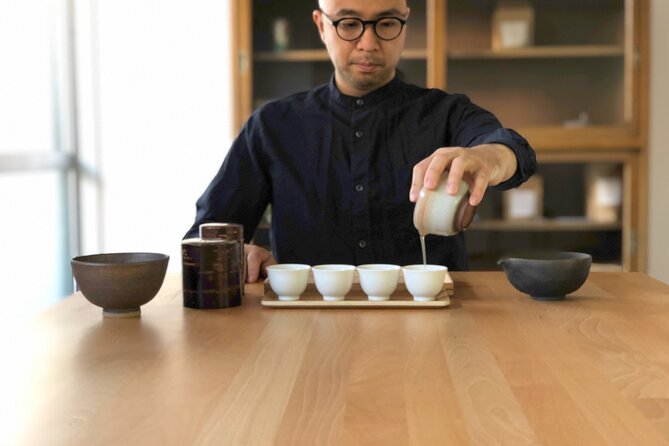
Tokyo has no shortage of tea stops. But this one works because it is structured like a comparison lesson. You are not just given cups and told to enjoy. You’re guided to notice what changes when the tea type changes, and why.
The session runs about 1 hour 30 minutes, starting at 1:30 pm, and it returns you to the same meeting point. You meet at ShiZen Tea Experience, Morishita 2-chōme 28-3, TM Mansion 202, Koto City, Tokyo (135-0004). It is near public transportation, which matters because the session is short enough that you do not want a long slog to reach it.
One practical win: you get a mobile ticket, and you receive confirmation at booking. That helps if you’re juggling train schedules and want something simple you can show on your phone.
You can also read our reviews of more tours and experiences in Tokyo.
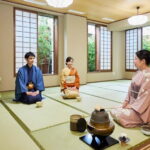
What makes this session feel authentic
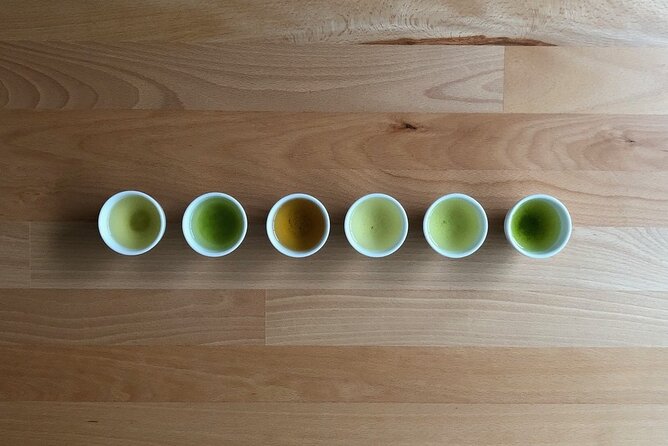
This is an authentic Japanese tea tasting in the way that counts: you get context for what you’re drinking. The vibe is focused, calm, and educational. And it avoids the common tourist trap of treating tea as a generic drink with a generic story.
A key detail is the lineup. The session describes tasting 12 different types of Japanese tea, and you will definitely cover the big three you named—sencha, matcha, and gyokuro. In one completed session I studied, the tasting count was listed as 9 different teas, so think of it as a curated flight where the exact number can vary by schedule, while the core categories and guided explanations stay consistent.
Another authenticity factor: the host doesn’t just talk about flavor. You get production information and historical background tied to each tea. That’s how you avoid the problem of tasting something great and not knowing what to ask for later.
No tea ceremony here: what that changes for your experience
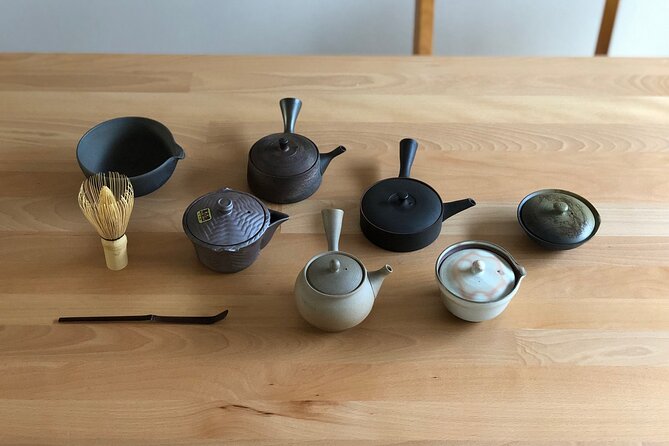
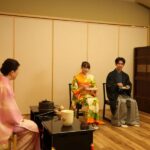
The operator is clear that this is not a tea ceremony. You won’t be watching a ritual performance. Instead, you’ll focus on taste, production, and history.
For some people, that’s exactly the point. If you’re the type who enjoys wine tastings, where the fun is in noticing differences and learning how it’s made, you will likely love this format. It moves at a steady pace, and you’re guided so you know what to look for.
The tradeoff is simple: if you were hoping for choreography, symbolism, and a slower meditative pace, you may want a different activity. Here, the goal is clarity. You’ll leave with a better sense of what kinds of Japanese green tea you actually prefer.
Your guided flight: sencha, matcha, gyokuro and the logic behind each
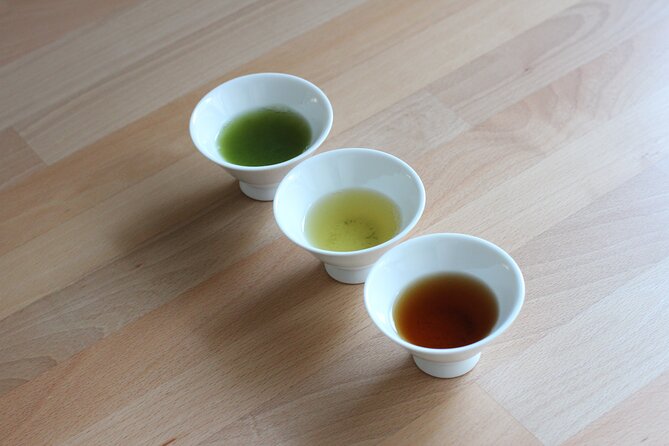
Let’s talk about the big three you’ll likely sample, and why ordering them together is smart.
Sencha: the everyday benchmark
Sencha is often the green tea most people meet first in Japan. In this session, it works as your baseline. When you taste sencha early, you start to understand what a typical steamed Japanese green tea tastes like in real life—not as a vague idea.
The bonus here is that you’re not just tasting once. You’re comparing. That’s what makes the later premium teas easier to judge.

Matcha: more than a trendy drink
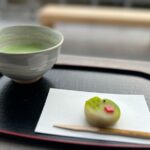
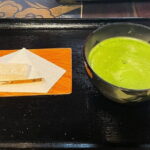
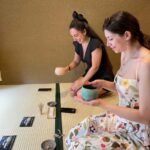
Matcha is a powder, but in a tasting setting it becomes more than a label. You learn how it’s prepared and what changes when tea becomes a different format. You also start to connect matcha’s flavor with production choices, rather than treating it like a separate category with no relationship to other green teas.
If you’ve only had matcha as a sweet latte, this kind of tasting can reset your expectations quickly. You’ll understand why plain matcha can taste more grassy, umami-forward, or vegetal depending on the tea type.
Gyokuro: shading and the flavor payoff
Gyokuro is often described as more delicate or richer, and the reason is tied to cultivation. In a guided session like this, you can connect the dots between farming choices and what ends up in your cup.
This is where the tasting comparisons get fun. The flight format helps you notice differences without needing to be a tea expert first.
The rest of the flight: why extra teas matter
Even though you asked about three teas, the session is designed to include other Japanese tea types as well. That matters because if you only compare the big names, you can miss the smaller stepping stones that explain gradations in quality.
You also get practical guidance on things like temperature to use for each kind of tea. That’s a big deal. Many people unknowingly overheat green tea or steep it too aggressively, which can flatten nuance or push bitterness forward. With instructions, you taste what the tea is meant to be.
Brewing lessons you can use the next time you order tea
A tasting class is only useful if it teaches you how to keep tasting well after the session ends. This one leans into that practical side.
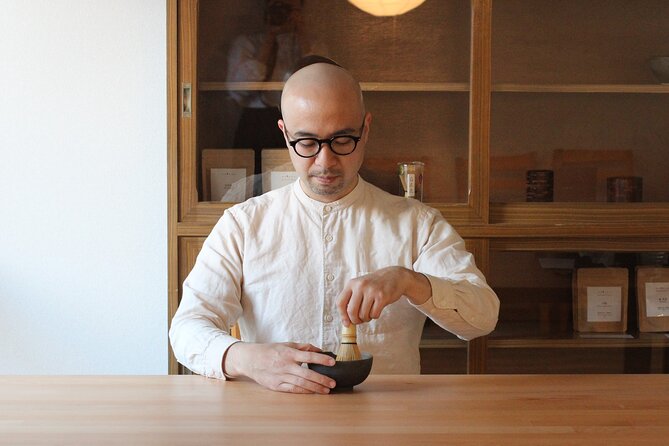
You’ll hear about how the tea is produced, and you’ll get guidance on how to prepare it for tasting—especially choices like temperature. That turns the experience from entertainment into a skill.
Here’s why I think that is valuable for you: Tokyo has tea everywhere, from convenience-store bottles to specialist shops. If you can order with a clearer idea of what you want, you spend less time guessing and more time enjoying.
Also, the session includes written support. In one case, a 9-page handout was mentioned as something you can follow while sampling each tea. Having a handout matters because it helps you remember what you learned once you’re back in your hotel and deciding where to shop next.
Premium vs everyday tea: what you learn about quality
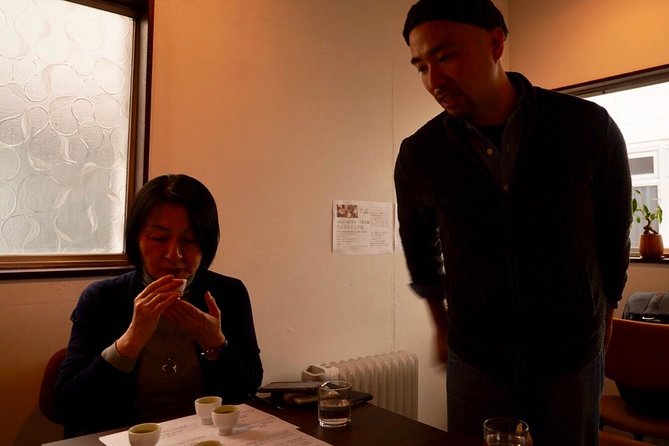
A big part of this session is the contrast between daily tea and high-end premium tea. That approach helps you answer the question many people have: why does tea that costs more taste better, and what exactly is better about it?
When you taste ordinary and premium tea in the same guided session, you get an immediate frame of reference. You’re not comparing a premium tea against your memory of a random cup from weeks ago. You’re comparing against what you just tasted, under the same learning guidance.
This is also where local-level uniqueness comes in. The session description says you’ll taste premium tea that can be truly special even for locals. In practice, that means you’re not only visiting well-known mass-market styles. You’re getting access to rarer distinctions that show up in flavor complexity and how the tea behaves.
The host matters: working with Yosuke at ShiZen Tea Experience
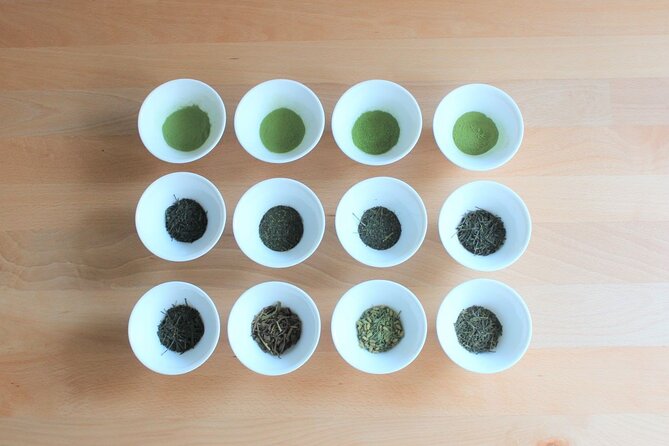
A tea lesson lives or dies on the guide, because you need someone to translate flavor into understandable details. The host, Yosuke, comes through as organized and methodical in how the tea is prepared during the session. That matters because preparation choices affect taste, and you want those choices handled consistently.
The best part is how the explanations are delivered alongside the tasting. You’re not stuck listening for a long time before you get to drink. You taste, you learn, you taste again.
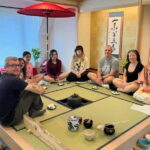
And because the group is capped at 4 travelers, you’re more likely to get your questions answered directly. That’s especially useful if you’re already curious about things like how different Japanese teas are grown and how that shows up in flavor.
Price and timing: is it worth about $90.80?
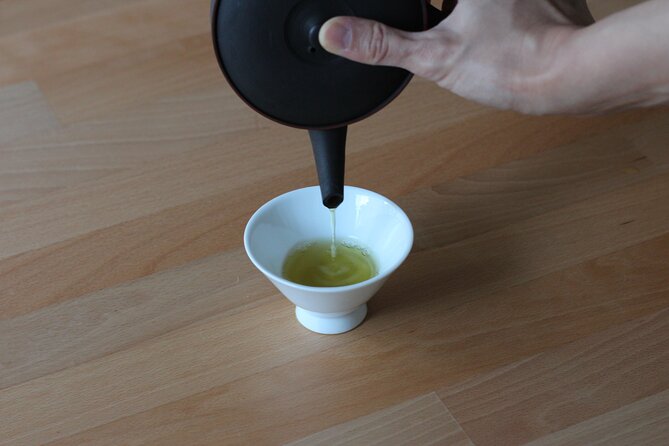
At $90.80 per person for about 1 hour 30 minutes, this isn’t the cheapest way to spend an afternoon in Tokyo. But it also isn’t meant to be. You’re paying for an expert-guided comparison, premium tea sampling, and instruction on production and taste.
A good way to judge value is to compare it to how much you’d spend trying to recreate the same tasting logic on your own. If you buy one expensive tea online and one basic tea nearby, you still won’t get the structured comparisons and preparation guidance. A guided session compresses that learning into one block of time.
One more scheduling detail: it’s often booked about 16 days in advance. That’s a hint you should plan ahead if you want a specific day, especially during busier weeks.
How to get the most out of your tasting session
You can turn 90 minutes into a lasting tea road map. Here’s what helps:
- Go with questions. Even if you only know the basics, ask how production changes flavor.
- Pay attention to preparation guidance like temperature. Bitter mistakes are common when people steep too hot.
- Taste slowly for the first few minutes. Your palate needs a moment to reset from outside smells and drinks.
- If you’re caffeine sensitive, inform the organizer before the session. That’s explicitly noted as something to flag ahead of time.
Also, since this is a focused class rather than a ceremony, come ready to learn. You’ll get more out of it if you’re in a teacher-friendly mindset.
Who should book this Japanese tea tasting class
This fits best if you are one of these:
- You like learning while you taste. If you enjoy wine tastings, you’ll probably enjoy this format.
- You care about Japanese food culture and history, not just flavor.
- You want to build confidence ordering tea in Japan, especially if you’re curious about quality differences.
- You want a small-group experience in Tokyo where it’s easier to ask questions.
It might be less ideal if you’re mainly looking for a visual, ritual-heavy experience. Again, this is not a tea ceremony.
Should you book it
I’d book this if you want a clear, guided way to understand Japanese green tea types. The combination of sencha, matcha, and gyokuro, plus other teas, gives you comparison power. The focus on production, history, and preparation guidance makes the session more useful than a simple tasting.
If you only want to try tea casually and you’re not interested in learning anything about how it’s made, you might prefer a cheaper tasting or a casual café stop. But if you want your afternoon to teach you something you’ll use later, this is one of the better bets in Tokyo.
FAQ
FAQ
What tea types will I taste?
The experience is described as tasting 12 different types of Japanese tea, and it specifically includes sencha, matcha, and gyokuro. The session also includes additional teas beyond those three.
Is this a tea ceremony?
No. This experience is not a tea ceremony. It is focused on tasting, how the tea is produced, and its history.
How long is the tea tasting session?
It runs for about 1 hour 30 minutes.
Where is the meeting point?
You meet at ShiZen Tea Experience, 135-0004 Tokyo, Koto City, Morishita 2-chōme 28-3, TM Mansion 202. The activity ends back at the meeting point.
How many people are in a group?
The maximum group size is 4 travelers.
Can I cancel for a full refund?
Yes. You can cancel for free up to 24 hours in advance of the experience start time for a full refund.