REVIEW · SOUILLAC
Mauritius: Tea and Sugar Plantation Guided Tour with Lunch
Book on GetYourGuide →Operated by Destination Soleil · Bookable on GetYourGuide
A tea estate day in Mauritius has its own rhythm. This guided route strings together tea, sugarcane, and rum in one smooth loop of fields, factories, and old colonial buildings. You’re not just looking at plants and landscapes, you’re learning how they shaped the island.
I love that the day is built around hands-on plantation time and practical stops like old processing sites and a tea tasting. I also really like that the 3-course lunch happens on the estate grounds, so you feel the place instead of racing through it.
One possible drawback: if you’re hoping for a long, very technical rum-factory walkthrough, the rum portion can feel less explanatory and more sales-focused depending on timing and staff. Also, like any estate visit, early closings can shorten one segment of the route.
In This Review
- Key highlights you shouldn’t skip
- Why this Mauritius plantation route feels different than a standard tour
- Getting to the plantations: pickup, timing, and how private actually feels
- Domaine des Aubineaux: colonial houses, camphor trees, and essential oil distilling
- Bois Chéri: factory machinery, tea museum calm, and tasting with biscuits
- Quick practical tip for this section
- Saint Aubin estate: sugarcane for rum, vanilla greenhouses, and animal encounters
- Lunch at Saint Aubin: what the 3 courses can mean for your day
- Rum tasting: fun moment, but ask for more production detail if that’s your goal
- Guides make the tour: Ibrahim, Sailen, Shilem, and Christopher
- Price and value for a private group of up to 2
- Who this tour suits best
- Should you book this Mauritius tea, sugar, and rum tour?
- FAQ
- How long is the Mauritius tea and sugar plantation guided tour with lunch?
- What’s included in this experience?
- Is tea tasting included?
- What about rum and sugarcane?
- What languages will the tour be guided in?
- Is the tour wheelchair accessible?
Key highlights you shouldn’t skip
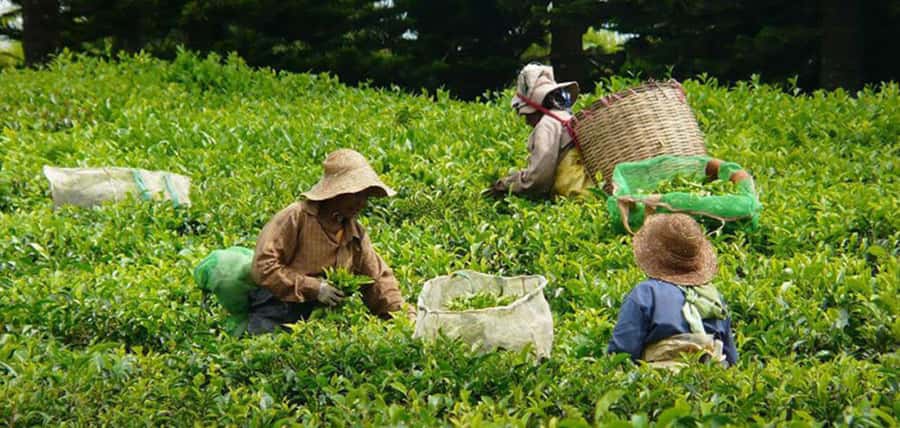
- Three estates, one storyline: tea production, sugarcane for rum, and the colonial backdrop that links them.
- Estate gardens you can smell: vanilla greenhouses and flower notes like anthurium on the path to your next stop.
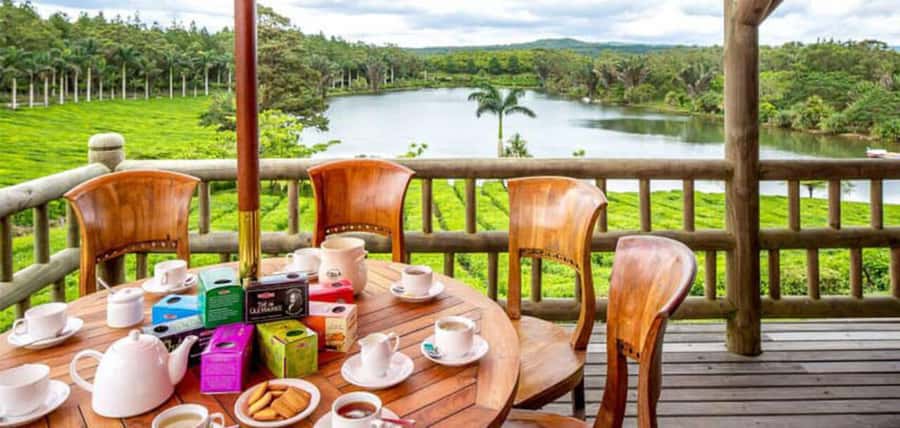
- Tea museum + tasting with biscuits: a simple, friendly way to connect plants to a cup.
- Botanical walks with animals: from birds to farm encounters (fawns, chicks, peacocks).
- Lunch in an estate setting: a proper 3-course meal on-site rather than a quick roadside bite.
- Guides named for a reason: Ibrahim and Sailen are repeatedly praised for calm driving and clear storytelling.
Why this Mauritius plantation route feels different than a standard tour
This is the kind of day that makes Mauritius feel more than beaches and day trips. The tour moves through working estates, so you see how tea and sugarcane aren’t just crops on a postcard. They’re tied to labor, colonial trade, and local know-how.
What keeps it engaging is the variety. You’ll walk through gardens, step into historical processing areas, taste tea and rum, and then end with a long lunch on the estate. That mix also helps if you’re traveling with someone who gets bored on long farm tours, because there’s always a new sense involved—smell, taste, then texture (and the occasional animal sighting).
For me, the best part is that the tour doesn’t treat tea and sugar as separate topics. It connects them through the broader story of how the island developed its plantations and manufacturing culture.
Getting to the plantations: pickup, timing, and how private actually feels
The day runs about 390 minutes (roughly 6.5 hours). You’ll get hotel pickup and drop-off, and pickup can be arranged from all over Mauritius, which is helpful if you’re staying away from the main tourist hubs.
This is a private group experience. In plain terms, you’re not stuck waiting behind a busload of people at every stop. The pacing feels smoother, with fewer crowd slowdowns and more time for your guide to answer questions along the way.
The guide may be French or English depending on what you book. If you care about language quality—clear explanations and not rushing—this is one of the biggest quality drivers of the day. Many guests have specifically named guides like Ibrahim and Sailen (and also Shilem or Christopher in other assignments) as standouts for how they connect the history, plants, and practical production details.
Domaine des Aubineaux: colonial houses, camphor trees, and essential oil distilling
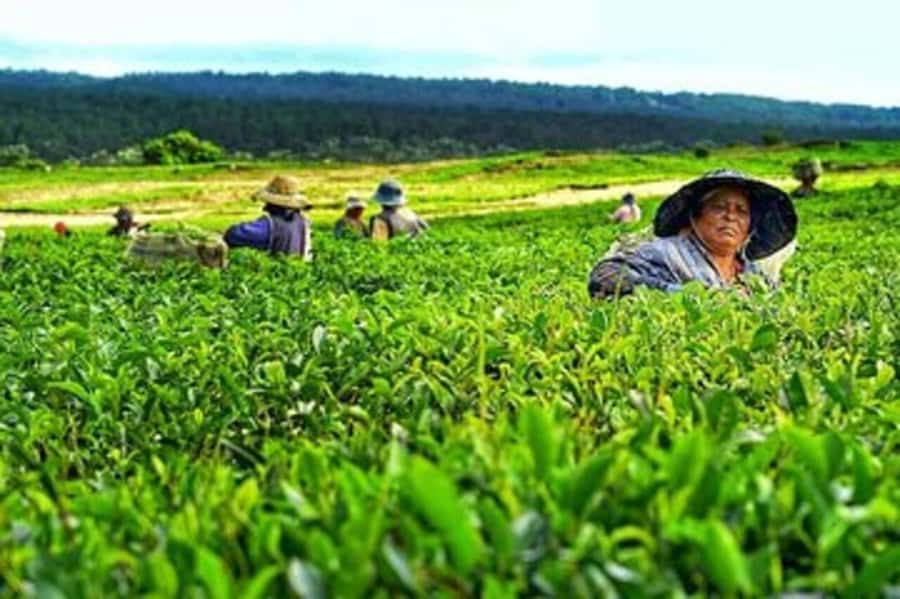
Your tour typically starts at Le Domaine des Aubineaux, and that first stop sets the tone. You begin with a look at historic colonial houses through a photo collection, which helps you place what you’re about to see in context. It’s a quick way to understand why estates became so important to Mauritius, long before you reach the tea fields.
Then you move into the estate’s natural parts:
- You’ll see a camphor tree garden.
- You’ll walk among trees tied to the endemic forest.
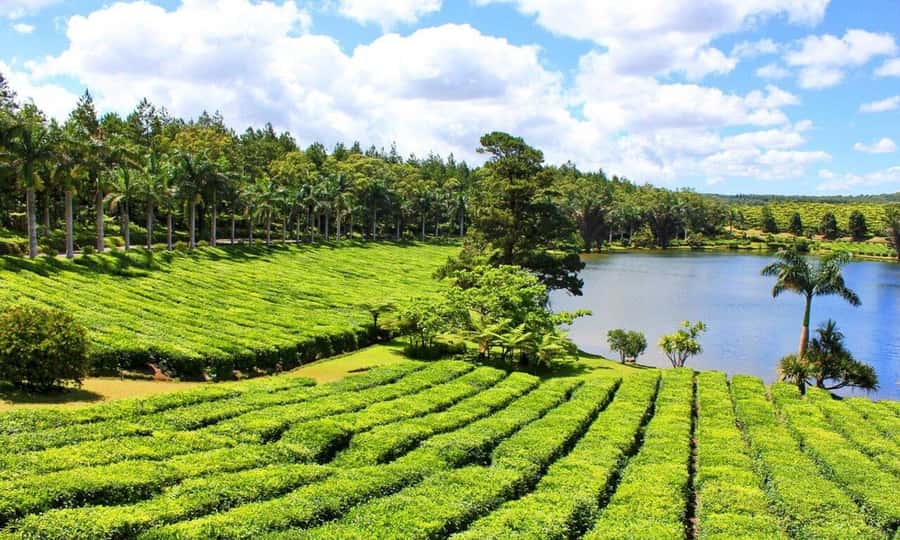
- And you’ll have time for the tea plantation views, where the work landscape starts to make sense visually.
From there, the tour shifts toward production. You’ll stop at an old stable turned distillery, where the focus is on distillation of essential oils. Even if you’re not a “chemistry person,” the tour does a good job making the process feel real. You’ll understand that it’s not just tea and sugar—plant-based production (and fragrance) has played a role in estate life too.
Watch-out detail: estate paths can be uneven in places, and there’s walking involved. If you’re slow on your feet, it’s worth telling your guide at pickup so they can pace you.
Bois Chéri: factory machinery, tea museum calm, and tasting with biscuits
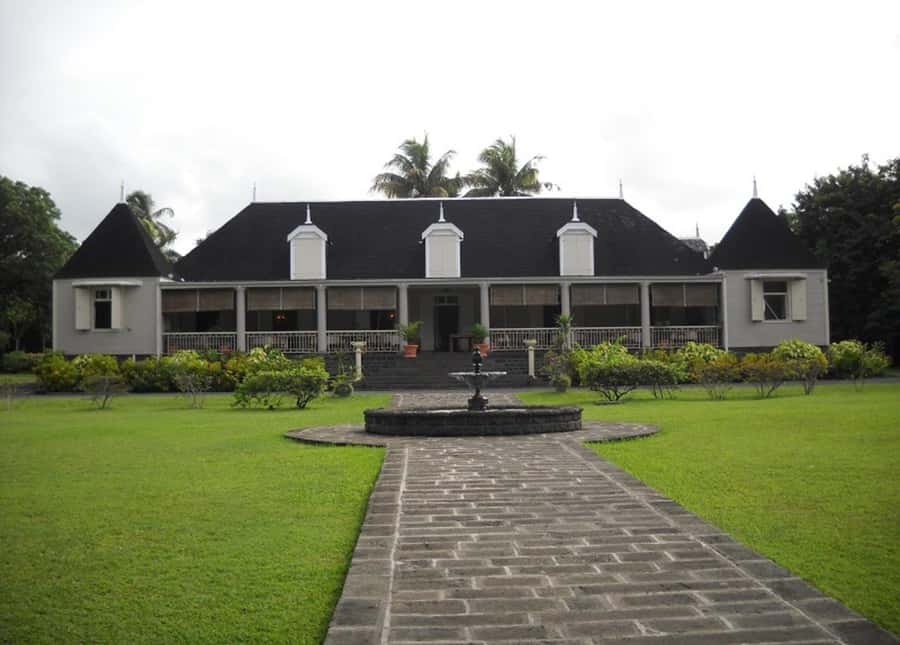
Next comes Le Domaine de Bois Chéri, where the day turns more technical in a friendly way. You’ll learn about the tea production process at the factory, and you’ll see old machines, plus 19th-century photos, tables, and historical documents.
This stop is valuable because it connects three things at once:
- What tea plants do in the field,
- What happens after harvest,
- How history shaped the methods used.
After the factory area, you’ll take a walk through the tea plantation and get stories and tales about Bois Chéri—how the estate developed and why tea became so central to Mauritius. That storytelling matters because tea production can otherwise feel like random steps. With the guide’s explanations, it becomes a sequence.
Then you’ll visit the tea museum and have a tea tasting, served with biscuits at the chalet. The tasting part is simple, but it’s the moment that makes the earlier stops click. You’re not just hearing about flavor—you’re connecting what you learned to what you taste.
Quick practical tip for this section
Arrive with a small appetite for patience. The factory and museum portions don’t feel like a checklist. If you like asking questions, this is one of the best times to do it. The guides praised in this experience have a knack for answering without turning it into a lecture.
Saint Aubin estate: sugarcane for rum, vanilla greenhouses, and animal encounters
At Le Domaine de Saint Aubin, the tour broadens out from tea. Here you learn about sugarcane—including how it’s connected to rum, with tastings included.
You also get a sensory break from factories and machinery:
- You’ll smell anthurium flowers.
- You’ll walk through vanilla greenhouses on a botanical trail.
This part works especially well if you like gardens but hate tours that only point and move on. You’ll get to slow down, notice smells, and feel like you’re walking through a working botanical space rather than a staged attraction.
Then comes one of the more memorable “breaks from content” in the itinerary: you’ll visit the farm and interact with animals and birds, including fawns, chicks, and peacocks. It’s not a zoo show. It’s more like a live farm moment—quick, unexpected, and fun, especially if you’re traveling with kids or someone who likes animals.
One planning note: farm and garden time can vary with conditions and the day’s flow. If your priority is photography, aim to have your camera ready during the greenhouse and animal stop, since those moments can be short.
Lunch at Saint Aubin: what the 3 courses can mean for your day
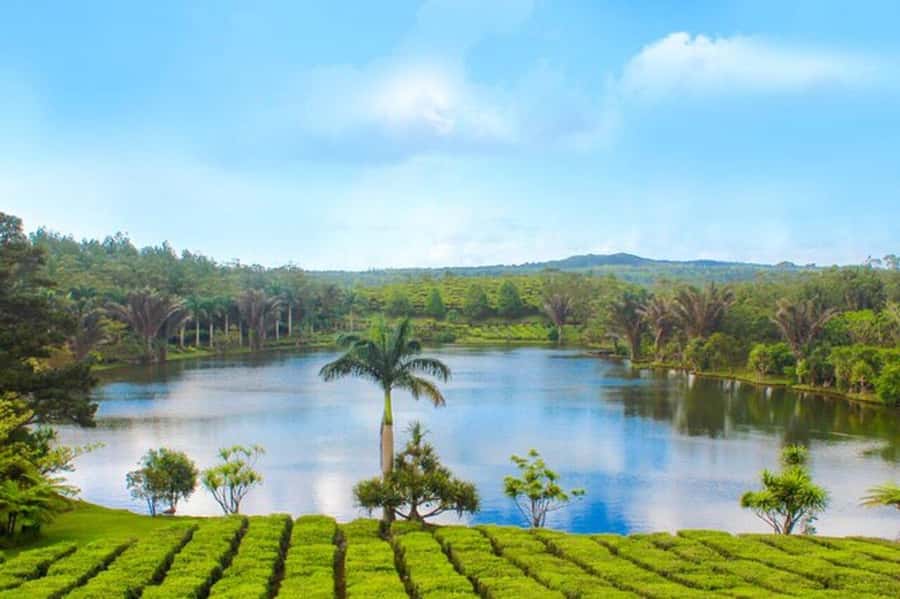
Lunch is served at Saint Aubin, and it’s a delicious 3-course meal on the grounds. This is one of those parts that quietly determines whether your day feels relaxed or rushed. A proper meal on-site also reduces transit time and keeps you in the estate atmosphere.
One of the most praised elements here is how the menu reflects estate ingredients. In particular, guests have highlighted a lunch that incorporated vanilla in multiple courses, including items like vanilla chicken, vanilla bread, and even a palm heart salad.
Still, there’s a small risk to flag. One guest noted the lunch felt like a fixed menu and wanted the option to change dishes. If you have dietary needs, it’s smart to ask ahead of time what can be adjusted, because the tour description doesn’t clearly promise customization.
Rum tasting: fun moment, but ask for more production detail if that’s your goal
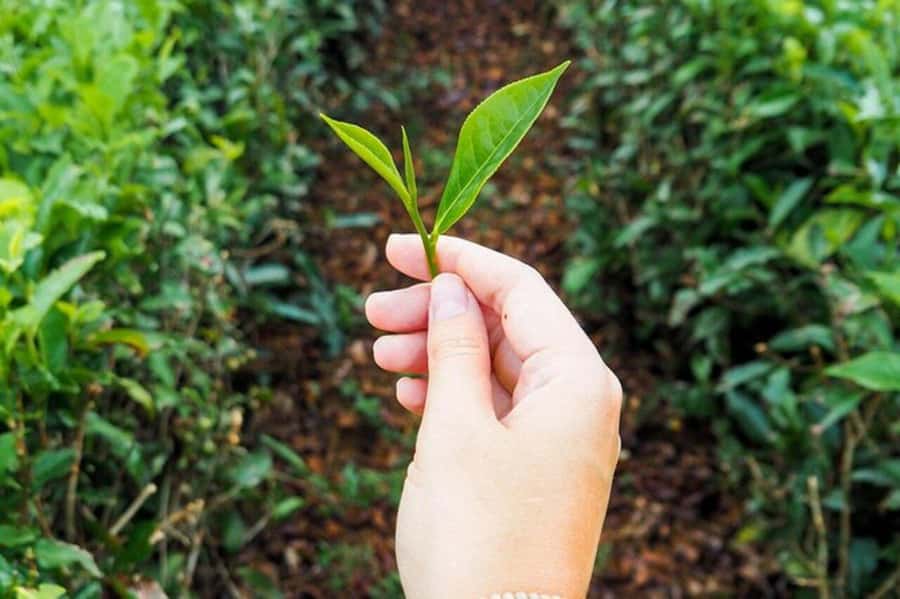
The day includes a rum tasting, tied to the Saint Aubin sugarcane story. For many people, it’s a satisfying end-cap: tea and sugar lead naturally into rum, and tasting makes the connection immediate.
That said, there’s a difference between tasting and a deep production explanation. One review described the rum stop as less informative and more focused on selling, which can be disappointing if you want step-by-step processing details.
My advice: go in expecting flavor and story, not a long engineering lecture. If you want more than that, ask your guide specific questions during the tasting about what you’re tasting and how the estate approach links back to sugarcane growing and processing.
Guides make the tour: Ibrahim, Sailen, Shilem, and Christopher
In experiences like this, the guide is the product. You’ll spend hours in cars, on paths, and in working spaces—so you want someone who’s calm, clear, and willing to adapt.
Names that come up repeatedly include:
- Ibrahim: praised for being calm, attentive, and very good at listening to preferences.
- Sailen: praised for broad knowledge tying together Mauritius history and flora, plus safe driving.
- Shilem: praised for being well-briefed and for adding extra context like showing the botanic garden around lunch time.
- Christopher: praised for being pleasant and helpful during the Bois Chéri portion.
If you care about a relaxed pace, pick a guide known for not rushing. If you care about deep explanations, pick one known for storytelling and plant details.
And regardless of who you get, take advantage of the quiet moments in transit. That’s when the best context often drops—how to read what you’re seeing when you arrive.
Price and value for a private group of up to 2
The price is listed at $350 per group (up to 2) for a 390-minute guided tour. That can sound steep at first glance until you price out what’s bundled:
You’re paying for:
- Hotel pickup and drop-off
- Guided visits to three estates (Aubineaux, Bois Chéri, Saint Aubin)
- Tea tasting with biscuits
- Rum tasting
- Lunch (3 courses) on the grounds
- A live guide (French or English)
For two people, it’s often good value because the cost doesn’t multiply the way it can on some transportation-heavy tours. Also, you’re not just paying for access—you’re paying for interpretation. Tea and sugar production can be confusing if you’re wandering without explanations.
If you’re traveling solo, you might want to think about whether you’ll truly use the private format. This tour shines when you can ask questions and linger at the stops that grab you.
Who this tour suits best
This is a great fit if you:
- Want a break from beach-only days.
- Like learning through real places—factories, farms, and estate gardens.
- Enjoy tastes and smells as part of the travel story (tea, biscuits, rum, vanilla).
It’s also a strong choice for couples who want a single full day that covers history, plants, and food without becoming a museum slog.
If you’re the type who hates walking in plantation settings, you may find the garden and farm portions a bit much. Bring comfortable shoes and assume you’ll be on your feet for a good chunk of the day.
Should you book this Mauritius tea, sugar, and rum tour?
Book it if you want a full, flavorful day that connects tea production, sugarcane-to-rum culture, and estate history in one logical route. The guided nature is a big part of why it works, and the lunch being on-site helps the whole day feel like one experience rather than scattered stops.
Skip it or adjust expectations if you’re mainly chasing a very deep rum-production workshop. The rum tasting is included, but the depth of explanation can vary. Also, if you have strict dietary requirements, it’s worth asking about lunch flexibility since at least one guest noticed the meal felt fixed.
If you decide to go, here’s my simplest tip: tell your guide what you want most—tea process detail, vanilla and plants, or the rum story—then let them guide the day’s focus. That’s when a plantation tour feels personal instead of generic.
FAQ
How long is the Mauritius tea and sugar plantation guided tour with lunch?
The tour lasts about 390 minutes.
What’s included in this experience?
It includes hotel pickup and drop-off, visits to Domaine Des Aubineaux, Bois Chéri tea plantation, and Saint Aubin, lunch at Saint Aubin, rum tasting, and a guide.
Is tea tasting included?
Yes. You’ll have tea tasting at Bois Chéri, with biscuits.
What about rum and sugarcane?
At Saint Aubin, the estate produces sugarcane used to make rum, and rum tastings are included.
What languages will the tour be guided in?
The live guide is available in French and English.
Is the tour wheelchair accessible?
Yes, the tour is wheelchair accessible.