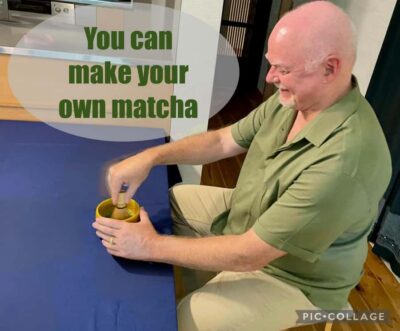
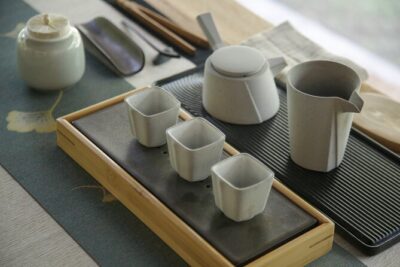
REVIEW · NARA
Nara:Private Tea Ceremony(Max 5 ppl) -Master Matcha Making-
Book on Viator →Operated by Tea Lounge Navi Cafe · Bookable on Viator
Quiet moments, real matcha skills. In Nara, this private tea ceremony puts you in a historic 120-year-old Japanese house for a one-on-one session with a tea master, plus tasting two types of Nara single-origin matcha and getting to whisk your own cup with a bamboo whisk (chasen). The calm is the point, and the instruction is practical enough that even a 17-year-old can get into it.
I also like that it stays flexible: you can ask as many questions as you want, and the group is capped at max 5 people, so you’re not stuck watching from the corner. One possible drawback: it’s about an hour, so if you’re looking for a long sit-down experience or extra sightseeing time, you may feel a bit time-crunched.
In This Review
- A 120-year-old Japanese house in Nara makes the ritual feel real
- What you’ll learn before you even pick up the whisk
- Private group up to 5: your lesson stays personal
- Families with young children are welcome
- Two types of Nara single-origin matcha: tasting is the whole lesson
- Why two matchas gives you value beyond a photo
- Watching the master: etiquette, utensils, and a calm pace
- One-on-one questions make the ceremony click
- Whisking your own matcha with the chasen (bamboo whisk)
- Practical expectations while you’re whisking
- What you do after: brunch, Japanese sweet, and coffee or tea
- Price and value: is $50.85 per person fair?
- Where it starts in Nara (and why that location is convenient)
- Who should book this private matcha ceremony
- Who might skip it
- Cancellation and timing in plain terms
- Should you book Nara’s private matcha ceremony with master matcha making?
- FAQ
- How many people can join this tea ceremony?
- What is the duration of the experience?
- What does the tea ceremony include?
- Do I get to whisk matcha myself?
- Is this experience private or shared?
- Where does the experience start and end?
- Is transportation included in the price?
- Is there a mobile ticket?
- Is this family-friendly?
- What is the cancellation policy?
A 120-year-old Japanese house in Nara makes the ritual feel real
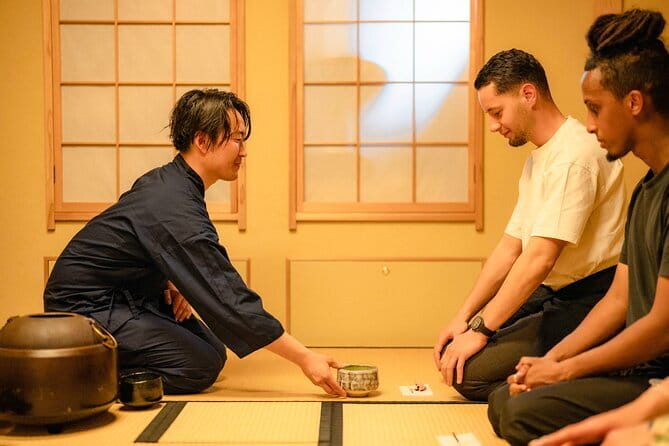
This tea ceremony takes place in a traditional Japanese house that’s about 120 years old. That matters more than you’d think. Matcha isn’t just a drink here; it’s a way of slowing down. When the setting is simple and old and quiet, the etiquette and pacing make sense right away.
You’re also treated like you’re part of the moment, not like you’re passing through it. The tea shop and tiny tea room described by past participants are exactly the vibe you should expect: small, focused, and designed for attention. It’s the kind of place where the silence doesn’t feel awkward; it feels like it’s doing some of the work for you.
What you’ll learn before you even pick up the whisk
The session includes a look at tea ceremony basics: history, etiquette, and the proper use of tea utensils. That’s helpful because most people don’t know what’s going on with the tools. Here, the “why” is explained alongside the “how,” so you can follow the flow without constantly wondering what you’re supposed to do.
You can also read our reviews of more tours and experiences in Nara.

Private group up to 5: your lesson stays personal
This is a private tour/activity with a maximum of 5 people. That one detail changes everything. Instead of sharing time and questions with strangers, you get real back-and-forth with the tea master.
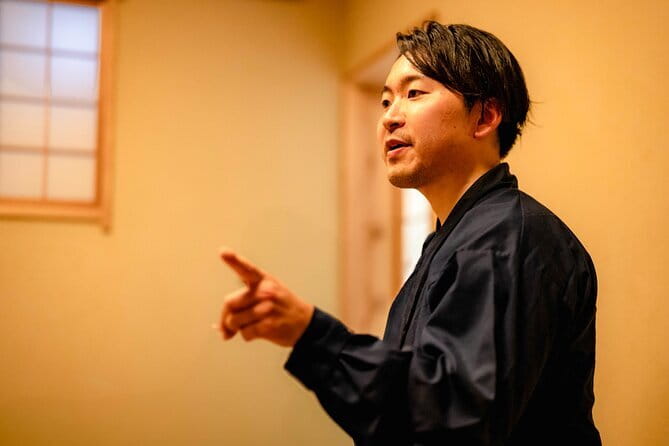
From the experience notes, the tea master is named Mike, and the tone comes across as earnest and generous. That’s a big deal for a tea ceremony class, because the best part isn’t the fancy words. It’s feeling comfortable enough to ask stuff, like why certain steps matter or what you should pay attention to when tasting.
And yes, this kind of class can work for multi-generational groups. One review highlights a mom and her teen son having a great time, with the teen genuinely getting into the experience. If your group includes someone who’s usually hard to impress, this format helps, because the instruction is aimed at you, not a crowd.
Families with young children are welcome
The experience explicitly welcomes families with young children. Tea ceremony can sound strict, but with a private setup and a one-on-one lesson, it’s easier for families to manage pace and attention.
Two types of Nara single-origin matcha: tasting is the whole lesson
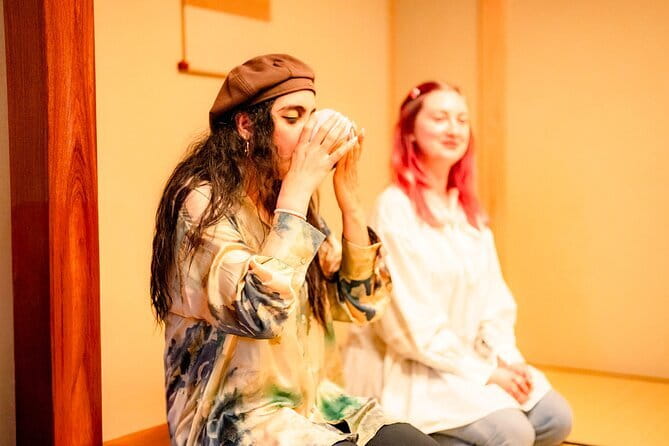
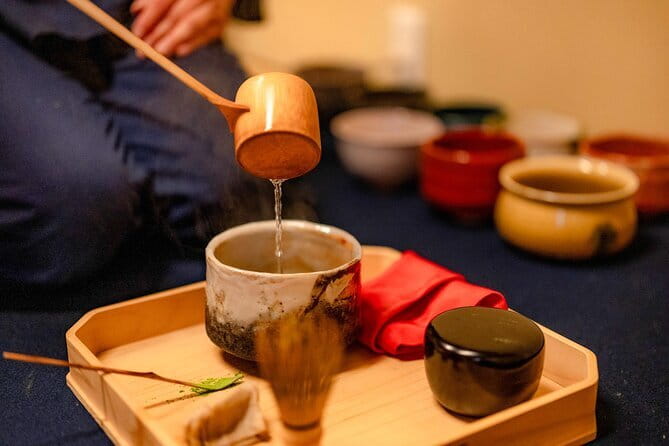
A highlight is tasting two types of Nara single-origin matcha so you can compare flavors and aromas and figure out which one you actually like. This is better than a one-matcha-only class, because matcha varies a lot. Different sources and processing can change the sweetness, bitterness, and smell.
Think of it as a guided tasting test. You’ll be encouraged to notice what’s different—so you’re not just drinking something green and moving on. This is the fastest way to build a personal “matcha map” in your head.
Why two matchas gives you value beyond a photo
A lot of matcha experiences end with one cup and a souvenir feeling. Here, tasting two single-origin options makes the session stick. When you return to a café later, you’ll have a comparison baseline, not just a memory of a pleasant moment.
And because coffee and/or tea are included along with brunch and a Japanese sweet, the matcha tasting doesn’t need to be your only takeaway. You can treat this like a calm break in the middle of your Nara day rather than a single-product event.


Watching the master: etiquette, utensils, and a calm pace
Before you whisk, you’ll see the tea master demonstrate matcha preparation. Watching first is smart. Tea ceremony movements have rhythm, and the utensils have roles. If you jump straight into whisking without seeing the flow, you can miss the point.
The lesson includes tea ceremony etiquette and the proper use of tea utensils. That covers how to handle the tools respectfully and how the steps connect. You don’t need to memorize everything. The goal is understanding enough that your own cup feels like part of the same tradition.
One-on-one questions make the ceremony click
The format explicitly allows you to ask as many questions as you like. In a one-on-one setting, questions don’t feel like interruptions—they feel like part of the learning. If you’re the type who wants to know the background (history, meaning, etiquette), this gives you room to do it without rushing.
Even the “serene silence” described in the experience overview is easier to accept when you know what’s happening and why.
Whisking your own matcha with the chasen (bamboo whisk)
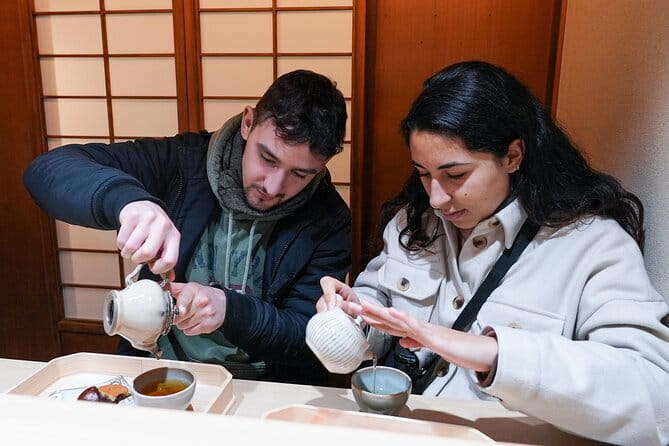
The best hands-on part is that you’ll whisk your own matcha. You use a bamboo whisk (chasen), and you get to experience the focus-and-calm side of tea making rather than just watching it happen.
This step is where the experience turns from interesting to memorable. There’s a difference between tasting matcha and preparing it. When you whisk, you become aware of texture, scent, and the care involved. The act itself is meditative, and that’s not marketing fluff—tea ceremony is built on the rhythm.
Practical expectations while you’re whisking
Since this is a guided lesson, don’t worry about getting it perfect on the first try. The value is in being shown how the utensils are used and getting a chance to do it yourself in a relaxed setting. If you mess up slightly, that’s still part of learning.
Also, because the session is about 1 hour (approx.), you’ll move through the flow without getting stuck in one step too long. That keeps energy up and helps the experience feel focused rather than dragged out.
What you do after: brunch, Japanese sweet, and coffee or tea
The experience includes brunch, a Japanese sweet, and coffee and/or tea. That’s a practical touch. Tea ceremony can be mentally intense—quiet attention for an hour can make you forget to eat until later. Having food included lets you extend the calm without hunting for a snack right after.
Also, the pairing matters. Matcha is usually enjoyed alongside light sweets, and the rhythm of the tea session naturally leads into a gentle meal. You leave feeling like you had a structured break, not like you just sat through a lecture and then walked off hungry.
Price and value: is $50.85 per person fair?
At $50.85 per person, this isn’t the cheapest thing you can do in Nara. The question is what you’re paying for, and the value is fairly clear:
You’re getting:
- A private setup for up to 5 people
- A one-on-one lesson with a tea master (Mike)
- Tasting two types of Nara single-origin matcha
- A full set of tea ceremony utensils included
- Hands-on whisking with the chasen
- Brunch, a Japanese sweet, and coffee and/or tea
The main thing not included is transportation. If you’re already moving around Nara by public transit, this price can feel very reasonable because you’re essentially paying for instruction, utensils, tasting, and a meal all tied into a calm cultural hour.
One more value point: it’s often booked about 18 days in advance on average. That suggests it’s in demand. If you can fit it into your schedule, booking ahead can save you from last-minute disappointment.
Where it starts in Nara (and why that location is convenient)

You meet at Guesthouse Naramachi, 30 Kitakyōbatechō, Nara 630-8322, and the activity ends back at the same meeting point. It’s near public transportation, which is practical if you don’t want to waste time figuring out remote routes.
Since you return to the start, you don’t have to plan an awkward follow-up. This is especially helpful if you’re using Nara for a day of walking and want a calm break without complicating your route.
Who should book this private matcha ceremony
I’d book this if you want:
- A quiet, structured cultural experience in a small setting
- A matcha class that includes tasting and hands-on whisking
- A private format where you can ask questions and get real attention
- A break that works for both adults and teens
It also sounds like a good fit for families with young children, since that’s specifically mentioned.
Who might skip it
Skip it if you’re craving a longer, multi-hour outing or if you want a tour that mixes lots of stops and history walks. This is about the tea ceremony itself. It’s not trying to be a full-day Nara program.
Cancellation and timing in plain terms
You can cancel for a full refund up to 24 hours in advance, and the cut-off is based on local time. That gives you breathing room if your Nara schedule changes. The session also uses a mobile ticket, so you’ll want to have your confirmation ready on your phone.
Should you book Nara’s private matcha ceremony with master matcha making?
Yes, if you want a genuine, low-stress way to understand tea ceremony and matcha in Nara. The combination of a 120-year-old Japanese house, a one-on-one teacher (Mike), and tasting two Nara single-origin matchas makes this feel more like learning than performing. Add in hands-on whisking with the chasen and a relaxed pace, and you get a break that people actually remember.
If your group includes someone picky or skeptical about tea, this is a smart bet. The experience has a calm, approachable format that can land with teens, not just tea enthusiasts. Just keep expectations aligned: at about one hour, it’s focused. Book it when you want that hour of quiet, not when you’re trying to fill an entire day.
FAQ
How many people can join this tea ceremony?
It’s a private experience with a maximum group size of 5 people.
What is the duration of the experience?
The session lasts about 1 hour.
What does the tea ceremony include?
You’ll get a full set of tea ceremony utensils, tasting of two types of Nara single-origin matcha, and brunch with a Japanese sweet (plus coffee and/or tea).
Do I get to whisk matcha myself?
Yes. You’ll whisk your own matcha using a bamboo whisk (chasen).
Is this experience private or shared?
It’s private. Only your group participates.
Where does the experience start and end?
It starts at Guesthouse Naramachi (30 Kitakyōbatechō, Nara) and ends back at the same meeting point.
Is transportation included in the price?
No. Transportation fees are not included.
Is there a mobile ticket?
Yes, it includes a mobile ticket.
Is this family-friendly?
Yes, families with young children are welcome.
What is the cancellation policy?
You can cancel up to 24 hours in advance for a full refund. If you cancel less than 24 hours before the start time, the amount paid is not refunded.