REVIEW · NARA
Nara:Tea Tasting&Private Tea Ceremony -Master Matcha Making-
Book on Viator →Operated by Tea Lounge Navi Cafe · Bookable on Viator
A quiet tea room can change your whole trip. This private Nara tea tasting and matcha lesson lets you sample five local teas, learn the etiquette and tools, then make your own matcha with one-on-one feedback. It’s set inside a renovated traditional Japanese house, so the mood is still and focused instead of rushed.
What I like most is the format: a five-tea flight first, then you choose a favorite and get a special pot-brewed serving. I also like that you’re not just watching—you’re whisking matcha yourself, with the tea master guiding your technique and answering your questions.
One consideration: if you’re hoping for lots of sightseeing and photos, this is intentionally slow and tea-centered. You’ll leave with tea knowledge (and a calmer brain), not a checklist of major landmarks.
In This Review
- Key highlights you should know before you go
- A Private Tea Ceremony in a Renovated Nara House
- Your Five-Tea Flight: From Matcha Aroma to Roasted Mellow Cups
- Etiquette, Tools, and the Local Chat You’ll Actually Use
- Master Matcha Making: Whisking With Real Feedback
- Wagashi Pairings That Teach You How to Taste
- Price and Value: What $63.06 Really Buys
- Timing, Meeting Point, and How to Make It Feel Worth It
- Who Should Book This Nara Tea Ceremony (and Who Might Skip It)
- Should You Book Nara: Tea Tasting & Private Tea Ceremony – Master Matcha Making?
- FAQ
- What is the duration of the Nara tea tasting and ceremony?
- Is this experience private?
- What will I do during the ceremony?
- Where do I meet for the experience?
- Do I need to bring paper tickets?
- When should I book?
- What is the cancellation policy?
Key highlights you should know before you go
- Private, one-on-one instruction with a tea master named Mike
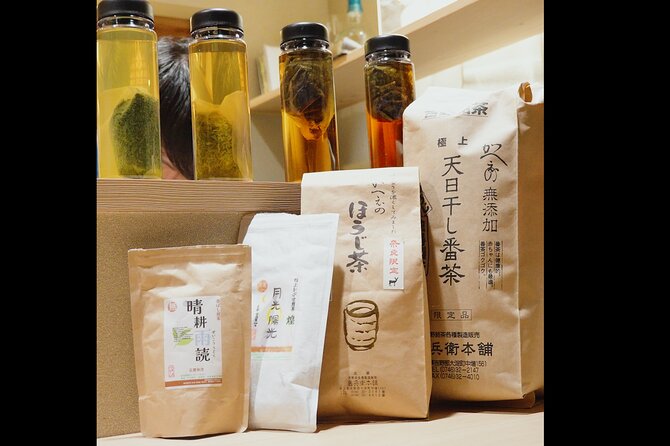
- Five locally sourced teas from Nara prefecture, explained as you taste
- Hands-on matcha making with personalized feedback (not just a demo)
- Seasonal wagashi that’s meant to pair with each sip
- Inside tips from a local while you chat about Japan
- Renovated traditional house setting for a calmer, more authentic feel
A Private Tea Ceremony in a Renovated Nara House
You meet at Guesthouse Naramachi (30 Kitakyōbatechō, Nara). From there, you’ll head into the tea room, which is inside a renovated traditional Japanese house. That matters more than it sounds. A lot of tea experiences happen in spaces that feel like a shop set up for tourists. Here, you get a room that encourages quiet focus—exactly the kind of environment where you can actually taste differences between teas instead of thinking about your next stop.
This is also a private experience, meaning only your group participates. That shifts the vibe fast. You can ask questions without worrying about the schedule for other people, and the tea master can adjust pacing based on how curious (or tired) you feel that day.
And because you’re dealing with real etiquette and real tools—not a performance—you’ll get the feeling that tea culture is meant to be practiced, not just consumed.
You can also read our reviews of more tours and experiences in Nara.
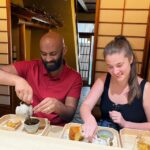
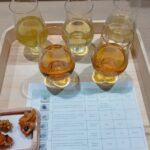
Your Five-Tea Flight: From Matcha Aroma to Roasted Mellow Cups
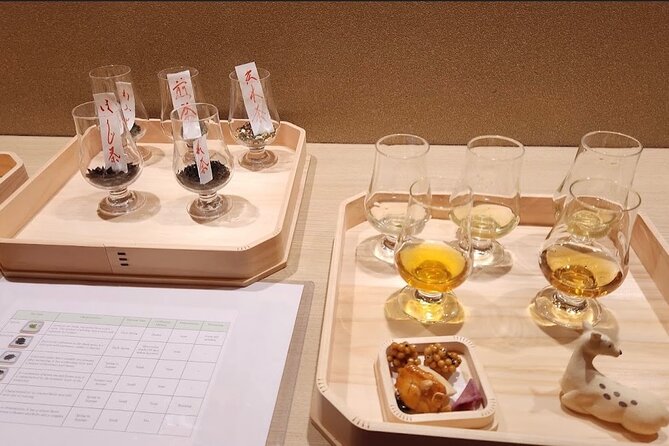
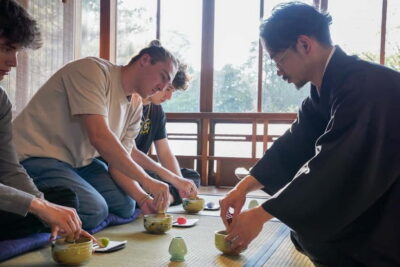
The ceremony starts with a tasting of five carefully selected teas locally sourced in Nara prefecture. You’ll go cup to cup, with the tea master guiding what to notice: aroma, flavor shape, and how each tea’s character changes your palate.
You can expect variety, including matcha and other styles such as mellow roasted teas. Matcha is its own world—especially when you’re smelling it first—so you’re not just swallowing caffeine. You’re learning how to read the cup.
One neat practical detail: you may be offered both cold and hot styles during the tasting. That helps you understand that the same category of tea can feel completely different depending on how it’s prepared. It’s also a helpful reminder if you’re visiting on a winter day or during humid weather—you won’t feel locked into only one temperature.
After the flight, you pick your favorite, and then you get it served again in a special pot-brewed format. That second serving is the part that turns tasting into learning. One cup teaches you the basics; a second cup teaches you to compare and choose.
Etiquette, Tools, and the Local Chat You’ll Actually Use
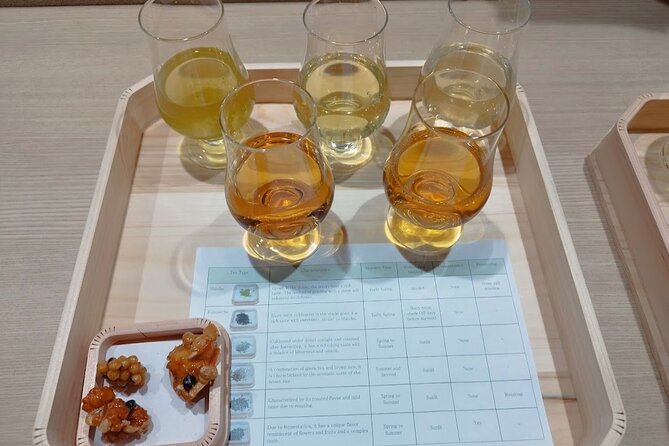
This isn’t only about how to drink tea. You’ll also learn the tradition’s history, etiquette, and tools as you go. The point isn’t to memorize fancy steps. It’s to understand why tea is treated like a craft—how people handle utensils, why pacing matters, and what etiquette is trying to create: respect, calm, and attention.
The tea master leading your session is Mike, and the tone matters. From the way he’s described, he’s not stiff. He’s friendly and good at explaining options clearly, while also making space for conversation. If you like travel chats—Japan culture questions, what to do in Nara, where locals actually spend time—this is the kind of moment that gives you answers that don’t feel like canned advice.
If you’re traveling with kids, this setup also tends to work well because it’s private and interactive. Kids get a chance to participate instead of sitting through a lecture.
Master Matcha Making: Whisking With Real Feedback
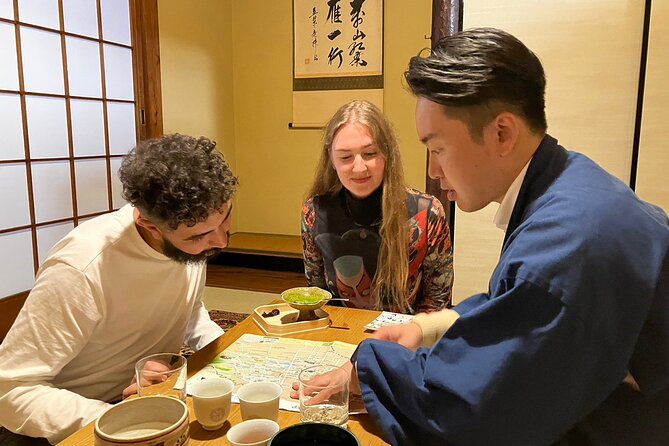
Then comes the main event: making matcha.
You’ll be guided through the process under Mike’s instruction, with hands-on practice and personalized feedback. The difference between a matcha demo and matcha-making is huge. When you whisk yourself, you start to notice the texture you’re creating and how the aroma changes as you get the mixture right.
In a good matcha session, you learn three things fast:
- what the bowl and whisk are for (and why technique affects foam)
- how to treat the motion as something you control, not something you rush
- how your cup changes as your method improves even slightly
The ceremony also keeps a calm rhythm. You’re not trying to rush to the next step. That matters because matcha is sensitive to handling and timing. Even when you don’t know the science, you can feel the change in the cup.
And once your matcha is ready, you take time to savor it—aroma first, then flavor. It’s the kind of slow moment that’s hard to find in normal sightseeing mode.
Wagashi Pairings That Teach You How to Taste
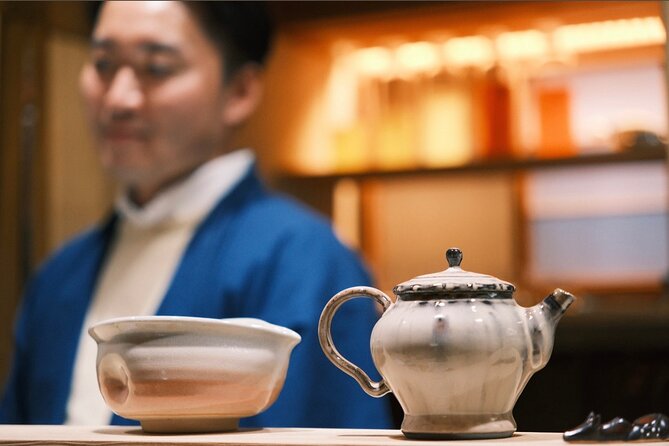
No tea ceremony in Japan feels complete without sweets, and here you’ll enjoy seasonal wagashi as part of the experience. Wagashi isn’t just a snack. It’s made to pair with tea so you notice how sweetness, texture, and flavor interact with your cup.
Seasonal wagashi also means the experience changes over time. That gives the class extra depth beyond matcha alone. You’re tasting tea plus tasting the season, which is one reason tea culture fits so naturally into Japanese travel.
If you’re not sure where you’ll fall on wagashi (some people love the subtle sweetness, others need a minute), you’ll still come away with a better sense of why it’s served here. Pairing isn’t random—it’s part of the teaching.


Price and Value: What $63.06 Really Buys
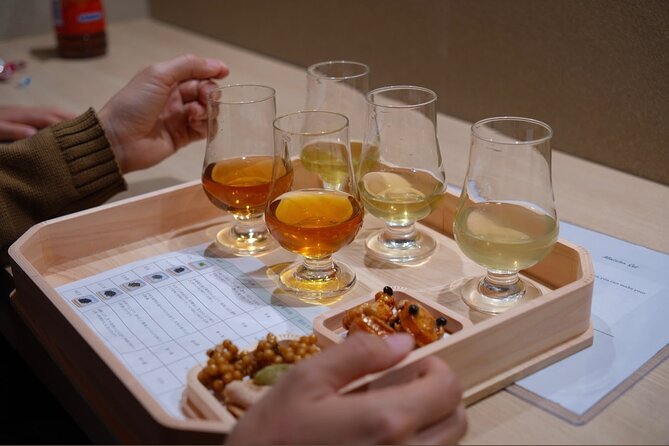
$63.06 per person for about 1 hour 30 minutes is not a bargain class. It’s also not priced like a quick tourist workshop either. What you’re paying for is private instruction plus a structured tasting experience.
Here’s what’s included in a way that actually adds value:
- Five-tea tasting with explanations as you taste
- Personalized matcha practice (not just watching)
- Etiquette and tool guidance
- Seasonal wagashi pairing
- A tea master-led conversation that can include local travel insights
If you compare it to group tastings or cooking classes that mostly involve listening, this one has a better ratio of hands-on time. The most “expensive” part of any lesson is teaching one-on-one, and this experience centers on that.
Also, the location choice helps. A renovated traditional house isn’t just aesthetic. It creates the right setting for learning, and that can make the time feel longer (in the best way). If your day in Nara is busy, this can be the reset button that keeps the rest of your trip from feeling like nonstop logistics.
Timing, Meeting Point, and How to Make It Feel Worth It
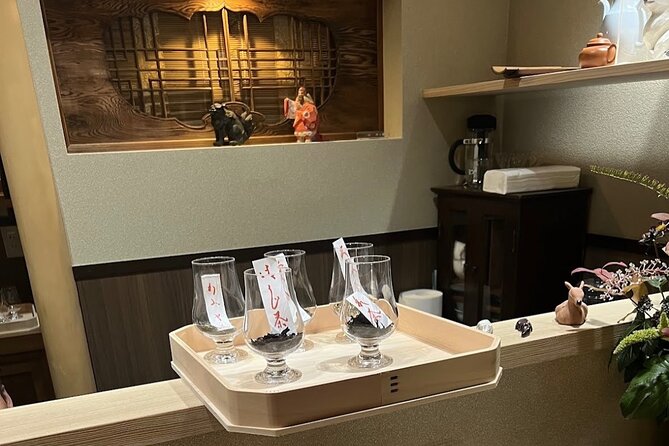
You’re meeting at Guesthouse Naramachi, and the area is near public transportation. That’s practical because tea experiences are better when you don’t arrive stressed about getting lost.
Since the session is short—around 90 minutes—you’ll get the most out of it by showing up with a little breathing room. Bring curiosity, not a clock-watching mindset. Tea works best when you stop multitasking and actually taste.
A small practical tip: plan your day so you’re not immediately rushing to a big walking circuit after. You’ll be calmer after, and it’ll be a waste to instantly jump into heavy sightseeing.
One more small upside from past experiences: the host is described as good with kids, and there’s even mention of small extras like giveaways in some sessions. Those details aren’t the reason to book, but they do show the host’s style—warm, attentive, and willing to make it feel personal.
Who Should Book This Nara Tea Ceremony (and Who Might Skip It)
This experience is ideal if you want:
- a private cultural activity in Nara that’s more than a photo stop
- a hands-on matcha lesson with feedback
- an authentic atmosphere in a traditional house
- a calmer break from temples and trains
It may not be the best fit if:
- you’re only interested in fast sightseeing and don’t want a slow, sensory activity
- you don’t drink tea or aren’t open to trying different types
- your schedule is so tight that you can’t give the ceremony time to land
If you’re the type of traveler who likes learning “how it’s done” instead of only “what it is,” you’ll appreciate the structure.
Should You Book Nara: Tea Tasting & Private Tea Ceremony – Master Matcha Making?
I think it’s a strong buy for most people visiting Nara, especially if you can handle a quiet, hands-on session. The biggest reasons to book are the private attention, the five-tea tasting flight, and the fact that you make matcha yourself instead of just watching someone else do it.
If you’re unsure whether you’ll like matcha, this format is a smart way to find out. You taste first, then you practice, then you pair with wagashi. That’s a full loop of learning that feels natural.
If you want your Japan trip to include one moment that slows everything down and teaches you a skill you can use later, book it.
FAQ
What is the duration of the Nara tea tasting and ceremony?
It lasts about 1 hour 30 minutes.
Is this experience private?
Yes. It’s private, and only your group participates.
What will I do during the ceremony?
You’ll taste five selected Japanese teas sourced in Nara prefecture, learn about tea history, etiquette, and tools, and do hands-on matcha whisking with personalized guidance. You’ll also enjoy seasonal wagashi.
Where do I meet for the experience?
You start at Guesthouse Naramachi, 30 Kitakyōbatechō, Nara, 630-8322, Japan. The activity ends back at the meeting point.
Do I need to bring paper tickets?
No. The experience uses a mobile ticket.
When should I book?
On average, it’s booked about 26 days in advance.
What is the cancellation policy?
You can cancel for a full refund if you cancel up to 24 hours in advance of the start time (cut-off is based on local time). If you cancel less than 24 hours before, the amount paid is not refunded.