REVIEW · MARRAKESH
Marrakech: Cultural Bicycle Tour with Pastry and Tea
Book on GetYourGuide →Operated by Pikala bikes · Bookable on GetYourGuide
Marrakesh by bike feels like two cities at once. I love the clay-oven bakery stop where you taste fresh Moroccan bread and learn why it matters, and I love the zellige tile moments that explain how those patterned walls come to life. The trade-off: you’ll need to be road-aware for the first stretch through tight medina traffic.
Guides like Ayoub and Rabab are a big part of what makes this feel personal, with steady pacing and careful group control. You get a mix of tradition and modern Marrakesh, plus pastry and mint tea when the riding time is done and you want to slow down.
In This Review
- Key highlights to watch for
- Entering Marrakesh Two Ways in 3 Hours
- Pikala Bikes Start: Getting Comfortable on the Dutch Style Ride
- Zawiya of Sidi Bel Abbas: A Short Stop With Big Presence
- The Clay-Oven Bakery Stop: Why Bread Is a Cultural Centerpiece
- Artisan Work on Zellige Tiles: Pattern, Craft, and Time
- Royal Palace Gardens From the Outside
- Hammam Tradition: More Than Getting Clean
- Place des Ferblantiers and the Mid-Tour Break
- Koutoubia Mosque and a Photo-Stop Mix of Faiths
- Pikala Cafe: Tea, Coffee, and Moroccan Snacks to End Well
- Riding Through Modern Marrakech: Gueliz and Hivernage After the Medina
- What’s Included in the Price (and What That Means for Value)
- Traffic Reality: The One Consideration You Shouldn’t Ignore
- Who This Tour Suits Best
- Should You Book the Marrakech Cultural Bicycle Tour?
- FAQ
- Where does the tour start?
- How long is the tour?
- How much does it cost?
- What language is the tour guide?
- What food and drinks are included?
- Is hotel pickup included?
- What kind of riding should I expect?
- What should I wear for the tour?
- Are there any entrance fees included?
- Can I cancel if plans change?
Key highlights to watch for
- Clay-oven bread baking and the day-to-day role of bread in Moroccan life
- Zellige tiles explained through hands-on artisan craft and history
- Royal Palace public gardens views without the formal crowds
- Hammam tradition and why public baths are social, not just practical
- A medina-to-modern ride through Gueliz and Hivernage boulevards
Entering Marrakesh Two Ways in 3 Hours
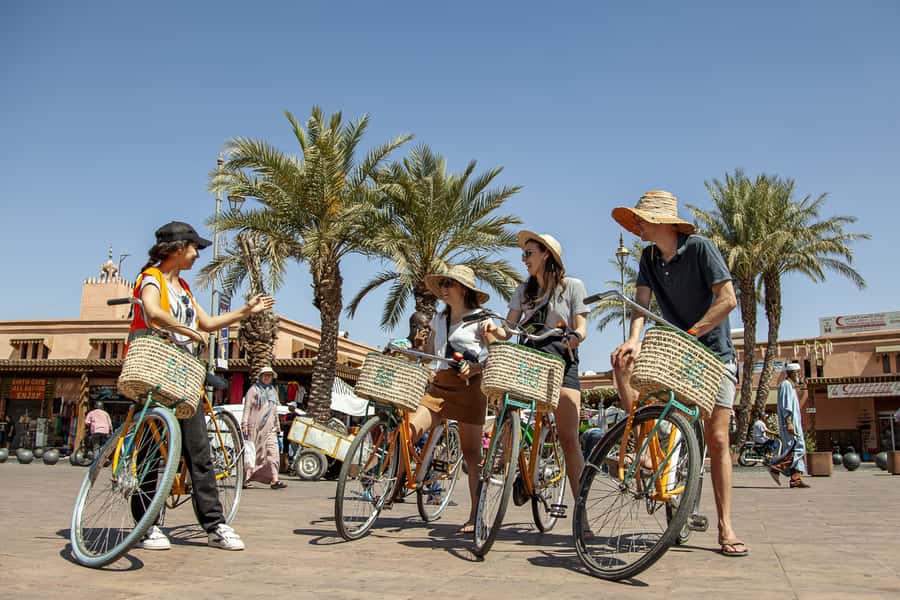
This tour is built for getting your bearings fast. In about three hours, you’ll move from the dense lanes of the old city to wider streets in the newer neighborhoods. That contrast is the point. Marrakesh isn’t one vibe—it’s multiple rhythms layered on top of each other.
What I like most is that it’s not only sightseeing. It’s about how people actually live: bread habits, artisan work, and the social side of the hammam. And yes, there’s fun in it too. The rhythm of cycling, photo stops, and short breaks keeps you from feeling like you’re trapped in a lecture.
You can also read our reviews of more tours and experiences in Marrakesh.



Pikala Bikes Start: Getting Comfortable on the Dutch Style Ride
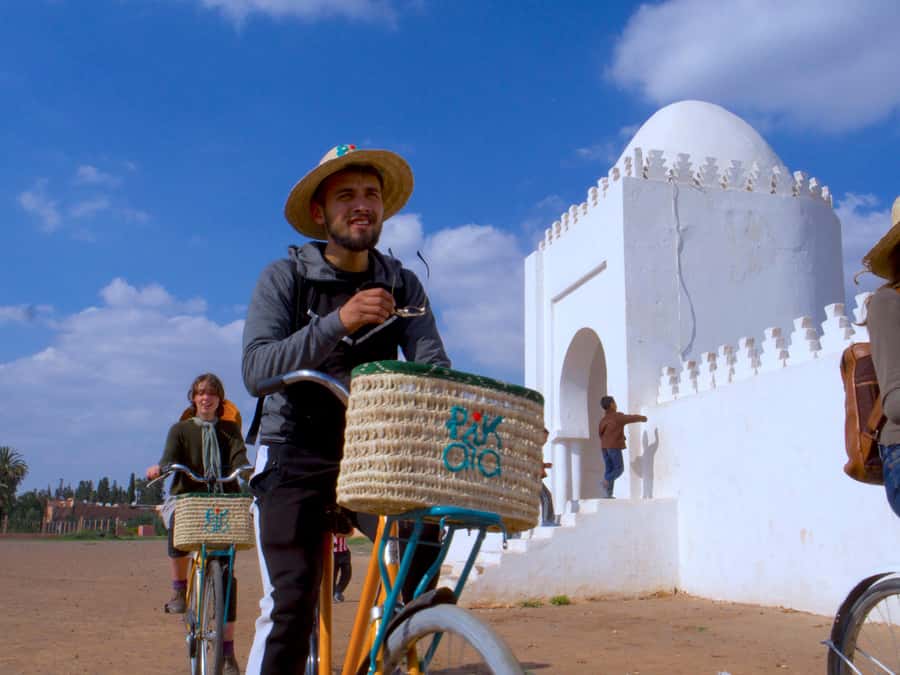
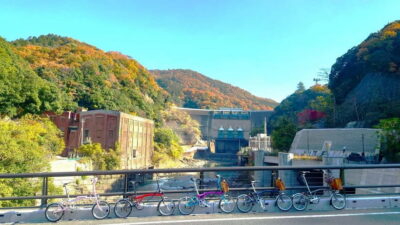
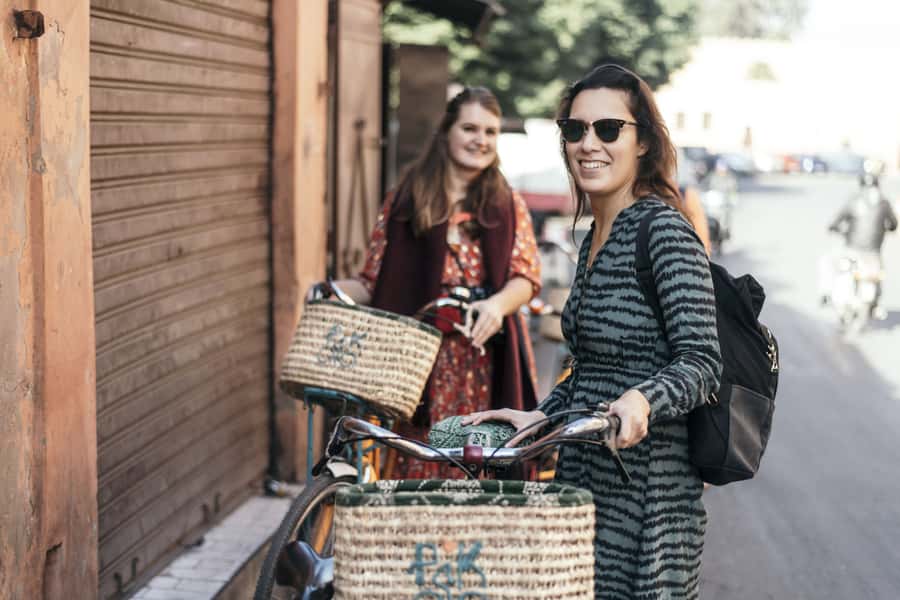
You start at Pikala Bikes HQ. The bikes are set up for cruising, not racing. Many people find the ride manageable because it’s generally on flat ground and there are regular pauses to regroup.
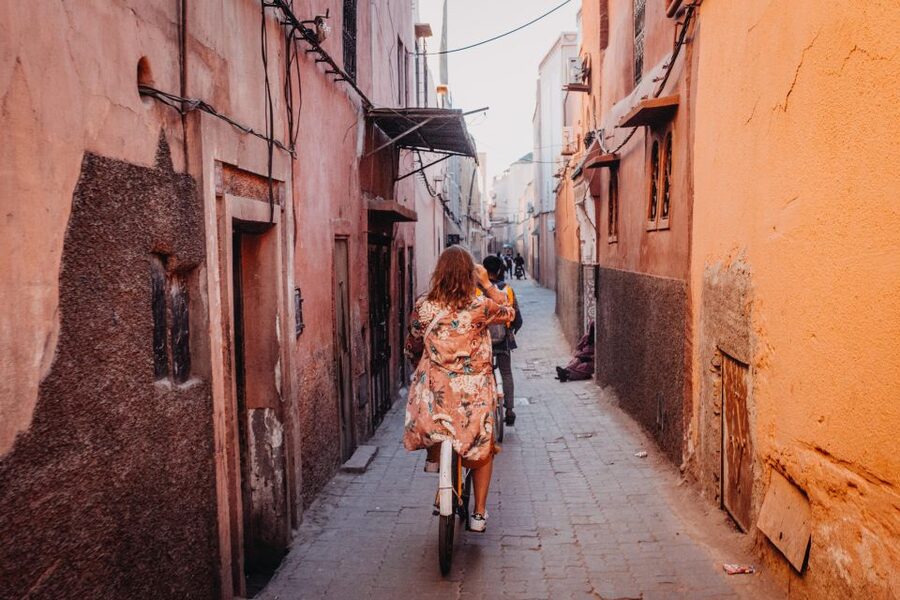
Still, here’s the reality check: the first hour can feel like an adventure. The streets in the medina are narrow, and traffic is a mix of cars, mopeds, pedestrians, and animal carts. If you’re not confident weaving through gaps, take that seriously before you book.
A practical tip I really respect from the guidance is this: dress for cycling. Keep it casual, and avoid long skirts or long dresses that snag or catch wind.
Zawiya of Sidi Bel Abbas: A Short Stop With Big Presence
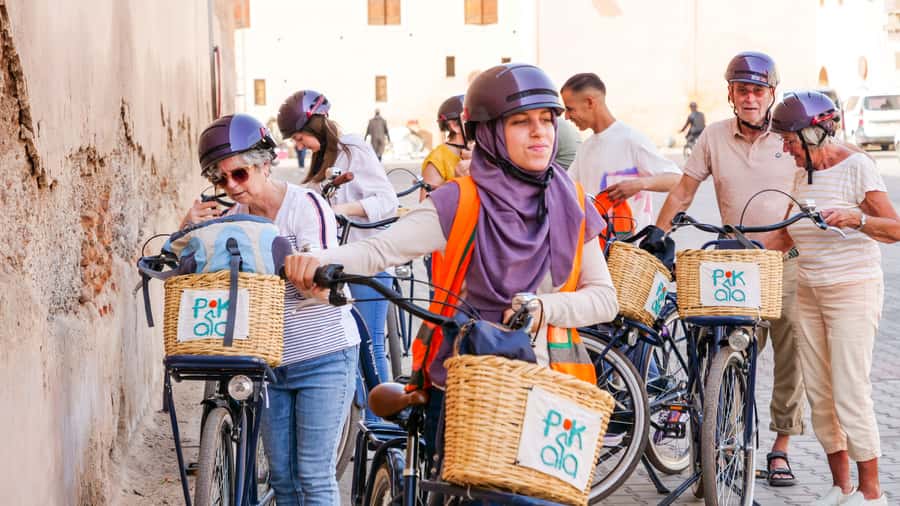
Early on, you’ll visit the Zawiya of Sidi Bel Abbas for about 15 minutes. It’s a chance to step into a sacred space and reset your brain from the noise of streets and traffic.
Expect a photo stop and time to look around. This is one of those stops that helps you understand the city’s spiritual texture without forcing you into a long, heavy museum-style experience.
The Clay-Oven Bakery Stop: Why Bread Is a Cultural Centerpiece
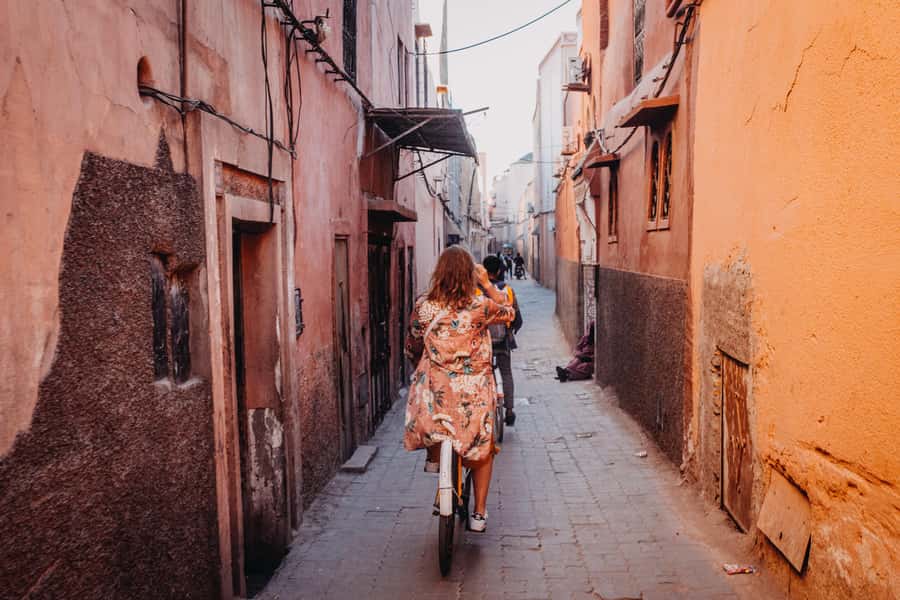
Then comes one of the best parts of the whole outing: a local bakery visit for around 10 minutes. You’ll see bread baked in a clay oven and taste fresh Moroccan bread.
This stop isn’t just about food. The guide’s explanations focus on why bread sits at the center of everyday life—how it shows up in routines, hospitality, and meals. And you’ll notice something important: you’re not just sampling. You’re learning the logic of the culture through something as simple as flour, heat, and timing.
If you like to eat while you travel, this is a win. If you don’t, this still works because it connects to the city’s daily rhythm, not just flavor.
Artisan Work on Zellige Tiles: Pattern, Craft, and Time
One of the tour’s featured cultural experiences is the zellige tile workshop aspect. Zellige is the Moroccan tradition of small mosaic tiles that create those crisp geometric patterns you see across palaces and mosques.
In practice, this means you get to meet artisans and understand how the craft is made—not in vague terms, but through the process itself. Even if you’re not a “tiles person,” you’ll come away understanding why the designs feel so precise and why the tradition has lasted for centuries.
This is also a great moment to slow down. When you’re looking at the detail work, the ride’s speed disappears and you can actually study what makes the Red City look the way it does.



Royal Palace Gardens From the Outside
You’ll also pass by the public gardens surrounding the Royal Palace (Dar El-Makhzen). You won’t be going through a formal palace route, but you do get an outside look and context for why the monarchy and its spaces matter historically.
This is a smart compromise for a cycling tour. You get the “wow” feeling of scale and architecture while still keeping the schedule light enough to enjoy the day.
Hammam Tradition: More Than Getting Clean
A highlighted stop is a visit connected to the hammam tradition—a Moroccan public bathhouse culture with rituals and social meaning.
This part works because it challenges the common tourist idea that a hammam is only about cleanliness. It’s also a place where people gather, talk, and connect through routine. In a city where daily life moves fast, that kind of slow, communal space is a useful contrast—and it adds depth to the stories your guide tells on the road.
Place des Ferblantiers and the Mid-Tour Break
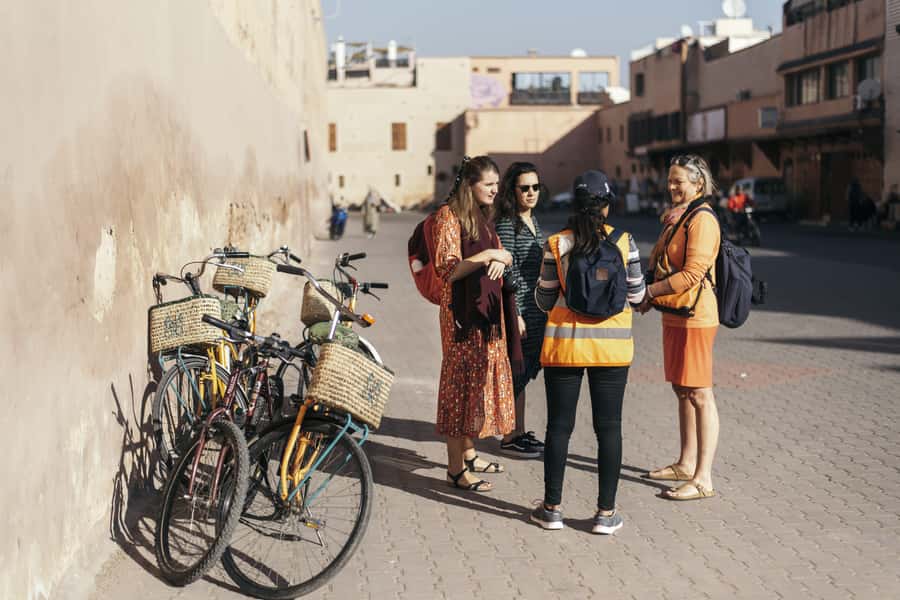
Around the middle of the ride, you’ll hit Place des Ferblantiers for a break that includes photos, sightseeing time, and free time (about 20 minutes).
This is where the tour balances energy and recovery. The group stretches out a bit, you drink some water, and you reset before the next sections. It’s also a good moment for people-watching because this plaza sits in the thick of real neighborhood movement rather than a staged tourist zone.
Koutoubia Mosque and a Photo-Stop Mix of Faiths
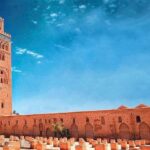
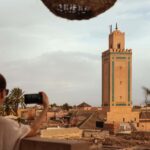
Later, you’ll pass by Koutoubia Mosque for sightseeing (about 10 minutes). The timing is short, so the aim is orientation: seeing the landmark from the road and learning what it represents in the city’s visual map.
After that, you’ll also stop for photos connected to the Church of the Holy Martyrs (about 10 minutes). The point isn’t religious comparison—it’s the simple fact that Marrakesh is layered. Faith and community spaces exist side by side, and cycling gives you a clear, street-level sense of that.
Pikala Cafe: Tea, Coffee, and Moroccan Snacks to End Well
At the end, you return to Pikala Cafe for drinks and local snacks (about 20 minutes). This is your payoff: coffee, tea, and pastries/snacks, plus a chance to decompress after the ride.
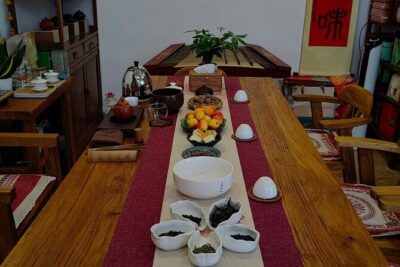
Mint tea is part of the tour experience, and you’ll also have juices mentioned as included. For me, ending with food and tea matters because it turns the whole outing into more than transit. You close the circle with flavors that feel connected to the stops you just learned about.
Riding Through Modern Marrakech: Gueliz and Hivernage After the Medina
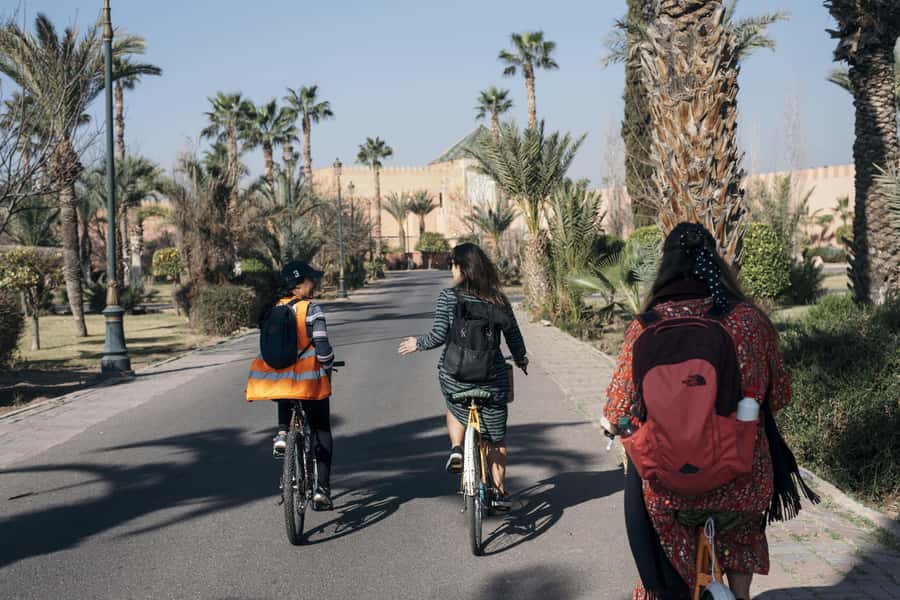
A big part of the value here is that you don’t get stuck only in old-town drama. You’ll cycle through modern Marrakech in Gueliz and Hivernage, where you see wide boulevards, trendy cafes, and luxury hotels.
This shift helps you understand Marrakesh as a working city, not only a set of historic scenes. It also makes the tour feel complete: you experience the old lanes, then you see how daily life continues beyond the medina walls.
What’s Included in the Price (and What That Means for Value)
The tour costs $34 per person for about 3 hours, and what you get matters.
Included:
- Water and fruits
- Juices and Moroccan pastries at a cultural cafe
- Sunscreen
- Free entrance to the local stops
Also, you’re not paying extra for a guide-driven route. The tour includes a live guide in English and French, and free entrances remove small add-on costs that can quietly add up on self-guided days.
What’s not included: hotel pickup and drop-off. That’s common for this kind of activity, and it’s the one thing you should plan around. If you’re staying near the center, getting to Pikala Bikes is simple. If you’re farther out, budget a little time for transit.
Traffic Reality: The One Consideration You Shouldn’t Ignore
Let’s be honest: Marrakesh traffic is organized chaos. The tour info and the rider feedback point out the same thing—there are mopeds, carts, and plenty of pedestrians, and the first hour can feel intense until you learn the pattern.
Here’s what helps:
- The guide stays aware of the group and helps you cross together.
- The pace isn’t about speed.
- You’ll have photo stops and breaks, which reduces that constant adrenaline feeling.
Guides such as Hamid and Sayid are specifically noted for staying attentive and keeping riders together. Still, if you’re a nervous cyclist, start by checking your comfort level before you go, especially for the narrow medina stretches.
Who This Tour Suits Best
This tour is a strong match if you want:
- A quick overview of Marrakech that feels more lived-in than postcard routes
- Food culture beyond just eating: bread, pastries, tea, and why they matter
- A guide who connects sites like Koutoubia and the hammam tradition to daily life
- Fun cycling that’s mostly flat, with frequent stops
It’s also a good fit for first-time visitors who don’t want to plan a day of scattered logistics.
Where it might not be for you:
- If you avoid busy roads or you’re not comfortable riding in close quarters, the medina traffic can be stressful.
- If you expect a calm, slow sightseeing walk, cycling may feel too active.
Should You Book the Marrakech Cultural Bicycle Tour?
Book it if you want a 3-hour mix of bread culture, tile craft, hammam tradition, and tea, plus a real view of both old and new Marrakesh. The $34 price feels fair for the combination of guide-led cultural stops, included snacks/drinks, and free entrances.
Skip it (or choose a different style of tour) if you’re not confident cycling among mopeds and pedestrians. This isn’t a relaxed traffic-free bike path tour. It’s a city ride where the guide’s job is to keep you moving safely through the real Marrakesh streets.
FAQ
Where does the tour start?
It starts at the Pikala Bikes headquarters.
How long is the tour?
The duration is 3 hours.
How much does it cost?
The price is $34 per person.
What language is the tour guide?
The live tour guide is available in English and French.
What food and drinks are included?
You get water and fruits, plus juices and Moroccan pastries at a cultural cafe, along with coffee/tea and local snacks at Pikala Cafe.
Is hotel pickup included?
No, hotel pickup and drop-off are not included.
What kind of riding should I expect?
You’ll cycle through the medina and also through wider areas in modern Marrakech. You should be comfortable riding in busy streets, including areas with mopeds and pedestrians.
What should I wear for the tour?
Wear casual clothes that let you feel comfortable on a bicycle. Avoid long dresses or skirts, since they can be inconvenient while riding.
Are there any entrance fees included?
Yes. There is free entrance to the local stops included in the tour.
Can I cancel if plans change?
You can cancel up to 24 hours in advance for a full refund.
If you tell me your fitness level and how comfortable you feel in traffic, I can help you decide if this is the right style of day for you in Marrakesh.