REVIEW · DHARAMSALA
Guided Tour to Palampur-Monasteries, Temple & Tea Gardens visit
Book on Viator →Operated by Himachal Bylocals · Bookable on Viator
Tea, temples, and monasteries—without the stress. This 5–6 hour guided route from Dharamsala blends tea tasting with peaceful Tibetan stops like Dorzong Monastic Institute. I especially liked how calm the day feels, and how the tour keeps you moving between meaningful places. One thing to consider: there’s no meal included, so plan for snacks and tea-time timing.
You’ll get hotel/area pickup and round-trip rides in a private vehicle, with a local guide to handle directions and pacing in the hills. This is built for convenience, especially if you don’t want to figure out mountain roads on your own. The small group size also helps it feel more relaxed than a large bus day.
If you’re heading out in the morning, dress in layers. This runs in all weather, and you’ll be outdoors for portions of the tea factory visit and temple/monastery stops.
In This Review
- Key things you’ll notice on this Palampur–Monasteries tour
- How this Palampur loop runs from Dharamsala (and why it’s worth it)
- The Palampur Co-operative Tea Factory: where the day turns into tea country
- Chamunda Devi Temple: a short, powerful pause
- Dorzong Monastic Institute: Tibetan Buddhism close to the Dhauladhar range
- Dongyu Gatsal Ling Nunnery: Himalayan women’s Drukpa Kagyu tradition
- McLeodganj market time and the Dalai Lama temple area
- Food, pace, and what to pack for a 5–6 hour day
- Pickup, groups, and the value of paying for convenience
- Who this tour is best for (and who should look elsewhere)
- Should you book this Palampur–Monasteries tour?
- FAQ
- How long is the Palampur monasteries, temple, and tea gardens visit?
- Do I get pickup from my hotel in the Dharamsala area?
- Is the tour private or group-based?
- What’s included in the price?
- Is the tea factory visit included?
- Are temple and monastery entrance fees included?
- Is a meal included during the tour?
- What should I wear for this tour?
- How far in advance should I book?
- Is the booking refundable?
- Does the tour run in poor weather?
Key things you’ll notice on this Palampur–Monasteries tour
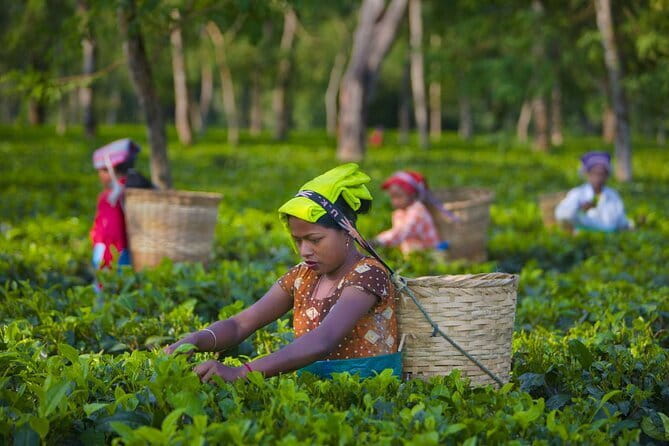
- Palampur tea factory walk + tasting: You get a presentation, a plantation stroll, and tea tasting (one review mentioned tasting around 20 types).
- Chamunda Devi Temple stop is quick and free: A short visit to the Shakti Peeth Shri Chamunda Devi Mandir.
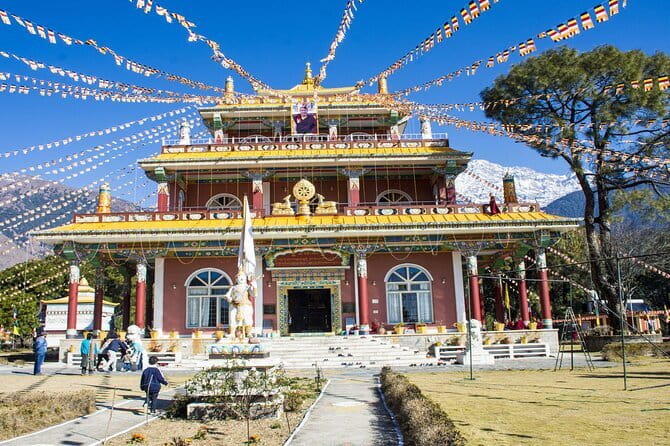
- Dorzong Monastic Institute feels quiet and focused: A short stop for Buddha Dharma study/practice at the base of the Dhauladhar range.
- Dongyu Gatsal Ling Nunnery has an entrance cost: The nunnery admission is not included, so you’ll want a bit of cash on hand.
- Hotel pickup makes the whole day simpler: You meet the guide and driver at your hotel and ride back at the end.
- No meal included: Bottled water is provided, but you’ll need to plan food yourself.
How this Palampur loop runs from Dharamsala (and why it’s worth it)
This tour is designed as a tight, guided circuit in the Dharamsala–Palampur region, usually lasting about 5 to 6 hours. The main win for me is not the number of stops—it’s the fact that the route is handled for you. You meet your guide and driver at your hotel at the scheduled time, then you’re off toward Palampur.
You’re also not stuck in a long, aimless day. The stops are timed in short blocks—often around 15 minutes—so you get a taste of each place (tea, temple, monastery) without the burnout. It’s a good match if you want cultural depth but don’t want your entire day tied up.
Group size is also in your favor. There’s a maximum of 8 people per booking and the tour caps at 15 travelers. In practice, that usually means you can ask questions and hear explanations clearly without feeling lost in a crowd. And yes, the provided private vehicle and local guide matter here. Mountain driving is slow enough that doing it solo often becomes a planning headache.
You can also read our reviews of more tours and experiences in Dharamsala.

The Palampur Co-operative Tea Factory: where the day turns into tea country
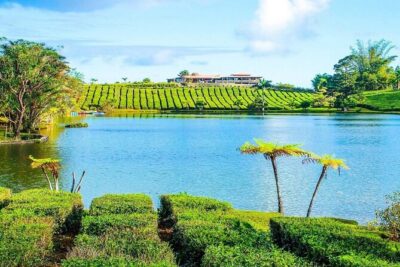
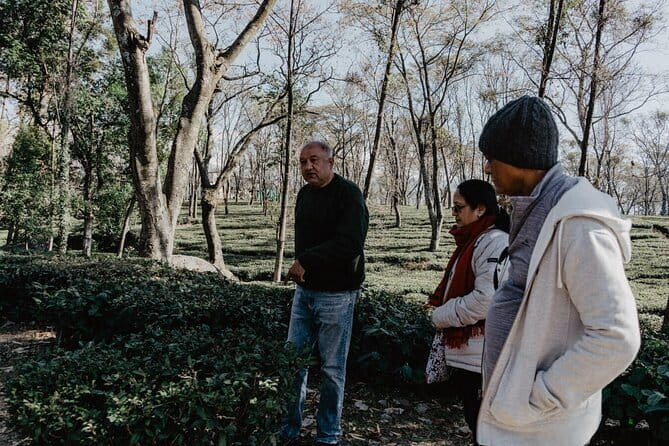
The Palampur Co-operative Tea Factory stop is the heart of this tour. You start with a presentation about how tea estates work—how tea is grown, how it’s manufactured, and how tea gets sorted and tasted. Then you do a walk around the plantation.
This isn’t just a look-and-go photo stop. The tasting is the payoff. One review highlighted tasting about 20 types of tea, which is exactly what you want if you consider tea a hobby, not a prop for the scenery. Even if you don’t try that many yourself, you’ll still come away with a better sense of what different teas taste like and how processing choices can change the flavor.
What I’d do to make the most of it: pay attention during the presentation and take notes (or mental notes) while you taste. Tea tasting is easiest when you have a framework. For example, notice how the aroma hits first, how the finish feels, and whether the tea tastes smoother or more sharp.
A small practical thought: the walk around the plantation is typically outdoors. Wear comfortable shoes you don’t mind getting a little dusty, and keep an extra layer handy if you’re traveling during cooler parts of the day.
Chamunda Devi Temple: a short, powerful pause
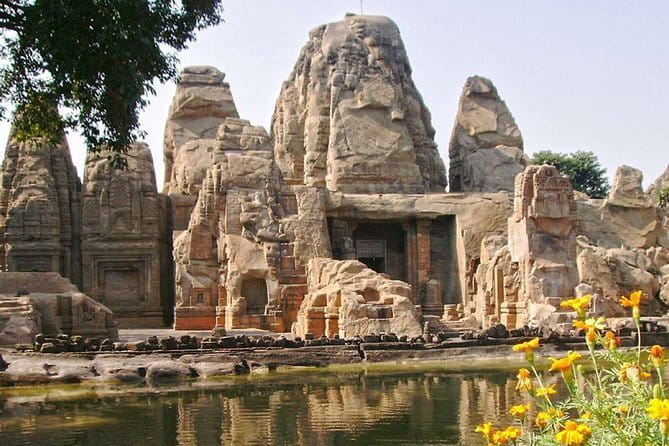
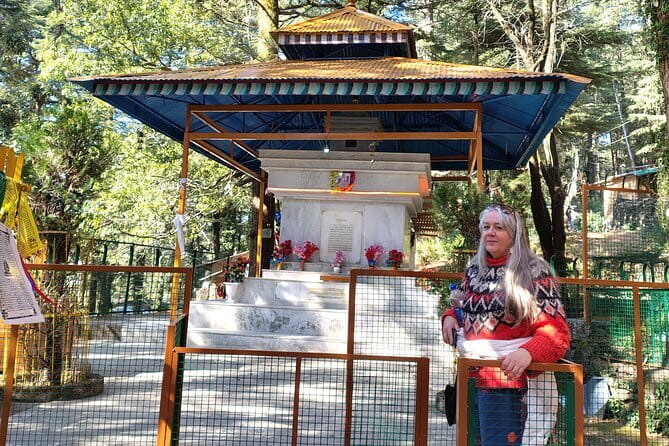
Next comes Shakti Peeth Shri Chamunda Devi Temple, also known as Chamunda Nandikeshwar Dham. This is dedicated to Shri Chamunda Devi, a form of Goddess Durga, and the temple complex has been around for centuries (the tour description places its construction around 400 years ago).
Why this stop works in a 5–6 hour day: it’s brief but meaningful. You get enough time to understand what the temple represents and to see the space respectfully before moving on. The entry is listed as free, which helps keep the day’s costs predictable.
What to watch for: temple visits often come with cultural expectations about clothing and behavior. You’ll be safer if you dress conservatively, keep your voice low, and avoid rushing through prayer areas. And since you’re moving on soon after, don’t plan to linger for long explanations that could eat into the rest of the route.
Dorzong Monastic Institute: Tibetan Buddhism close to the Dhauladhar range
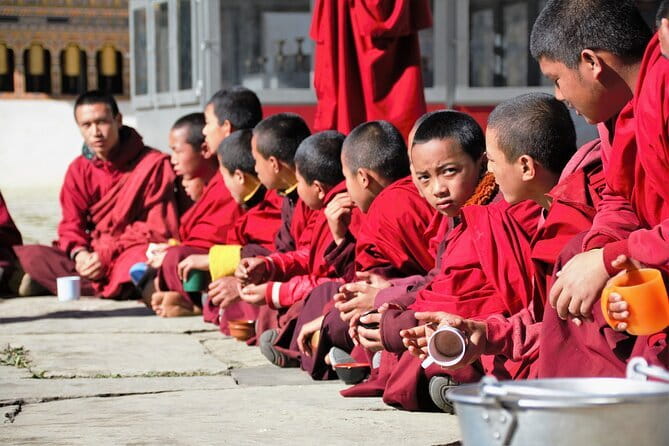
After the temple, the day shifts into Tibetan Buddhist space with a visit to Dorzong Monastic Institute (DMI). It’s located at the base of the Dhauladhar Mountain Range, and the institute is described as a place for the study and practice of Buddha Dharma.
This part of the tour is one of the easiest to enjoy slowly. The stop is listed at around 15 minutes, so it’s not a long ceremony. Still, it gives you a quick sense of the place—how Tibetan religious life is organized, how the community teaches, and how the spiritual rhythm feels different from the Hindu temple stop.
If you’re sensitive to noise, this is a good one. The overall day is described as calm, and that calmness helps the monastic visit land. Also, this stop is listed as free, which is a nice bonus for value.
My tip: be mentally ready for a change in focus. With temples, you’re often moving through visual worship. With monasteries, you may get explanations tied more to learning and practice. Ask your guide what you’re looking at—it’s usually the fastest way to understand what you’re seeing in a short visit.
Dongyu Gatsal Ling Nunnery: Himalayan women’s Drukpa Kagyu tradition
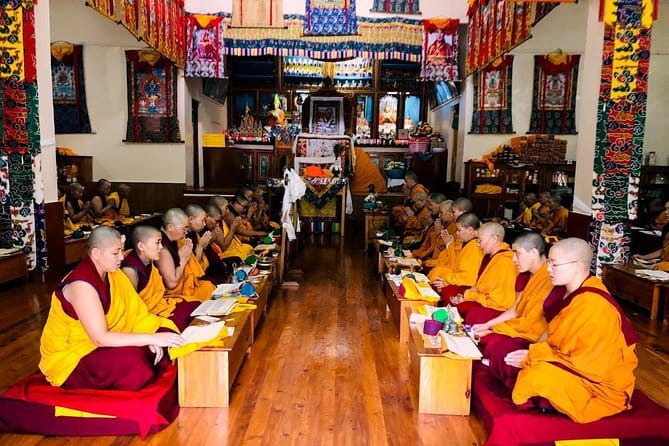
The final religious stop is Dongyu Gatsal Ling Nunnery, for Himalayan women in the Drukpa Kagyu tradition of Tibetan Buddhism. The listed visit time is about 30 minutes, which is longer than some of the other stops—so this is where you can slow down a bit.
Here’s the key practical note: admission is not included for this stop. So if you’re the type who likes to avoid surprises, keep a little extra budget ready for any entry fee requested on-site.
What you’ll likely appreciate on this stop is the change in perspective. You’re not only visiting a monastery for general viewing—you’re learning about a women’s nunnery and how the community supports education and practice. It also fits well with a tea-and-temple day because it adds a distinctly Tibetan layer to the route.
Be respectful with photos and movement. If there are areas that feel private or quiet, treat them that way—this is a living religious environment, not a theme park.
McLeodganj market time and the Dalai Lama temple area
The tour overview for this experience also includes the Dharamsala/McLeodganj region highlights, including visiting the Dalai Lama temple complex area and finishing with time at McLeodganj Market for Tibetan handcrafts and locally made souvenirs.
This is where the day turns from spiritual and scenic to practical buying. If you like simple crafts—textiles, prayer items, small wood or paper goods—McLeodganj Market is usually where you’ll find the most variety. And since this is described as a finishing stop, you can shop after you’ve used up the main part of your energy.
Small advice: set a rough budget before you arrive at the market. In tourist markets, prices can vary, and it’s easier to shop calmly when you decide what matters to you ahead of time.
Food, pace, and what to pack for a 5–6 hour day
Here’s the one item you have to plan yourself: meals are not included. Bottled water is included, but you’ll want snacks, especially if you run on low fuel. Pick something small and non-messy so you’re not tied to a sit-down meal.
The pace is “short stops, guided explanations.” That can feel relaxing—one review described it as really nice and calm—but it also means you shouldn’t expect long walks or extended viewpoints at each place. If you want a full hike or a slow museum-style day, you may feel rushed.
What to pack:
- Comfortable walking shoes (you’ll be doing a plantation walk)
- A light jacket or layer (mountain weather changes fast)
- Modest clothing for temples/monasteries
- A small amount of cash for the nunnery admission since it’s not included
Also, the experience notes it operates in all weather conditions. That means rain can happen without a full cancellation. Bring a basic rain layer and be okay with a day that adapts.
Pickup, groups, and the value of paying for convenience
At $46 per person, this tour doesn’t just cover transport. It also includes a local guide, private vehicle transportation, bottled water, and a tea tour with tasting. Taxes are included too.
Let’s translate that into real value: if you tried to replicate this on your own, you’d still need (1) reliable transport between Dharamsala and Palampur, (2) a way to access tea factory activities, and (3) enough local guidance to make temple/monastery visits feel understandable instead of confusing. This tour packages those pieces into one day.
Then there’s the time factor. Average booking is listed at about 50 days in advance, which tells me it’s a popular half-day plan. If you wait, your dates might get trickier, especially in busy seasons.
I also like the practical setup: mobile ticket plus pickup and drop-off. You’re not coordinating multiple vendors or chasing last-minute details. For a short schedule, that’s a big deal.
Who this tour is best for (and who should look elsewhere)
This experience is a strong fit if you:
- Want an easy way to see Palampur tea culture plus major religious sites in one morning/afternoon
- Like learning through short guided stops rather than long, tiring travel blocks
- Prefer a day that feels calm and structured
- Want tea tasting experience with enough variety to compare flavors
It might not be the best match if you:
- Need a meal included (you’ll have to plan your own food)
- Want long hiking time or big viewpoint time at each stop
- Are hoping for fully included admission at every religious site (the nunnery has an additional cost)
Should you book this Palampur–Monasteries tour?
Yes, if you want a low-stress, culturally rich day that mixes tea learning with Tibetan and Hindu spiritual stops. The tea factory visit with tasting is the main reason to book—especially if you like the idea of comparing many types of tea. Add the calm feel (short stops, guiding, and a clear route) and it becomes a very practical use of limited time.
If you’re on a tight food schedule, just remember the one catch: bring snacks or plan where you’ll eat later. And if you’re set on having every entrance fee handled, note that Dongyu Gatsal Ling Nunnery admission is not included.
FAQ
How long is the Palampur monasteries, temple, and tea gardens visit?
It runs about 5 to 6 hours (approx.), including transportation time.
Do I get pickup from my hotel in the Dharamsala area?
Yes. You’re picked up from your hotel (meeting your guide and driver at the scheduled time) and returned afterward.
Is the tour private or group-based?
It’s a guided group tour. The experience lists a maximum of 8 people per booking, and a maximum of 15 travelers overall.
What’s included in the price?
Included are bottled water, hotel/airport pickup and drop-off, transport by private vehicle, a local guide (option listed), the tea tour with tea tasting, and all taxes.
Is the tea factory visit included?
Yes. The Palampur Co-operative Tea Factory visit includes a presentation, a walk around the plantation, and tea tasting.
Are temple and monastery entrance fees included?
Some are listed as free: Shri Chamunda Devi Temple and Dorzong Monastic Institute. The Dongyu Gatsal Ling Nunnery admission is not included.
Is a meal included during the tour?
No. Meals are not included.
What should I wear for this tour?
Dress appropriately for all weather conditions since the tour operates in all weather. For temples/monasteries, modest clothing is a good idea.
How far in advance should I book?
The tour is often booked about 50 days in advance on average, so earlier is better.
Is the booking refundable?
No. This experience is non-refundable and cannot be changed for any reason.
Does the tour run in poor weather?
Yes, it operates in all weather conditions, so you’ll want to dress for rain or cooler conditions as needed.