REVIEW · TROU DEAU DOUCE
The Gorgeous East: Bois Cheri Tea factory, Rhumerie St-Aubin, Mahebourg & Lunch
Book on Viator →Operated by Freshverde Holidays · Bookable on Viator
Mauritius can feel like a lot of beaches, but this day starts with tea and rum—and keeps going into real history. You’ll cover the island’s East in one smooth route, hitting iconic stops like Bois Chéri, Rhumerie St-Aubin, Mahebourg’s waterfront and museum sites, plus ocean views from Pointe Canon.
What I like most is the hands-on flavor time: you get tea tasting with a panoramic view, then a guided rum-making experience with a tasting session. I also appreciate the pacing—there’s time at each place to actually see what matters, and you’re not rushing through everything like a checklist.
One consideration: hours can vary by day. If your visit lands on a day when a site is operating differently than expected, you may lose some of the best guided parts—so it’s worth confirming details after booking. Also, it’s a full day out and about, so plan for sun and rain.
In This Review
- Key highlights worth clocking before you go
- Tea and Rum in Mauritius: Why This Route Works
- Bois Chéri Tea Factory and Tea Museum: More Than a Quick Photo Stop
- Rhumerie St-Aubin Rum Distillery: Sugarcane-to-Bottle Story Time
- Mahebourg Lunch and the National History Museum: Ship-Linked French-Era Context
- Mahebourg Waterfront, Bataille de la Passe, and Market Time
- Frederick Hendrick Museum and Pointe Canon: Old Ruins Meet Ocean Views
- Price and What You Truly Pay For (Around $149.58)
- Who Should Book This Tour—and Who Might Not Love It
- The Best Way to Get More Out of It
- Should You Book The Gorgeous East?
- FAQ
- How long is the Gorgeous East tour?
- Where does the tour start and end?
- Is lunch included, and do you offer vegetarian options?
- Do I need to pay for entry tickets?
- Is the tour private?
- What should I wear or bring?
- What’s the meeting point process?
Key highlights worth clocking before you go

- Tea factory + tea museum: plantation history and how Mauritius builds its tea reputation
- Rhumerie de St-Aubin distillery tour: behind-the-scenes rum-making explanation and tastings
- Mahebourg National History Museum time: French colonial stories tied to ship and naval heritage
- Bataille de la Passe waterfront stop: you see the memorial tied to a major local battle
- Mahebourg open-air market: handicrafts and easy souvenir hunting, plus good food options nearby
- Pointe Canon viewpoints: a quick hit of the South East coast from a high, airy outlook
Tea and Rum in Mauritius: Why This Route Works
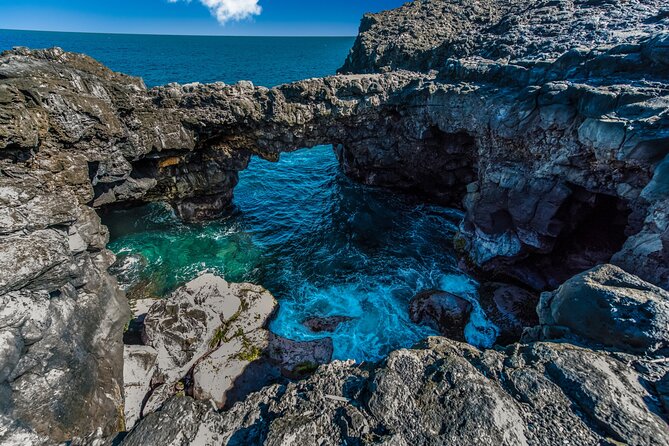
This is the kind of tour that feels smart, not random. Instead of bouncing between far-flung points with no theme, you follow two industries that shape Mauritius culture: tea and rum. You also get a history layer in the middle—Mahebourg’s museum and waterfront stops connect the island’s colonial-era past to the present.
The day starts at 8:30 am with pickup from your hotel anywhere in Mauritius. It’s a private tour, so you’re traveling with just your group in an air-conditioned vehicle, with a guide-driver who handles the timing. That matters on an island where roads and crowds can change the feel of your day. Here, you keep moving with less stress and more control.
At the end, you’re not only full (there’s a 3-course lunch) and slightly tipsy (in a fun, optional way through tastings). You also leave with a clearer sense of how Mauritius became Mauritius: sugarcane for rum, tea cultivation in the south, and a port town like Mahebourg where the island’s European-era story left physical traces.
You can also read our reviews of more tours and experiences in Trou dEau Douce.



Bois Chéri Tea Factory and Tea Museum: More Than a Quick Photo Stop
Your first major stop is Bois Chéri Tea Factory and Tea Museum, usually around an hour total on site, plus tasting time tied into the day. The visit is guided, and it’s not just about where tea grows—it’s about how tea became a Mauritius identity and how the plantation fits into the landscape.
Here’s what you’ll actually do:
- Tour the factory with a guide and move through the tea plantation area to connect the plants to the production steps
- Learn about the history of Bois Chéri tea production and why Mauritius became known for it
- Visit the tea production museum for context on how the process developed
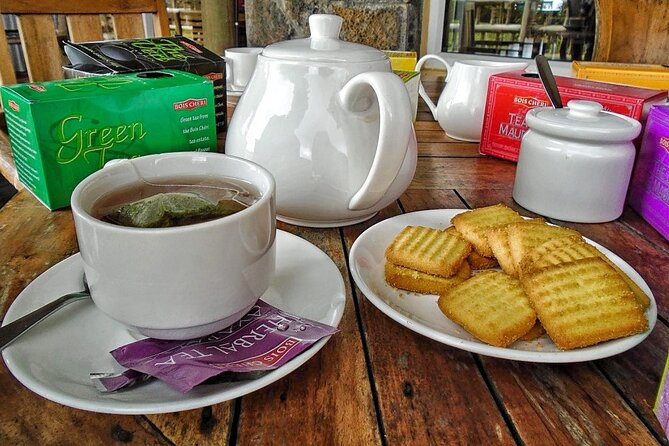
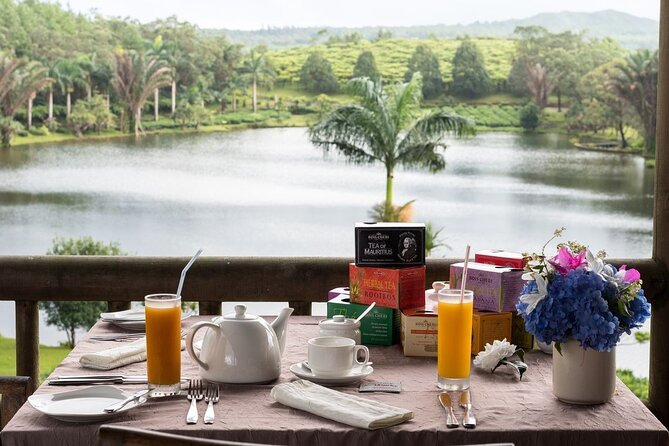
- Enjoy a tea tasting at Le Bois Chéri restaurant with a panoramic view
The tea tasting is one of the best parts of the day because you’re tasting right where the story is happening. Bois Chéri produces flavored teas, green teas, and herbal teas, so it’s not limited to one style. If you usually dislike tea that tastes flat or overly bitter, this is the moment to sample different profiles while someone explains what you’re tasting.
What can be less satisfying? If you’re expecting a super long tasting session or a deep, technical class, your time is limited. But for a full-day outing, the structure works: you get guided meaning first, then you slow down for tasting and views.
Rhumerie St-Aubin Rum Distillery: Sugarcane-to-Bottle Story Time
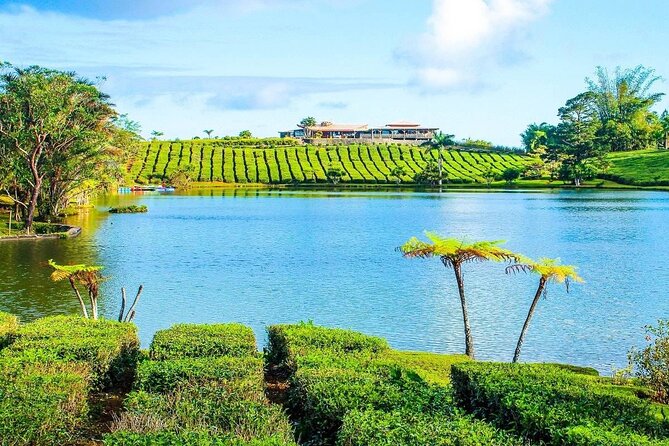
Next you head to Rhumerie de St-Aubin, set in a colonial-style house. The tone here is more relaxed than a factory floor tour—still structured, but easier to enjoy. You’ll get a guided visit with time to learn how rum is made from sugarcane, plus a rum tasting session.
What makes this stop valuable is the pairing of story + process. You’re not just sampling. You’re being shown how the distillery manufactures different rum flavors, then you taste the result. That kind of guided tasting is often the difference between, I tried a few sips and, I actually understood what I liked and why.
Plan for the fact that tastings can change how you feel later in the day. Lunch is scheduled after this, and you’ll still be walking some routes and doing museum time after. If you want to enjoy the day fully, sip slowly and pace yourself—this isn’t a race.
Also, the distillery time is about an hour. That’s long enough to learn and taste, but short enough that the day doesn’t bog down.
Mahebourg Lunch and the National History Museum: Ship-Linked French-Era Context
After tea and rum, you’ll head to a local restaurant for lunch: 3 courses with salads, rice, soup, chicken, fish, and vegetables. There are non-alcoholic beverages included, and there’s a halal note for the meal plan. Vegetarian options are available too, if you flag it when booking.
Lunch is more than a break here. It’s strategically placed after your tasting stops, which helps you reset before the heavier history portion. If you’re sensitive to heat, this is also where you cool down indoors and refuel.
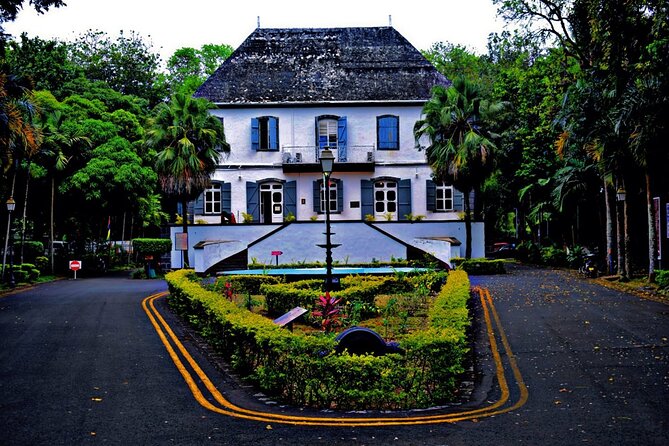
Then comes the National History Museum of Mauritius in Mahebourg, with about two hours here. The focus is 18th-century history and the remnants of the French colonial empire through the naval museum component. You’ll see the building itself matters too, not only the exhibits. That’s a subtle but important point: museums aren’t only objects; they’re also architecture and maritime-era context, and this one lets you notice both.
If you like story-driven museums—how people lived, how ships moved, how an island’s coastline shaped politics—this stop tends to land well. If you prefer hands-on experiences only, you’ll still find artifacts interesting, but you’ll rely on your guide to keep the narrative flowing.
Mahebourg Waterfront, Bataille de la Passe, and Market Time
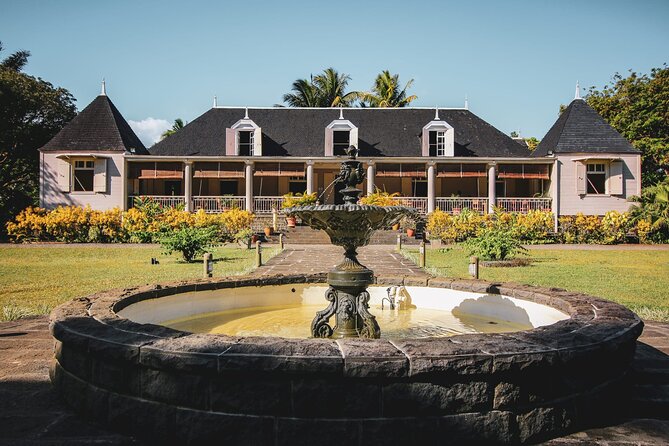
This is the part of the day where you slow down and get a local feel—without losing historical weight. First you’ll visit the Mahebourg waterfront for about 45 minutes. The waterfront is positioned as a return to local village-style life and includes a stop tied to a major event: the Bataille de la Passe memorial.
This isn’t just a plaque-and-go moment. The waterfront area includes a memorial and lets you take in the panorama where the battle took place. Seeing the setting helps you understand why history played out where it did.
Then you’ll move to Bazar Street / Mahebourg local market, again around 45 minutes. This is an open-air market where you can hunt for handicrafts and souvenirs at bargain-friendly prices. You’ll find vegetables and fruit for locals, and you’ll also see a big range of items—especially things like world-of-seashell type merchandise, plus textiles and other typical market goods.
One practical tip: markets are great for last-minute souvenirs, but don’t over-pack your buying energy for this stop. The tour has several more points after, including museum ruins and a viewpoint. I’d use this window to grab a few meaningful items (or gifts) instead of trying to cover the whole market.
Also, if you enjoy street food, you’ll likely see plenty of food options around the market area, but your tour timing doesn’t list a specific extra food stop here—so treat it as optional browsing and browsing snacks only if your schedule allows.
Frederick Hendrick Museum and Pointe Canon: Old Ruins Meet Ocean Views
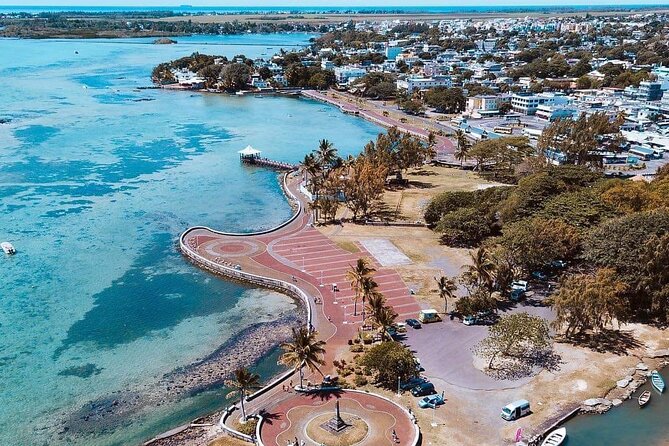
The day’s last history stop is Frederick Hendrick Museum, about 40 minutes. It sits in Old Grand Port, and it’s described as bearing the remnants of the first human settlement in Mauritius. The story here connects Dutch and French colonial history, and the site is surrounded by tropical gardens.
What you’ll get at the museum:
- Visitor center with exhibits of artifacts found through archaeological excavations since 1997
- The remains of some ruins
- A setting that makes it easier to imagine the coast-life behind the artifacts
This is a good stop if you like origins—how an island’s early settlement layers appear later in physical traces. You don’t need to be a history nerd to enjoy it, but having a guide to point out what matters helps a lot here.
Then you finish at Pointe Canon, a viewpoint scheduled for about 25 minutes. This short stop is meant to refresh your eyes after the museum time. From here you’ll see the South East coast and major nearby features, including Lion Mountain over sugarcane fields, Mouchoir Rouge islet, and Ile aux Aigrettes, which is described as a protected nature reserve.
Pointe Canon also has a local meeting-and-commemoration feel—events like regattas and the abolition of slavery commemorations in February are referenced as part of why locals gather there. Even if you’re not attending an event, the location helps explain local ties to the water.
When you’re done with Pointe Canon, you’ll return to your hotel transport included.
Price and What You Truly Pay For (Around $149.58)
At $149.58 per person, this tour isn’t the cheapest way to see the East. But it is priced like a value day when you count the included pieces. You’re paying for private transport, a guide-driver, several paid admissions, and a full lunch with non-alcoholic drinks.
Here’s what’s included that you’d otherwise have to piece together:
- Pickup and drop-off from your accommodation
- A private, air-conditioned vehicle
- Bottled water upon arrival
- Entrance to Bois Chéri Tea Factory and the tea tasting at the restaurant
- Entrance to Rhumerie de St-Aubin
- Entrance to the museum stops in Mahebourg and Frederick Hendrick
- Entrance-free time stops at the waterfront and the market areas
- 3-course lunch (vegetarian option available; halal noted)
- Not included only beyond that: gratuities
Another value detail: the tour duration is 7 to 8 hours, starting at 8:30 am. That timing helps you use one day for multiple “big” destinations without dragging the rest of your vacation behind it. If you’re staying somewhere with limited public transport, private pickup is also a real benefit.
If you’re the kind of traveler who wants to taste tea and rum but also wants the history context so it all means something, this price starts to feel fair.
Who Should Book This Tour—and Who Might Not Love It
This tour is best for you if:
- You want tea and rum as more than souvenirs—guided tasting and production explanation matter to you
- You like mixing food stops, museums, and viewpoints into one day without planning every step
- You enjoy history tied to specific places like Mahebourg’s waterfront battle memorial
It might not be the perfect fit if:
- You prefer very long stays in one place rather than a full route
- You’re easily sensitive to sun, because you’ll be outdoors at viewpoints and walking at the waterfront/market
- You’re hoping for a purely beach-and-bath day (this is cultural and tasting-heavy)
One more practical note: the tour requires good weather. Bring a raincoat and wear non-slippery shoes since you’ll walk around multiple outdoor areas.
The Best Way to Get More Out of It
If you want your day to feel easy and rewarding, I’d do three things:
- Start the day hydrated, since you’ll be tasting and walking through outdoor areas. Bottled water is included, but bring a small reusable bottle too if you like.
- Pace your tastings. Enjoy them, but keep enough energy for museum time and the viewpoint at the end.
- In the museum stops, lean into your guide. The sites are set up for storytelling, and that’s what turns artifacts and buildings into a “why it matters” experience.
I also think the private guide-driver style makes a difference. One driver I learned about from the experience notes—Vic—was described as polite and helpful, with lots of care in making sure the day matched what was booked. That kind of local support can turn a standard tour into a smoother, calmer one.
Should You Book The Gorgeous East?
I’d book this tour if you want a strong East Mauritius sampler: tea production + rum distilling + Mahebourg history + real viewpoint time, all in one day with admissions and lunch handled. It’s a good match for travelers who like food, flavor, and place-based history without building an itinerary piece by piece.
Before you book, check the day you’re traveling if you’re set on the full guided factory experience, since site operations can vary by day. If the timing works and you’re ready for a full day outdoors and indoors, this is a solid value way to see Mauritius beyond the beach.
FAQ
How long is the Gorgeous East tour?
It runs about 7 to 8 hours, starting at 8:30 am.
Where does the tour start and end?
Pickup and drop-off are included from any hotel or accommodation in Mauritius.
Is lunch included, and do you offer vegetarian options?
Yes. Lunch is 3-course and includes beverages that are non-alcoholic. Vegetarian options are available if you advise at the time of booking, and there’s a halal note for the meal.
Do I need to pay for entry tickets?
The tour includes entrance to Bois Chéri Tea Factory, tea tasting, and Rhumerie de St-Aubin, plus museum admissions listed on the route (including Frederick Hendrick). Market and waterfront time is noted as free.
Is the tour private?
Yes. It’s a private tour/activity, and only your group participates.
What should I wear or bring?
Bring a raincoat (for rainy days) and wear non-slippery shoes, since you’ll spend time outdoors at several stops.
What’s the meeting point process?
You’ll get confirmation at booking, and the tour starts with hotel pickup. You’ll also receive a mobile ticket.