REVIEW · KYOTO
Kyoto Japanese Tea Ceremony Experience in Ankoan
Book on Viator →Operated by KYOTO Japanese tea ceremony experience in ANOAN, Chinese/English OK! · Bookable on Viator
That first quiet cup changes the tempo. The Kyoto Japanese tea ceremony experience at 暗香庵 (Ankoan) is built for conversation and calm, and I really like the chance to get right into hands-on matcha instead of only watching. I also like that the host explains not just how, but why each part matters for Japanese manners. One thing to consider: it’s not recommended if you have knee pain, since the format can involve sitting on the floor.
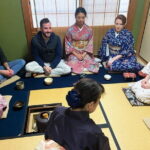
This is a small-group class (up to 8 people) with strong language support, since the provider lists Chinese/English availability. Expect an easy start with a welcome tea, then a guided flow that moves from a demonstration to you practicing, step by step.
You can also take indoor photos during the ceremony space, and the session includes tasting wagashi alongside your matcha. Plan for about 1 to 2 hours total, depending on pacing that day and how long the practice and tasting take.
In This Review
- Key Highlights You’ll Notice at Ankoan
- Why This Kyoto Tea Ceremony at 暗香庵 Feels More Personal
- Price and Value: What $32.84 Buys You (and Why It’s Fair)
- Getting to the Tea Ceremony Studio: Meeting Point and Timing Reality
- Your Tea Ceremony Flow at Ankoan: Welcome Tea to Final Taste
- 1) Arrival with welcome tea and conversation
- 2) Intro to tea ceremony parts and manners
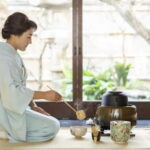
- 3) Tea master demonstration
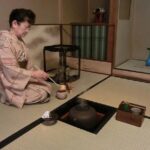
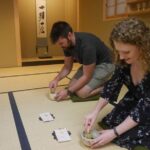
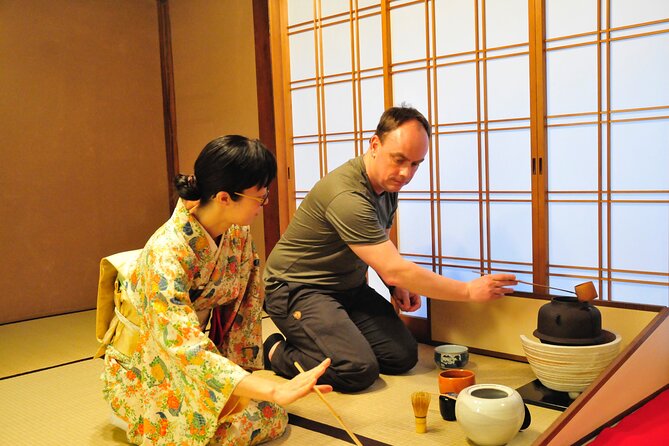
- 4) Hands-on: you practice the most essential steps
- 5) Tasting in the calm rhythm of the ceremony
- Matcha Making That Actually Teaches You Something
- The Conversation Side: Japanese Life, Culture, and Etiquette Talk
- Photos, Atmosphere, and Practical Tips That Keep It Easy
- Who Should Book This Kyoto Experience (and Who Might Skip It)
- Should You Book Kyoto Japanese Tea Ceremony Experience in Ankoan?
- FAQ
- How long is the Kyoto tea ceremony experience at Ankoan?
- Where is the meeting point for the tea ceremony?
- Is private transportation included?
- What’s included in the experience?
- What languages are available?
- Is it suitable if I have knee pain?
- What if the weather is bad?
Key Highlights You’ll Notice at Ankoan
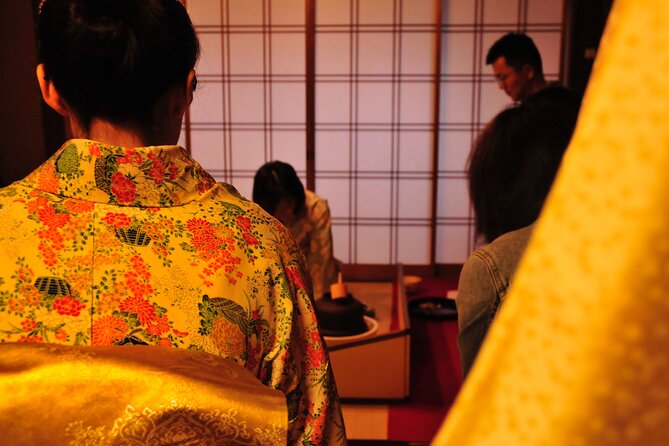
- Welcome tea right at the start, made by Yuka, with a chance to chat
- Demonstration first, then you practice the most important matcha steps
- Tea ceremony manners and meaning explained in plain, practical terms
- Tasting matcha and wagashi in the rhythm of the service
- Small group size (max 8) so you’re not lost in the background
- Indoor photos allowed, so you can remember the details
Why This Kyoto Tea Ceremony at 暗香庵 Feels More Personal
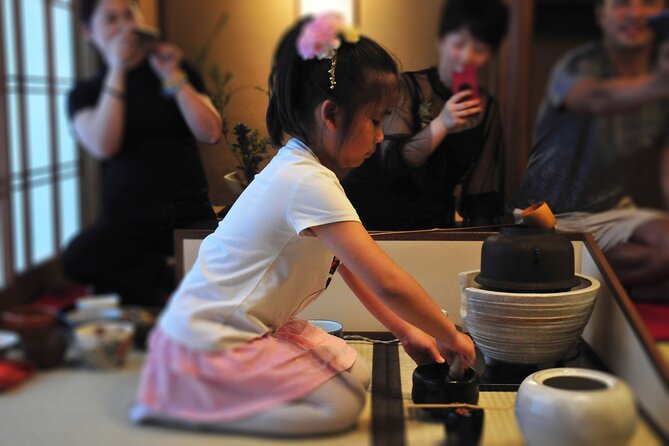
Kyoto runs on schedules, lines, and walking shoes. This experience does the opposite. It slows you down on purpose.
At Ankoan, the class begins with a welcome tea and conversation. That matters more than people think. If you’ve been cramming temples all morning, you’ll want a soft landing. Here, the host gives you a relaxed start before the ceremony gets formal.
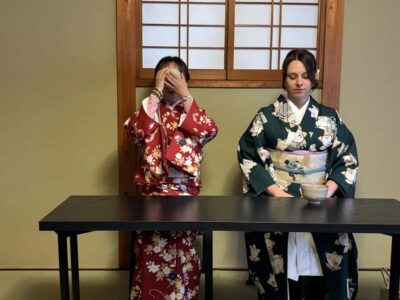
The tea ceremony itself is structured like a lesson, not a performance you’re forced to sit through. You’ll watch the host demonstrate, then you’ll model the steps yourself. That’s a big reason the experience gets such strong ratings: you actually do the key movements and learn the mindset behind them.
And you’ll be with a small group, max 8. That keeps the attention on everyone, rather than turning it into a factory line.
You can also read our reviews of more tours and experiences in Kyoto.
Price and Value: What $32.84 Buys You (and Why It’s Fair)
At $32.84 per person, this isn’t a pricey Kyoto splurge. It’s also not a cheap “quick photo stop,” either.
What you’re paying for is a guided, multi-part tea experience:
- welcome tea as soon as you arrive
- explanation of tea ceremony parts and manners
- a demonstration by the tea master
- your hands-on matcha making
- tasting your matcha plus wagashi
- time for discussion about Japanese culture and daily life
Included at minimum is coffee and/or tea (the session clearly centers tea and matcha, so plan on drinks as part of the program). Since you’re learning a ritual that normally takes years to absorb, the cost-to-learning ratio is strong. You’re not just buying a drink. You’re buying instruction plus the chance to practice.
If you’re trying to balance your Kyoto budget, this is one of the more sensible “culture” activities: the price is modest, the group stays small, and you take away a skill (even if it’s just a first version) plus a deeper feel for etiquette.
Getting to the Tea Ceremony Studio: Meeting Point and Timing Reality
You meet at: 暗香庵 (Ankoan), 63 暗香庵, Murasakino Monzenchō, Kita Ward, Kyoto, 603-8216, Japan. The activity ends back at the same meeting point.
A few practical notes:
- The provider lists it as near public transportation, so you don’t need private transport.
- Bring whatever you need to move comfortably. The class isn’t recommended for knee pain, which is a clue to how seating may work.
- Book ahead. The average booking time shown is about 12 days in advance, so popular slots can fill.
Timing-wise, the description says about 1 hour (approx.), while other parts describe a 90-minute service, and the experience often runs closer to around two hours in practice. The safe way to plan your day is to give yourself a block of time before or after other major sights.
Your Tea Ceremony Flow at Ankoan: Welcome Tea to Final Taste
Here’s what the experience is designed to do, in order.
1) Arrival with welcome tea and conversation
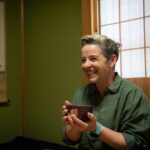
You start with a cup of welcome tea. The description specifically calls out that Yuka makes it. This is your moment to reset after travel and ask casual questions before things become formal.
This early conversation isn’t random. It sets a friendly tone, and it makes the etiquette talk easier to understand. If you want culture without feeling lectured, this part helps.
2) Intro to tea ceremony parts and manners
Next comes an explanation of the ceremony’s specific parts and the manners behind them. The goal isn’t to overwhelm you with rules. It’s to help you understand what you’re doing when you later pick up the matcha tools.
Think of this as the “translator” stage: it bridges the gap between a ritual that looks graceful and a process you can actually follow.
3) Tea master demonstration
Then the tea master demonstrates the ceremony steps. This is the moment you’ll want to watch closely, but without tensing up. The overall teaching style is step-by-step.
The vibe here tends to be both formal and approachable: you’ll learn the sequence and the meaning, not just the motions.
4) Hands-on: you practice the most essential steps
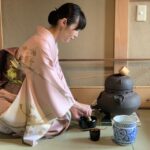
After the demonstration, you model the host’s movements and get to prepare matcha yourself. This is the “you’re in it” part.
And it’s not a sink-or-swim situation. The teacher stays around to instruct and explain as you go, which is a huge quality marker for this kind of activity.
5) Tasting in the calm rhythm of the ceremony
When your matcha is prepared, it’s tasted by others, creating a harmonious tea space. In normal language: you participate, then you experience the results of the ritual in a setting designed for calm attention.
You’ll also get tasting alongside wagashi, which adds a sweet counterpoint to the matcha’s earthy flavor.
Matcha Making That Actually Teaches You Something
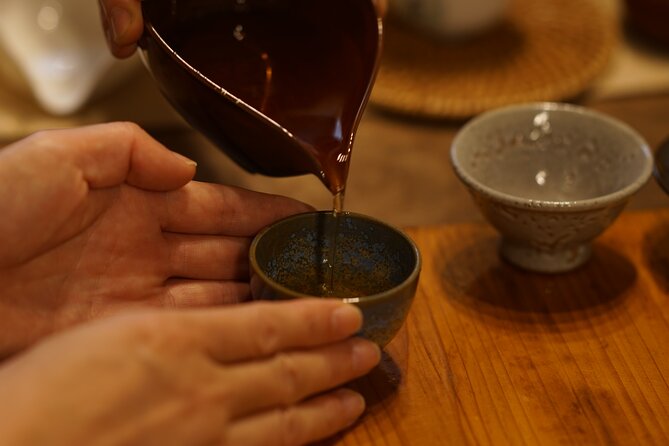
The best thing about this experience is that it treats matcha making as skills, not magic.
You’ll learn what matters most in the process: the sequence, the handling, and the idea that the ceremony is about respect and focus, not speed. Even if you’re a total beginner, you’ll leave with muscle memory for the first steps and a better idea of why the ritual looks the way it does.
The description also notes that the experience moves to another matcha tearoom, where you watch the process, taste matcha, and enjoy delicious wagashi. After that, you get to make matcha personally. Practically, that means you see the flow more than once, and you get chances to compare what it should feel like versus what you’re doing.
One small consideration: if you’re expecting a long, technical deep lesson on matcha chemistry, this isn’t marketed that way. It’s a tea ceremony experience, centered on manners, meaning, and performing the ritual with guidance.
The Conversation Side: Japanese Life, Culture, and Etiquette Talk
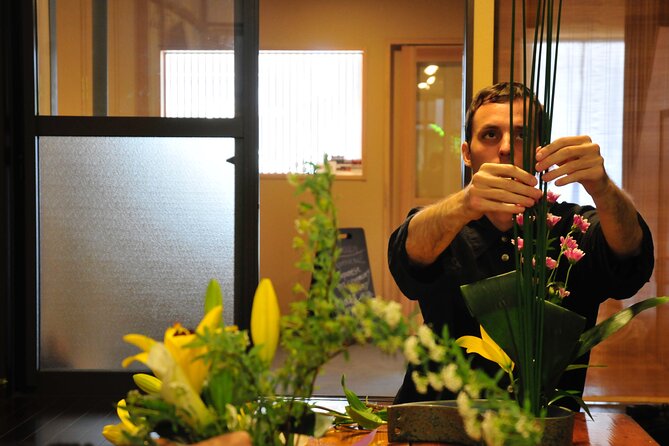
A lot of tea experiences stop at how to whisk. This one also spends time on why the ceremony fits Japanese culture.
You’ll hear discussion topics like how Japanese people live and how Japanese culture came into being. The description also frames it as a way for people from different cultures to get closer through communication during the process.
If you’re traveling solo or with a partner, this is one of the easiest culture activities to make social. With up to 8 people, conversation doesn’t get lost in the group noise.
And if you’re shy, you still get value. The host starts with welcome tea and uses the ceremony steps to guide the pace of talking, so the experience doesn’t rely on you being the extrovert.
Photos, Atmosphere, and Practical Tips That Keep It Easy
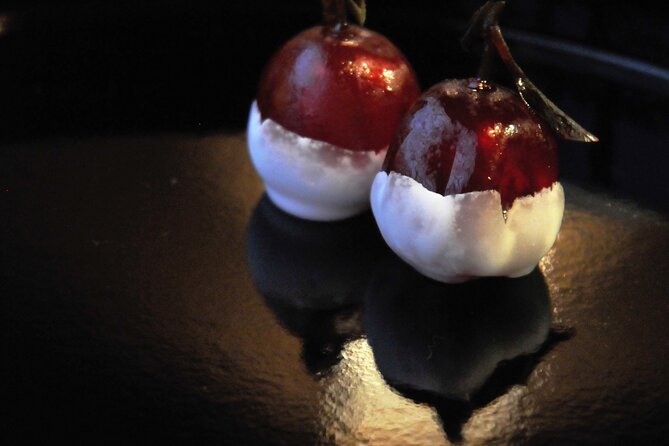
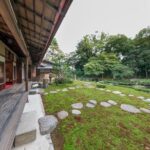
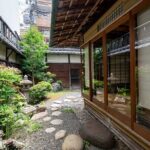
The studio allows indoor photos freely, which is great because the tea room atmosphere is part of the point. Don’t spend the whole session documenting. But do take a couple shots early or between segments so you remember the setting.
Practical things that help:
- Dress for comfort if you’ll be sitting in the tea space. Since knee pain is a caution, choose clothing that makes you mobile enough for a floor-sitting posture.
- Keep your day light around this activity. If you stack it between long temple walks, you’ll arrive tired and miss some of the calm.
- Bring curiosity for manners. You don’t need to already know etiquette. The host explains it, and the hands-on practice makes it stick.
Who Should Book This Kyoto Experience (and Who Might Skip It)
This one is a strong match if you want a Kyoto culture activity that is:
- practical (you do matcha yourself)
- calm and structured (demonstration, then practice, then tasting)
- small-group (max 8)
- language-friendly (Chinese/English OK)
It’s also a good choice if you’ve seen the big-sight Kyoto checklist already and you want something that feels personal and different from sightseeing.
You might consider skipping it if:
- you have knee pain (explicitly not recommended)
- you want a fast, strictly sightseeing-only schedule with no sitting
It can work for families too, since the experience description and ratings include examples of small kids participating comfortably. Just plan around seating and pacing.
Should You Book Kyoto Japanese Tea Ceremony Experience in Ankoan?
If you’re looking for one of the more meaningful Kyoto “try something” experiences without spending much, I’d book it. For the price, you get a full ritual arc: welcome tea, manners explained, a demonstration, hands-on matcha making, plus tasting with wagashi in a calm tea space.
Book it especially if you care about details like etiquette and why the steps matter, or if you want more than a photo opportunity.
If knees are an issue, take that seriously and choose an alternative activity in Kyoto that doesn’t require floor-based sitting. Otherwise, this is a well-paced, friendly tea experience that turns matcha from a souvenir into a real skill you can repeat later.
FAQ
How long is the Kyoto tea ceremony experience at Ankoan?
The duration is listed as about 1 hour, and the service is described as about 90 minutes. In practice, it may run closer to around two hours.
Where is the meeting point for the tea ceremony?
You meet at 暗香庵 (Ankoan), 63 暗香庵, Murasakino Monzenchō, Kita Ward, Kyoto, 603-8216, Japan. The tour ends back at the same meeting point.
Is private transportation included?
No. Private transportation is not included.
What’s included in the experience?
Coffee and/or tea are included, along with the tea ceremony activities centered on matcha and tasting, plus wagashi is part of the experience described.
What languages are available?
The provider lists Chinese/English support.
Is it suitable if I have knee pain?
It’s not recommended for people with knee pain.
What if the weather is bad?
The experience requires good weather. If it’s canceled due to poor weather, you’ll be offered a different date or a full refund.