REVIEW · KYOTO
Kyoto Ninenzaka: Tea Ceremony in Old Townhouse with Chairs
Book on GetYourGuide →Operated by Kangetsu Kyoto · Bookable on GetYourGuide
Tea time can slow your whole day. In Kyoto Ninenzaka, I love the Uji matcha connection to a Bunsei-era farming family and the chance to make it yourself from a chairs-friendly setup. One thing to consider: the townhouse setting includes stairs and small rooms, so plan ahead if you’re sensitive to tight spaces or climbing.
This is not a fast photo stop. The room is kept quiet on purpose, and you’ll learn why tea practice has always been as much about attention as it is about taste—plus you’ll finish with seasonal Kyoto wagashi from a long-established shop.
In This Review
- Key things that make this Kyoto tea ceremony worth your time
- Entering the old-town quiet near Kiyomizu Temple
- Chairs and a standing-style tea practice (nice for knees)
- Uji matcha: the star ingredient and why it matters
- Wagashi and seasonality: what you eat says a lot
- How Zen shows up in technique, not speeches
- The 50-minute flow: what happens during the lesson
- Rules that keep the room calm (and why you should follow them)
- English support and the people who make it feel real
- Price and value: is $21 worth 50 minutes?
- Who should book this Kyoto tea ceremony?
- Should you book Kyoto Ninenzaka tea ceremony in a townhouse with chairs?
- FAQ
- How long is the Kyoto Ninenzaka tea ceremony?
- Is this tea ceremony seated or standing?
- What should I bring with me?
- Can I wear perfume?
- Is a kimono included in the price?
- What age is this experience suitable for?
Key things that make this Kyoto tea ceremony worth your time
- Uji matcha with Bunsei-era roots: premium matcha sourced from a family tea farm with cultivation dating to 1818–1831.
- Your matcha, your pace: you don’t just watch—you practice the steps and taste what you make (2 cups included).
- A quieter kind of Zen: the experience follows tea principles with no outside distractions, so it feels calm instead of theatrical.
- Historic townhouse setting: a traditional home built about 150 years ago, renovated inside but still unmistakably old.
- Wagashi from a traditional Kyoto confectioner: handcrafted sweets ordered from a long-established shop associated with the Kyoto Prefectural Confectionery Association.
- English support and Q&A time: explanations include etiquette, utensil care, and a question period—so you actually understand what you’re doing.
Entering the old-town quiet near Kiyomizu Temple
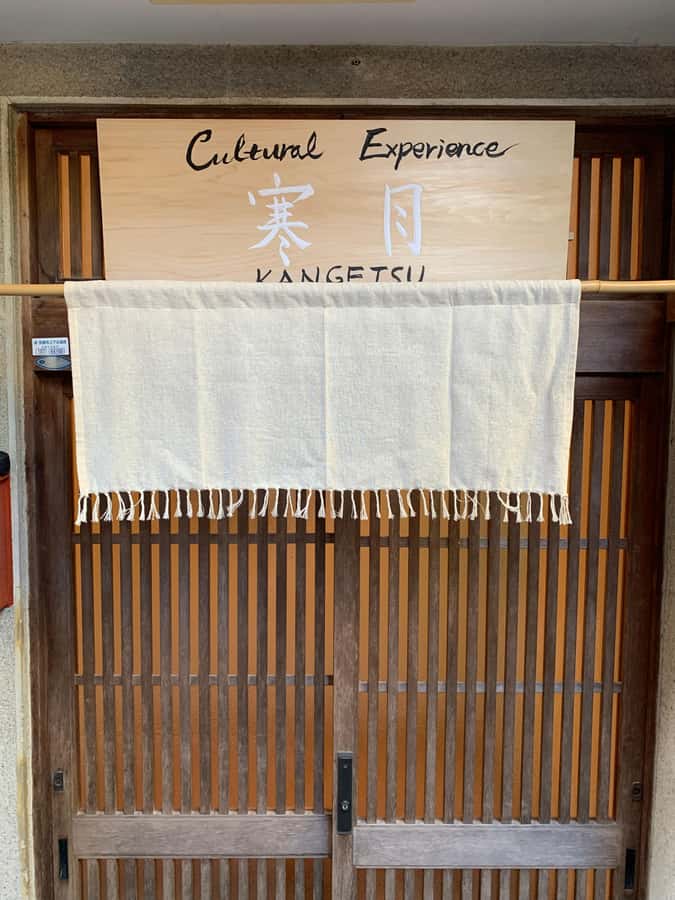
Kiyomizu Temple draws big crowds, but this tea stop lives in the quieter lanes right by Ninenzaka. The meeting spot is near Kiyomizu Temple at the end of an alley next to Starbucks on Ninenzaka—so you’re close, but you still get that pocket-of-peace feeling once you walk in.
Do a little navigation prep. One practical heads-up: maps can sometimes point you to the wrong place nearby, so I’d follow the written directions you receive and not trust a random pin. It saves stress when you’re already winding through narrow streets.
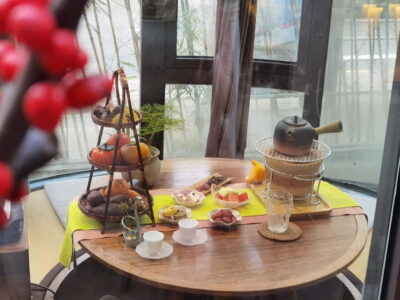
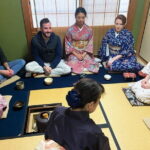
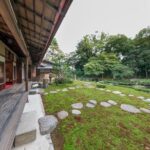
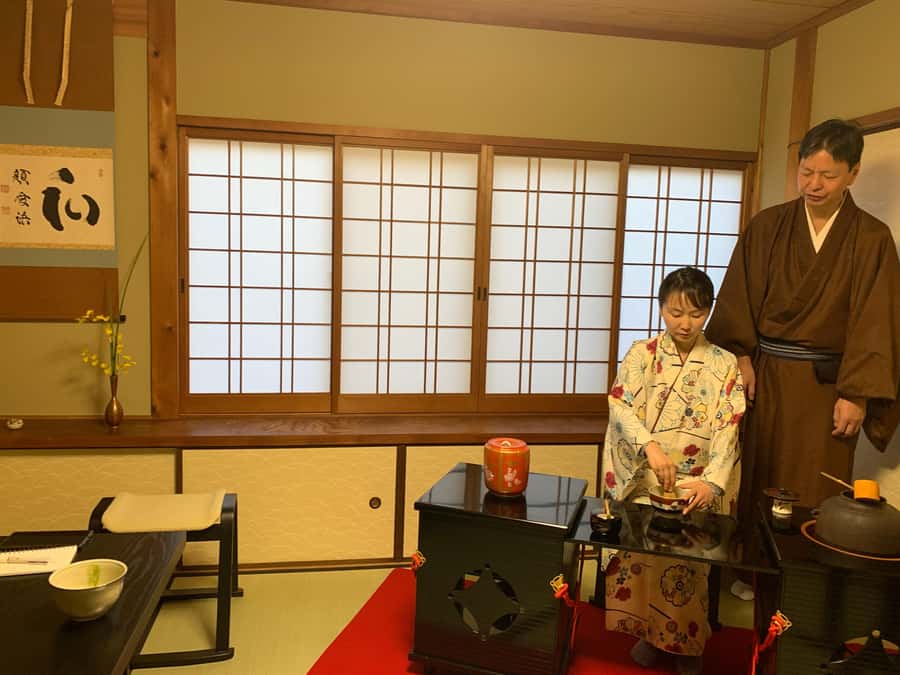
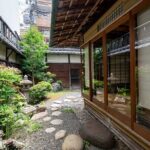
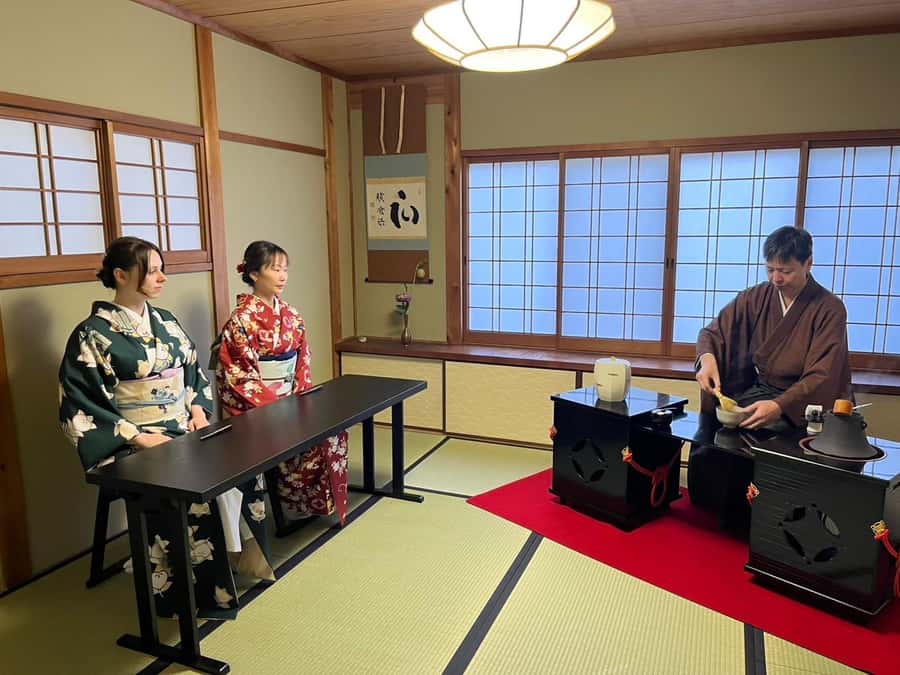
Once you arrive, you’re in a traditional Japanese townhouse built about 150 years ago. The interior has been renovated, but it keeps the original charm—low ceilings, compact rooms, and that distinct old-wood calm. If you like the feeling of stepping into daily life instead of a showroom, you’ll appreciate this.
You can also read our reviews of more tours and experiences in Kyoto.
Chairs and a standing-style tea practice (nice for knees)
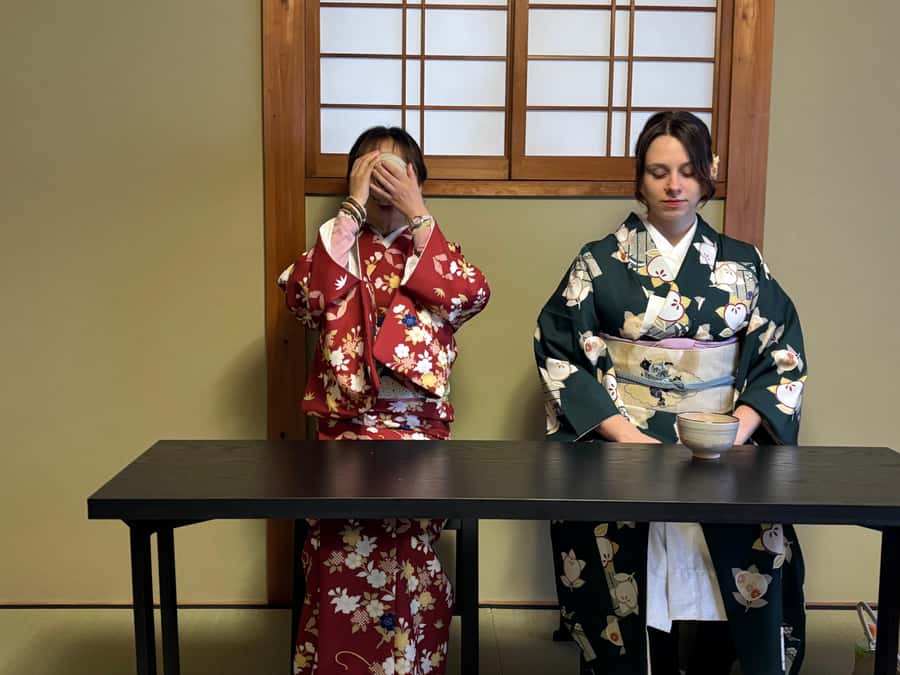
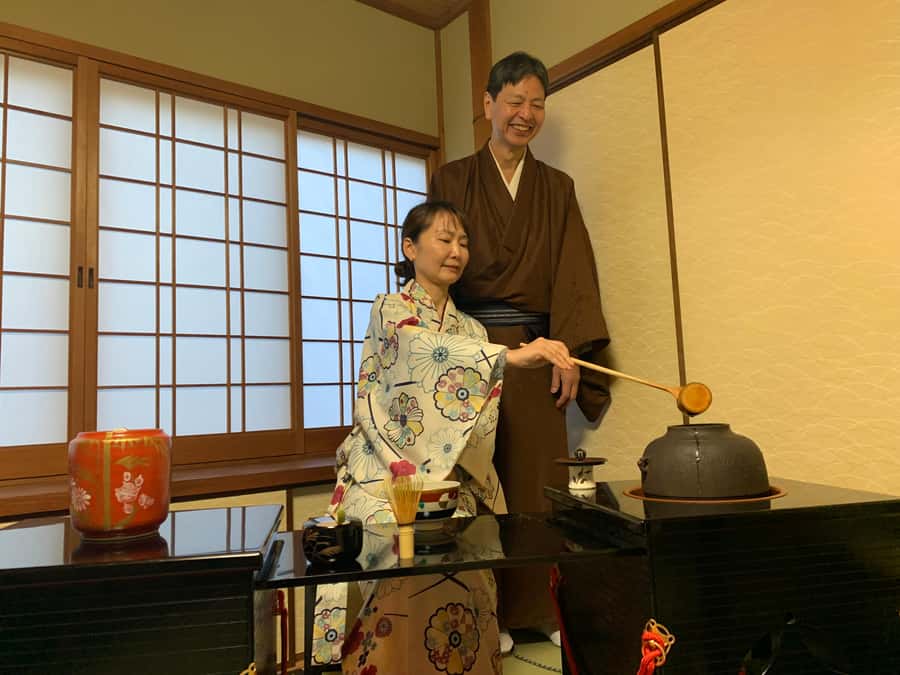
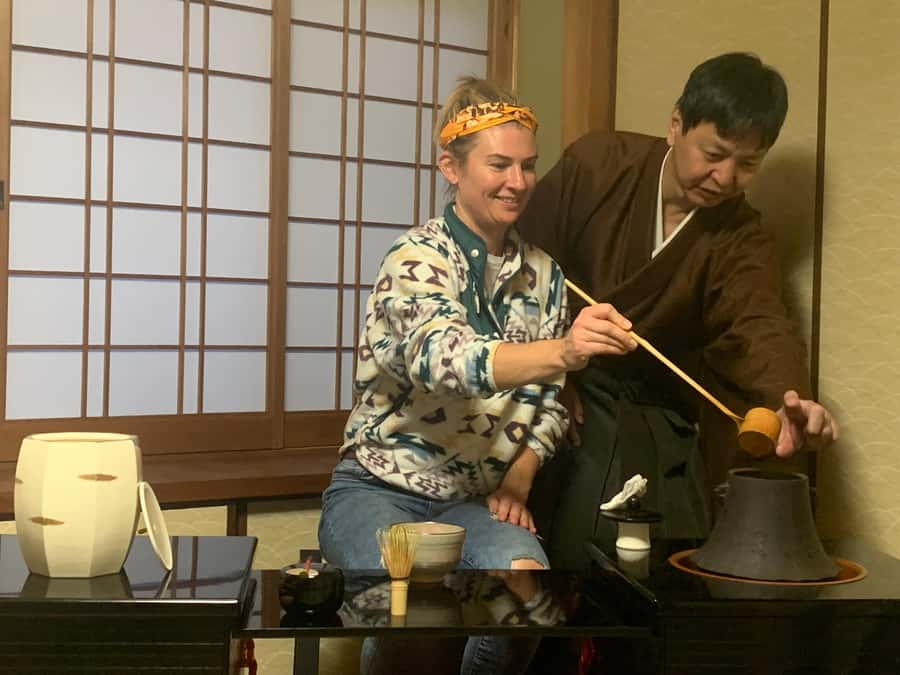
This experience is designed for people who find sitting on the floor challenging. Instead of the classic low seating on tatami, you’ll use a standing tea ceremony style with a setup that includes a stand for a seated ceremony. In plain terms: you can focus on the tea without spending your whole time wrestling your body into position.
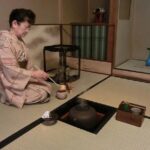
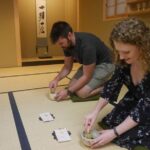
That chair-friendly layout shows up in how the experience is taught. You’ll follow demonstrations of proper movements and serving techniques, then practice the matcha-making steps yourself. The goal is to learn the ritual correctly—not to rush you through.
Still, don’t ignore the physical reality of the building. The townhouse rooms are small, and the stairs may feel steep. One practical approach: wear grippy shoes while you’re outside (then switch to socks indoors), and take it slowly on the way up.
Uji matcha: the star ingredient and why it matters
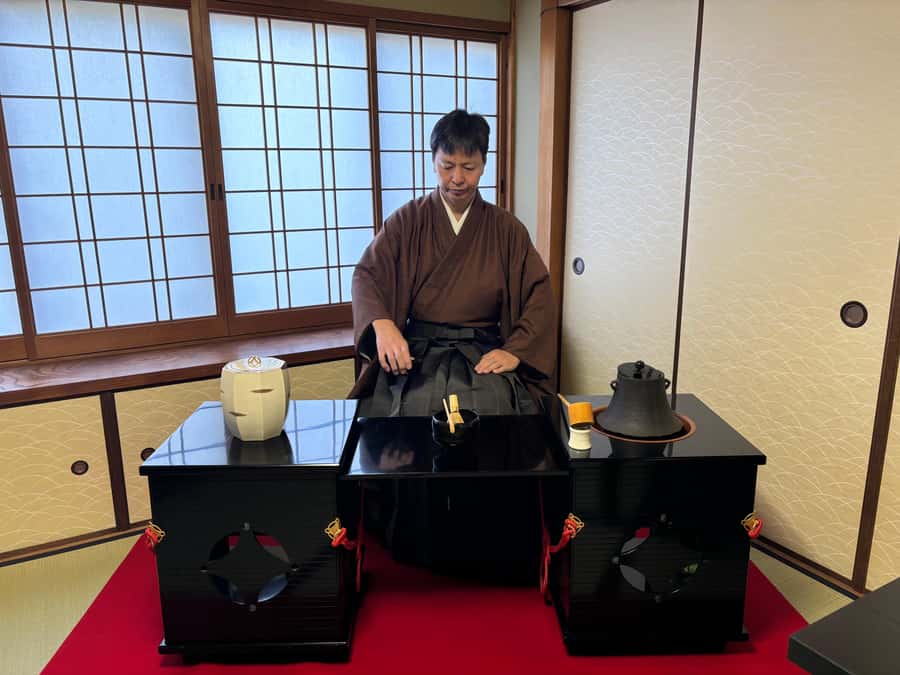
Matcha isn’t all the same. The big selling point here is the use of premium Uji matcha sourced from a tea farmer whose family has cultivated tea since the Bunsei era (1818–1831). That matters because matcha quality shows up in flavor and texture—foam, sweetness level, and how clean the finish feels.
What you do in class is the best part if you like learning by hands-on work. You’ll go through:
- the history and cultural significance of tea ceremony
- the tools used for making tea
- etiquette and serving techniques
- a demonstration of elegant movements and seasonal hospitality
- then you make matcha yourself
And it’s not just make-and-go. You’ll get guidance for correct technique, and then you’ll taste the results. Two cups of matcha are included, so you’ll have a second chance to notice details—how the tea looks after whisking, how the aroma changes as you sip, and how the sweetness and bitterness balance in a proper cup.
Wagashi and seasonality: what you eat says a lot
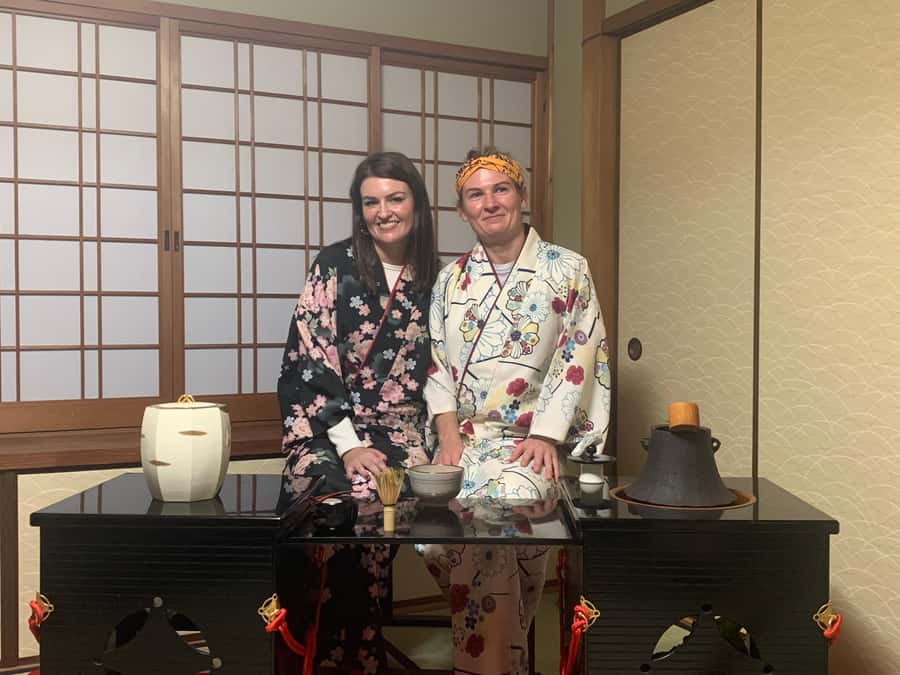
Tea ceremony doesn’t separate taste from atmosphere. You’ll pair your matcha with seasonal handcrafted wagashi from a long-established Kyoto confectionery shop.
Wagashi are delicate by design. Even if you don’t know the details ahead of time, you’ll feel the intention: gentle sweetness, careful texture, and flavors chosen to match the moment. This is one reason the ceremony stays quiet—your senses need a little room to work.
There’s also a practical side. Wagashi is included, so you won’t need to hunt for a snack before or after. In a city full of rushed meals, it’s a nice change of pace to have something small, traditional, and planned for the tea session.
How Zen shows up in technique, not speeches
Tea ceremony often gets described as Zen, but here it’s taught through actions. You’re expected to follow etiquette—how you handle utensils, how you move, and how you serve. That’s where the Zen idea becomes real: attention is built into the choreography.
One of the most appreciated parts of the experience is the way instructions are explained step-by-step in English, with time for Q&A. You’re not left guessing. You’ll hear about the meaning behind tea utensils and why care matters, then you’ll apply it as you make your matcha.
There’s also a key difference from tourist-style shows. The session is held quietly in the tearoom, with the idea that you should focus on the practice and the taste. No outside distractions. No loud performance energy. The room asks you to slow down—and the structure supports that.
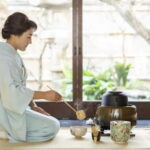
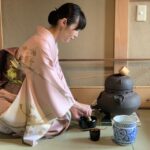
The 50-minute flow: what happens during the lesson
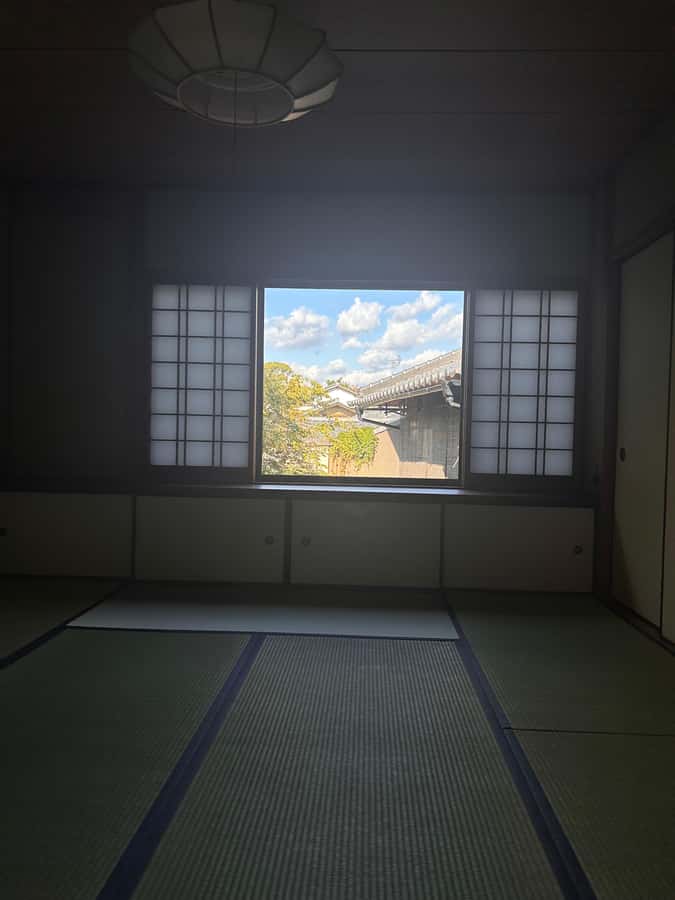
The full class runs about 50 minutes. Here’s the rhythm you can expect:
First, you’ll learn the background: why tea ceremony exists, how it connects to practice and aesthetics, and how the ritual has been preserved over time.
Then comes the tools portion. You’ll explore tea utensils—what they are, what they’re for, and basic care tips. This is helpful even if you’ve never touched a tea whisk. Understanding the purpose makes your movements make sense.
Next is etiquette and serving technique. You’ll get guidance on the proper way to handle and present things, and then you’ll watch a demonstration of the ceremony’s movements and hospitality.
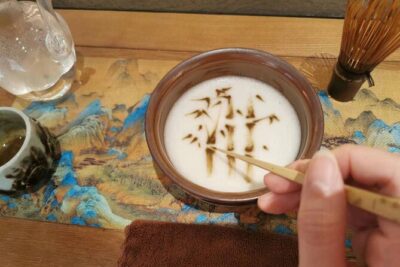
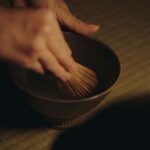
After that, you do the real work: you prepare matcha yourself. This is where the class becomes more than watching. You’ll use the traditional utensils and learn the steps to create a proper bowl of matcha.
Finally, you taste your tea with the included seasonal wagashi. There’s also time for questions, and you’ll walk out with a booklet about tea ceremony—an easy way to remember what you learned once you’re back on the streets.
Rules that keep the room calm (and why you should follow them)
This is a practice space, not a casual tasting counter. That means rules are strict, and the reasons are simple: perfume, flash, and noise can disrupt the sensory focus of matcha, incense, and sumi ink used during the experience.
Here are the most important do’s and don’ts:
- Wear socks. Bare feet aren’t allowed. If you forget, socks can be purchased for 500 yen.
- Skip perfume or strongly scented products. The goal is to preserve subtle fragrances in the room.
- Leave hats and big accessories behind your look. Hats aren’t allowed, and large jewelry like big rings and necklaces can bump the tea bowl—so you may be asked to remove them.
- Tie back long hair. Loose hair can end up near the bowl.
- No shoes indoors. You’ll want to keep your feet comfortable while you’re socked and seated/standing.
- No flash, filming, or recording. Professional cameras, flash photography, video recording, and audio recording are not allowed.
If you follow the rules, the experience feels respectful and smooth. If you don’t, you’ll feel it—because the whole setting is built to protect quiet attention.
English support and the people who make it feel real
Language support is a big deal for tea ceremony. This one is hosted with English and includes instruction from experienced instructors. The session includes explanation of steps and a Q&A portion, so you can actually ask what you want to know.
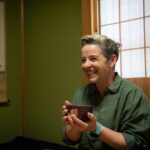
In real life, names sometimes stick. One guide mentioned in English explanations was Sakura, and many participants noted that the tea master and translators/assistants were patient and took time with questions. Another pattern you’ll likely notice is that the class doesn’t feel like a hurried script. It feels like a shared practice, with room to understand the why.
That’s also why people who care about culture more than costumes tend to rate this highly. The focus is on the ceremony itself—its logic, its aesthetics, and its etiquette—rather than turning it into a performance.
Price and value: is $21 worth 50 minutes?
At about $21 per person for a 50-minute class, the value comes from what’s included, not from the time alone.
You get:
- guided instruction and an original booklet
- utensils and proper etiquette teaching
- 2 cups of matcha
- seasonal handcrafted Kyoto wagashi
- English guidance and time to ask questions
If you’re comparing to a typical paid cultural activity where you mostly watch, the hands-on matcha part is the differentiator. You’re practicing technique, tasting what you make, and learning the meaning behind the steps.
Also, the ingredients are positioned as premium: Uji matcha tied to a long-running tea farm tradition, plus wagashi from a long-established Kyoto confectioner. That doesn’t automatically mean every bowl will taste the same to every person—but it does mean you’re not stuck with generic tea.
Who should book this Kyoto tea ceremony?
This experience is a great fit if you:
- want a tea ceremony that’s more practice and meaning than photo ops
- care about how utensils and etiquette work
- want real matcha and traditional wagashi as part of the session
- like quiet, structured learning with time for questions
It may be a poor fit if you:
- have trouble with stairs in small spaces
- need wheelchair access (wheelchair users aren’t accepted)
- are traveling with children under 10 (the experience does not accept them)
- are currently sick or have a cold (not suitable)
Should you book Kyoto Ninenzaka tea ceremony in a townhouse with chairs?
Book it if you want Kyoto tea culture in a way that feels serious and calm, but still comfortable on your body. The chairs-friendly, standing-style setup is a smart twist, and the combination of hands-on matcha plus seasonal wagashi makes it feel complete.
Skip it if stairs or tight rooms will stress you out. Also be honest about your tolerance for rules—this is a setting where perfume, flash, and recording aren’t allowed because the focus is the ritual.
If you’re the type who likes learning by doing, this is exactly the kind of Kyoto moment that stays with you longer than a souvenir photo.
FAQ
How long is the Kyoto Ninenzaka tea ceremony?
The experience lasts about 50 minutes.
Is this tea ceremony seated or standing?
It’s a standing tea ceremony style with a setup that includes a stand for a seated tea ceremony, designed to help people who find sitting on the floor challenging.
What should I bring with me?
You must wear socks. Bare feet aren’t allowed. If you forget, socks can be purchased on site for 500 yen.
Can I wear perfume?
Please refrain from wearing perfume or strongly scented products, since the experience is designed to preserve subtle fragrances used during the class.
Is a kimono included in the price?
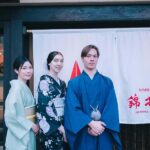
No. Kimono is not included.
What age is this experience suitable for?
Children under 10 years old are not accepted.