REVIEW · KYOTO
Kyoto: Nishiki Market Tea Ceremony with Koto Performance
Book on GetYourGuide →Operated by KOTOLILY KYOTO · Bookable on GetYourGuide
A quiet hour in Kyoto starts with matcha.
At KOTOLILY KYOTO, you learn how to make matcha with guidance, sip it with tea sweets, and hear live koto music woven around the ritual. It’s a small, hands-on break from the noise of central Kyoto.
I love two things most: the practical matcha instruction and the calm, professional koto performances in between steps. You’re not just watching. You’re making tea and listening closely.
One thing to consider: this experience isn’t set up for wheelchair users or for people with food allergies.
In This Review
- Key Highlights You’ll Care About
- Matcha, Sweets, and Koto: What the Hour Really Feels Like
- Finding KOTOLILY KYOTO in Central Kyoto (Without Missing It)
- Step-by-Step Matcha: What You’ll Learn and Why It Tastes Better
- The Tea Room Details That Make the Ceremony Feel Real
- Koto Music Between Ritual Steps: How It Enhances the Tea
- Tea Etiquette and Small Technique Wins You Can Use Again
- Kimono Photos and Koto Add-ons: When the Extra Fees Make Sense
- Price and Value: Is $56 Fair for 1 Hour?
- Who Should Book This (and Who Might Skip It)
- A Simple Game Plan for Your Day in Kyoto
- Should You Book This Kyoto Tea Ceremony with Koto?
- FAQ
- How long is the Kyoto tea ceremony and koto performance?
- Where exactly do I meet the host?
- What is included in the $56 price?
- Can I wear a kimono and take photos or videos?
- Is flash photography allowed?
- Is this experience suitable for kids or wheelchair users?
Key Highlights You’ll Care About
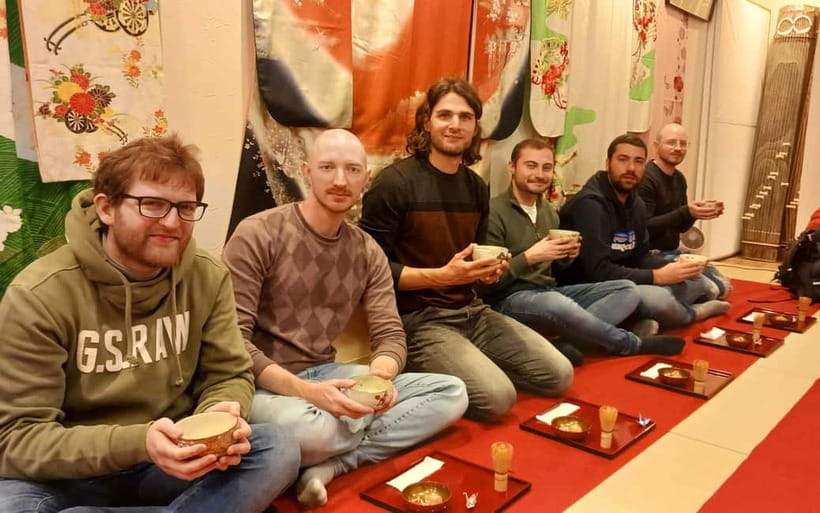
- Matcha making you actually do, with steps aimed at creamy, less bitter tea
- Live koto before and after, plus musical interludes during the ceremony
- Small group (up to 8) for a more personal pace
- Kimono try-on with photo/video options if you want the full Kyoto look
- English and Japanese support so you’re not stuck guessing the ritual
- No flash photography, so bring a camera that can handle low light
Matcha, Sweets, and Koto: What the Hour Really Feels Like
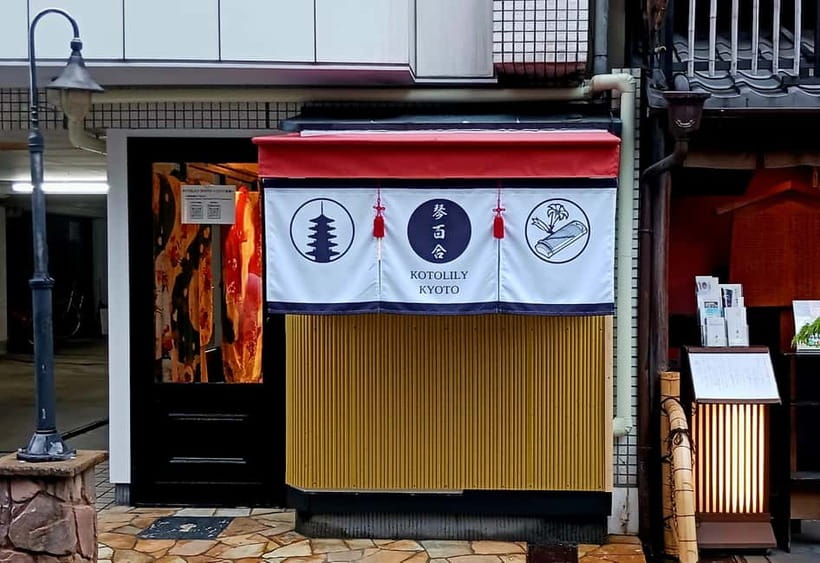
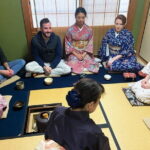
This is Kyoto’s tea ceremony in a format that works for real travel schedules: 1 hour, small group, and clear guidance. You start in a cozy shop space where the mood drops fast from street noise to ritual calm.
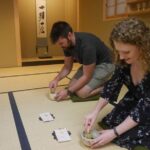
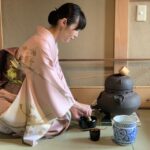
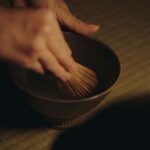
Then comes the best part—your hands get involved. You learn how to whisk matcha so it tastes smoother and feels more balanced. You’ll follow instruction closely, so the process doesn’t turn into random stirring. After that, you slow down with tea sweets and take in live koto music while you sip.
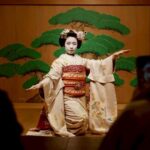
The koto isn’t background wallpaper here. It’s treated like part of the ceremony flow, with performances happening before and after the tea-making, and music interludes during the experience. That combination is what makes this feel different from the more scripted, “watch a demo” style tea stops.
You can also read our reviews of more tours and experiences in Kyoto.
Finding KOTOLILY KYOTO in Central Kyoto (Without Missing It)
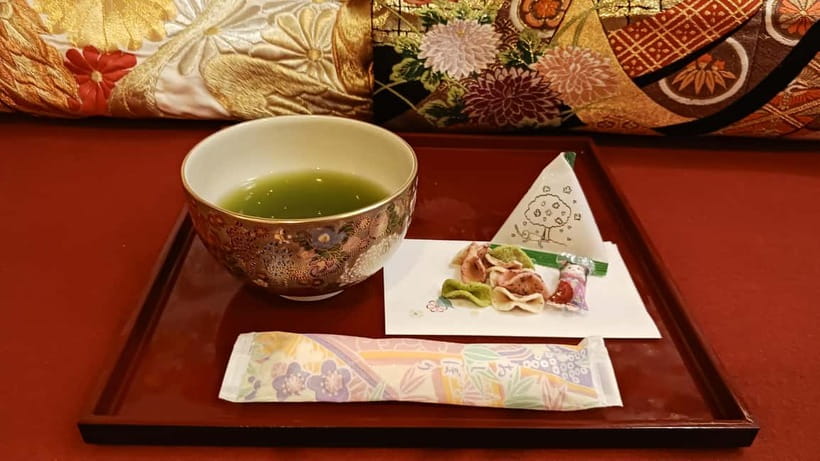
Your meeting point matters because this is inside a shop, not on a street corner.
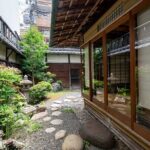
Go to KOTOLILY KYOTO and come inside. It’s next to KINMATA Restaurant, and it’s opposite the street from Hotel GOCO stay. Don’t wait at the hotel entrance—walk across and find the shop.
This location is central Kyoto and close to shopping areas, so it’s a good plan when the weather turns. You can add it to a day that already includes Nishiki Market-area wandering, then step back out when you’re relaxed rather than rushed.
Practical tip: wear comfortable clothes. You’ll be in a seated ceremony setting, and small-room comfort matters more than looking polished.
Step-by-Step Matcha: What You’ll Learn and Why It Tastes Better
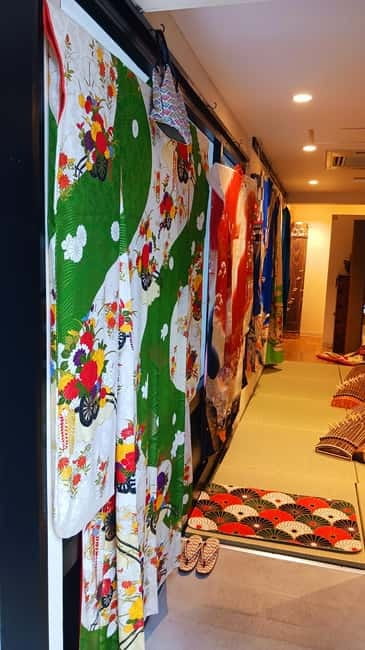
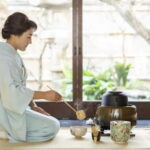
The tea ceremony portion is built around you doing the steps yourself. You’ll learn matcha-making with careful instruction, including how to get creamy matcha that’s less bitter than what many first-timers end up with.
What that means for you is simple: you’re not just drinking matcha—you’re learning the technique. Matcha can taste harsh if the whisking and preparation go wrong. Here, the goal is smoother texture and a more rounded flavor, so you can enjoy it even if you’re not a dedicated matcha fan.
You’ll also get context along the way. In this kind of ceremony, “why” is part of “how.” Expect explanations that connect tea steps to Japanese tea etiquette and the meaning behind the ritual—not just a mechanical recipe. That’s the difference between a quick tasting and a real cultural moment.
And yes, you’ll end up with tea you can taste right away. The experience is designed around drinking what you made.
The Tea Room Details That Make the Ceremony Feel Real
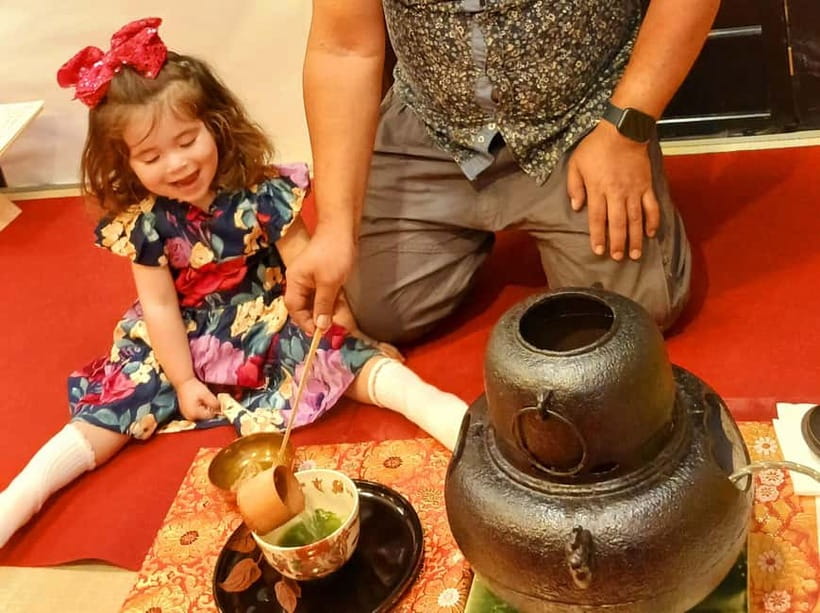
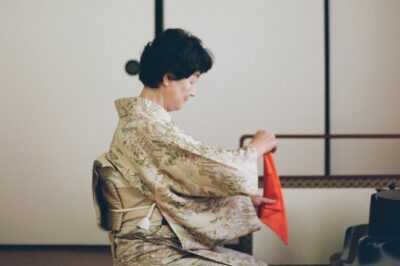
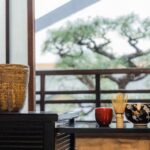
The setting is part of the value here. The shop environment feels intentionally traditional, with kimonos displayed around the space. It’s not a fake stage set. It’s a working studio-like shop where you’re guided through a ritual format.
A few small realities you should plan for:
- No flash photography is allowed, so your camera needs to work in lower light.
- You may be asked to remove shoes for the ceremony space. If you’re the type who worries about this, you’ll still be fine—just bring fresh socks and keep it simple.
- The shop is small. You’ll want to keep bags manageable. Large suitcases won’t be happy here.
If you like calm, detail-focused activities, this is exactly your lane. If you’re traveling with a “10 photos in 10 minutes” mindset, you can still take pictures, but the ceremony flow is the point.
Koto Music Between Ritual Steps: How It Enhances the Tea
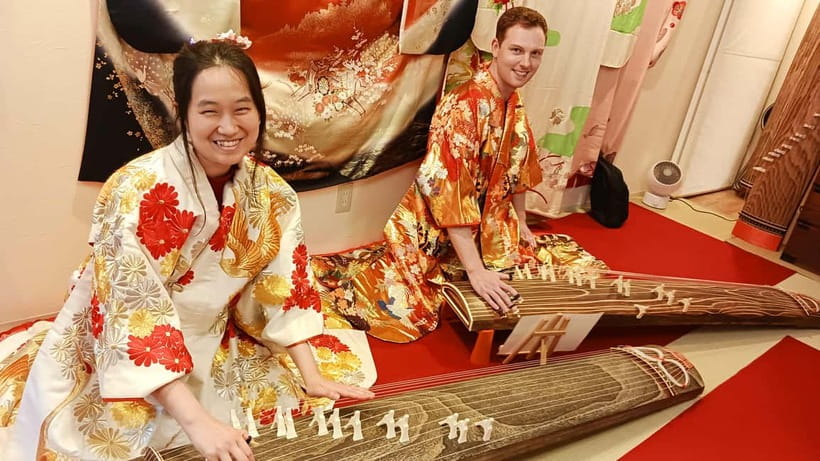
Koto can sound beautiful on video. It’s better in person, and even better when it’s timed like a conversation with the ceremony.
You’ll enjoy live koto performances around the tea-making—before and after the ceremony, plus musical moments during the session. Several people mention that the music made the hour feel peaceful and slightly emotional, which makes sense: koto has a clear, resonant sound that doesn’t get lost in chatter.
What I like about this structure is that it keeps your attention on what you’re doing. You whisk, you taste, then music carries you forward. It doesn’t feel like an “add-on show.” It feels like a cultural pairing that respects the pace of tea.
Also, since the instructor is handling both ceremony guidance and music, you’re not switching between multiple people and energy levels. That helps you stay focused.
Tea Etiquette and Small Technique Wins You Can Use Again
A big reason this experience scores so well is that you come away with practical knowledge you can reuse.
Here are the specific things you’re likely to walk out understanding:
- how matcha’s preparation affects bitterness and texture
- why certain tea steps matter beyond aesthetics
- how to follow etiquette calmly, even if you’ve never done this before
Even if you don’t plan to run a tea ceremony at home, the technique translates to “how to order matcha later.” You’ll know what to look for in taste and texture, and you’ll feel less intimidated when matcha appears in a cafe.
And because the instruction is offered in English and Japanese, you can ask questions without pretending you understand. That helps a lot for visitors who worry about getting it wrong.
Kimono Photos and Koto Add-ons: When the Extra Fees Make Sense
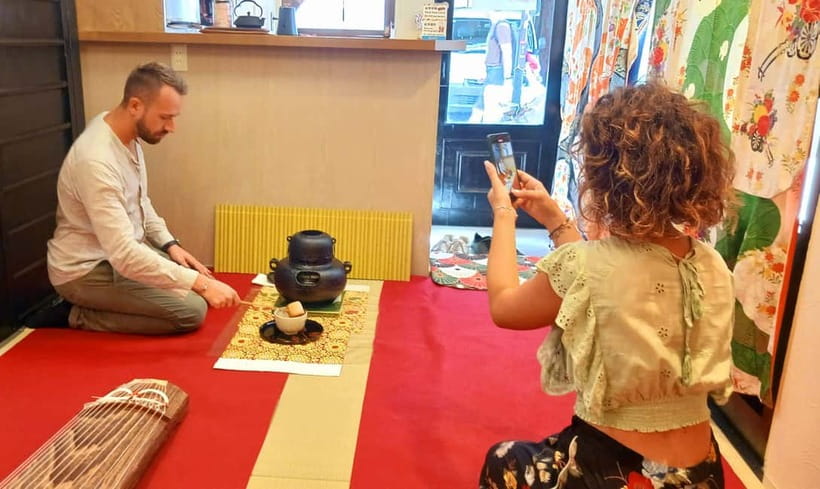
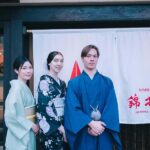
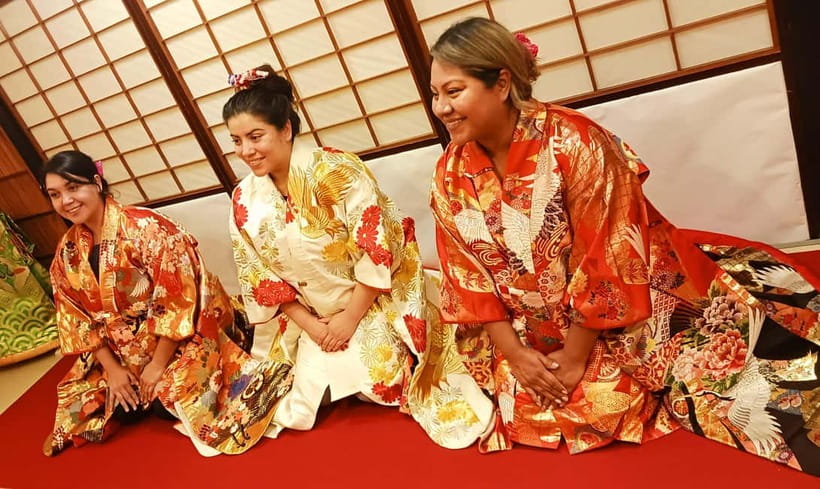
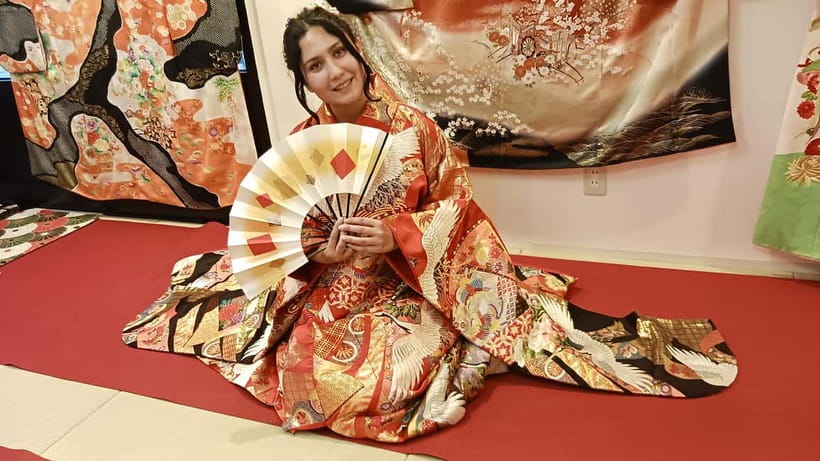
You can add a kimono try-on plus photo and video services for an additional on-site fee. You can also add a koto (Japanese harp) experience for an extra fee at the location, with photos and video tied to that add-on.
Is it worth it? That depends on why you’re booking.
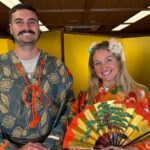
- If you want the “Kyoto story” souvenir—kimono photos in a traditional setting—then this is the cleanest way to get it without hunting a studio yourself.
- If you’re more interested in learning the instrument, the koto add-on is a great move because you get more than listening.
Two honest considerations:
- The kimono elements and photography are separate add-ons, so your time might shift if you choose them mid-experience.
- This is still a tea-focused hour, so if you’re trying to pack multiple activities, you’ll want to leave breathing room after.
My advice: if you’re on the fence, do the kimono photo option. It’s a one-time “Kyoto in your camera roll” moment that you’ll actually appreciate later.
Price and Value: Is $56 Fair for 1 Hour?

$56 for a 1-hour experience that includes tea ceremony instruction, matcha making, tea sweets, and live koto performances is usually fair value—especially because it’s a small group limited to 8 participants.
Here’s the value math that matters:
- You get direct instruction, not just observation.
- You get a cultural performance tied to the ceremony (not randomly dropped in).
- Optional add-ons (kimono photos and extra koto) give you the choice to deepen your experience without forcing it.
If you were paying separately for a private lesson or a staged photo session plus a performance, it would likely cost more and feel less connected. This format links everything to the same setting and the same host-led flow.
So for most people, this price is less about “cheap tea” and more about a focused cultural hour with a real artist.
Who Should Book This (and Who Might Skip It)
This is a strong choice if you:
- want a short, meaningful Kyoto cultural activity that doesn’t eat your whole day
- like small groups and guided instruction
- enjoy both tea and traditional music
- want the option of kimono photos without extra planning
It may not fit you if:
- you need a wheelchair-accessible setup (this activity lists wheelchair users as not suitable)
- you have food allergies (listed as not suitable)
- you’re traveling with children under 8
Also, if you’re very sensitive to quiet rules, remember there’s a no-flash policy. Low-light photography is common here, so plan your camera settings or use your phone’s night mode.
A Simple Game Plan for Your Day in Kyoto
Because this is central Kyoto, you can pair it with a shopping and food walk before or after. The best move is to treat it like a reset button.
Here’s a practical flow that works:
- arrive a bit early so you can settle in (and find the shop entrance correctly)
- do the ceremony and koto without rushing your questions
- use the calm afterward to explore nearby streets with better focus
If you’re thinking about timing, choose a slot that gives you breathing room afterward. The experience is peaceful, and you’ll enjoy it more if you don’t have to sprint to your next reservation.
Should You Book This Kyoto Tea Ceremony with Koto?
Book it if you want a real Kyoto pairing: hands-on matcha plus live koto in the same calm hour. The small group size and the fact that you’re taught how to whisk (not just handed a cup) makes it feel worth the time and money.
Skip it if accessibility needs or food allergy concerns apply, or if you know you won’t enjoy a quiet, etiquette-based setting.
If you’re even slightly curious about Japanese tea culture or traditional instruments, this is one of the simplest ways to experience both without turning your day into a scavenger hunt. And if you opt for kimono photos, you’ll leave with a Kyoto memory that actually looks like Kyoto.
FAQ
How long is the Kyoto tea ceremony and koto performance?
It lasts 1 hour total. You can check availability for starting times.
Where exactly do I meet the host?
Meet at KOTOLILY KYOTO. Come inside the shop, which is next to KINMATA Restaurant and opposite the street from Hotel GOCO stay.
What is included in the $56 price?
The price includes the tea ceremony experience, matcha green tea making, tea sweets, and a live koto (Japanese harp) performance.
Can I wear a kimono and take photos or videos?
Yes. Kimono try-on and photo/video services are available on-site for an additional fee. You can also add kimono + koto-related experience options for more on-site fees.
Is flash photography allowed?
No. Flash photography is not allowed during the experience.
Is this experience suitable for kids or wheelchair users?
It is not suitable for children under 8, and it is not suitable for wheelchair users. People with food allergies are also not suitable for this activity.