REVIEW · KYOTO
Kyoto: Tea Ceremony with Maiko
Book on GetYourGuide →Operated by B.B.Advisors Inc. AN KYOTO · Bookable on GetYourGuide
A Maiko and matcha in just 45 minutes. I love the chance to learn the ritual hands-on, especially making matcha yourself, and the real Q&A that turns a performance into a conversation. One thing to keep in mind: this is not in a classic Japanese teahouse, and it’s in a building with stairs.
This is also a smart use of time. If you’re short on Kyoto days, the location by Gojo Station keeps the logi-stress low. The ceremony part is focused and paced well, with a close photo moment and a small gift to take home.
If you’re hoping for a long, slow, traditional multi-course experience, this may feel short. But if you want the Kyoto flavor fast and friendly, it’s a very workable plan.
In This Review
- Key Points That Matter Before You Go
- Kyoto’s Tea Ceremony, But With Real Conversation
- Where You’ll Go: Gojo Station Convenience (Without the Hassle)
- Meet the Host: Maiko (or Geiko) First, Then Tea
- The 45-Minute Flow: What Happens From Start to Finish
- Matcha Making: The Part You’ll Actually Be Able to Do
- Q&A With a Maiko: What You Learn Beyond Matcha
- Photo Time That Doesn’t Feel Awkward
- The Senjafuda Lucky Charm: Small Gift, Real Meaning
- Price and Value: Why $28 for 45 Minutes Can Make Sense
- What I’d Consider If You’re Comparing Options
- Best Fit: Who Should Book This, and Who Might Skip It
- A Simple Tip for Day-of Success
- Should You Book Kyoto Tea Ceremony With Maiko?
- FAQ
- How long is the Kyoto tea ceremony with Maiko?
- Where is the meeting point?
- What’s included in the price?
- Do I need to know Japanese to join?
- Will I meet a Maiko for sure?
- Is the venue a traditional Japanese house?
- What should I know about getting to the venue?
- Is this okay for children?
- What’s the cancellation policy?
Key Points That Matter Before You Go
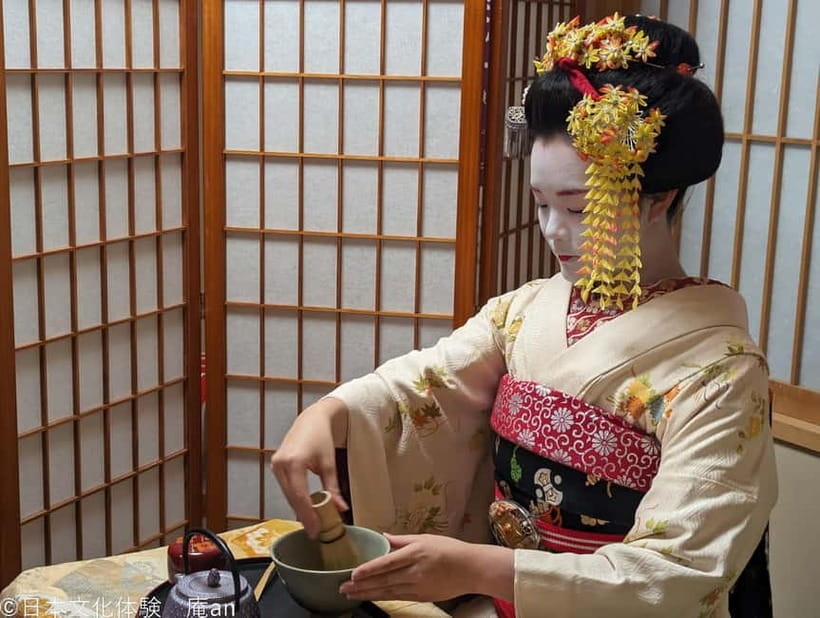
- Hands-on matcha: you’ll make your own cup, not just watch from the back.
- Meet a Maiko up close: a dedicated photo moment means you don’t have to crane your neck.
- Ask questions directly: the Q&A is a big part of what you get here.
- Ohigashi sweets: you’ll pair matcha with small dried Japanese sweets.
- Senjafuda lucky charm: the Maiko gives you a charm to keep.
- Maiko or Geiko may host: depending on the date, you could meet a Geiko instead.
Kyoto’s Tea Ceremony, But With Real Conversation
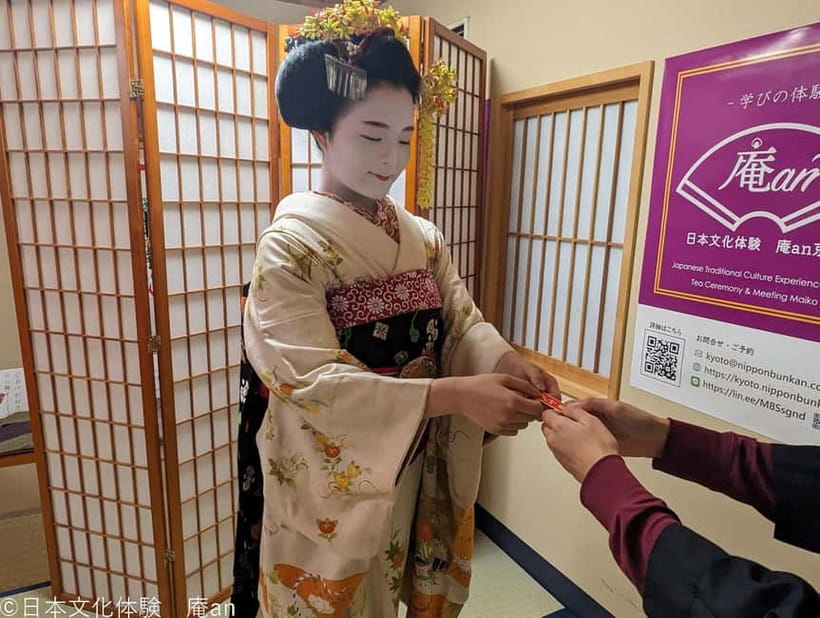
Kyoto does spectacle well. But the best moments aren’t the big sets; they’re the human ones. This experience is built around meeting a Maiko (or sometimes a Geiko) and learning the matcha ritual in a tight, friendly format.
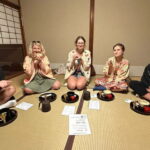
What makes it feel special is that you’re not only a spectator. You’ll make the tea yourself, taste the paired sweets, and then sit for Q&A. That shift changes everything. The ceremony becomes less about rules you’ll forget and more about meaning you’ll carry.
And yes, you still get the elegant, camera-friendly part. A close photo moment with the host is scheduled, so you can relax and enjoy it instead of trying to “manage” your own stalking-level instincts.
You can also read our reviews of more tours and experiences in Kyoto.
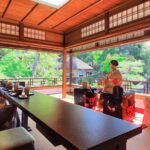
Where You’ll Go: Gojo Station Convenience (Without the Hassle)
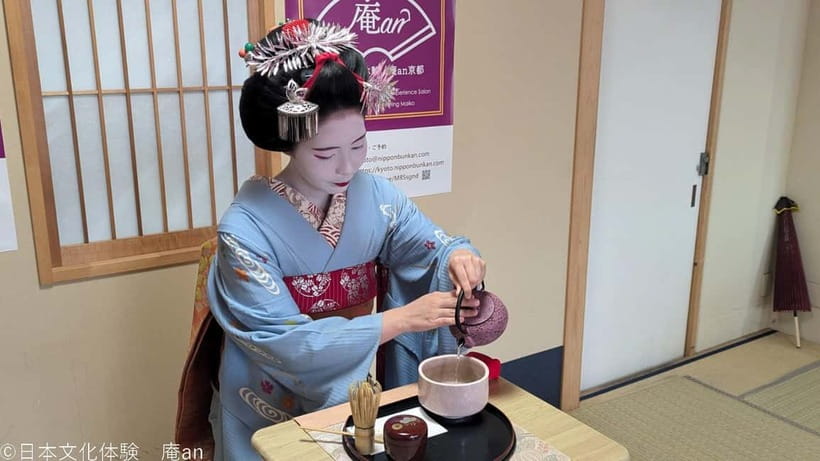
This experience is close to Kyoto life’s main arteries. You meet about a 1-minute walk from Exit 1 of the Karasuma Line Gojo Station. The entrance faces the main street, Gojo-dori.
The practical upside is obvious: you can fit this into a day without burning half your afternoon on transit. You also avoid the common Kyoto trap—spending time just getting to the “right” neighborhood.
One more useful detail: this venue is in a building, and there’s no elevator. Expect stairs to reach each venue space. If you have mobility limits or heavy bags, plan around that.
Meet the Host: Maiko (or Geiko) First, Then Tea
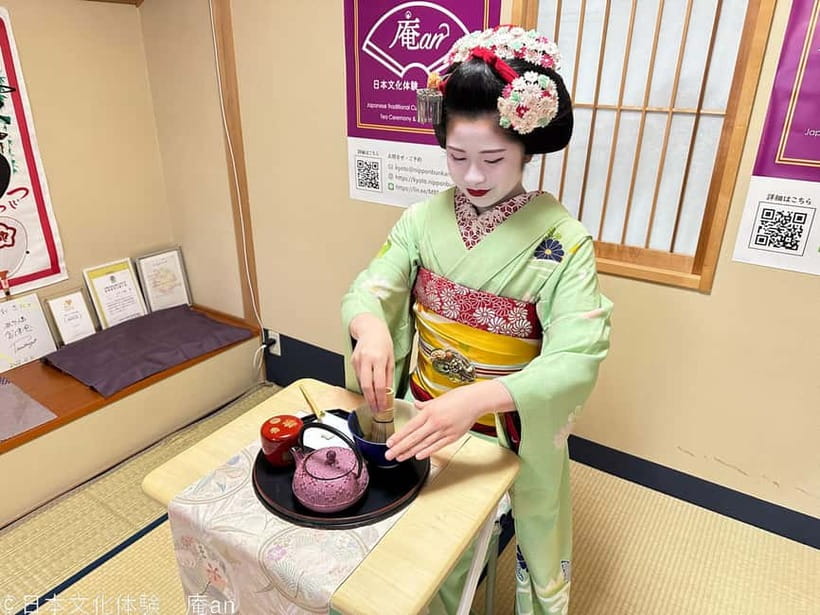
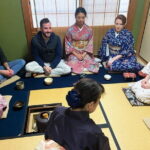
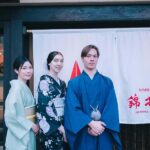
You start with a greeting from the host, then the ceremony and conversation kick in. Depending on the situation and date, you may meet a Maiko or a Geiko. Either way, you’ll get the same core structure: learn, taste, ask, and photograph.
In one of the experiences tied to this program, the host was a Maiko named Masaya San. She demonstrated confidently and handled questions with the help of interpretation. That’s a good sign for what you can expect: the session isn’t just scripted; it’s meant to be interactive.
Also, don’t assume the format is the super-formal kind of tea house you see in movies. The location is not an ochaya or traditional house, and the atmosphere is more relaxed, with friendly staff. You can show up without needing a special plan for clothing or anything like that.
The 45-Minute Flow: What Happens From Start to Finish
The whole program runs about 45 minutes, and the pacing is part of the value. There’s a clear arc, and it keeps energy up instead of stretching the experience forever.
Here’s the basic rhythm:
- Greeting and ceremony setup: you’re welcomed and brought into the tea-making flow.
- Tea ceremony with matcha and small sweets: you’ll learn and then make tea yourself.
- Q&A session: this is where you get the personal context.
- Photo moment: you take a commemorative photo right beside the host.
- Senjafuda gift: the host presents you with your lucky charm.
- Then the session wraps and the room clears.
There’s also an option for variation depending on the day’s schedule. Sometimes, the event setup may happen alongside lunch or dinner plans, and occasionally the host role can shift between Maiko and Geiko.
Matcha Making: The Part You’ll Actually Be Able to Do
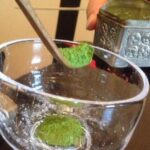
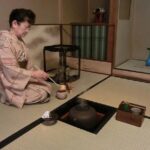
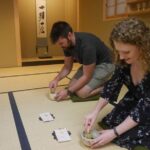
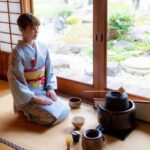
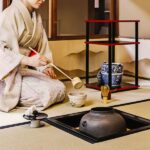
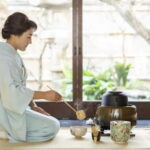
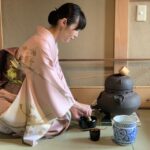
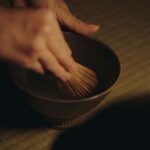
The core “do I get anything out of it?” question is matcha. Here, the answer is yes—you’ll practice. The host explains how to make matcha, and then you make your own cup.
You’re also not drinking plain green tea. You’ll be served small Japanese sweets called Ohigashi, described as dried-type sweets. The pairing matters. The idea is to experience how sweetness and texture balance the bitterness and aroma of matcha.
If you like hands-on travel, this is one of the best parts. You leave with a memory that isn’t only visual. You’ll remember the motions, the timing, and the taste. That’s why a short ceremony can still feel deep.
Q&A With a Maiko: What You Learn Beyond Matcha
The biggest standout isn’t the tea gear. It’s the Q&A. You get time to ask questions directly, which turns the session into a mini window on life and tradition.
This is where you’ll likely learn things you can’t get from plaques or quick temple stops: how daily life works, what the world feels like behind the scenes, and what it means to become a Geiko.
Even when the host speaks Japanese, English translation is provided as much as possible. If you want added support, the program suggests contacting them so they can help with translation needs.
This Q&A segment is also a timing win. In many situations in Japan, you have to wait in line, keep quiet, and hope you’ll catch someone’s attention later. Here, the structure is built for questions.
Photo Time That Doesn’t Feel Awkward
Kyoto photos can be a tricky mix of etiquette and impulse. Here, the photo moment is built into the program. That means you don’t have to invent your own plan for when to approach and how close to stand.
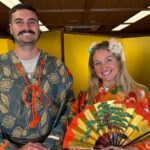
You’ll take a commemorative photo right beside the host. It’s close enough for a real keepsake, not the far-off “I saw you from across the room” version.
Then you get one more gift moment: the host gives you a Senjafuda lucky charm. It’s a nice little tie-in between the elegance of the ceremony and the travel souvenir part of your day.
The Senjafuda Lucky Charm: Small Gift, Real Meaning
A lot of souvenirs are just objects. The Senjafuda is different because it connects to the host. The program includes this charm as a gift from the Maiko.
That’s why it lands well. You’re not leaving with something anonymous and mass-produced. You’re leaving with a token tied to the person you met and the moment you shared.
It’s also a reminder you can keep later, long after matcha tea-making is a fresh memory. For many people, that’s when travel souvenirs actually matter.
Price and Value: Why $28 for 45 Minutes Can Make Sense
At $28 per person, you’re paying for four things packed together:
- a real tea ceremony experience with hands-on matcha making
- small sweets (Ohigashi) paired with your tea
- a structured Q&A (the part that usually takes the most effort to deliver well)
- photo time plus the Senjafuda gift
In Kyoto, the expensive part is often not “the tea.” It’s access—getting close, getting time, and getting context without wasting hours. This program aims to solve that access problem near Gojo Station.
So the value is strongest if you want Kyoto flavor without a full half-day commitment. If you’re on a tight schedule, it’s hard to beat the time-to-experience ratio.
What I’d Consider If You’re Comparing Options
This experience is designed to be short and smooth. That’s great for many people, but it creates a couple trade-offs.
First: it’s in a building and uses stairs. If you’re not comfortable with stairs, factor that in.
Second: it’s not a traditional ochaya-style house. You’re still getting an authentic ritual experience, but the setting won’t look like a movie teahouse.
Third: the program format can include variations. Depending on the day, you may meet a Geiko instead of a Maiko. Sometimes ceremonies can include extra touches; for example, one account mentions sake being poured. Don’t count on that as guaranteed, but it’s possible depending on the session.
If you want a long, slow, multi-course tea immersion, you’ll likely feel this is too short. If you want a reliable, respectful intro to Maiko life and matcha in one sitting, this hits the sweet spot.
Best Fit: Who Should Book This, and Who Might Skip It
This is a strong match for:
- people with limited Kyoto time who want a high-density cultural moment
- anyone who likes hands-on food experiences, not just observation
- travelers who enjoy questions and conversation as part of culture learning
- first-timers who want a clear, structured introduction to matcha and etiquette
You might skip it if:
- you need barrier-free access (no elevator; stairs are required)
- you expect a classic tea house setting
- you want a multi-hour experience with lots of roaming and extra activities
For couples and solo travelers, the structured schedule works well too. You’re not waiting around; you’re guided through each step.
A Simple Tip for Day-of Success
Give yourself a little buffer around the meeting time. The program notes that they can’t hold the event for delays, and latecomers may not receive a refund.
Also, when you’re navigating from Gojo Station, a practical approach can help. One useful way to find the place is to take Exit 1, walk straight, cross a small street, keep going until you spot the supermarket Carnival area, then go up the stairs to the entrance pictured on the location materials.
Small prep like that saves your energy for the ceremony.
Should You Book Kyoto Tea Ceremony With Maiko?
Yes, if you want an efficient, memorable Kyoto experience that gives you more than just a photo. The hands-on matcha, the Q&A, and the Senjafuda gift are the combo that makes this worth your time.
Skip it only if your priorities are a long, traditional setting or step-free access. For most people doing Kyoto on a schedule, this is exactly the kind of cultural shortcut that still feels real.
FAQ
How long is the Kyoto tea ceremony with Maiko?
The experience lasts about 45 minutes.
Where is the meeting point?
It’s about a 1-minute walk from Exit 1 of the Karasuma Line Gojo Station. The store entrance faces Gojo-dori.
What’s included in the price?
You get the tea ceremony with Maiko, matcha and two dried-type Japanese sweets (Ohigashi), a photo opportunity, and a Senjafuda lucky charm gift.
Do I need to know Japanese to join?
The host’s language is Japanese, but English translation is provided as much as possible. If you want additional help with English translation, you can contact them.
Will I meet a Maiko for sure?
Depending on the date and situation, the host may be a Maiko or a Geiko.
Is the venue a traditional Japanese house?
No. The program says the venue is not an ochaya or traditional house. It’s located in a building with a relaxed atmosphere.
What should I know about getting to the venue?
There is no elevator in the building, so you’ll need to use stairs to reach each venue.
Is this okay for children?
Children who require their own seat pay the same fee as one person. Children who sit on a parent’s lap are free of charge if they are under 2 years old.
What’s the cancellation policy?
Free cancellation is available up to 8 days in advance for a full refund, but there can be cancellation fees depending on circumstances and timing.