REVIEW · BEPPU
Tea Ceremony in a Century-old Japanese Town House
Book on Viator →Operated by Space Beppu · Bookable on Viator
A tea ceremony teaches you more than manners. In Beppu, you’ll get an English-led look at the history and etiquette of the Japanese tea ceremony, then you’ll sit down to try making matcha yourself inside a modernized century-old Japanese town house/community space.
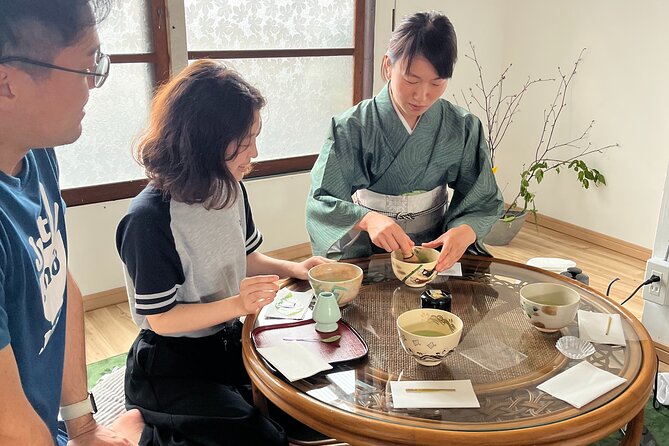
I love the way the session is guided step by step by a local instructor (in kimono) with an English interpreter. I also like that you’re not just watching—you’ll do the motions yourself, and you’ll finish with the tea plus a Japanese sweet served alongside it.
One thing to consider: the setting is a century-old building, but it’s been recently modernized, so it may feel less like a traditional tearoom than you imagined. If you’re expecting multiple teas or tasting lots of variations, this format may feel a bit focused.
In This Review
- Key highlights before you go
- Tea Etiquette in a Century-Old Beppu Town House
- Meet at Space Beppu, Then Settle In
- English Interpreter + Kimono Instructor: How the Lesson Really Feels
- The Demonstration: Watch It Once, Then Make Sense of It
- Your Turn: Hands-On Matcha Making (With a Sweet Side)
- Setting Expectations: Modernized Old House vs Traditional Tearoom
- Price and Value: Is $45.61 Worth It?
- Group Discounts, Mobile Tickets, and Booking Smart
- Who Should Book This Beppu Tea Ceremony?
- Should You Book This Tea Ceremony in Beppu?
- FAQ
- How long is the tea ceremony experience?
- Do I need to speak Japanese?
- Where does the experience start?
- Is this tour private or shared?
- What happens if I arrive late?
- Can I cancel for free?
- How soon will I get confirmation after booking?
Key highlights before you go
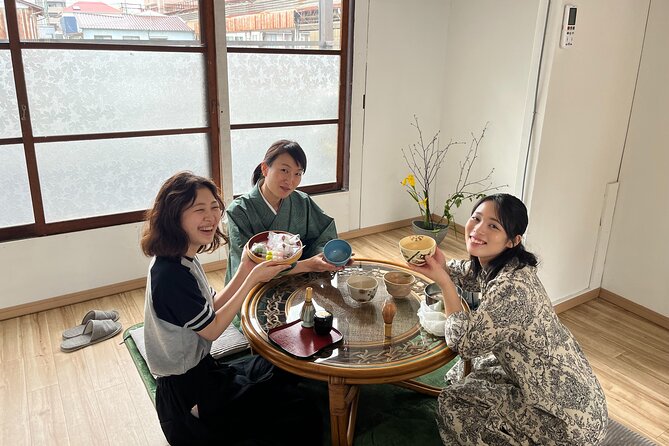
- English interpreter + instructor in kimono for clear, respectful guidance
- Step-by-step etiquette lesson tied to the cultural importance of the ceremony
- Demonstration first, then you’ll practice making your own cup
- Matcha hands-on workshop in a modernized century-old town house
- Sweet local snack served with your tea
- Small-group/private format so it feels personal (not a cattle-car culture lesson)
Tea Etiquette in a Century-Old Beppu Town House
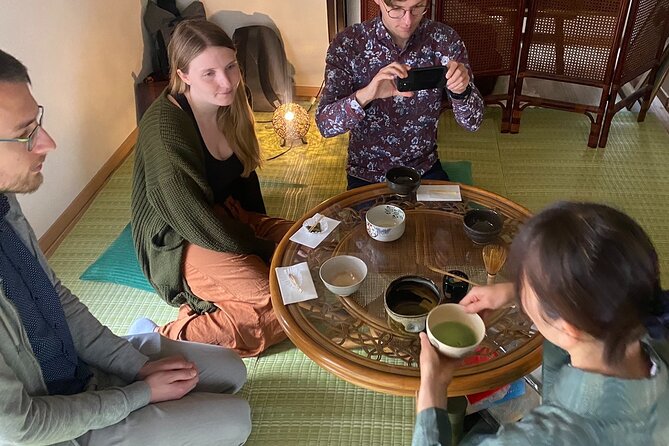
Beppu might be known for hot springs, but this experience pulls you into a quieter side of Japanese culture. The setting is a century-old town house, recently modernized and used as a community space, which gives you the “old Japan” vibe without making things awkward or uncomfortable.
What makes the format work is that it’s not a lecture. You’re taught the background—why the tea ceremony matters—then you’re shown how it’s done, and only then do you take your own turn. In other words, you get both the story and the practice.
If you like cultural experiences that don’t rely on vague performances, this is the right style. You’ll leave with muscle memory for at least some key steps, plus a better sense of how etiquette turns a simple drink into a ritual.
Meet at Space Beppu, Then Settle In
The experience starts and ends back at Space Beppu in Chiyomachi (12-12番9号), so you’re not hunting for a second location. It’s also described as near public transportation, which matters in Beppu where hopping between sights can get tiring.
Because it’s listed as a private tour/activity for your group, it shouldn’t feel rushed or crowded. You’ll likely have more room to ask questions through the interpreter, and you’ll get feedback as you try the motions. For me, that difference is huge: tea ceremony etiquette is hard to learn from a single watch-through.
Timing-wise, plan for about one hour total. That’s enough time to explain the basics, see the demonstration, and let you make your own cup, but it also means there’s less room for drifting into “choose-your-own-adventure” tastes. Go in with the mindset of learning the main flow well.
English Interpreter + Kimono Instructor: How the Lesson Really Feels
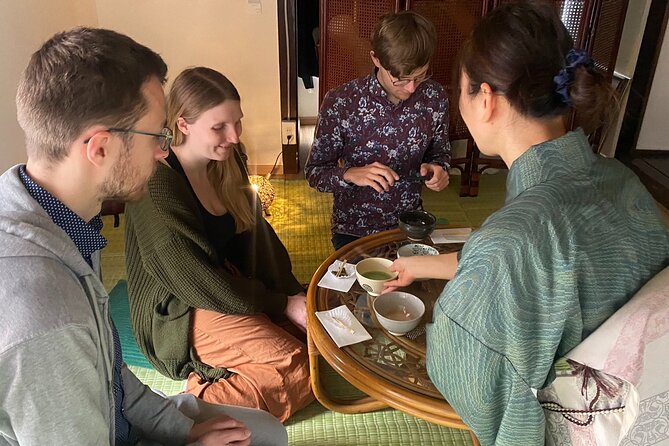
A tea ceremony can be intimidating if you’re not sure what you’re looking at. Here, you’re given an English speaking interpreter who takes you step by step through the process, including the history and cultural importance of the ceremony.
The instructor is dressed in traditional kimono, and that’s not just for aesthetics. When the guide’s clothing matches the theme, you naturally pay more attention to the tone—calm, deliberate, and respectful. It also helps set expectations that this is about correct form, not about speed or performance.
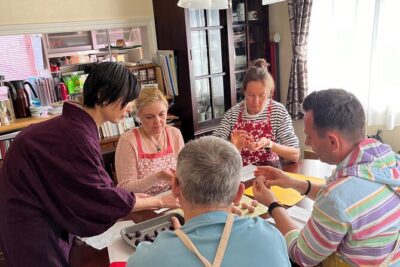
One of the best parts—based on what people consistently praise—is the instructor’s patience. When participants make mistakes, the guidance is supportive rather than strict, with the interpreter helping you correct your steps so you can do it yourself. If you’re the type who worries about getting it wrong, this structure is exactly what you want.
The Demonstration: Watch It Once, Then Make Sense of It
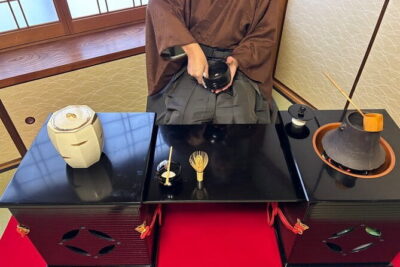
Before you start making matcha, you’ll witness a demonstration from a local professional. This is the moment where a lot of cultural tours either fail or succeed: a vague show makes you feel lost, while a focused demo gives you a map.
In this case, the demo comes after you’re introduced to the etiquette and context. That order matters. Instead of copying movements blindly, you’ll understand what you’re doing and why certain steps are handled with care.
As you watch, pay attention to the pace and the respectful gestures. Tea ceremony etiquette is mostly about timing, attention, and cleanliness of movement. Even if your final cup isn’t perfect, you’ll feel the difference between “doing tea” and “practicing a ritual.”
Your Turn: Hands-On Matcha Making (With a Sweet Side)
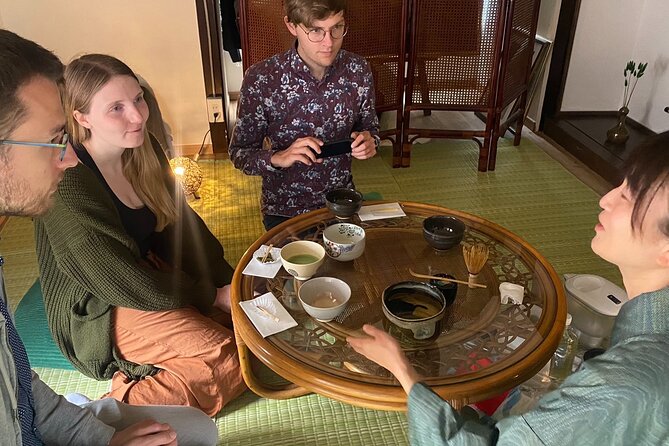
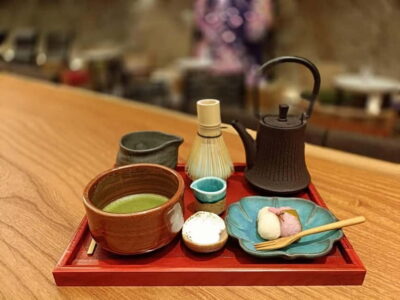
Then comes the part most people remember: you’ll be invited to try making matcha and savor it right after. This is hands-on in a real way, not just a photo-op where someone else does the whisking.
Matcha itself is the star here. The program is framed as an experience built around learning the ceremony process and making your own cup, rather than sampling a bunch of different tea types. That’s great if your goal is depth and learning the core ritual.
You’ll also be served a Japanese sweet local delicacy alongside the tea. That snack pairing isn’t just a bonus—sweetness changes how you perceive bitterness and aroma. It also turns the tea ceremony into something you can actually enjoy at the end, not just something you survive for the culture points.
Some sessions may include extra cultural touches that go beyond matcha alone—one mention points to calligraphy and an element involving flowing noodles paired with the broader cultural vibe. Even if those details aren’t what you expect, the overall takeaway is consistent: there’s more going on than the whisking part.
Setting Expectations: Modernized Old House vs Traditional Tearoom
This is where you should calibrate your expectations. The building is described as a recently modernised, century-old Japanese town house & community space. That’s a smart balance, but it can read differently from person to person.
If you picture tatami mats, deep traditional interiors, and strict tearoom formality, the modernized parts could make the room feel less traditional than you imagined. That’s the main drawback that comes up: some people felt the ceremony setting wasn’t as classic as expected for the cost.
On the flip side, the modernized setting can also mean practical comfort—less “mysterious rules,” easier participation, and a smoother experience for beginners. If you’re new to Japanese etiquette, a comfortable environment can help you focus on learning rather than worrying about how you’re supposed to sit or handle things in an unfamiliar space.
So my advice: treat this as a guided culture lesson with a hands-on matcha practice, not as a museum-perfect tearoom fantasy.
Price and Value: Is $45.61 Worth It?
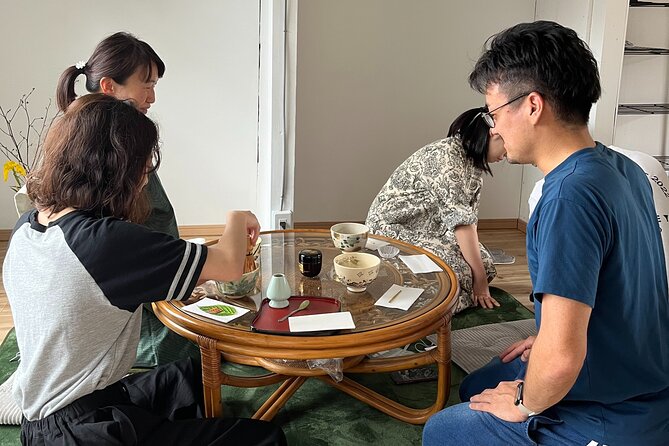
At $45.61 per person for about one hour, the value depends on what you want from the experience. If your top priority is learning etiquette with an interpreter, practicing matcha making yourself, and enjoying tea with a sweet snack, then it’s priced like a skill-based cultural workshop.
The biggest thing you’re paying for here isn’t the matcha itself. It’s the coaching: an instructor guiding your steps and an interpreter helping you understand what’s happening. That kind of “you can do it, not just watch it” experience usually costs more than ticketed shows.
Where value can feel thin is if you expected a larger variety of tastings. One concern that pops up is the lack of options to taste different teas and the feeling that there isn’t more than one cup. If you want a tea flight style experience, this format may not match your expectations.
My practical take: if you want a single, structured matcha ceremony lesson done clearly in English, you’ll likely find it worth it. If you’re looking for multiple tastings or a more classic tearoom immersion, weigh that against your budget.
Group Discounts, Mobile Tickets, and Booking Smart
This experience includes group discounts and uses a mobile ticket, which makes it easy to handle when you’re juggling a Beppu itinerary. Also, it’s described as private for your group, so you shouldn’t get stuck in a large crowd dynamic where you can’t ask questions.
Booking timing matters too. It’s listed as being booked on average 41 days in advance, which is a hint that the slots can fill. If your travel dates are fixed, don’t wait until the last minute—especially if you’re hoping for a particular day or time.
After booking, you should receive confirmation within 48 hours of your reservation, subject to availability. That’s normal, but it also means you should book early enough that you still have time to adjust if something sells out.
Who Should Book This Beppu Tea Ceremony?
This is a great fit if:
- you want a calm, respectful cultural experience with English guidance
- you prefer hands-on learning over passive sightseeing
- you’re a first-timer to Japanese tea ceremony etiquette and want it explained clearly
- you’ll enjoy learning the rhythm of matcha preparation and serving
It may be less ideal if:
- you’re expecting multiple cups or different tea varieties to taste
- you want the most traditional-looking tearoom setting possible
- you’re very sensitive to value and want the experience to feel more expansive for the price
Also, if you’re traveling with friends, the group discount angle can make this a smoother decision. And because it’s about learning how to do the ceremony correctly (with patience when you mess up), it’s friendly for people who worry about looking awkward.
Should You Book This Tea Ceremony in Beppu?
I’d book it if you want a structured, beginner-friendly Japanese tea ceremony lesson that includes matcha making and a sweet pairing, taught in English with supportive coaching. The one-hour length is a good sweet spot: enough to learn and participate without turning your day into a half-day project.
I wouldn’t book it as confidently if you’re chasing a classic tearoom aesthetic or a tea-tasting buffet experience. The modernized century-old setting is still special, but it may not match the traditional look you’re imagining.
If your goal is to learn how tea ceremony etiquette works and walk away with a cup you made yourself, this one is a solid choice in Beppu.
FAQ
How long is the tea ceremony experience?
It lasts about 1 hour.
Do I need to speak Japanese?
No. An English speaking interpreter guides you step by step.
Where does the experience start?
You meet at Space Beppu in Beppu, Oita (Chiyomachi, address listed as 12 12番9号).
Is this tour private or shared?
It’s private for your group, so only your group participates.
What happens if I arrive late?
Late arrivals are discouraged. If you arrive late without prior notice, up to 50% of your total activity fee may be charged as a cancellation fee.
Can I cancel for free?
Yes. You can cancel up to 24 hours in advance for a full refund.
How soon will I get confirmation after booking?
You should receive confirmation within 48 hours of booking, depending on availability.