REVIEW · KYOTO
Kyoto: Japanese Traditional Sweets Making and Tea Ceremony
Book on GetYourGuide →Operated by B.B.Advisors Inc. AN KYOTO · Bookable on GetYourGuide
Kyoto’s sweet-and-tea class is an easy way into real wagashi culture. You’ll color and shape nerikiri bean paste into two seasonal sweets, then make and drink matcha with what you made. I especially love the Kyoto-made bean paste angle and the simple, hands-on pace. One thing to keep in mind: English support is best-effort, so if you need lots of spoken English, you’ll want a bit of patience.
At 95 minutes for about $18, it’s good value for a sit-down, guided experience that ends with you eating your own work. The only “watch-out” is the building setup: there’s no elevator, and you’ll take stairs to reach the different areas.
If you want a calm Kyoto activity that’s not just photos, this one fits. The class is run by Japanese instructors, and they provide English as much as possible, which matches what many people say—helpful when you need it, still very Japanese at heart.
In This Review
- Key Points You’ll Care About
- Making Seasonal Nerikiri: Colored Bean Paste into Two Edible “Art Pieces”
- Uji Matcha Tea Ceremony: Learning How to Drink Matcha (Not Just Sip It)
- Why the Sweet-Matcha Pairing Works So Well
- How the Class Feels: Pacing, Group Dynamics, and English Support
- Price and Value: What $18 Buys You (and What It Doesn’t)
- Getting There From Gojo Station: Fast, Central, and Stair-Heavy
- Who This Workshop Suits Best (and Who Should Skip It)
- Should You Book This Kyoto Sweets and Tea Workshop?
- FAQ
- How long is the Kyoto Traditional Sweets Making and Tea Ceremony?
- Where is the meeting point?
- What sweets will I make?
- What ingredients are used for the sweets and tea?
- Is English available during the class?
- Is the tea part a full ceremony or a class?
- Can I take the sweets home?
- Do I get a certificate?
- What are the operating hours?
- Is it wheelchair accessible?
Key Points You’ll Care About
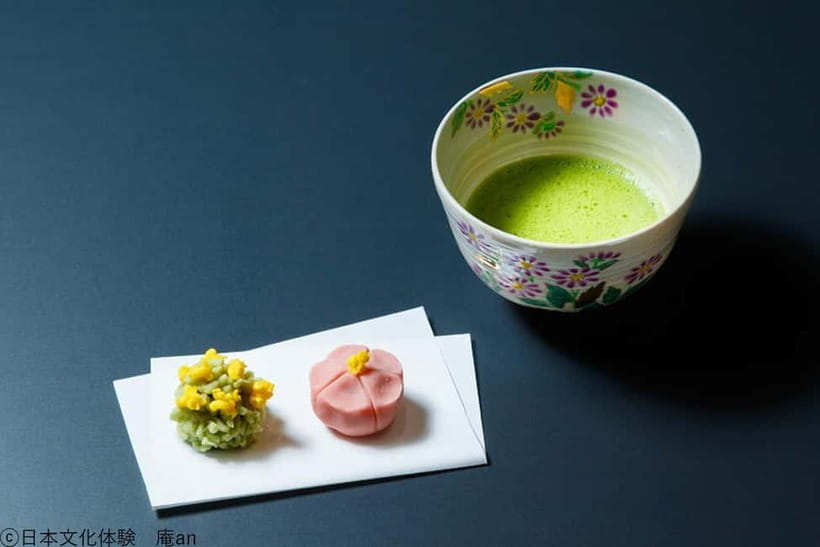
- Seasonal nerikiri: You shape colored white/red bean paste into two sweets tied to the time of year.
- Uji matcha focus: You use single-origin Uji Matcha and learn the basics of preparation and drinking.
- Kyoto ingredient credibility: Bean paste comes from Kyoto’s long-established shops, not generic bulk stuff.
- Small-group feel (most of the time): Reviews often note clear pacing and room for questions.
- Stairs in the venue: Wheelchair access is listed, but you should expect stairs inside the building.
- End result is edible and shareable: You leave with sweets you made, plus your own matcha tasting.
Making Seasonal Nerikiri: Colored Bean Paste into Two Edible “Art Pieces”
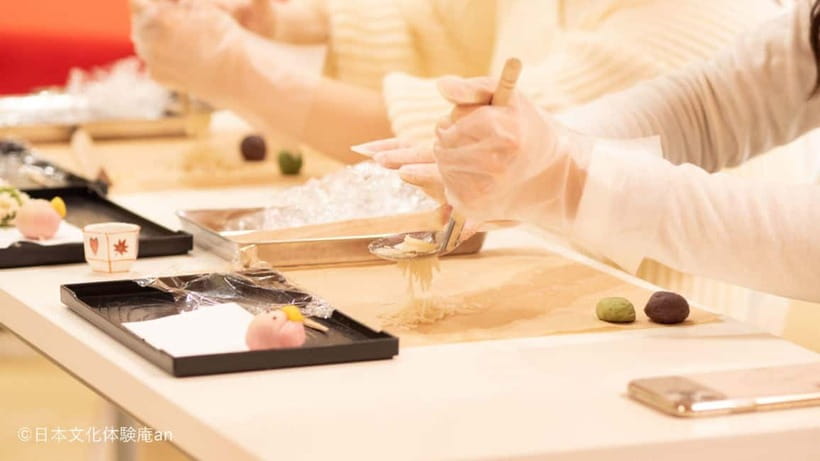
The experience starts with nerikiri, a higher-end Japanese sweet (wagashi) made from colored bean paste. You’ll begin with coloring the paste—this is where the class feels most “hands-on,” because it’s not just following a recipe. It’s also where you realize nerikiri isn’t random sweetness. It’s craft.
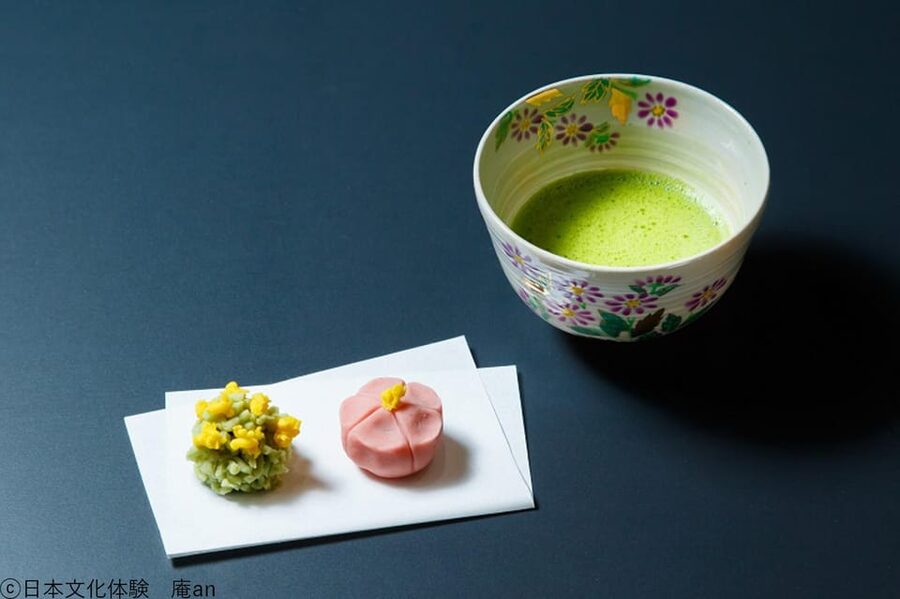
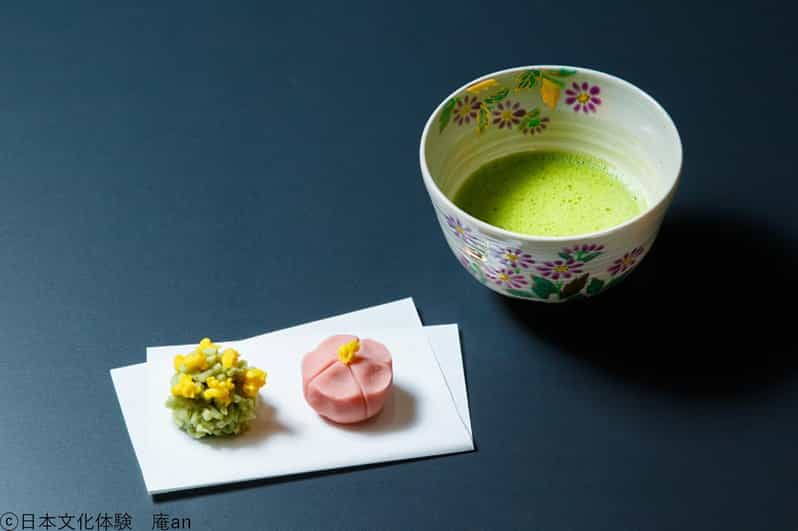
You’ll then make two Japanese sweets that match the season. The descriptions point to seasonal flowers and fruits as the typical shapes, so what you make is meant to connect to the calendar of Kyoto rather than just look pretty on a plate. That seasonal choice matters because it’s one of the few times in travel where you’re not only tasting the tradition—you’re creating a small piece of it.
The bean paste you work with is made using white/red bean paste produced by Kyoto’s long-established shops. That detail is more important than it sounds. The sweetness level and texture are what help nerikiri pair well with matcha afterward. If the base paste is good, everything you do later tastes better, even if your first attempt at shaping looks like modern art.
One more practical point: shaping nerikiri is easier than it looks, but it still asks for patience. The class is paced for people to keep up, not for speed. That low-pressure rhythm is a big reason reviews are so positive—people feel guided, not rushed.
You can also read our reviews of more tours and experiences in Kyoto.
Uji Matcha Tea Ceremony: Learning How to Drink Matcha (Not Just Sip It)
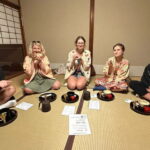
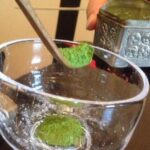
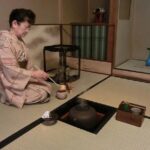
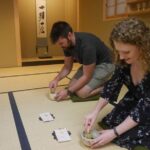
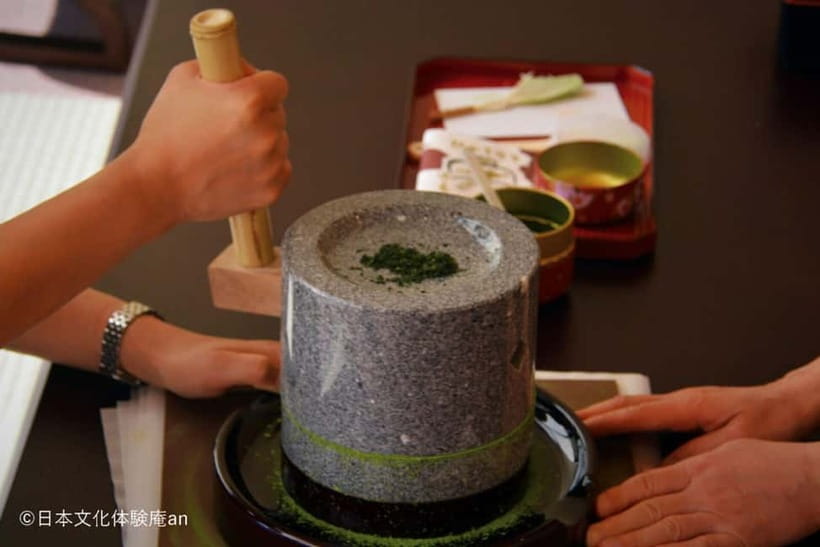
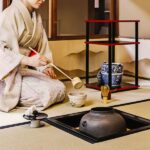
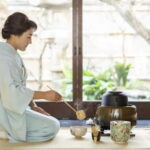
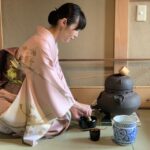
After the sweets, you move into the tea part: preparing matcha using Uji Matcha and then drinking it with what you made. This section is where the experience shifts from craft to calm routine. You’re not just tasting a beverage—you’re learning a cultural method for enjoying it.
The instructor experience seems to vary a bit depending on group setup, but the pattern is consistent: you prepare your own matcha and then enjoy it. In many reports, the English explanation was accommodating, with instructors switching between Japanese and English when needed. Still, a few people noted that the tea segment felt closer to a lesson on matcha etiquette and technique than a long, traditional ceremony.
So what should you expect, practically? You’ll spend enough time to learn the basics and get the “why” behind the formality. You’ll also get the key takeaway most visitors want: how matcha tastes when it’s made properly and consumed slowly, alongside a sweet designed to balance it.
If you’re hoping for a fully quiet, museum-like ceremony, keep expectations realistic. This is a workshop in a shared setting, and the tea portion can be short or a bit more lively if other activities run in the same space at the same time. If noise or time pressure bothers you, plan this as a fun cultural class, not as a solemn ritual you’ll lose track of your surroundings for.
Why the Sweet-Matcha Pairing Works So Well
This experience isn’t only about learning to make things. It’s designed to teach a flavor logic: nerikiri sweetness and matcha bitterness are meant to meet in balance.
The key pairing is baked into the class design. You make sweets from quality white/red bean paste, then you prepare matcha afterward using special single-origin matcha from Uji. The included info specifically points out that the sweetness of the high-quality bean paste balances the taste of matcha. In plain terms: matcha doesn’t taste like watered-down green tea here. It tastes more focused, and the sweetness is calibrated to match it.
This is one of those Kyoto details that’s hard to understand from a menu. Many people can read “matcha and wagashi” and still not get what makes it special. Here, you taste the combination right after you build it. That timing helps your brain connect taste to technique instead of treating both as separate souvenirs.
Also, because you make two sweets, you get a bit more variety than the usual “one bite, done” situation. If you like bean paste desserts, you’ll feel rewarded at the end. If you’re not a fan of red bean sweets, you might still enjoy the experience for the craft and matcha—just know that the flavor profile is central to what you’ll eat.
How the Class Feels: Pacing, Group Dynamics, and English Support
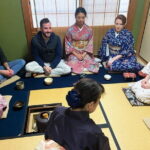
Most reviews highlight friendly instructors and clear step-by-step guidance. People often describe the pacing as easy to follow, with teachers making sure they understand what to do. Some reports say the instructor was very kind about English needs, even explaining more when the group didn’t speak Japanese.
You should also be aware that English support is “as much as possible,” not a guarantee of perfect flow for every moment. A handful of reviews mention that spoken English can be weaker or that the instruction is heavier in Japanese than in English. Translation may be limited when the room is busy or when other classes happen simultaneously.
Here’s a practical way to handle this: watch hands more than words. The process is visual. You’ll color paste, shape sweets, and prepare matcha in a sequence where imitation works. If you don’t catch every phrase, you can still succeed.
Group setup also matters. Some reviews mention smaller groups as a plus, while others note that other students leaving during the tea portion can add noise or disrupt the mood. If you’re sensitive to that, choose a time slot when you can arrive early and settle in before the tea segment starts.
Finally, one reviewer offered a smart tip: if there’s an option for a helper fee during booking, you may not need it unless you’re traveling with a child. That’s useful because it suggests the experience doesn’t require extra paid support to understand the basics.
Price and Value: What $18 Buys You (and What It Doesn’t)
At about $18 per person for 95 minutes, this is positioned as a straightforward craft-and-taste activity with the core ingredients included. You get the sweets-making and matcha portion as one package, and you leave with the sweets you prepared plus the matcha you made.
Value-wise, the big win is that the “output” isn’t just knowledge. You walk away with two seasonal sweets built by your own hands, and you drink the matcha alongside them. That’s a better deal than classes where the main “product” is a photo and a story.
What’s not included is also worth knowing:
- There’s an optional take-out box for 100 JPY if you want to carry sweets.
- There’s an experience completion certificate for 300 JPY if you want documentation.
If you’re the type who likes keepsakes, the certificate may appeal. If you just want the taste and the craft, you can skip extras and still feel satisfied at the end.
Getting There From Gojo Station: Fast, Central, and Stair-Heavy
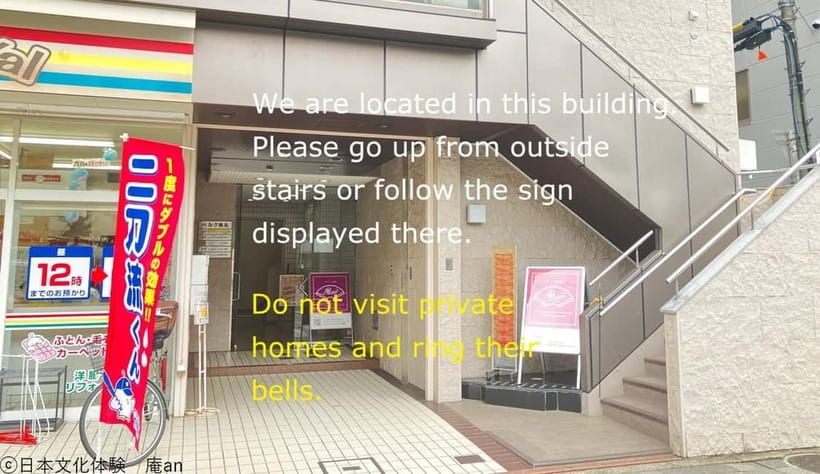
Logistics are simple. The meeting point is a 1-minute walk from Exit 1 of the Karasuma Line Gojo Station. The store entrance faces Gojo-dori, on the main street, so you’re not wandering down a hidden alley trying to find a sign the size of a postage stamp.
The venue location is listed with coordinates (34.9964743, 135.7617429) and a Google map link, which is handy if you want to navigate from your hotel without guessing.
Two practical notes can affect comfort:
- The building has no elevator, and you’ll take stairs to reach each venue.
- If you need step-free access, you should confirm your specific route needs ahead of time, even though wheelchair access is listed.
Also, the experience is run on a set timeline. The info states they can’t accommodate delays, and they won’t hold the event if you’re late. So if you’re combining this with a temple visit or shopping stop, build in buffer time.
Who This Workshop Suits Best (and Who Should Skip It)
This is a great fit if you want Kyoto culture you can actually do. If you like food crafts, you’ll enjoy the coloring and shaping steps for nerikiri. If you like matcha, you’ll appreciate using single-origin Uji Matcha and learning how it’s prepared and served alongside the right kind of sweet.
It also works well for couples, solo travelers, and people who want a break from constant walking. One review described it as a relaxing rainy-afternoon option, which makes sense. You’re indoors, in a guided flow, and you get a finished edible result.
If you’re traveling with kids, reviews suggest it can be an easy activity for younger participants because the steps are broken down and paced for understanding. Just remember the experience is for participants only—non-participants aren’t allowed into the venue.
If you’re someone who needs a highly scripted, fully quiet ceremony experience, you might feel the tea portion is shorter or classroom-like. If you want that exact traditional tea atmosphere, you may prefer a separate, longer tea experience. But if you want to learn and taste as part of the same workshop, this one makes strong sense.
Should You Book This Kyoto Sweets and Tea Workshop?
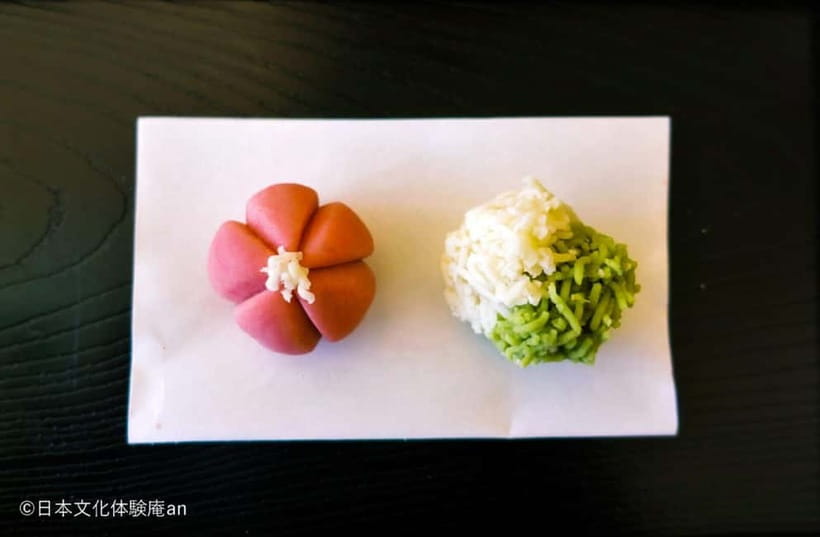
Yes, if you want a hands-on Kyoto food experience that ends with you eating what you made. I think the best reason to book is the pairing logic: you craft seasonal nerikiri from Kyoto bean paste and then drink Uji matcha prepared right there. That makes the whole experience feel connected instead of like two unrelated activities.
Book with extra caution if:
- You need lots of English narration at all times (English is provided as much as possible, but not guaranteed for every detail).
- You have trouble with stairs inside the building (no elevator is explicitly stated).
- You expect a long, fully traditional ceremony in a quiet setting (tea can feel more like a guided lesson in a shared workshop space).
If those points aren’t deal-breakers, this is a strong value: 95 minutes, central access near Gojo Station, and two edible sweets that actually taste like Kyoto.
FAQ
How long is the Kyoto Traditional Sweets Making and Tea Ceremony?
The experience lasts 95 minutes.
Where is the meeting point?
It’s a 1-minute walk from Exit 1 of Subway Karasuma Line Gojo Station. The store entrance faces Gojo-dori.
What sweets will I make?
You’ll make two Japanese traditional sweets, both matching the season, starting with nerikiri.
What ingredients are used for the sweets and tea?
For the sweets, you use white/red bean paste produced by Kyoto’s long-established shops. For the tea, you use single-origin Uji Matcha.
Is English available during the class?
English translation is provided as much as possible. The instructor is Japanese, and languages listed are Japanese; you can contact the provider if you want to request more English.
Is the tea part a full ceremony or a class?
The format includes preparing matcha and then enjoying it with your sweets. Based on the experience description, it focuses on tea etiquette and drinking method, but it may feel more like a guided tea session than a lengthy ceremony.
Can I take the sweets home?
Yes, but a take-out box is not included. A take-out box costs 100 JPY.
Do I get a certificate?
An experience completion certificate is not included. It costs 300 JPY.
What are the operating hours?
Operation hours are 10:00–17:00. Reservations received after 17:00 are processed next day.
Is it wheelchair accessible?
Wheelchair accessibility is listed, but the building has no elevator, and you’ll take stairs to reach each venue.