REVIEW · XIAN
Xi’an Noodle Making and Tea Tasting Experience
Book on Viator →Operated by Trip in Xi'an · Bookable on Viator
Nothing beats kneading noodles in Xi’an. This half-day workshop is a hands-on way to learn Biangbiang noodles from scratch, then relax with tea tasting and local conversation. I also like the added calligraphy practice that’s more fun than it sounds, even if your brush skills are rusty. The main drawback is time: at about 4 hours, you’ll learn the basics, not master advanced techniques or spend long hours refining your artwork.
What you’re buying here is a small slice of real daily life, not a quick photo stop. You’ll work with a local chef in a courtyard setting, practice the famous 56-stroke Biang character, and likely chat with hosts while tea and optional Mahjong bring the whole thing to a slower, human pace. It’s private, so you won’t get mixed into other groups, but that also means you should arrive on time so your hands-on session doesn’t get rushed.
If you’re booking ahead, this one tends to sell—on average it’s reserved about 41 days in advance—so planning early is smart. The meeting point is very specific, and the activity ends right back where you start. Also, it’s near public transportation and service animals are allowed.
In This Review
- Key reasons this Xi’an workshop is worth your time
- Entering Xi’an noodle culture at street level
- Where you meet (and why it matters more than you think)
- Rolling Biangbiang noodles: chewy is the whole point
- The 56-stroke Biang character: calligraphy as a fun brain workout
- Tea tasting and Mahjong: the social glue of the afternoon
- The hidden courtyard setting and traditional music meal
- Price and value: is $69.90 a fair deal for 4 hours?
- Logistics that make or break a class day
- Who should book this Biangbiang noodle and tea workshop
- Should you book it?
- FAQ
- How long is the Xi’an noodle making and tea tasting experience?
- What does it cost per person?
- Where do we meet, and does it end there too?
- What activities are included?
- Is this a private tour or shared group?
- Is there a mobile ticket?
- Can I cancel and get a full refund?
Key reasons this Xi’an workshop is worth your time
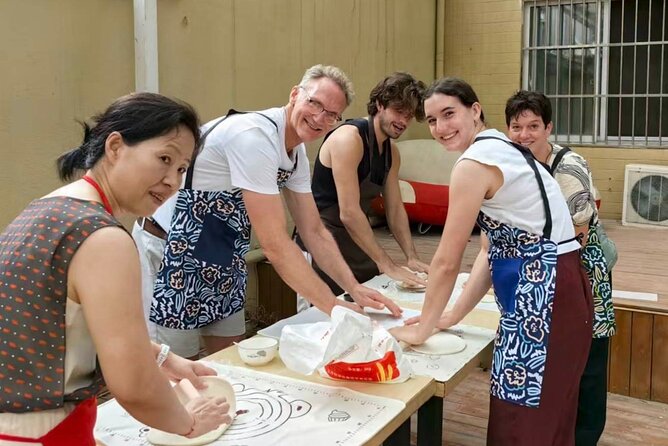
- Biangbiang noodles from scratch with guided instruction, not just watching someone else work
- 56-stroke Biang calligraphy practice that turns a famous character into something you can actually try
- Tea tasting plus conversation that helps the food lesson feel grounded and local
- Optional Mahjong if you want a low-pressure game break
- You eat what you make, ending with handmade noodles and regional dishes plus traditional music
Entering Xi’an noodle culture at street level
Xi’an is famous for noodles, but the best way to understand why is to touch the dough. That’s exactly what this workshop does. You’ll learn how Biangbiang noodles are made, then you’ll eat them as part of the meal.
I like that the experience has multiple “tracks” going at once. The noodles are your hands-on anchor, while the tea tasting and calligraphy give your brain a different job. That mix keeps the half-day from feeling like one long cooking class.
One note: you should expect a guided group rhythm. This isn’t a self-paced wandering day, so if you hate schedules or need total freedom, you might prefer something more open-ended.
You can also read our reviews of more tours and experiences in Xian.
Where you meet (and why it matters more than you think)
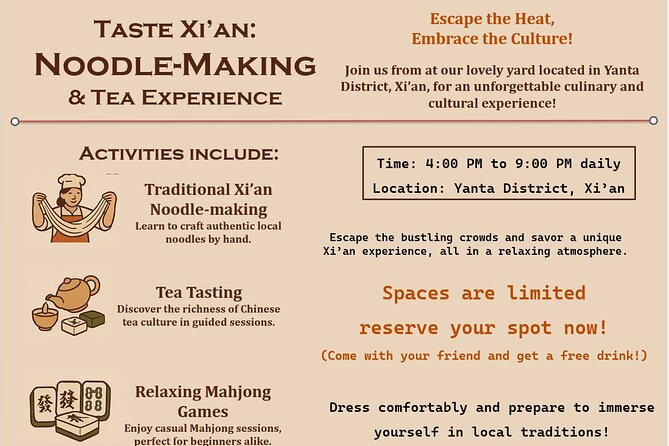
The workshop starts at Tiedan Chicken Soup Sliced Noodles, with the address listed as Chang An Xi Lu, Yan Ta Qu, Xi’an, Shanxi Sheng, 710063. The location is also given as 5WRR+C4M, which can help you confirm it in a map app.
This kind of class lives and dies by meeting-point clarity. You don’t want to burn time hunting for a courtyard entrance in a city street. One of the hosts named in feedback is Jeffrey, and he’s been known to contact people via WhatsApp the day before to coordinate. If that happens for your booking, it’s a big help: you’ll meet on the street and then walk to the hidden courtyard location.
You’ll also end back at the same meeting point. That’s convenient for planning the rest of your evening.
Rolling Biangbiang noodles: chewy is the whole point
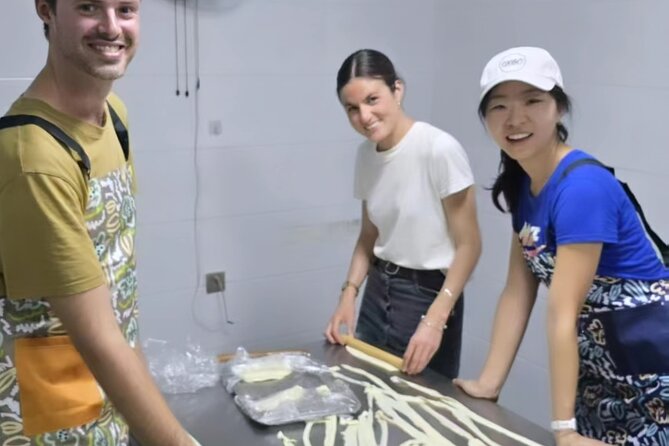
Biangbiang noodles aren’t just “long noodles.” They’re known for being chewy, and the workshop is built around getting you to feel that texture through real work with the dough.
Here’s what makes this part valuable for you: you’ll learn the process with a local chef guiding you step by step. Even if you’re a cooking beginner, having someone correct your motions early saves time and frustration later. And since this is private, you can ask questions without feeling like you’re slowing a big class down.
What to watch for during the noodle-making:
- Keep your attention on the chef’s cues rather than what looks easiest on camera.
- Be ready to get a little messy. This is hands-on food work, not a demonstration.
- Expect practice, not perfection. Your goal is understanding the technique, not producing restaurant-grade noodles on your first try.
A practical drawback: since the workshop is around 4 hours total, you won’t have all day to experiment. If you want deep technique training, you may wish you could stay longer—but for most people, this length is the sweet spot between learning and getting hungry.
The 56-stroke Biang character: calligraphy as a fun brain workout
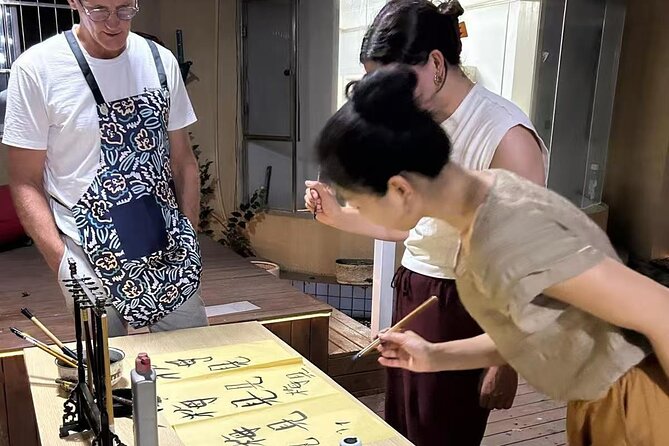
After the noodle making, you’ll try calligraphy by mastering the writing of the “Biang” character, described as a 56-stroke character. Yes, it’s a lot. No, you probably won’t finish it perfectly on your first attempt.
This is still a great activity, because it turns a complicated symbol into something tangible. You’re not just being told about a character—you’re physically practicing it, stroke by stroke. That’s how you start to remember the shape and the meaning, even if your handwriting is normally chaos.
For you, the best way to enjoy this part is to treat it like a slow challenge:
- Don’t rush. The point is control and rhythm.
- Ask questions if something feels unclear about the stroke order.
- Focus on progress more than looking impressive.
The main consideration: calligraphy can be mentally demanding, especially after noodle work. If you’re tired easily, pace yourself and drink the tea when offered. That small break helps.
Tea tasting and Mahjong: the social glue of the afternoon
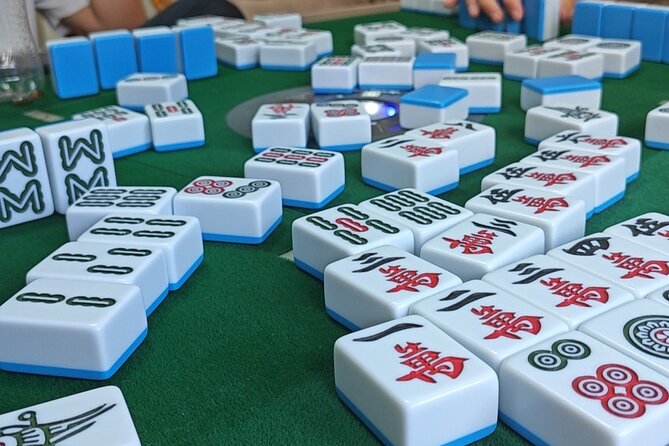
This workshop doesn’t stop at food technique. It adds tea tasting, plus Mahjong (optional). It also includes chatting with hosts about local life.
That combination matters. Noodles can be all hands and no conversation. Tea changes the tempo. It gives you a moment to slow down, taste, and ask normal human questions that don’t fit into a typical classroom.
The Mahjong option gives you a second way to connect. Even if you skip it, seeing or joining for a round can make the workshop feel less like a “tour” and more like a shared activity.
A practical tip for this stage: if you’re sensitive to strong tea flavors, pay attention when tea is poured and start with smaller sips. Tea tasting is part of the experience, but you don’t have to force it.
The hidden courtyard setting and traditional music meal
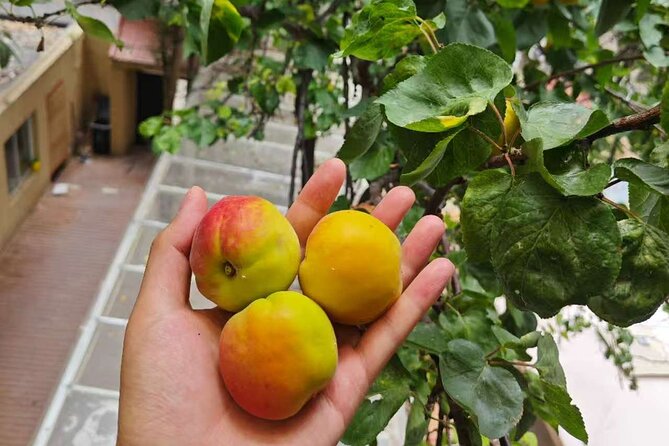
A key phrase in the workshop description is hidden courtyard. That matters more than you might think. Courtyards in Xi’an can feel calmer and more intimate than busy streets, which gives your noodle lesson a quieter backdrop. It’s also a nice change of pace if you’ve spent most of your day in crowded areas.
Then comes the part you’ll actually remember: you’ll finish by feasting on handmade noodles and regional dishes. Traditional music accompanies the meal, which helps the whole thing feel like an occasion, not just “food at the end.”
What you should know going in:
- The meal is included, and it’s built around your noodle work, so you’re not just paying for instruction.
- Regional dishes are part of the food offering, so you’ll get more than one flavor category.
- The traditional music is there to set the mood during the eating portion.
The only drawback here is common to any class-based meal: you’ll likely eat with the group schedule. If you prefer roaming food options independently, plan for this experience to take up a big chunk of your half-day.
Price and value: is $69.90 a fair deal for 4 hours?
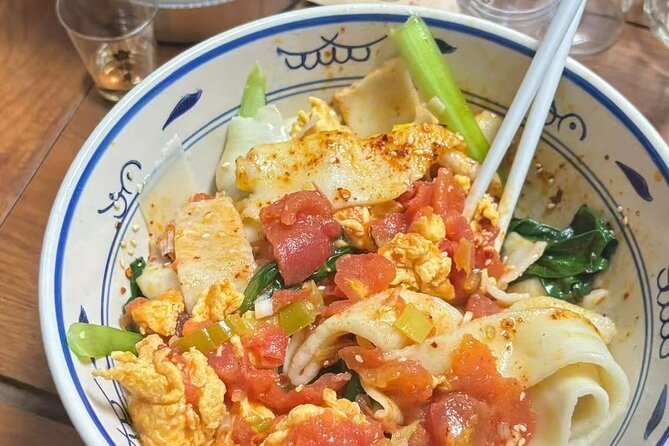
At $69.90 per person for about 4 hours, you’re paying for more than a recipe. You get guided noodle making, calligraphy practice of the 56-stroke Biang character, tea tasting, optional Mahjong, and an end-of-session meal with handmade noodles plus regional dishes and traditional music.
Is that “worth it”? For me, the value comes from combining:
- Instruction from a local chef
- Multiple cultural activities in one sitting
- A meal that closes the loop (you make it, then you eat it)
Also, group discounts are mentioned, which can lower the per-person cost if you’re traveling with others.
One more practical note: since this gets booked about 41 days in advance on average, last-minute availability might be limited at the time you want it.
If you’re comparing experiences, look at what’s included and how much time you’ll spend actively doing things. This workshop is built around participation, not observation.
Logistics that make or break a class day

This is listed as a private tour/activity, meaning only your group participates. That’s a real quality upgrade, especially for hands-on tasks like rolling noodles and writing a character. You’re less likely to feel pushed along.
You’ll also get a mobile ticket, and the start location is near public transportation. Service animals are allowed.
The biggest logistics factor for you is arriving at the meeting point on time. The workshop ends where it starts, which makes it easy to connect to your next plan, but only if you’re not chasing directions during the first minutes.
Who should book this Biangbiang noodle and tea workshop
This is a strong fit if you:
- want a practical food experience in Xi’an, not just sightseeing
- enjoy hands-on classes and don’t mind getting a bit involved
- like learning cultural details through activities (like calligraphy)
- travel in a small group or want a more personal setting
You might skip it if you:
- want a totally self-guided day with no structured pacing
- dislike activities that require concentration (calligraphy plus noodle technique can be mentally tiring)
- prefer eating a wide range of restaurants instead of one included meal
Should you book it?
Yes, I think you should book this workshop if you want to come away with more than photos—if you want to leave Xi’an knowing what Biangbiang noodles feel like in your hands and how the Biang character breaks down into strokes. The best part is the combo: noodles + calligraphy + tea + a meal, in about 4 hours.
Book early if your dates are fixed, since it’s commonly reserved weeks ahead. And if you’re concerned about finding the hidden courtyard, take advantage of WhatsApp-style coordination if it’s offered for your booking. It’s the small detail that saves time and keeps the afternoon relaxed.
FAQ
How long is the Xi’an noodle making and tea tasting experience?
The experience runs for about 4 hours.
What does it cost per person?
The price is $69.90 per person.
Where do we meet, and does it end there too?
You meet at Tiedan Chicken Soup Sliced Noodles on Chang An Xi Lu, and the activity ends back at the same meeting point.
What activities are included?
You’ll learn to make Biangbiang noodles, try calligraphy for the 56-stroke Biang character, sip Chinese tea, and play Mahjong if you choose (optional). The experience also ends with a meal of handmade noodles and regional dishes with traditional music.
Is this a private tour or shared group?
It’s a private tour/activity, so only your group will participate.
Is there a mobile ticket?
Yes, the experience includes a mobile ticket.
Can I cancel and get a full refund?
Yes. You can cancel for a full refund up to 24 hours in advance of the experience start time. If you cancel less than 24 hours before, the amount paid won’t be refunded.