REVIEW · KAMAKURA
Authentic Japanese Tea Ceremony Experience in Kamakura
Book on GetYourGuide →Operated by 株式会社ノアダンスアカデミー · Bookable on GetYourGuide
Tea ceremony time in Kamakura feels like slow motion. In a calm sukiya-zukuri tea room, you’ll learn the basics of sadō, watch omotenashi in action, and then get hands-on with matcha whisking—twice—with seasonal wagashi. I especially like the small group limit (max 6), because the pace stays gentle and questions don’t get steamrolled.
My second favorite part is the way etiquette is taught as something practical, not just rules on a clipboard. You’ll follow step-by-step guidance for how to make and serve tea, including what to do in a tatami room. One consideration: you’ll remove shoes and you may kneel, so this isn’t a great fit if you need wheelchair access or you’re pregnant.
In This Review
- Key Things I’d Highlight Before You Go
- Finding Tea Room 竹翠庵 Near Kita-Kamakura in Time for Your 60 Minutes
- Inside a Tatami Tea Room: How the Setting Changes Your Behavior
- The Sadō Lesson: Why Omotenashi and Etiquette Feel More Than Decorative
- Wagashi and Two Matcha Servings: Taste the Ritual, Then See It Up Close
- Hands-On Matcha: Whisking and Serving Step-by-Step (No Prior Experience Needed)
- Photos, Timing, and the Photo-Window Reality
- Price and Value: Does $36 for an Hour Make Sense?
- What to Know Before You Go (Socks, Shoes, Seating, and Age Fit)
- Who This Kamakura Tea Ceremony Is Best For
- When You Should Skip It
- Should You Book This Japanese Tea Ceremony in Kamakura?
- FAQ
- How long is the Japanese tea ceremony experience in Kamakura?
- What is the group size?
- What languages are available?
- Where do I meet for the tea ceremony?
- What should I bring, and do I remove shoes?
- Is there seating if kneeling is difficult?
- Is this suitable for children, and who should not join?
Key Things I’d Highlight Before You Go
- Sukiya-zukuri tea room setting that turns manners into muscle memory
- Matcha whisking + serving yourself, not just watching
- Two servings of freshly whisked matcha paired with seasonal wagashi
- Certified tea master explanation of sadō and what it’s really about
- Omotenashi demonstration that’s easy to read and remember
- Max 6 people so your instructor can actually help you
Finding Tea Room 竹翠庵 Near Kita-Kamakura in Time for Your 60 Minutes
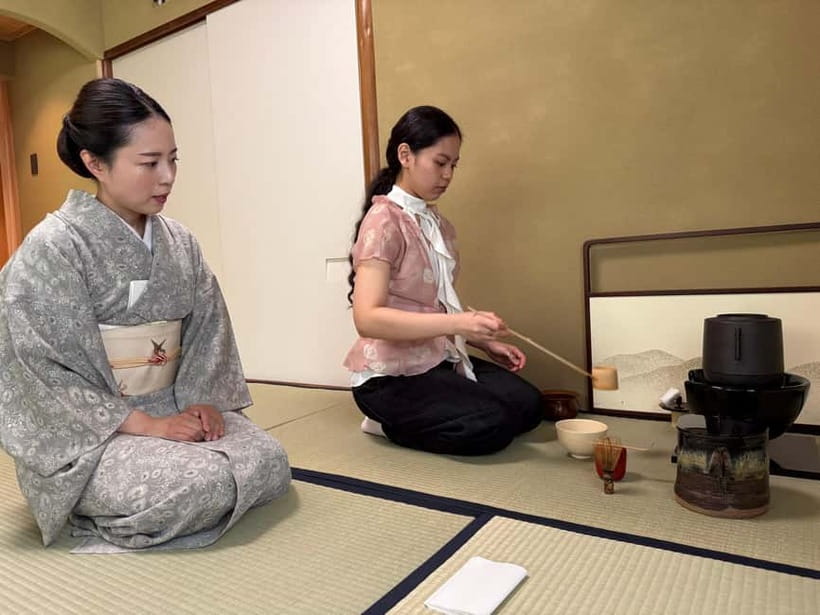
This experience starts at a specific tea room: tea room 竹翠庵, near the restaurant 航. The walk is listed as about 7 minutes from JR Kita-Kamakura Station, with a shorter “about 5-minute walk” note in the details too. Either way, give yourself breathing room and arrive a bit early. Kamakura streets are easy to navigate, but the meeting point is the kind of place where a missed turn can steal your focus.
If you’re coming from Tokyo, it’s a straightforward day trip—close enough that you can still eat, wander, and then slow down for tea. The ceremony itself is about an hour, so you won’t lose a whole afternoon to logistics.
One small practical tip from the vibe of real feedback: a person did want clearer location guidance. So if you’re prone to “I’ll find it in time” confidence, don’t gamble. Check the route before you leave and plan to arrive early enough to ask for help once you’re in the right area.
You can also read our reviews of more tours and experiences in Kamakura.
Inside a Tatami Tea Room: How the Setting Changes Your Behavior
The tea room is designed in the sukiya-zukuri style, and that matters more than it sounds. The space pushes you into the rhythm sadō is built on: quiet movements, steady attention, and a clean flow from moment to moment.
Shoes come off. The rules are simple: no shoes inside the tea room. That also means your feet stay happy—wear socks. Socks aren’t optional in the “please bring them” sense; they’re listed as something you should bring.
If kneeling is difficult for you, chairs are available. The key is communication: you need to notify in advance. So if you’re unsure about your comfort level, contact the provider ahead of time rather than hoping the room will “just work out.”
Also, there’s no strict dress code, but modest attire is recommended. Think: cover what you can, keep it comfortable, and don’t plan on showing up in anything that makes sitting on tatami an athletic event.
The Sadō Lesson: Why Omotenashi and Etiquette Feel More Than Decorative
You don’t just get a tea-making demo. You get the why behind it. In roughly an hour, you’ll be welcomed into the tea room, learn the history and meaning of the Japanese tea ceremony (sadō) from a certified tea master, and then watch a live performance that shows omotenashi—the spirit of hospitality—through the ritual of tea-making.
Here’s what I like about this approach: etiquette is explained as an action. It’s not “don’t do X.” It’s “do this movement because it sets the tone for respect.” That’s a big difference for first-timers. You can actually connect your behavior to the intent.
You’ll also be taught manners rooted in traditional Japanese customs. Expect instruction on how to move, how to handle your place in the room, and how your role changes as you shift from observer to participant.
Wagashi and Two Matcha Servings: Taste the Ritual, Then See It Up Close
You’ll enjoy two servings of freshly whisked matcha paired with seasonal Japanese sweets (wagashi). That pairing is not random. Matcha is grassy and sometimes a bit bitter; wagashi often balances it with sweetness and subtle flavors that change with the season.
What you learn during the session helps you taste more carefully. After you watch the tea-making ritual and learn what the movements mean, the second matcha serving feels like you’re reading the tea with your hands, not just your tongue.
Also, because you’re doing this in a small group, your instructor can point out what to pay attention to without rushing everyone. In other words, you’re not stuck staring at the floor while ten people try to copy one person’s technique.
Hands-On Matcha: Whisking and Serving Step-by-Step (No Prior Experience Needed)
This is the part you’ll remember when you’re back home.
You’ll try making and serving tea yourself with step-by-step guidance. No prior experience is needed, which is great, because matcha whisking can intimidate you before you even start. The goal isn’t perfection—it’s understanding the motions and what they create in the cup.
During your hands-on time, you’ll:
- Learn how to whisk matcha properly
- Make tea under guidance
- Practice serving in a way that matches the etiquette you were taught
If you’ve ever tried matcha at a café and wondered why the foam looks different, this is where it clicks. The ritual forces you to slow down and notice the small mechanical parts: whisking rhythm, posture, and the sequence of actions.
And yes, you get to enjoy what you make. That turns the experience from a lecture into a skill you can repeat.
Photos, Timing, and the Photo-Window Reality
Photos are welcome at designated times during the session. That usually means you get short opportunities when the instructor says it’s okay, rather than full free-for-all. If you want photos, keep your phone away until the cue happens.
The session is 60 minutes total, with the pace guided by the tea master and instructor. So if you’re the type who wants to sprint around taking pictures the whole time, adjust your mindset. This one is for attention, not for content.
Price and Value: Does $36 for an Hour Make Sense?
$36 per person for a 60-minute tea ceremony isn’t just “a show.” You’re paying for a full, guided experience that includes:
- Matcha
- Wagashi (seasonal Japanese sweets)
- Rental tea ceremony utensils
- A traditional tea ceremony performance
- Step-by-step instruction so you can make and serve your own tea
When you count the included items, it’s not simply paying for a drink. It’s paying for time with an instructor in a small group, plus the materials that let you participate.
The value gets even better if you’re a first-timer. If you’ve never done sadō, you’ll spend a lot of mental energy guessing what you’re supposed to do. Here, you’re taught what to do and how to do it during the actual session, with help in English.
One more value note: you’re not competing for attention with a crowd. Max 6 participants keeps the experience calm, and that calm is part of why people rate it so highly.
What to Know Before You Go (Socks, Shoes, Seating, and Age Fit)
If you want this to go smoothly, plan around the practical rules:
- Bring socks (listed as what you should bring)
- Shoes must be removed (tatami tea room)
- Chairs are available if kneeling is difficult—notify in advance
- Photos allowed at designated times
- Recommended for ages 7 and up
- No shoes inside the tea room
A quick “avoid friction” tip: if you’re deciding between “slippery socks” and “grippy socks,” go with grippy. You’ll move a bit, and tatami can feel slick if your socks are too thin.
Who This Kamakura Tea Ceremony Is Best For
This experience is ideal if you want a real taste of Japanese culture that’s calm, structured, and hands-on.
You’ll likely enjoy it most if you:
- Are visiting Kamakura and want something cultural that isn’t just sightseeing
- Want to learn tea ceremony etiquette in a way that makes sense
- Like workshops where you leave with a skill (whisking and serving)
- Want an English-speaking instructor for a stress-free experience
- Are coming as a couple or family and prefer a small, personal setting
It also works well for people who get bored with long lectures. You’ll watch, taste, and then practice within the same hour.
When You Should Skip It
This tea ceremony isn’t suitable for everyone. It’s listed as not suitable for:
- Pregnant women
- Wheelchair users
Also, if you strongly dislike sitting on tatami or you’re unable to remove shoes, be aware that the room setup is part of the core experience.
Should You Book This Japanese Tea Ceremony in Kamakura?
If your ideal “Kamakura day” includes quiet cultural practice and a hands-on moment with matcha, I’d book it. For $36, you’re getting more than a beverage: you’re getting instruction from a certified tea master, seasonal wagashi, utensils, and time to make and serve your own tea in a small-group setting.
Book it especially if you’re worried you won’t understand etiquette. Here, you’re taught the why and the how in plain steps, with English support.
Skip it if mobility or pregnancy makes tatami seating and the room setup hard. And if you’re the type who hates rules, remember: the ceremony isn’t a problem. It’s the point. You just have to go in with the right mindset—slow, respectful, and ready to practice.
FAQ
How long is the Japanese tea ceremony experience in Kamakura?
The session is approximately 60 minutes.
What is the group size?
The experience is limited to a small group with a maximum of 6 participants.
What languages are available?
The instructor is Japanese and English, and the experience is designed to be comfortable for English speakers.
Where do I meet for the tea ceremony?
Please meet at tea room 竹翠庵, near the restaurant 航. It’s about a 7-minute walk from JR Kita-Kamakura Station.
What should I bring, and do I remove shoes?
You should bring socks. Shoes must be removed because it is a tatami tea room.
Is there seating if kneeling is difficult?
Yes. Chairs are available if kneeling is difficult, but you should notify in advance.
Is this suitable for children, and who should not join?
It is recommended for ages 7 and up. It is not suitable for pregnant women or wheelchair users.