REVIEW · KYOTO
Whisk Your Own Matcha: A Zen Matcha Experience at Temple
Book on GetYourGuide →Operated by ENSHI KYOTO · Bookable on GetYourGuide
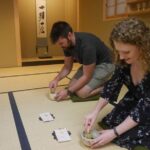
Tea whisking hits differently in Kyoto. In a small Zen matcha session at Shokoji Temple, you learn why each motion matters, then make your own bowl with traditional tools. I especially like the hands-on part (you’re not just watching) and the calm setting right in temple grounds, plus you finish with tea and a Kyoto sweet. The main drawback to plan around is that the venue/signage can be easy to miss, and in rare cases a guide may not show, so build in a little patience and confirm your timing.
From Kyoto Station it’s a straightforward walk, but it’s the kind of walk where you benefit from paying attention to small details like the temple entrance sign. You’ll get an English-speaking host, a guided explanation of tea ceremony meaning, and a photo shoot included, all in just 45 minutes. Consider this a great fit if you want something focused and soothing, not a long day of sightseeing.
In This Review
- Key Things I’d Put on Your Radar
- Zen Matcha at a Kyoto Temple: What You Really Do
- Finding Shokoji Temple From Kyoto Station (Karasuma Street Side)
- The 45-Minute Flow: Your Session, Step by Step
- What to watch for
- Matcha, Zen Gestures, and Why the Host’s Explanations Matter
- Kyoto Sweet Pairing: What You Taste and What It Adds
- Price and Value: Is $32 for 45 Minutes Reasonable?
- Who This Suits (and Who Should Skip It)
- Book It or Skip It: My Practical Decision Advice
- FAQ
- How long is the matcha ceremony experience?
- What’s included in the $32 per person price?
- Is there an English instructor?
- Where is the meeting point from Kyoto Station?
- Is it wheelchair accessible?
- Is this suitable for children?
- What should I know about cancellation?
Key Things I’d Put on Your Radar
- Hands-on whisking: you make your own matcha bowl with traditional tea tools
- Zen-focused teaching: your host explains the gestures and cultural meaning behind them
- Temple setting near Kyoto Station: Shokoji Temple is small and easy to pass if you’re rushing
- Kyoto sweet pairing: you’ll sip matcha alongside a traditional Kyoto sweet
- Photo shoot included: you’ll leave with images from the experience, not just memories
Zen Matcha at a Kyoto Temple: What You Really Do
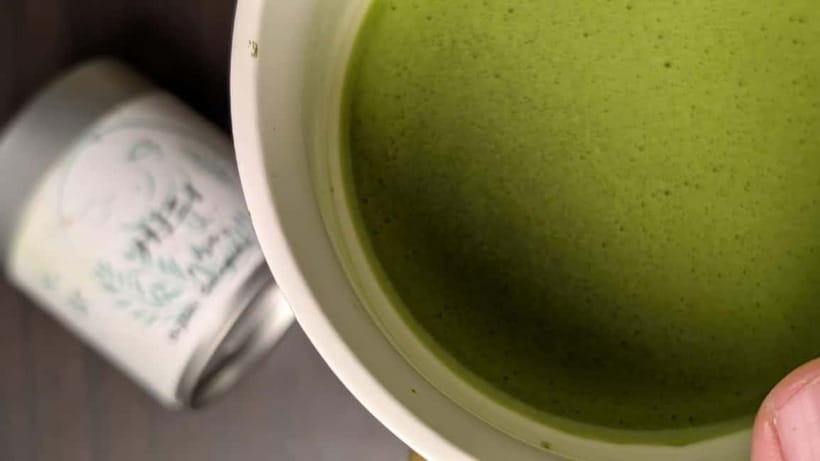
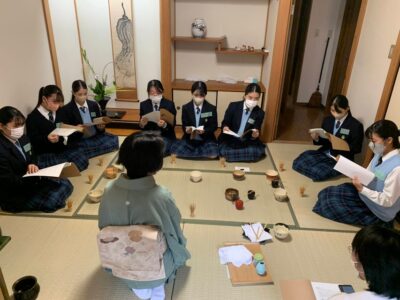
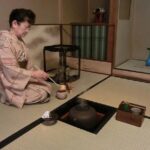
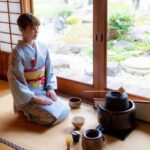
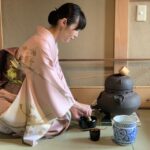
This isn’t the kind of tea ceremony where you sit back and hope the host handles everything. The point is simple: you whisk the matcha. You’ll learn what the tools are for, how the bowl and whisk work together, and what the ceremony is trying to bring into focus.
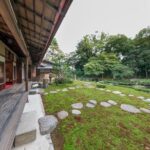
The atmosphere matters too. You step into a quieter temple mood in Honshu, and the session keeps you in that slower rhythm. It’s a good match for people who want a cultural activity that feels personal, not staged.
And yes, you also get to taste. You’ll savor the tea, then finish with a traditional Kyoto sweet, which turns the whole thing into a real break from walking around.
You can also read our reviews of more tours and experiences in Kyoto.
Finding Shokoji Temple From Kyoto Station (Karasuma Street Side)
Meeting at Shokoji Temple is convenient, but it’s not the “big landmark” kind of meeting point. From Kyoto Station, take the north central exit and walk straight north. Then head along Karasuma Street for about 10 minutes.
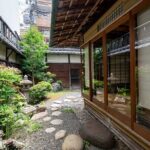
Shokoji Temple should be on your right-hand side, just past several intersections. Because it’s small and distinctive rather than flashy, keep your eyes on the entrance sign.
If you’re having trouble, you can contact the activity team by email or call 080-5259-3796. I strongly suggest saving that number before you leave the station. That alone can prevent the kind of stress that ruins a calm experience.
One useful orientation tip from people who found the area helpful: if the venue entrance feels hard to spot, look around for a café-style entrance marked by grape vines near Ichinen-Zaka Street and Ninen-Zaka Path. One guest said they could spot the place by those vines and even had to knock to enter. This may not be your exact door, but it’s a smart “search strategy” for this neighborhood if signage is faint.
The 45-Minute Flow: Your Session, Step by Step
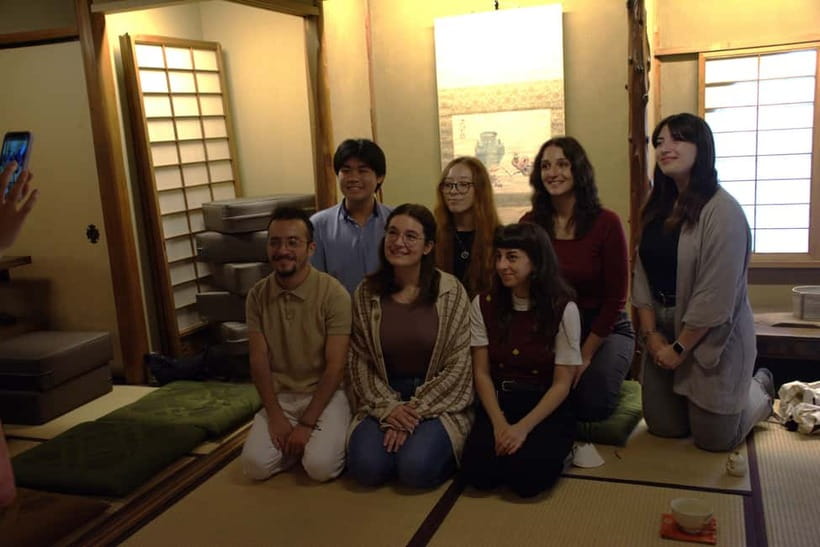
You’re in the experience for 45 minutes, which is short enough to fit on a day of Kyoto sightseeing, but long enough to learn something real. Here’s the rhythm you can expect.
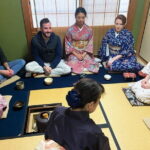
First, you’ll settle into the serene temple atmosphere and get introduced to how the ceremony is structured. Your host guides you through the meaning of what you’re doing, not just the movements.
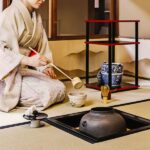
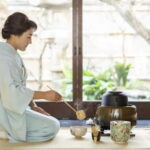
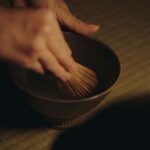
Then comes the hands-on training. You’ll whisk your own bowl of matcha using traditional tea tools. This is where the class earns its keep: instead of watching someone else perfect the whisking, you learn what you’re aiming for and do it yourself.
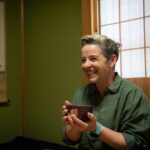
After that, you’ll enjoy the result. You’ll taste the matcha and pair it with the included traditional Kyoto sweet. This tasting moment is usually the “oh, that’s why we did it” part, because you start to notice texture and balance instead of thinking only about technique.
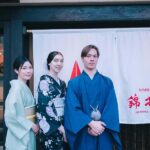
Finally, there’s a photo shoot included. Expect that to happen while your session is still fresh, so you don’t have to hunt for a photo after you’ve already moved on.
What to watch for
This type of ceremony works best when you’re present and calm. If you arrive frazzled, you’ll rush your whisking and miss the point. Give yourself a little buffer time, even if the walk looks simple.
Matcha, Zen Gestures, and Why the Host’s Explanations Matter
A big part of the value here is the teaching style. Your English instructor shares the history of the tea ceremony and the cultural meaning behind each gesture. That matters because matcha isn’t just flavor. It’s also ritual.
The ceremony is often tied to Zen practice, and you’ll learn how the routine connects to mindfulness and a steadier pace. You might think of it as a cultural explanation you can hold in your hands.
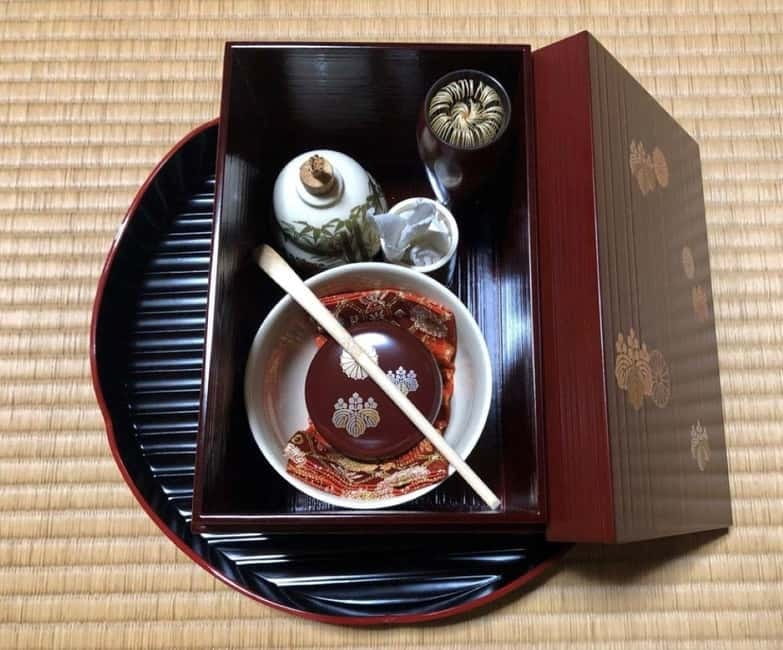
As you whisk, you’ll also start to understand why the tools exist the way they do. You don’t need to be a tea nerd to get something from this, but you will leave with a clearer idea of what makes a bowl feel right.
One especially positive theme from the best sessions is how naturally the host explains things and how freely questions come up. People mentioned a warm, friendly tone with chances to ask questions. That’s a big deal in a short 45-minute slot, because it keeps the experience from turning into a one-way lecture.
If your goal is to learn enough to order matcha confidently later, this format does that job. If your goal is deep academic tea scholarship, this is still a good start, but it won’t pretend to be a full multi-hour course.
Kyoto Sweet Pairing: What You Taste and What It Adds
The included Kyoto sweet turns the tea ceremony into a real sensory stop, not just an activity.
You’ll savor tea plus a traditional Kyoto sweet. In feedback from past sessions, mochi showed up as part of the sweet pairing, which is exactly the kind of matcha-friendly texture you might expect—soft, comforting, and easy to eat alongside tea.
Why this pairing matters: matcha can feel strong and slightly grassy, depending on the bowl and style. A sweet helps you balance that intensity so the tasting is more complete. It also gives you a small taste of classic Kyoto snacks, which you can’t always get on the go between temples.
If you’re sensitive to sweetness or have dietary restrictions, you’ll want to be careful. The details provided only say traditional Kyoto sweet and don’t specify ingredients, so if that’s relevant, ask in advance.
Price and Value: Is $32 for 45 Minutes Reasonable?
At $32 per person, you’re paying for a structured, hands-on cultural session plus extras. What makes it feel like value is what’s included: tea, a traditional Kyoto sweet, and a photo shoot.
Many tea experiences charge for guidance and then leave you to handle everything else yourself. Here, you don’t need to plan snacks or hunt for a decent photo right after. The 45-minute length also helps. You’re buying focus, not consuming your whole day.
Is it overpriced? It shouldn’t be, if you like the idea of making your own bowl and you care about the temple setting. It may not be your best use of money if you just want a quick caffeine hit. This is designed as an experience with meaning, not a drink purchase.
Also, consider that some sessions can feel more personal than group-style. Feedback included examples of very private sessions rather than a crowd. If you prefer learning one-on-one or in a small setting, this format is a plus.
The main “value risk” is not the price. It’s logistics: the meeting point can be easy to miss, and there are occasional reports of a guide not showing. If you’re picky about punctuality, confirm your plan ahead of time and keep contact info handy.
Who This Suits (and Who Should Skip It)
This activity fits best if you want a short, calming cultural practice you can actually participate in.
You should be comfortable with:
- learning in English
- following a guided pace in a temple environment
- participating in the whisking ritual (not just observing)
It’s wheelchair accessible, which is a big win if you need that option. On the other hand, it’s not suitable for children under 10 and people with back problems. If your back needs extra support or you’re not comfortable sitting in a traditional way, think twice.
There are also rules meant to keep the space respectful and calm:
- Alcohol and drugs aren’t allowed
- Party groups aren’t allowed
That means the vibe should stay quiet and orderly, which is exactly what you want for matcha.
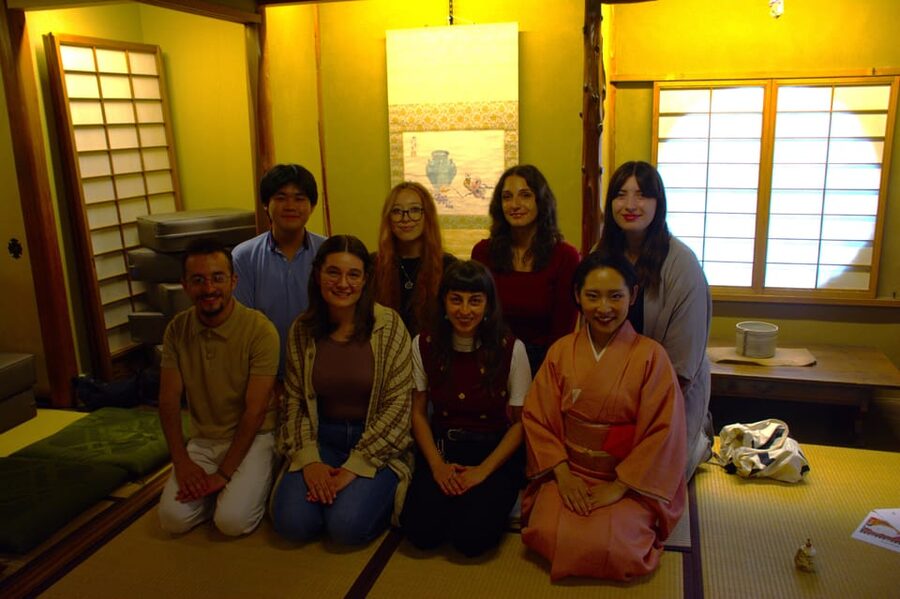
If you’re traveling solo, this can be a relaxing way to meet the ceremony hands-on and ask questions. If you’re with friends, it can still work, but the party-group restriction suggests the activity is designed for smaller, more respectful groups.
Book It or Skip It: My Practical Decision Advice
I’d book this if you want:
- a hands-on matcha experience (you whisk, you taste)
- a Kyoto temple setting close to public transit
- guided explanation in English
- an included Kyoto sweet and a photo shoot so you don’t need extra planning
I’d hesitate if:
- you hate “find the door” situations and need clear, big signage
- your schedule is tight to the minute and you can’t handle a small search
- you have back limitations that might make sitting uncomfortable for the ceremony
If you do book, do three smart things:
- Save the meeting directions and phone number (080-5259-3796) before you leave Kyoto Station.
- Arrive early enough to calmly spot the Shokoji Temple sign.
- Plan your day with buffer time around this 45-minute slot, not right after the last train.
This is the kind of experience that pays off when you show up in a patient frame of mind. If that sounds like your travel style, it’s a solid choice.
FAQ
How long is the matcha ceremony experience?
The experience lasts 45 minutes.
What’s included in the $32 per person price?
The session includes tea, a traditional Kyoto sweet, and a photo shoot.
Is there an English instructor?
Yes. The instructor speaks English.
Where is the meeting point from Kyoto Station?
Take the north central exit from Kyoto Station, head straight north, then walk about 10 minutes along Karasuma Street. Shokoji Temple should be on your right-hand side, just past several intersections.
Is it wheelchair accessible?
Yes, the experience is wheelchair accessible.
Is this suitable for children?
It’s not suitable for children under 10.
What should I know about cancellation?
There is free cancellation up to 24 hours in advance for a full refund.
If you’d like, tell me what day/time you’re aiming for and where you’ll be coming from in Kyoto, and I’ll suggest a realistic plan for lining up your walk to the temple.