REVIEW · KYOTO
Traditional Tea Ceremony Experience in Kyoto
Book on GetYourGuide →Operated by B.B.Advisors Inc. AN KYOTO · Bookable on GetYourGuide
Watching tea being whisked changes your pace. Kyoto’s traditional tea ceremony gives you a hands-on look at how people slow down on purpose, with clear explanations of the steps and the meaning behind them. You’ll also get to drink single-origin matcha and enjoy OHIGASHI (Japanese dried sweets) in a short, well-structured session.
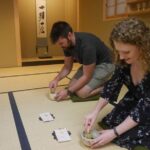
Two things I really like: you get a focused introduction to the ceremony through the OTE-MAE experience format, and the tasting is the point, not an afterthought. The seated setup with tables and chairs also makes this easier than the more floor-based versions you may see elsewhere in Kyoto.
The main drawback to consider is that the timing is tight (about 30 minutes), and translation may vary by session. If your goal is a long, in-depth lecture in English, you might leave wanting a bit more.
In This Review
- Key things to know before you go
- First Stop: Finding the Tea Room 1 Minute from Gojo Station
- 30 Minutes of OTE-MAE: What Happens During the Ceremony
- Single-Origin Matcha and OHIGASHI: The Tastes You Should Expect
- Learning the Moves: Etiquette, Utensils, and Why It Matters
- Comfort and Logistics: Chairs, Stairs, and Translation Reality
- Value for Money in Kyoto: $7 Tea vs the Optional Certificate
- Who Should Book This Kyoto Tea Ceremony (and Who Might Skip It)
- Should You Book This Tea Ceremony?
- FAQ
- How much does the traditional tea ceremony cost?
- How long is the experience?
- Where do I meet for the tea ceremony?
- What is included in the experience?
- Is a certificate included?
- What language will the instructor speak?
- Are guests seated on the floor?
- Is the venue wheelchair accessible?
- What are the operating hours?
- What happens if I’m late or don’t participate?
Key things to know before you go
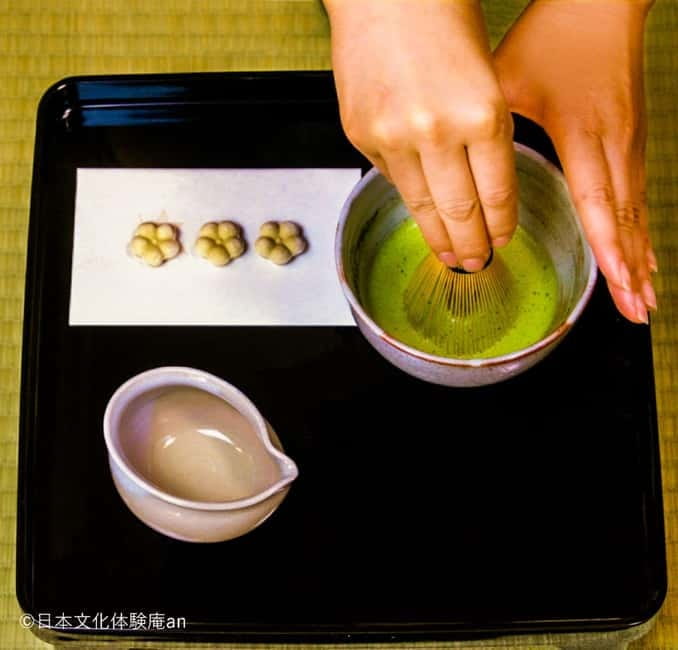
- Single-origin matcha tasting is built into the experience, not just shown
- OHIGASHI comes with your tea, so you get the sweet pairing right away
- OTE-MAE structure means you’ll follow the ceremony steps as part of the activity
- Tables and chairs for seating make the session more approachable for many people
- 30 minutes keeps it short, but it also means you should pay attention the whole time
- No elevator, so you’ll use stairs to reach the venues
First Stop: Finding the Tea Room 1 Minute from Gojo Station
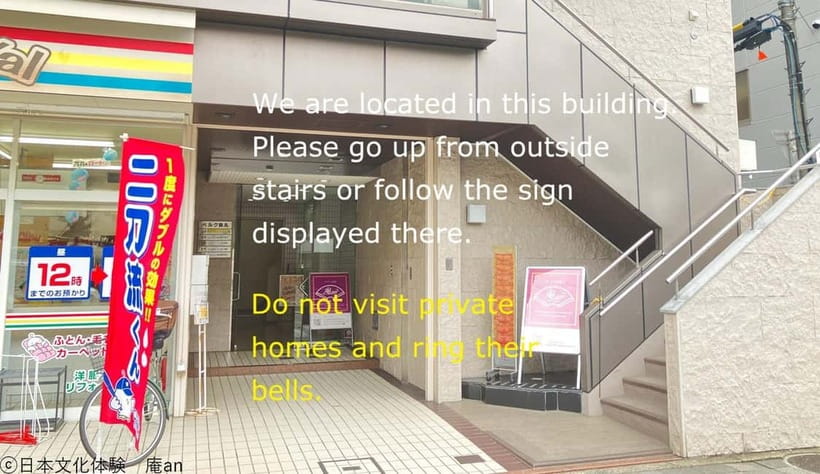
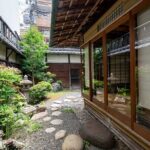
This is the kind of Kyoto activity that works even when your day is packed. The meeting point is just a 1-minute walk from Exit 1 of the Subway Karasuma Line Gojo Station, and the store entrance faces the main street, Gojo-dori. That matters, because you can get oriented quickly and not lose your tea-time hunting for a side alley.
The exact vibe is simple: you’re going to a regular storefront space that runs short cultural sessions. There isn’t a grand, temple-like arrival moment. Instead, the experience starts with you getting inside and settling in for the 30-minute OTE-MAE format.
One practical detail: there’s no elevator, and you need stairs to reach each venue. The good news is that the activity is listed as wheelchair accessible, but the stairs mean you’ll want to plan your route and consider help if you’re using mobility equipment.
Also, don’t plan to dawdle. The event isn’t held if you’re delayed, so treat your arrival like a train: show up on time, get settled, and you’ll be fine.
You can also read our reviews of more tours and experiences in Kyoto.
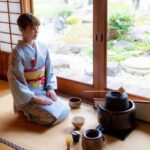
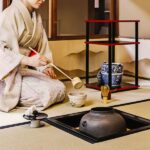
30 Minutes of OTE-MAE: What Happens During the Ceremony
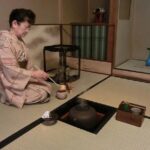
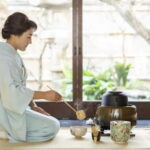
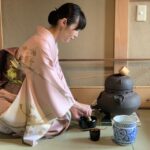
The core promise here is straightforward: you’ll participate in a Japanese tea ceremony experience (OTE-MAE) that includes instruction and a matcha-making demonstration. The total duration is about 30 minutes, and the flow is designed to fit a short window in your Kyoto itinerary.
In plain terms, expect three phases:
1) Getting guided through the ceremony
You’ll learn the steps and what they represent, including the significance of movement and utensils. This isn’t just hands-on without context. The activity is built around explanation of what you’re doing and why it matters.
2) Matcha demonstration and how it becomes tea
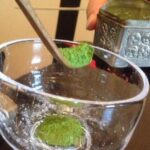
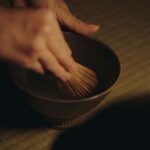
You’ll see (and be shown) how matcha goes from powder to drinkable tea. The information given includes the process of making matcha tea, which is great if you’ve only ever had matcha as a latte or smoothie.
3) Tea tasting with sweets (OHIGASHI)
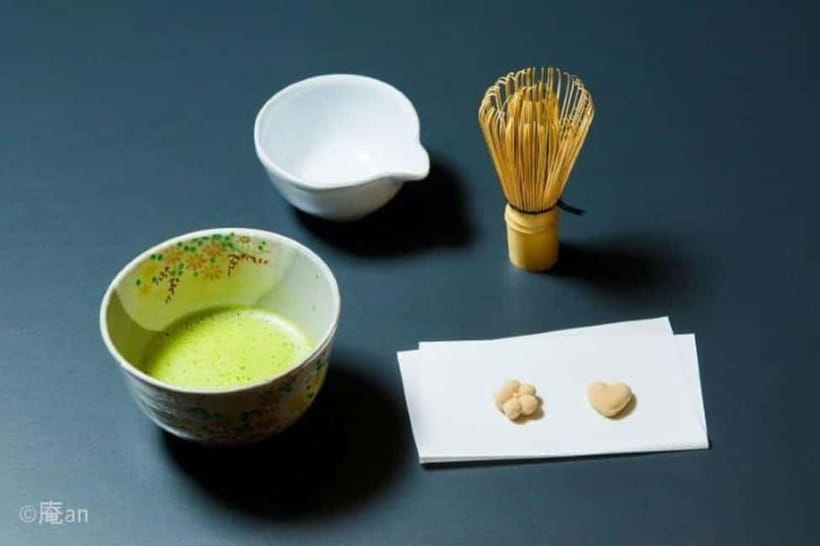
Then you slow down and taste. You’re served single-origin matcha along with OHIGASHI. Since the whole session is short, tasting is not delayed to the end of a long slideshow—it’s built into the experience.
A quick timing reality check: the session may feel even shorter than 30 minutes in some cases, and the spoken explanation can move quickly. If you want to learn everything, you’ll need to stay focused from the start.
Single-Origin Matcha and OHIGASHI: The Tastes You Should Expect
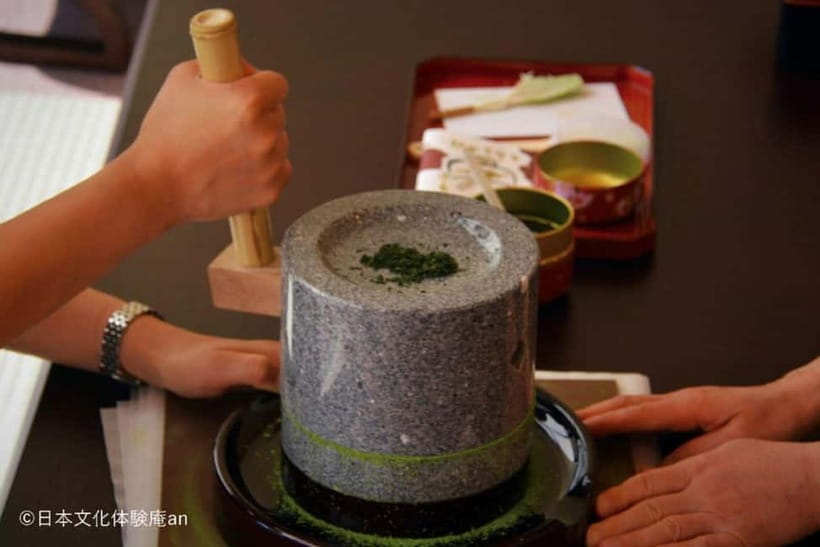
The star of the show is the tea itself. You’ll enjoy single-origin matcha, which is a nice upgrade compared to generic matcha-flavored drinks you might see around town. Single-origin doesn’t mean you’ll taste wild new flavors on demand, but it usually signals more care in sourcing.
You’ll also get OHIGASHI (Japanese dried sweets). This pairing is important because matcha is bitter and grassy when it’s done traditionally, and sweets help balance the experience. So even if you’re new to matcha, you’re not drinking it in isolation.
From what I’ve seen in session feedback, the tea tends to feel strong—people often describe the matcha as rich—so the sweetness becomes a functional part of the ceremony, not a random snack. If you’ve been thinking matcha is just a trendy drink, tasting it in this context is the kind of reset that makes you pay attention.
What to do with your first sip: don’t rush. This ceremony is short, so your best move is to actually take your time during the tasting part. Treat it like a quick reset between sightseeing stops.
Learning the Moves: Etiquette, Utensils, and Why It Matters
The reason people seek out Kyoto tea ceremonies isn’t just the taste. It’s the deliberate structure: every movement, utensil, and step has meaning. In this session, the instruction covers the significance of the actions you’re doing and the philosophy behind the ceremony.
In practical terms, that means you’ll hear guidance on basic etiquette and do-and-don’t behavior. Even in short sessions, you’ll usually come away with a clearer idea of how people behave during a tea moment—how to handle the ritual with respect, and how to follow the pace instead of forcing your own.
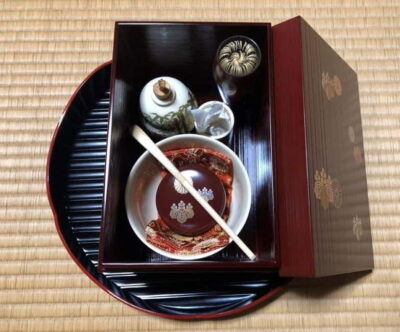
I also appreciate that the session includes an explanation of utensils and steps, since tea ceremonies can look similar to the untrained eye. Learning what you’re holding and why it matters gives the whole ritual coherence.
One note from real-world experience with short, instruction-heavy activities: when the room is busy or sound is difficult, it can be hard to catch every detail. If you struggle with hearing during talks, sit where you can see the instructor clearly, and focus on the demonstration even if some words are missed.
Comfort and Logistics: Chairs, Stairs, and Translation Reality
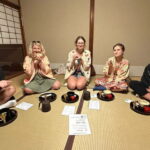
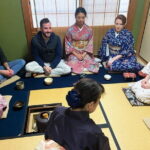
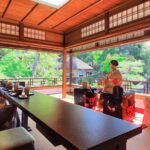
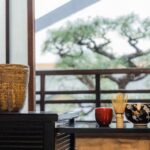
Kyoto tea ceremonies often get photographed as formal, floor-based rituals. This one is different because guests are seated at tables and chairs. That’s a big deal for comfort. You don’t need to manage kneeling or floor seating for the full session, and it can feel more natural if you’re traveling with tight legs or just want an easier physical setup.
Still, there’s a catch: no elevator and you’ll need stairs to reach each venue. Wheelchair access is listed, but stairs mean you may need assistance depending on your setup.
Now, language: the instructor is listed as Japanese, and English translation is provided as much as possible if you request it by contacting them. Reviews and session experiences suggest that translation may not be perfectly complete or consistent across time slots. One person noted that the information they received in English seemed limited, while another described a more thorough explanation including history and do’s and don’ts.
My practical advice: if English matters to your learning goal, contact ahead and ask what translation support is available for your specific time. Also, go into the session expecting a short, structured talk plus demonstration. If you treat it like an intro rather than a full course, you’ll be happier.
Crowding can also affect comfort. Some sessions can feel packed, and that can make it harder to hear the guide. If you’re sensitive to noise or you want a more relaxed audio experience, choose a time that suits quieter morning or earlier hours when possible.
Value for Money in Kyoto: $7 Tea vs the Optional Certificate
At $7 per person, this is priced like a simple cultural intro, not a premium tasting event. The value comes from what’s included: the tea ceremony OTE-MAE experience, single-origin matcha, OHIGASHI, and a demonstration of how matcha is made into matcha tea.
So even though the session is short, you’re paying for a full guided package: instruction, ritual practice, and a real sensory payoff. That’s a better deal than paying for a photo stop where you get no real understanding and no tasting.
One item to watch: there’s an optional completion certificate listed as not included, with a cost of 300 JPY. If getting a certificate matters to you, plan for the extra expense. If you’re more interested in the tea and the lesson, you can ignore it and still get the core experience.
Also, compare value by intent. If you want a quick matcha ritual with guided etiquette, this fits well. If you want hours of history, deep background, or a full lecture, you’ll likely prefer a longer class.
Who Should Book This Kyoto Tea Ceremony (and Who Might Skip It)
This tea ceremony works best for you if:
- you want a short cultural activity that fits between Kyoto stops
- you like matcha and want to experience it in a traditional ritual setting
- you prefer seated comfort with tables and chairs
- you enjoy learning through demonstration plus a simple, guided explanation
You might skip it if:
- your main goal is a long, detailed English talk about matcha culture
- you dislike short sessions where you have to focus the whole time
- you’re very sensitive to room noise and you need perfect audio clarity
It’s a solid choice for first-timers. Kyoto has many experiences that feel long, formal, or hard to follow. This one is designed to be learnable quickly.
Should You Book This Tea Ceremony?
I’d book it if you want a fast, structured introduction to Kyoto tea culture with single-origin matcha, OHIGASHI, and clear ritual instruction in about 30 minutes. For the price, you’re not just buying access—you’re buying a complete matcha moment with teaching, plus tasting.
Skip it if you’re expecting a full-length English education or a quiet, unhurried private session. The short format and translation variability mean this is best when you’re flexible and ready to learn in real time.
FAQ
How much does the traditional tea ceremony cost?
It’s listed at $7 per person.
How long is the experience?
The duration is 30 minutes.
Where do I meet for the tea ceremony?
Meet 1 minute walk from Exit 1 of the Subway Karasuma Line Gojo Station. The store entrance faces Gojo-dori (the main street).
What is included in the experience?
You’ll get an OTE-MAE Japanese tea ceremony experience set, including single-origin matcha tea and OHIGASHI.
Is a certificate included?
No. The experience completion certificate is not included, and it costs 300 JPY.
What language will the instructor speak?
The instructor is listed as Japanese, and English translation is provided as much as possible if you request it.
Are guests seated on the floor?
No. Guests will be seated at tables and chairs.
Is the venue wheelchair accessible?
The activity is listed as wheelchair accessible, but there is no elevator and stairs are required to reach each venue.
What are the operating hours?
Operation hours are 10:00 to 17:00. Reservations received after 17:00 are processed next day.
What happens if I’m late or don’t participate?
The event won’t be held to accommodate delays, and those who do not participate in the experience will not be allowed to enter.