REVIEW · TOKYO
Shibuya Authentic Tea Ceremony with experienced instructor
Book on Viator →Operated by Shibuya Tea Ceremony Tokyo-Chaan · Bookable on Viator
A tea ceremony in Shibuya feels like a reset button. This intimate small-group session takes you from matcha made on a stone mill to a full ritual you can actually try, with guidance from instructor Mai and traditional tools you’ll use yourself. I especially loved the calm, side-street tea-house atmosphere and the chance to make your own matcha step by step, instead of watching from the sidelines.
One thing to consider: it’s only about 50 minutes, so it’s not a long, slow immersion. You’ll get a great taste of the tradition and the core moves, but you won’t leave with hours of practice.
In This Review
- Key highlights
- Why This Shibuya Tea Ceremony Feels Different Than Usual Stops
- Finding the Tea House Near Dōgenzaka (and why the setting matters)
- The 500+ Year Tea Ritual: history, matcha, and what you’ll actually do
- Matcha and Nerikiri: tasting the moment before you make anything
- Making Your Own Matcha with Traditional Tools (the part you’ll remember)
- The Small-Group Size (up to 8) and why it improves your results
- Price and Value: what $25.76 gets you (and why it’s fair)
- Who Should Book This Shibuya Tea Ceremony (and who might want more time)
- Practical Tips for Getting the Most Out of Your Session
- Should You Book It?
- FAQ
- How long is the Shibuya Authentic Tea Ceremony?
- What’s the group size limit?
- What happens during the ceremony?
- Do you taste anything during the experience?
- Can I make matcha myself?
- Where do I meet for the tour?
- How much does it cost?
- FAQ
- Can I get a full refund if I cancel?
- When do I receive confirmation?
- Is there a mobile ticket?
Key highlights
- Japanese tea master-led ritual with practical history you can remember
- Hands-on matcha whisking using traditional tools
- Stone-mill matcha viewing so you understand what you’re drinking
- Fresh matcha plus nerikiri sweets during the tasting
- Pick your own chawan from a selection of beautiful matcha bowls
- Max 8 people, so questions and attention don’t get swallowed by the room
Why This Shibuya Tea Ceremony Feels Different Than Usual Stops
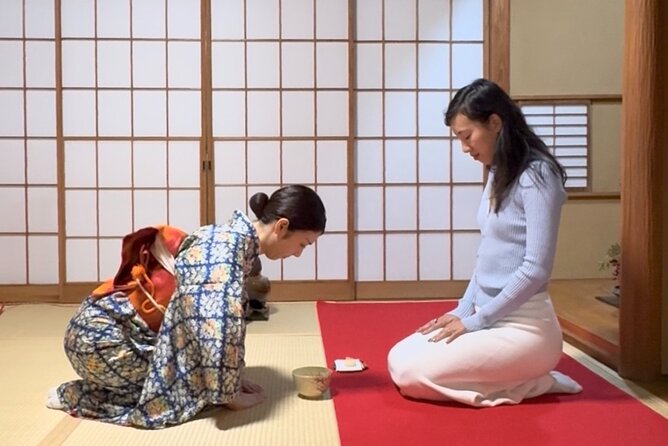
Shibuya is all speed and noise. This experience flips the switch. You trade crowded sightseeing for a short, structured ritual where the pacing is slow by design, and the focus is on what you’re doing with your hands.
The big payoff is that you’re not just learning trivia. You watch the traditional flow, taste fresh matcha with Japanese sweets, then make your own bowl at the end. If you’ve ever thought, I understand the idea of a tea ceremony, but I don’t know what my hands should do, this is the fix.
You can also read our reviews of more tours and experiences in Tokyo.
Finding the Tea House Near Dōgenzaka (and why the setting matters)
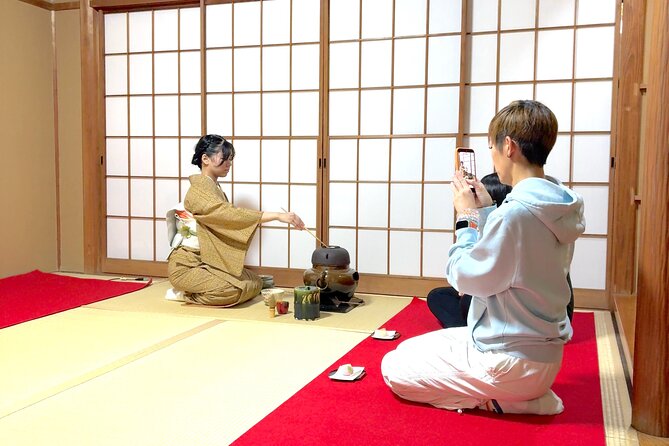
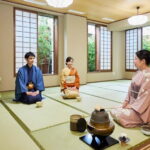
You’ll meet in Shibuya at Dōgenzaka, 1-chōme15 万字ビル (Tokyo, 150-0043). The point here is simple: it’s in the real Shibuya area, but the tea house itself is tucked away on a side street, which is exactly what your brain needs after shopping streets and train-platform stress.
Based on what people consistently praise, the space is quiet, relaxing, and peaceful in a way that actually changes how you experience the lesson. That matters because tea culture is about attention. If the setting is calmer, you naturally slow down and notice the details you’d otherwise miss.
The 500+ Year Tea Ritual: history, matcha, and what you’ll actually do
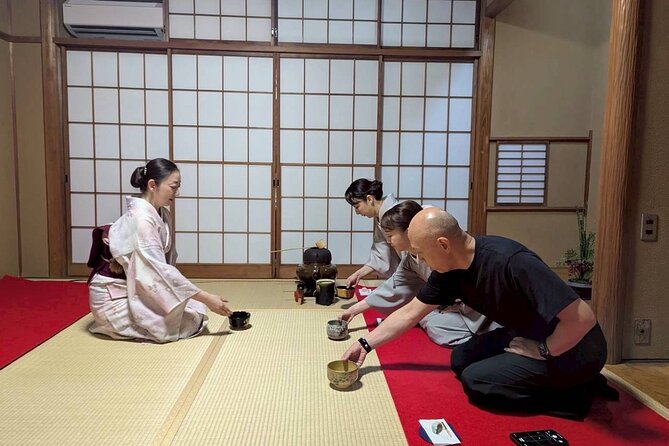
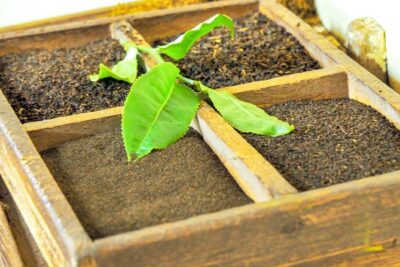
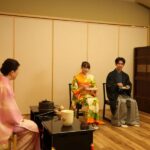
The session follows a clean rhythm. First, you get context. You’ll hear a short explanation of the history of tea in Japan, and you’ll also see how matcha is made using a traditional stone mill. That moment is more than a cool photo op. It helps you connect the drink in your hand to the process that made it possible.
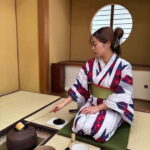
Next comes the ritual portion. A tea ceremony master performs an お点前 (tea-making presentation) that has a history of over 500 years. Even if you’ve never seen this before, the lesson is paced so you can follow what’s happening and why each step exists.
Here’s the practical value: you’re learning the flow. You’re picking up how the actions connect—preparation, presentation, tasting—so it stops being just a performance and starts becoming a method you can understand.
Matcha and Nerikiri: tasting the moment before you make anything
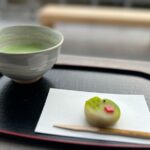
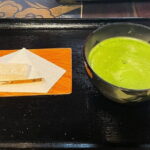
After the master demonstrates the ritual, you sit down for the tasting. You’ll enjoy freshly prepared matcha along with nerikiri, a traditional Japanese sweet.
This part matters because it sets your baseline. You’ll taste the matcha the way it’s meant to be experienced in the ceremony—paired with a sweet that supports the mood of the moment. It also keeps the experience from turning into a classroom. You’re doing real culture, not just collecting facts.
Making Your Own Matcha with Traditional Tools (the part you’ll remember)
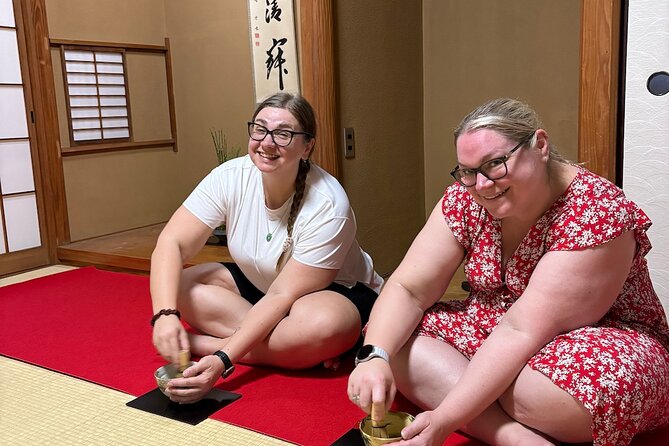
The last step is the hands-on payoff: you make your own matcha bowl using traditional tools. You don’t just get a quick taste and a thumbs-up. You’ll actually whisk, and you’ll do it in the same spirit as the ceremony rather than treating it like a craft project.
One of the most useful details is that you can choose your favorite chawan (matcha bowl) from a selection of beautiful options. That choice might sound small, but it changes how you experience the final bowl. You’ll be paying attention to the bowl shape and feel in your hands, which is part of how tea culture becomes real instead of theoretical.
From the feedback, the instructors are friendly and welcoming, and the atmosphere stays calm and respectful. That means you can relax enough to focus on the motions, not on whether you’re doing it perfectly.


The Small-Group Size (up to 8) and why it improves your results
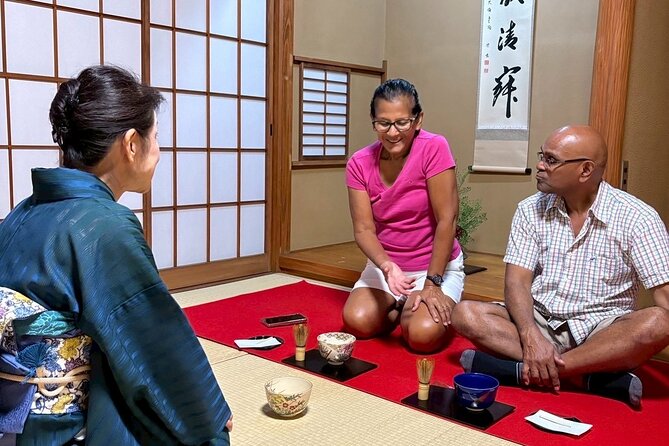
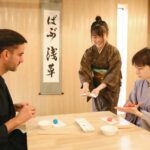
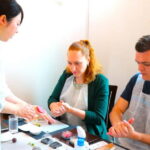
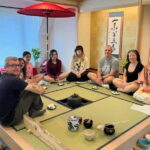
You’ll be with a maximum of 8 travelers, which is a big deal in Tokyo where groups often swell. With this size, the pacing stays personal. You can ask questions without shouting over anyone, and the instructor can pay attention to what you’re doing as you whisk your matcha.
It also makes the whole thing feel more intimate. In a noisy city, “small group” is not just comfort. It’s how you actually learn. When you can see what the instructor is doing and you have time to practice, you walk away with something you can recreate at home.
Price and Value: what $25.76 gets you (and why it’s fair)
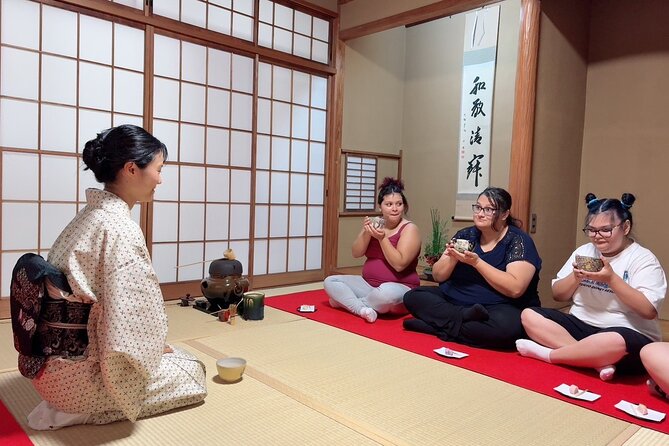
At $25.76 per person, this isn’t a bargain tour where you get rushed through a single photo-worthy moment. It’s priced like a focused, instructor-led experience: history + demonstration + tasting + hands-on matcha preparation, all in around 50 minutes.
Here’s why that’s good value for your time:
- You get the full arc: context, ritual viewing, tasting, then doing.
- You use traditional tools, so it’s not just watching someone else’s skill.
- You leave with memories you can repeat, plus techniques you can recreate at home (at least the core steps and feel).
If you’re visiting Tokyo and want one short activity that feels culturally serious without eating half the day, this is exactly the kind of lesson that fits.
Who Should Book This Shibuya Tea Ceremony (and who might want more time)
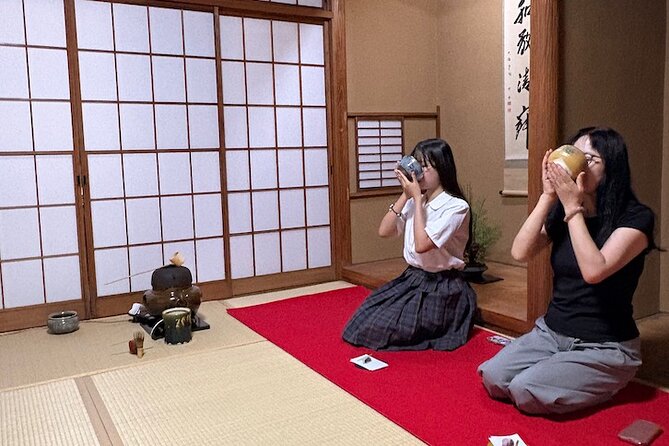
This works best if you want an authentic cultural stop that’s:
- calm instead of crowded
- hands-on rather than passive
- guided by someone who can explain what you’re seeing
It’s also a good match if you like structured experiences. The session is clear and step-by-step: history first, ritual next, then making your own matcha. That structure helps you remember it later.
If you’re someone who wants a long ceremony with extended practice and multiple tastings, you might wish it were longer. But if you want a compact, high-quality introduction you can actually use, this timing hits the sweet spot.
Practical Tips for Getting the Most Out of Your Session
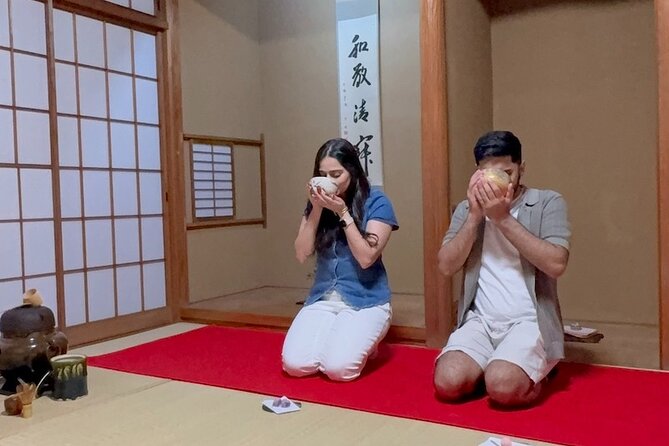
You don’t need to be a matcha expert to enjoy this. You just need to show up ready to slow down.
A few practical ways to get more out of it:
- Arrive with the mindset that you’re practicing. The goal isn’t perfection; it’s learning the flow.
- Pay attention during the demonstration. The later hands-on part goes faster if you watched carefully.
- Choose your chawan with intention. Picking one you like makes your final bowl more memorable.
- Use the tasting moment. Even before you make anything, notice how the matcha and nerikiri pair.
Also, expect the experience to feel peaceful and slightly meditative, especially because people consistently point out the tranquil tea-house vibe and the friendly hosts.
Should You Book It?
I think you should book this if you want one experience in Shibuya that feels genuinely cultural, with real instruction and a real hands-on finish. The strongest reasons to go are the small-group feel, the expert-led ritual, and the fact that you don’t leave without making your own matcha.
Skip it only if you strongly prefer long, unhurried practice sessions or you’re looking for a big “city tour” with multiple stops. This is a focused lesson, and that focus is its charm.
FAQ
How long is the Shibuya Authentic Tea Ceremony?
It lasts about 50 minutes.
What’s the group size limit?
The experience has a maximum of 8 travelers.
What happens during the ceremony?
You’ll learn about the history of Japanese tea and see matcha made using a traditional stone mill, watch a traditional tea-making ritual, taste matcha with sweets, and then make your own matcha.
Do you taste anything during the experience?
Yes. You’ll taste freshly prepared matcha along with nerikiri, a traditional Japanese sweet.
Can I make matcha myself?
Yes. You’ll have the chance to make your own bowl of matcha using traditional tools.
Where do I meet for the tour?
The meeting point is in Shibuya at Japan, 150-0043 Tokyo, Shibuya, Dōgenzaka, 1-chōme15 万字ビル.
How much does it cost?
The price is listed as $25.76 per person.
FAQ
Can I get a full refund if I cancel?
Yes. You can cancel up to 24 hours in advance for a full refund.
When do I receive confirmation?
You receive confirmation at the time of booking.
Is there a mobile ticket?
Yes, the experience includes a mobile ticket.