REVIEW · KYOTO
Kyoto: Nighttime Zen Meditation and Matcha Tea Experience
Book on GetYourGuide →Operated by Cultural Edu-tourism Council · Bookable on GetYourGuide
Night falls, and Kyoto slows down. I love the lit gardens at Keishunin Temple, and I love that you get to practice zazen with the temple team rather than just watch from the sidelines.
One thing to plan for: this is a real evening temple experience. You’ll want warm clothing and comfortable clothes, because the garden time happens after dark and can feel chilly.
In This Review
- Key things you’ll notice right away
- Why Keishunin at Night Feels Like a Reset in Kyoto
- Meeting at Keishunin: The 90 Minutes That Keep You From Rushing
- Four Gardens After Dark: The Illumination Is the Point
- Sehakuan Tea Room and Kano Sansetsu Fusuma Paintings
- Zazen Meditation With the Temple Team: How to Prepare to Sit
- Matcha, Japanese Sweets, and the Calm After Sitting
- Price and Value: What You’re Really Paying For
- Who This Kyoto Night Session Suits Best
- Practical Tips: Clothes, Photo Rules, and Night Comfort
- Should You Book This Tour or Skip It?
- FAQ
- Where does this experience take place?
- How long is the experience?
- What is included in the session?
- What languages are available?
- Do I need to reserve in advance?
- What should I bring and are photos allowed?
Key things you’ll notice right away
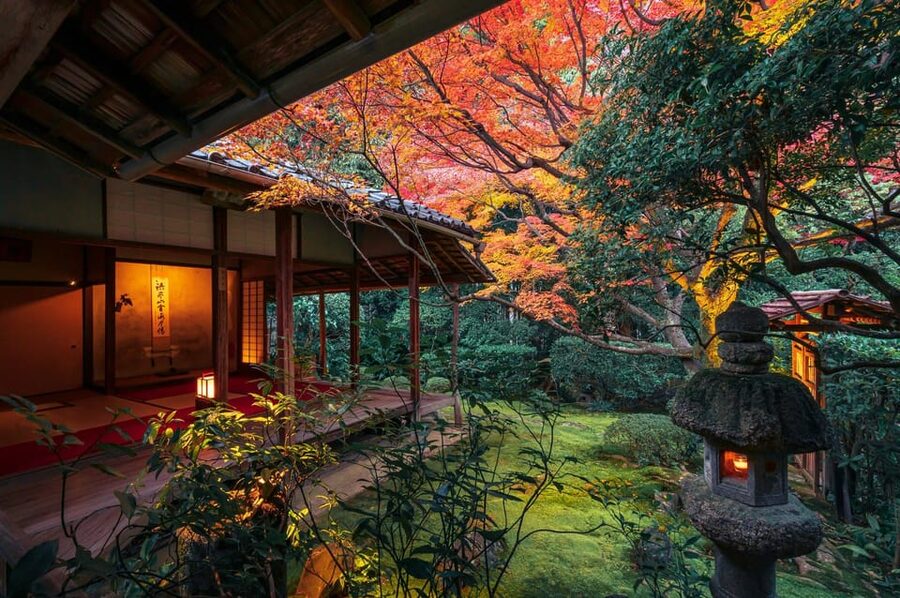
- Keishunin at night: four nationally designated gardens shown under lights
- Temple-led zazen: guided seated meditation as part of the flow
- Sehakuan tea room: a behind-the-scenes look at a tucked-away space
- Kano Sansetsu fusuma: you’ll see sliding-door paintings tied to the temple’s culture
- Matcha and sweets tasting: a calm finish with tea and a traditional Japanese sweet
Why Keishunin at Night Feels Like a Reset in Kyoto
If you only do daytime temples in Kyoto, you miss a quieter rhythm. Keishunin Temple, a sub-temple of Myoshinji Temple, turns that idea into an actual experience: you visit after dark, when the gardens soften and the whole place feels more personal. Instead of rushing from photo spot to photo spot, the evening is paced for calm attention.
What makes this stand out is how the night visit is built around practice, not performance. You’re not just touring illuminated scenery. You learn about the temple, then settle into meditation, and only after that do you slow down with matcha and a sweet.
This format is great if you want something authentic that doesn’t require you to already know the rituals. You get guided structure, including time to look around the gardens and time to sit, breathe, and listen.
You can also read our reviews of more tours and experiences in Kyoto.
Meeting at Keishunin: The 90 Minutes That Keep You From Rushing
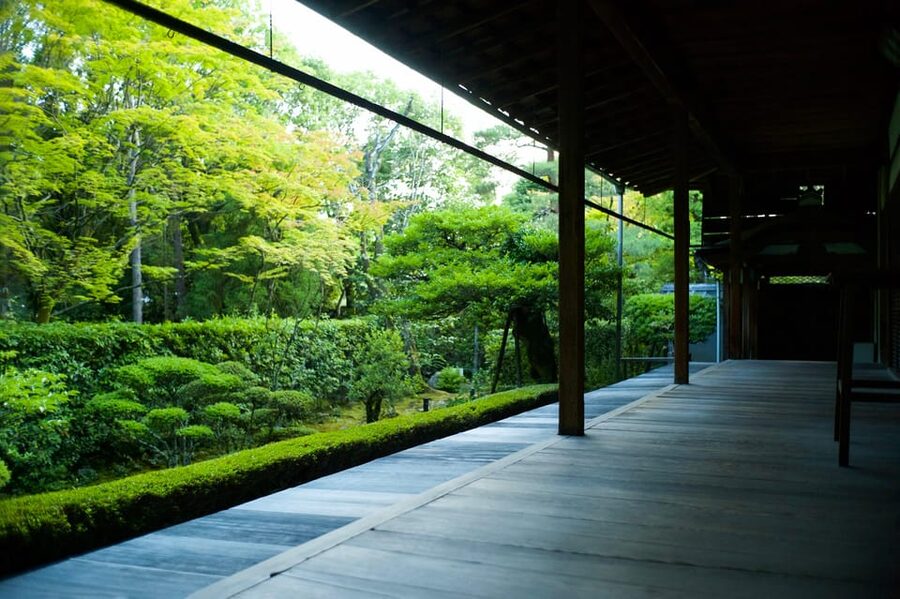
The total experience time is 90 minutes, and it’s designed to be compact. You meet at the temple with a live English or Chinese guide, and the session flows through a clear sequence: gardens first, then the tea room and fusuma paintings, then zazen, and finally matcha tea with a Japanese sweet tasting.
You’ll also skip the ticket line, which matters at temples where regular entry can be slow. Since this is a private group, the pacing feels less like a conveyor belt and more like a conversation with the space.
The main consideration is simple: because it’s private, it still has a set start time. If your Kyoto day runs late, build in a buffer so you can arrive without stress. Night visits feel best when you’re not already tired.
Four Gardens After Dark: The Illumination Is the Point
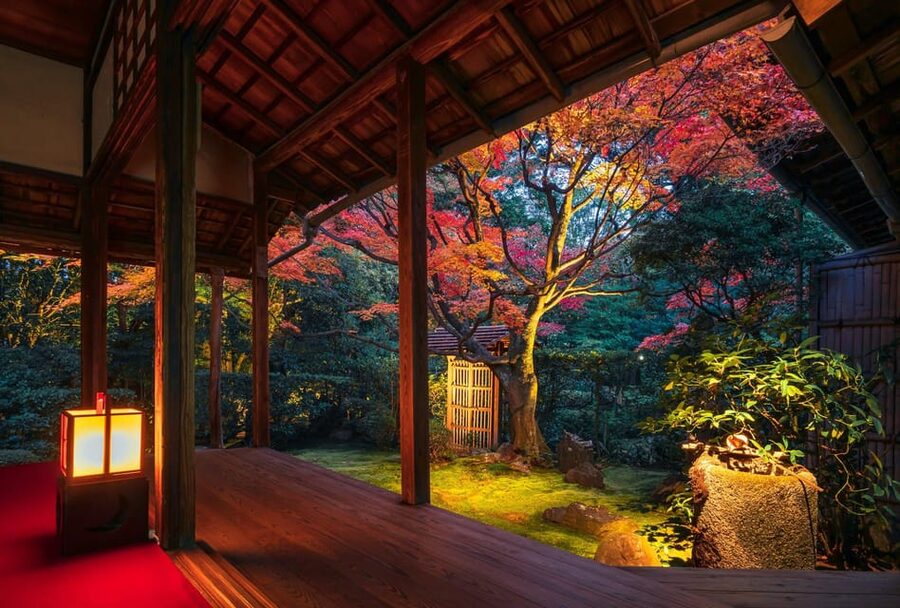
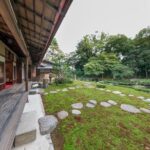
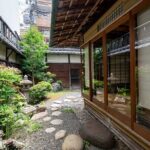
Keishunin is known for its gardens, and here you’re specifically shown four gardens that are designated historical sites and scenic spots. At night, those design elements look different. Shadows deepen the textures, and lights help you see the space as a sequence, not one big view.
Your guide walks you through what you’re looking at and why it matters. That explanation is what turns the gardens from background scenery into meaningful parts of the visit. You’re not just collecting angles. You’re learning how the garden design supports contemplation.
Practical note: expect some time standing and walking on temple grounds. Comfortable shoes help more than you’d think, even if the walking looks modest. If you want photos, just remember flash photography isn’t allowed.
Sehakuan Tea Room and Kano Sansetsu Fusuma Paintings
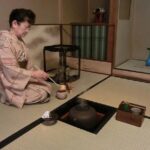
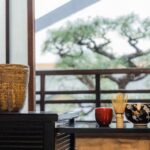
One of the most interesting parts is the tour of the hidden tea room called Sehakuan. In many temple experiences, tea is mentioned but you don’t really get context. Here, the visit includes access to a specific tea space tied to the temple’s cultural identity.
You’ll also view Kano Sansetsu fusuma paintings. These sliding-door artworks connect you to the artistic tradition surrounding Zen spaces in Kyoto. Even if you don’t know the artist’s name today, you’ll leave with a sense that art, architecture, and Zen practice are not separate topics here.
This segment is often where the night starts to feel especially intimate. The rooms and surfaces bring the story closer to you. Instead of being outside in the lights the whole time, you get a change of mood: quieter, warmer, and more focused.
Zazen Meditation With the Temple Team: How to Prepare to Sit
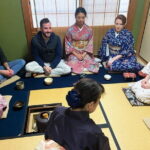
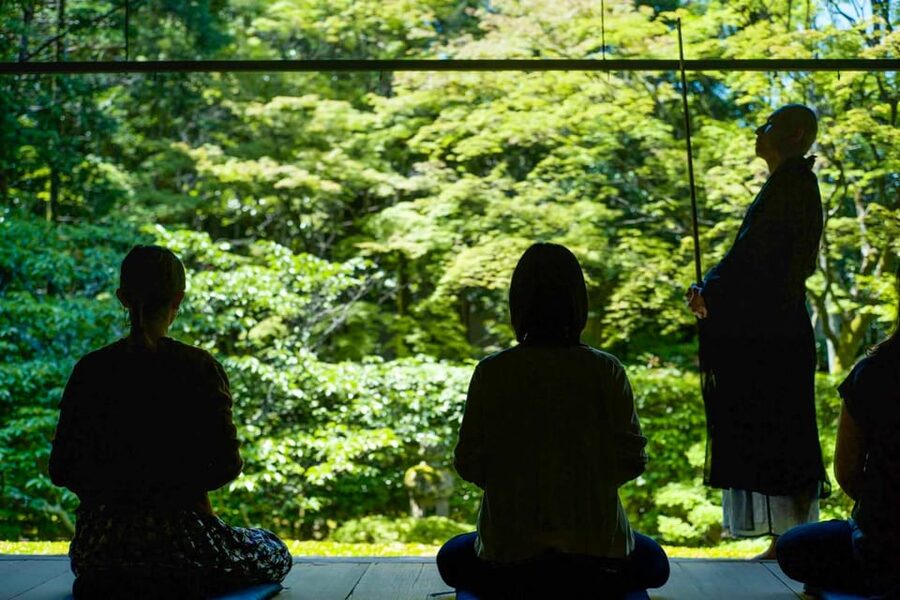
Zazen is the core practice of this experience, and it’s guided. You’ll do seated meditation with help from the temple leadership—your session includes guidance by the deputy chief priest, Yasumasa Arashima (and the meditation is led by the VP Monk as part of the temple team’s approach). That temple leadership matters because the instructions aren’t generic.
If you’re new to meditation, this kind of guided structure is a big advantage. You’re not expected to figure out posture, timing, or attention on your own. The guide helps you understand what to do and what the practice is aiming for.
One useful detail from past experiences: you may learn a custom used when a practitioner feels too tired and needs a reminder to keep going. That’s practical knowledge for real bodies, not just theory. The goal is not toughness; it’s staying present in a sustainable way.
To make this section easier:
- Wear clothes that won’t restrict movement
- Plan for a calm, still mindset
- Take cues from your guide rather than trying to copy meditation teachers you’ve seen online
Matcha, Japanese Sweets, and the Calm After Sitting
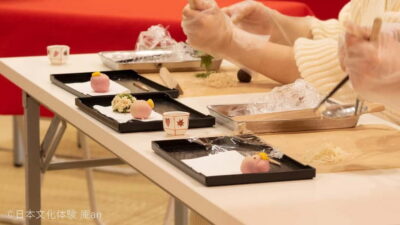
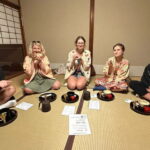
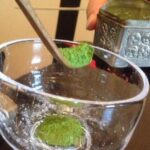
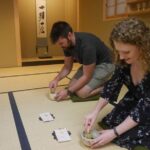
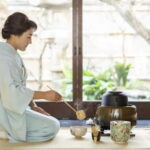
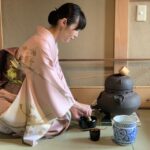
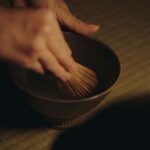
After meditation, you shift from inside-the-mind to inside-the-moment. You’ll enjoy matcha tea and Japanese sweets tasting, guided by Keishunin’s deputy chief priest Yasumasa Arashima. This final part isn’t just a snack. It’s a gentle transition that reinforces the evening’s theme: rest, attention, and appreciation.
Matcha in this context works because it’s served after zazen, when your senses feel sharper. The sweet also gives a small grounding signal that the session is complete. In past evenings, people have described a brief, respectful chat afterward, which can be a nice chance to ask what you’re seeing and feeling.
If you’re picky about sweets, keep it simple: this is a Japanese sweet tasting included in the price, so expect something designed to pair with tea.
Price and Value: What You’re Really Paying For
At $206 per person, this isn’t the cheapest Kyoto activity. But it is built with value in mind. You’re paying for a private-group format, a 90-minute guided night visit, and access to spaces and art you likely wouldn’t see on your own: Sehakuan and the Kano Sansetsu fusuma paintings, plus guided zazen.
The inclusion list is also meaningful. You’re not only viewing illuminated gardens. You’re doing a guided cultural walkthrough, meditation instruction, and matcha and sweets tasting. If you’ve ever tried to cobble together temple entry + a tea experience + meditation instruction on your own, you know the cost adds up quickly in time and money.
What makes the price feel more reasonable is the pacing. This is a compact, curated night session that aims to refresh your mind and body. For the right traveler, that can be worth more than another hour of sightseeing.
Who This Kyoto Night Session Suits Best
This experience is intended for primary school students and above, and each guest under junior high school age must be accompanied by one parent or guardian. Also, it’s not suitable for children under 12, and it’s not designed for wheelchair users.
So who is it for?
- You want a different side of Kyoto than day temples
- You’re curious about Zen practice but prefer guided structure
- You enjoy cultural explanation paired with hands-on participation
- You value quieter, smaller-group energy over big group tours
It’s also a strong choice if you want a night activity that feels restful. The sequence is designed so you’re not just moving your feet through Kyoto. You’re giving your brain a break.
Practical Tips: Clothes, Photo Rules, and Night Comfort
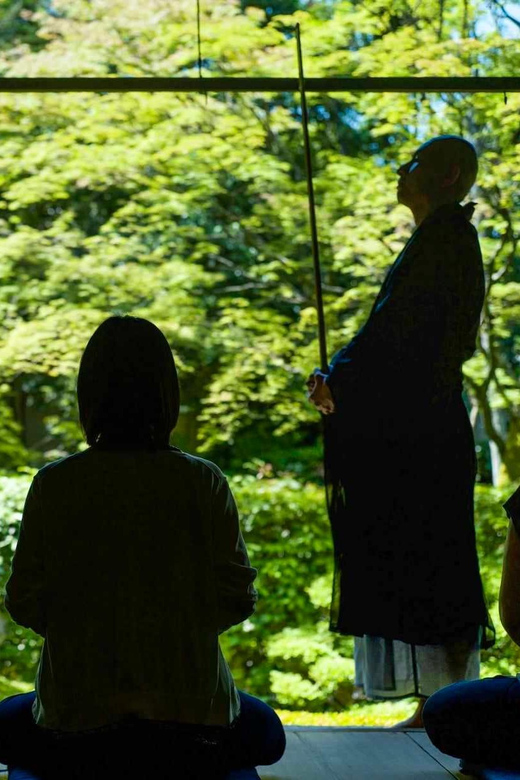
This tour asks you to bring warm clothing and comfortable clothes. That’s not just a suggestion. It can be noticeably cooler at night, especially when you spend time outside viewing the gardens.
Two other rules are clear:
- No smoking
- No flash photography
If you’re someone who likes to take lots of pictures, plan around the lighting. Using flash is a no-go, so you’ll rely on low-light conditions and available illumination. If you prefer Instagram-style shots, keep your expectations realistic and focus more on atmosphere than perfect sharpness.
Finally, remember the visit is 90 minutes. Build your schedule so you’re not rushing into dinner right afterward. Give yourself a buffer so the calm has time to land.
Should You Book This Tour or Skip It?
Book it if you want an evening experience that feels intentionally paced: illuminated gardens, guided Zen sitting, a tea room visit, and matcha and sweets to close. This is one of those activities where the cultural context is part of the fun, not just an add-on.
Skip it if you’re looking for something fast and casual with lots of freedom to roam. This experience works best when you’re ready to follow a guided flow and participate in the meditation portion. Also, if you dislike sitting still for a period of time, you’ll probably feel more frustrated than soothed.
If you’re the type of person who likes quieter Kyoto moments with real practice built in, this is a strong yes.
FAQ
Where does this experience take place?
It takes place at Keishunin Temple in Kyoto, a sub-temple of Myoshinji Temple.
How long is the experience?
The duration is 90 minutes.
What is included in the session?
You’ll get a special night visit to Keishunin, a tour of four illuminated gardens, a tour of the hidden tea room Sehakuan, viewing of Kano Sansetsu fusuma paintings, a zazen meditation experience, and matcha tea with Japanese sweets tasting.
What languages are available?
The live guide offers English and Chinese.
Do I need to reserve in advance?
Yes, reservation is required.
What should I bring and are photos allowed?
Bring warm clothing and comfortable clothes. Flash photography is not allowed. Smoking is not allowed either.