REVIEW · XISHUANGBANNA
Puer Tea Picking and Tasting | 6 Hour Morning Trip
Book on GetYourGuide →Operated by GO BANNA! · Bookable on GetYourGuide
Tea starts with your own hands. This half-day Pu’er trip mixes a guided walk through the plantation with hands-on picking and a tasting of freshly processed tea.
What I like most is that you are not just watching tea happen. You are learning why certain leaves matter, then tasting the result while it still feels connected to the field. One trade-off: the whole day moves on a 5–7 hour clock, so you may want to save your longest questions for the tasting and processing stops.
In This Review
- Key things I’d circle before you go
- Why Pu’er Tea Picking Feels Like a Real Farm Day
- Getting There: Jinghong or Pu’er Pickup and a Small-Group Pace
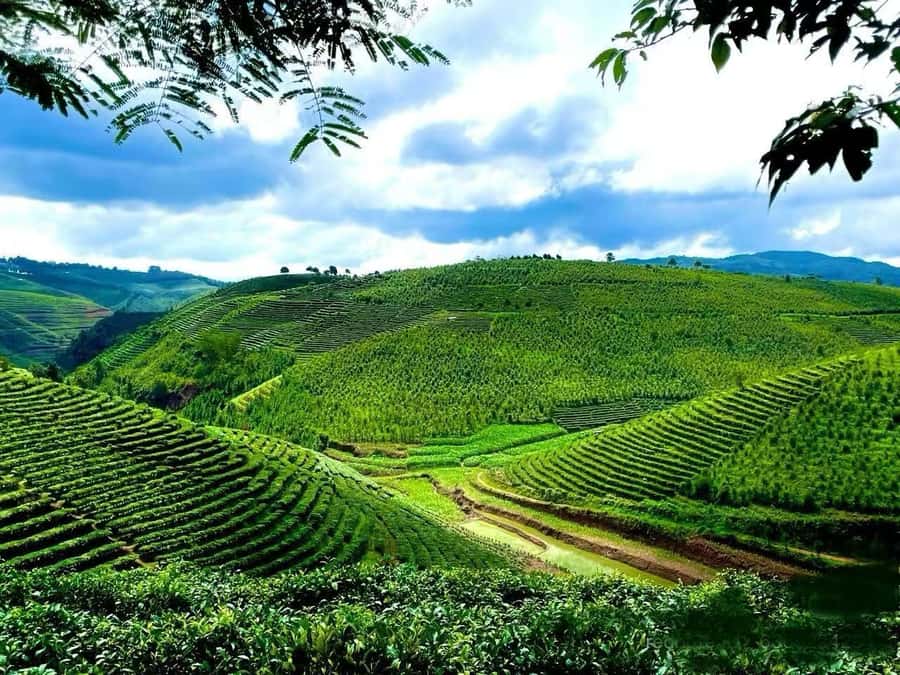
- On the Plantation Walk: Seeing What Makes Pu’er Different
- Tea Picking With a Local Eye: What You Should Expect to Do
- From Leaf to Tea: Withering, Rolling, Drying at the Processing Farm
- The Tasting Session: Fresh Pu’er, Multiple Pulls, and Flavor Comparisons
- Lunch at the Farm and Potential Coffee-Plantation Add-Ons
- Taking Tea Home: 300 Grams You Actually Pick
- Price and Value: What $82 Buys You in Real Experience
- Who This Pu’er Tea Trip Fits Best
- A Quick Decision Guide: Should You Book This One?
- FAQ
- How long is the Puer Tea Picking and Tasting trip?
- Where do you get picked up and dropped off?
- Is lunch included?
- Can I take tea home?
- Do they offer an English-speaking guide?
- Is the tour suitable for older travelers or babies?
Key things I’d circle before you go
- Small group, max 6: easier Q&A and more attention from the guide.
- Pickup in a VW ID.4 (or a minivan for larger groups): less hassle getting out of Jinghong or Pu’er.
- Plantation picking with local guidance: you learn what to select, not just where to stand.
- Processing farm steps: withering, rolling, drying, plus hands-on bits you can try.
- 300 grams of your own picked Pu’er tea to take home: a real souvenir, not just a photo.
- Fresh tea tasting session: includes multiple pulls and a chance to compare styles you may not know yet.
Why Pu’er Tea Picking Feels Like a Real Farm Day
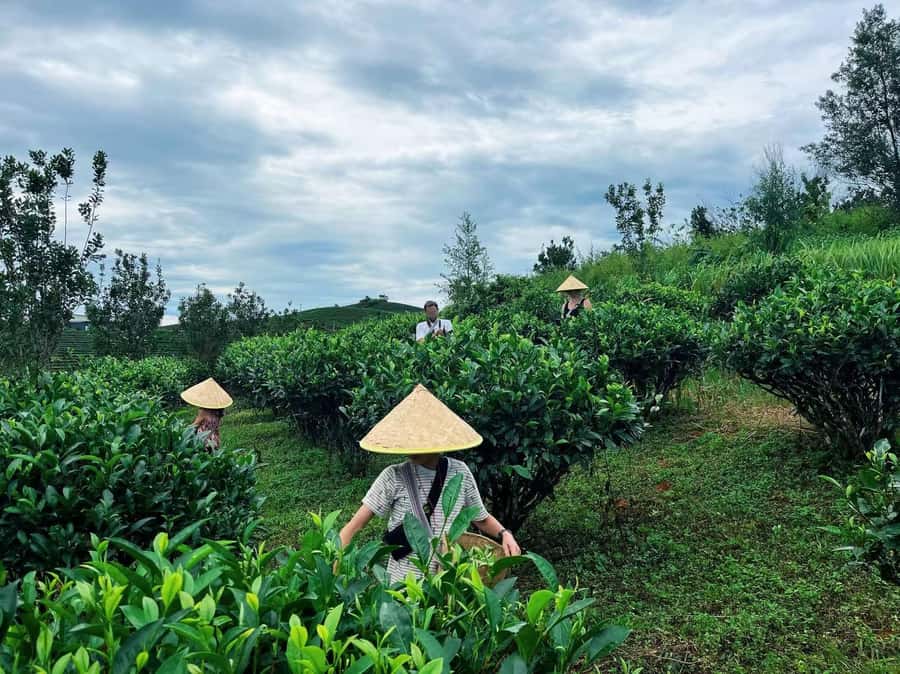
Pu’er tea is famous, but it can also feel abstract until you see the plants and pick the leaves yourself. This tour keeps the learning attached to the actual work: field first, then processing, then tasting. That order matters, because the flavors make more sense once you’ve seen what happens to the leaf.
I also like how the guide connects tea to local culture and practices, not just leaf facts. In several cases, English-speaking visitors were able to ask a lot of questions, with the plantation host answering directly, even when translation was needed. If you like your travel with hands-on moments, this is one of those days where you can point at the exact origin of what you’re tasting.
The main consideration is time. It’s a half-day, not a full day in the fields. If you are hoping for a slow, lingering walk with zero rush, plan to keep your expectations realistic and focus on quality stops over maximum minutes.
Getting There: Jinghong or Pu’er Pickup and a Small-Group Pace
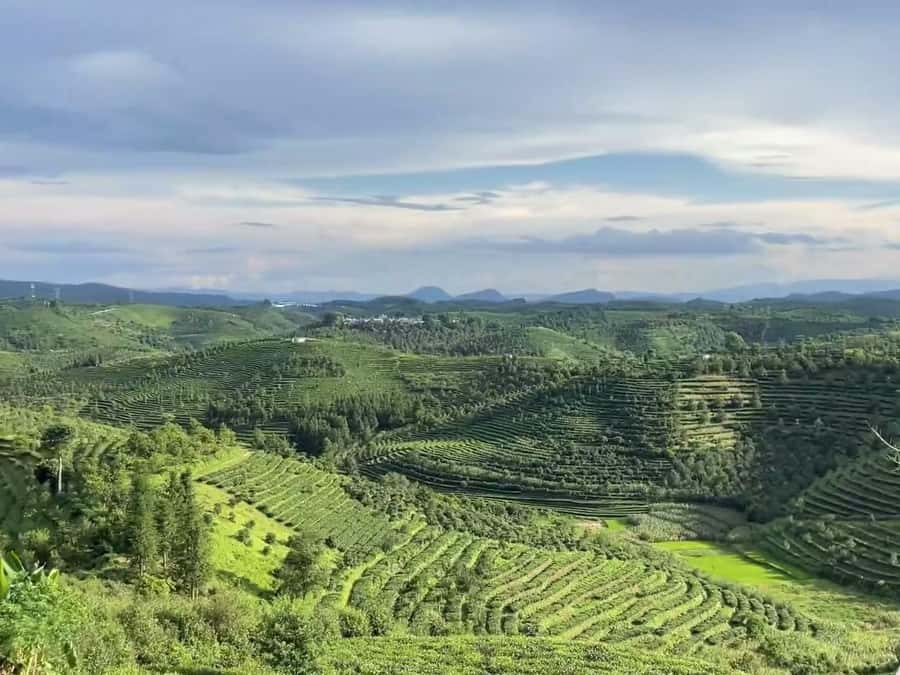
You start with pickup and return from Jinghong or Pu’er, which keeps the day simple. The car choice is part of the experience logistics: a VW ID.4 for up to 3 guests, or a comfortable 6-seat minivan if the group is bigger. For me, this matters because you spend less time figuring out transport and more time on tea.
The group size is limited to 6 participants, which changes how the day feels. You get room for questions without constantly waiting your turn. It also helps the guide manage timing when you’re moving from plantation to processing farm and back.
Duration is listed as 5–7 hours, so I recommend showing up on time and wearing shoes you can walk in. If your day elsewhere is tight, build in buffer time. This is not the type of tour where you want to sprint between stops.
On the Plantation Walk: Seeing What Makes Pu’er Different
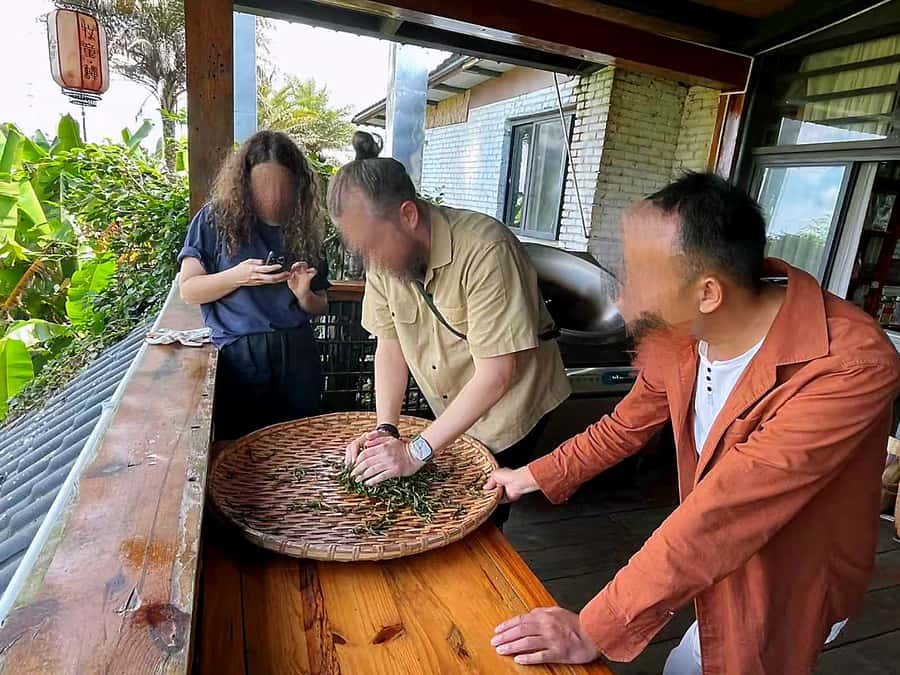
Once you arrive, you get a guided tour of the Pu’er tea plantation and surrounding area. This is where you learn the basics that most people miss when they only buy tea in a shop. Expect the guide to explain the history and significance of Pu’er tea in a way that fits what you are looking at right now.
The best part here is that the tour is not only scenic. It is structured around tea-growing logic: where the plantation sits, what the plants need, and why leaf selection is a big deal. You also get context on how Pu’er became known worldwide, which helps when you later hear terms like raw vs. aged styles.
Bring your curiosity. This is the part of the day where good guides can turn your random questions into useful answers. I like tours where the guide doesn’t treat questions like a nuisance, and this one is set up for that kind of interaction.
Tea Picking With a Local Eye: What You Should Expect to Do
The hands-on tea-picking session is usually the moment you remember later. You’ll be guided by local experts who show you the best techniques for selecting leaves. The goal is not just to say you picked tea; it’s to learn what makes a leaf more suitable for the finished cup.
For first-timers, the biggest value is the feedback. When you pick with guidance, you start to understand that tea quality isn’t magic. It is selection, timing, and care.
A practical tip: wear comfortable shoes and keep your movements steady. Plantation work is gentle, but you will likely spend time walking on uneven ground. If you rush, your picking technique suffers, and your enjoyment drops because you’ll be worried about balance instead of paying attention to what the picker is teaching.
Even if you already know basic tea terms, this is still useful. Picking makes later tasting feel less like a blind experiment and more like cause-and-effect.
From Leaf to Tea: Withering, Rolling, Drying at the Processing Farm
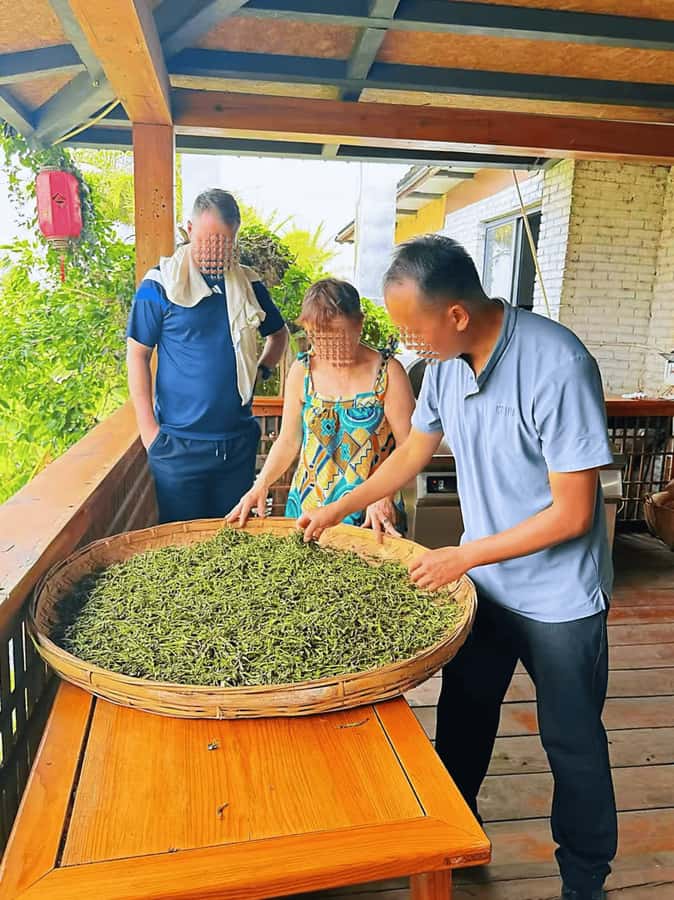
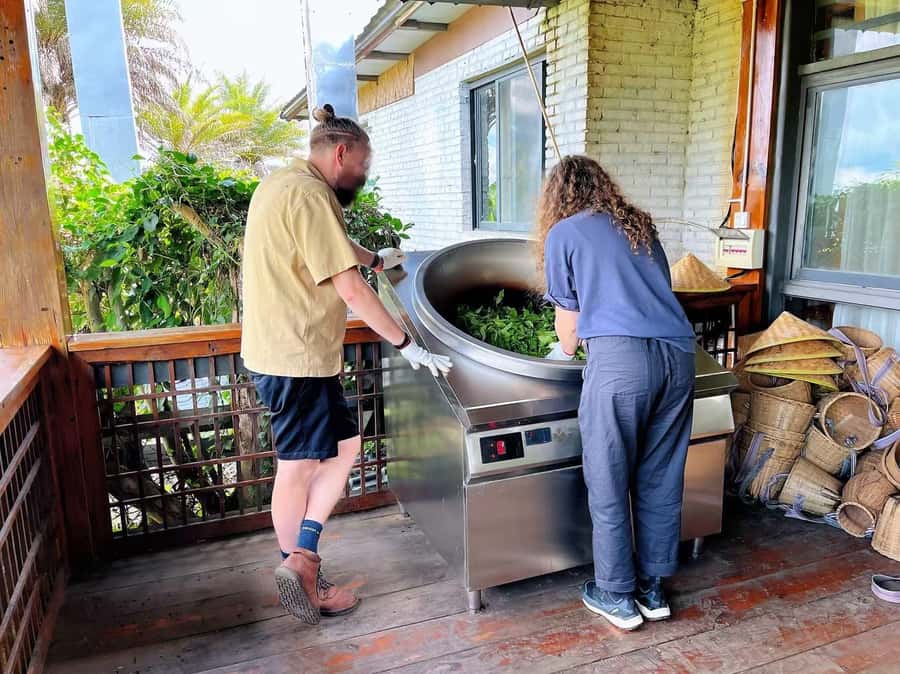
After the plantation, you visit a local processing farm to see how fresh leaves turn into Pu’er tea. The tour description specifically highlights the stages: withering, rolling, and drying. You should expect demonstrations, plus a chance to try parts of the process.
This is one of the most educational sections because it turns tea from a product into a chain of choices. If withering is too short or rolling too rough, the leaf behavior changes. Drying affects how the finished tea holds up and what flavors emerge.
Some tours also allow you to engage with steps alongside artisans. That hands-on element can be surprisingly satisfying: you watch a skilled worker work fast, then you try it and realize why their movements are so practiced.
Look at it this way: you are learning the vocabulary behind the taste. Later, when someone names a style or brewing approach, you’ll have a picture in your head of what was happening to the leaf.
The Tasting Session: Fresh Pu’er, Multiple Pulls, and Flavor Comparisons
The highlight for many people is the tea tasting, because it ties the day together. You taste freshly processed Pu’er tea, and you learn about different varieties and brewing methods that shape the cup.
One useful thing you should know going in: tasting can be structured. In examples from recent groups, teas were tasted through multiple pulls, which helps you notice changes from one steep to the next. That’s a great way to learn rather than just judge.
You may also encounter comparisons between different styles. Some groups report sampling types such as aged, raw, candy tea, and red tea. If you’re a tea fan, that variety helps you map what you like to what you actually tasted that day.
My practical advice: take notes, even simple ones like mild/strong and light/thick. If you skip this, the teas can blur together—especially when you are tasting more than one type. Then you walk away thinking you remember, but you don’t.
Lunch at the Farm and Potential Coffee-Plantation Add-Ons
Lunch is listed as part of the experience at the farm. One part of the description also mentions an optional lunch featuring local specialties around 60 yuan/person. To keep it simple: assume lunch is part of your day at the plantation area, and confirm on the day whether you will pay anything extra for specific local dishes.
A nice bonus: some versions of the day include more than tea. In a couple of runs, the tour continued to a coffee plantation near Pu’er for coffee tasting and Dai food. If you love food in Yunnan, it is worth being open to that added stop. If you are strict about timing, ask your guide how your exact schedule is structured for your pickup time.
Either way, the meal is not just fuel. It’s a chance to eat local flavors in the same place where you’ve spent the morning learning tea.
Taking Tea Home: 300 Grams You Actually Pick
This tour includes a big souvenir: you get 300 grams of Pu’er tea picked up and processed by visitors. That is a rare detail, and it changes the value equation.
A lot of tours include a generic tea bag or small sample. This one is different because you bring home something substantial enough to use over time. You are also taking home tea that connects to your own picking session, which makes it easier to remember what you learned when you brew it later.
One practical consideration: store your tea well. Keep it in a dry, sealed container. If your room is humid, you’ll enjoy it more if you keep it protected.
Some groups also reported a discount on tea purchases at the end, such as 20% off, and importantly, the plantation owner did not push sales. If you decide to buy extra, do it with a clear sense of what you liked in the tasting session so you do not get talked into unknown styles.
Price and Value: What $82 Buys You in Real Experience
At $82 per person for a 5–7 hour morning trip, you’re paying for more than transport. You’re paying for access: a plantation visit, guided picking, a processing-farm visit, and a tasting session, plus that 300 grams of tea. Those add up fast if you try to book them separately on your own.
The small-group size also improves value. When fewer people share the guide’s attention, your learning is usually better. And when you are paying for experiences where you actually touch the work—picking and processing—time feels more efficient.
What to watch: the trip is short, so it is best for people who want a focused experience with clear learning goals. If you want a long, slow day of roaming between multiple estates, this might feel like a quick hit. But if you want a strong overview and a hands-on taste of the real production flow, it is good value.
Who This Pu’er Tea Trip Fits Best
This tour is especially well suited for:
- Tea lovers who want hands-on picking and a tasting that connects to processing.
- People who like small-group travel and active Q&A with a live guide.
- Travelers who want a meaningful food-and-agriculture day without juggling transport.
It may not be ideal if you are:
- Very limited on mobility, since you should wear comfortable shoes and expect walking on plantation terrain.
- Traveling with very young children. The tour lists that it is not suitable for babies under 1 year, and it also lists not suitable for people over 70.
- Bringing pets. Pets are not allowed.
Language support is also a plus if you want clarity: live tour guide languages include English, French, German, and Italian.
In terms of the vibe, expect calm, rural pacing with structured learning. The best days are the ones where you ask questions and let the guide steer you from field observations to tasting conclusions.
A Quick Decision Guide: Should You Book This One?
I’d book this tour if you want a half-day that actually teaches you something you can use. The biggest reason is simple: you see the leaf, you pick the leaf, you watch how it’s processed, and then you taste it—often through structured sampling like multiple pulls. That chain makes the experience stick.
You should think twice if your schedule is extremely tight or if you hate time limits. At 5–7 hours, it is meant to be focused, not drawn out. Also, if you are expecting a pure sightseeing day with minimal hands-on work, you’ll still be picking and processing, which is the whole point here.
If you fall somewhere in the middle, you’re the sweet spot. This is a practical, no-fluff way to experience Pu’er tea where it grows and becomes itself.
FAQ
How long is the Puer Tea Picking and Tasting trip?
The duration is listed as 5–7 hours.
Where do you get picked up and dropped off?
Pickup and return are included from Jinghong or Pu’er.
Is lunch included?
Lunch at the farm is listed as included, and the trip description also mentions an optional lunch featuring local specialties (60 yuan/person). It’s smart to confirm what is included for your exact schedule when you book.
Can I take tea home?
Yes. The experience includes 300 grams of Pu’er tea picked and processed by visitors during the trip.
Do they offer an English-speaking guide?
Yes. The live tour guide is available in English, French, German, and Italian.
Is the tour suitable for older travelers or babies?
The tour is not suitable for babies under 1 year and not suitable for people over 70.
If you want, tell me your travel dates and whether you’re starting from Jinghong or Pu’er, and I’ll help you pick the best morning timing and what to pack for comfort.