REVIEW · TOKYO
Tokyo Traditional Tea Ceremony with a Japanese Tea Master
Book on Viator →Operated by Sunrise Adventure · Bookable on Viator
Tea in Tokyo, and you get to make it.
This small-group tea master session focuses on real tea craft, with rare cups, hands-on matcha making, and a completion certificate. It runs about an hour, and it’s held in a room right in the Bunkyo area, across from Tokyo University.
My favorite parts are the tasting flow and the skill-building. I especially like how you sample multiple styles, starting with a Shizuoka black tea and moving into higher-end green tea, then finishing with a comforting roasted-rice blend. I also like that you don’t just watch—you whisk your own matcha using traditional tools and learn how the process changes the result.
One thing to consider: this is not a long, formal tea performance. It’s closer to a short, guided lesson with tastings in about an hour, and English support may vary depending on the instructor.
In This Review
- Key highlights you should care about
- Stop One in Tokyo: Wakocha Welcome and Cake
- Stop Two in Bunkyo Near Tokyo University: Gyokuro Sencha and Ougiya Wagashi
- Stop Three in Japan: Whisk Matcha With a Tea Master, Then Finish With Genmaicha
- What You Take Home: Certificate of Completion and Group Photo
- Price and Value: Is $33.03 for a One-Hour Tea Lesson Worth It?
- Expectations to Set: Tea Tasting Lesson vs. Full Traditional Performance
- Practical Tips Before You Go
- Who Should Book This Tea Master Class?
- Should You Book This Tea Master Experience?
- FAQ
- How long is the tea ceremony experience?
- How many people are in the group?
- Where do I meet for the tour?
- What is included in the experience?
- Do I get to make matcha myself?
- What teas will I taste during the class?
- Are wagashi sweets included?
- Is transportation to and from the tea room included?
- Is it close to public transportation?
- Can I cancel for a full refund?
Key highlights you should care about
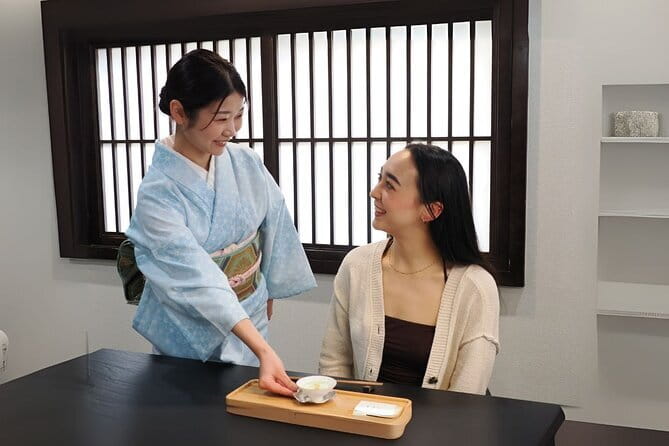
- Wakocha welcome with cake to set the mood before you go technical
- Gyokuro sencha tasting with leaf-focused moments and higher-grade tea context
- Ougiya wagashi from a long-running confectioner, paired with the green tea
- Whisk-your-own matcha using traditional tools under tea master guidance
- Genmaicha finale with sencha plus roasted rice for a softer landing
- Certificate + group photo so you leave with something tangible
Stop One in Tokyo: Wakocha Welcome and Cake
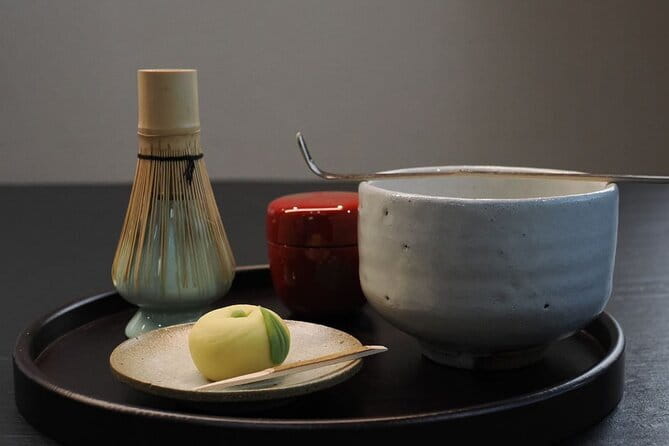
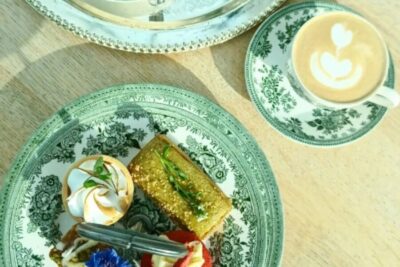
You start with a laid-back welcome that still feels intentional: a cup of wakocha, a Japanese black tea from Shizuoka, paired with a slice of tea cake. This is a smart first step. Black tea gives you a different baseline than the green teas you’ll likely seek out in Tokyo. It also helps you adjust your palate before you get into the grassy, umami-rich world of matcha and sencha.
That cake pairing matters too. If you tend to chase tea like it’s just a beverage, this lesson nudges you toward tea as a full experience—taste, scent, and timing. The goal isn’t to rush to matcha. It’s to train your attention, one cup at a time, for about an hour.
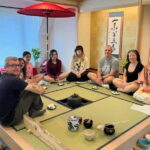
Practical note: you’ll be in a small group (max 12). That’s great for asking questions without feeling like you’re shouting over a crowd. If you’re the type who likes to understand what’s going on, this format helps.
You can also read our reviews of more tours and experiences in Tokyo.
Stop Two in Bunkyo Near Tokyo University: Gyokuro Sencha and Ougiya Wagashi
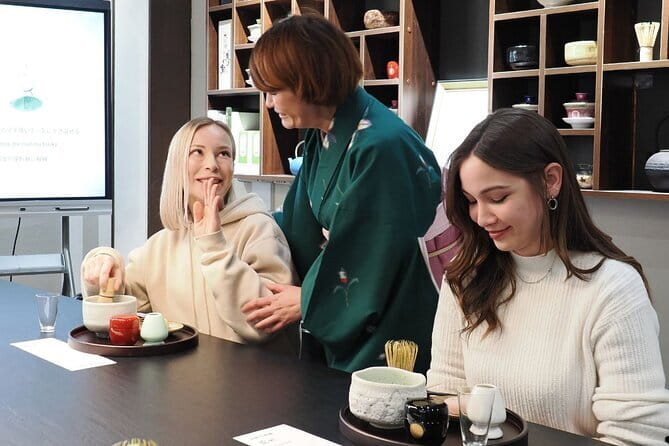
Next comes the green tea stage, and the session gets more serious in a friendly way. You’ll watch as the tea master brews Gyokuro sencha, described as the highest grade of green tea. Even if you’ve had sencha before, Gyokuro tends to feel different—often deeper, rounder, and more complex than the everyday stuff. The experience leans into that by having you taste, including tasting the tea leaves themselves.
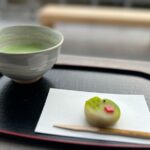
Then you’ll get wagashi sweets from Ougiya, a renowned confectioner with generations of making these traditional tea confections. This pairing is where a lot of tea explanations start to click. Wagashi isn’t random dessert. It’s designed to complement the tea’s flavor profile, and the lesson approach makes you notice how sweetness, texture, and tea notes interact.
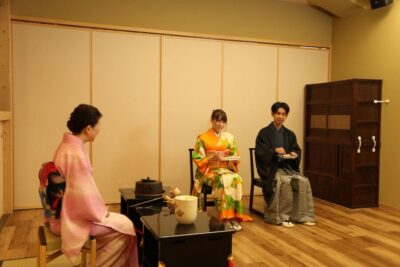
A drawback to keep in mind: some people arrive expecting a full, formal ceremony with very theatrical presentation. This one is more educational and hands-on. So if you’re chasing that long, slow, floor-sitting tradition you’ve seen in videos, you might feel the experience is more like a structured tasting lesson—just done in a real tea room setting.
Stop Three in Japan: Whisk Matcha With a Tea Master, Then Finish With Genmaicha
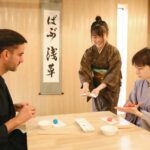
Now for the part many people book for: you whisk your own matcha. You’ll do it under guidance, using traditional tools, and you’ll make and enjoy the matcha during the session. This is the moment where tea stops being something you buy and starts becoming something you understand.
Here’s why I like this section for value. Watching matcha get made is fine, but whisking it yourself is where you learn the difference between correct technique and guesswork. The session also emphasizes process details—past participants have specifically mentioned learning about water temperature and how it affects brewing. That kind of practical knowledge is gold because it transfers directly to what you’ll try later in Tokyo or back home.
After matcha, you end with genmaicha, a blend of sencha and roasted rice from Niigata Prefecture. This finale works because it balances the heavier matcha taste with a more comforting, toasty flavor. If matcha can feel intense at first, genmaicha is the gentle exit ramp.
If you’re tea curious, the overall flow makes sense:
- start with a black-tea baseline
- step into higher-grade green tea and its pairings
- practice matcha by doing it yourself
- finish with roasted comfort
That sequencing keeps the lesson from feeling repetitive, and it helps you notice what changes with each tea style.
What You Take Home: Certificate of Completion and Group Photo
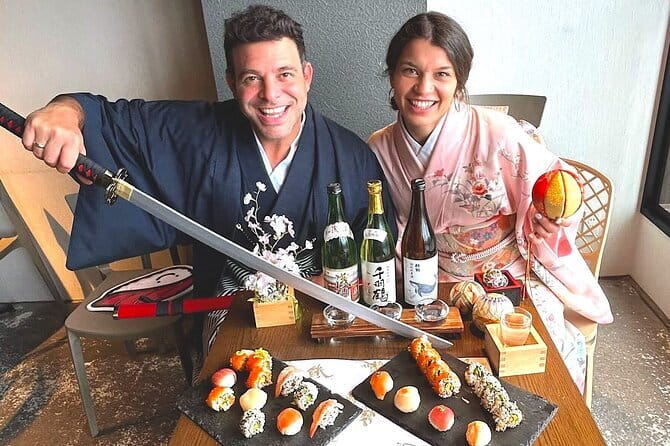
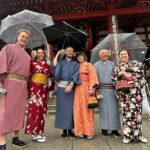
At the end, you get a certificate of completion to take away, plus a group photo to remember the experience. It’s a small thing, but it matters. In a city where you can spend a day hopping between temples and neighborhoods, this kind of keepsake helps pin down the memory of what you actually learned.
Also, because the class ends back at the meeting point, you’re not stuck planning extra time to get somewhere else. The total experience is about one hour, so you can fit it into a normal Tokyo day without wrecking your itinerary.
Price and Value: Is $33.03 for a One-Hour Tea Lesson Worth It?
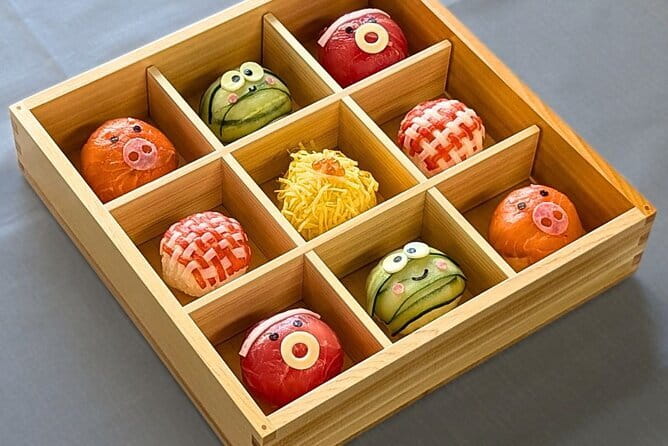
At $33.03 per person for roughly an hour, this isn’t bargain-bin pricing. But it also isn’t “fancy restaurant tax” either. You’re paying for a tight package:
- multiple tea tastings (not just one cup)
- a matcha making session with traditional tools
- wagashi pairing with a specific confectioner
- access to the ceremony room
- certificate and group photo
The value really comes from how much of the experience is hands-on. If this were only tasting, it might be easier to compare to a $10–$15 tea shop stop. But whisking matcha is the skill part, and skill is what lets you repeat the experience later.
The small-group cap (max 12) also plays into value. With more people, Q&A turns into a lecture. Here, the format is built for questions—so if you like to ask why things are done a certain way, you’ll get more out of the hour.

Expectations to Set: Tea Tasting Lesson vs. Full Traditional Performance
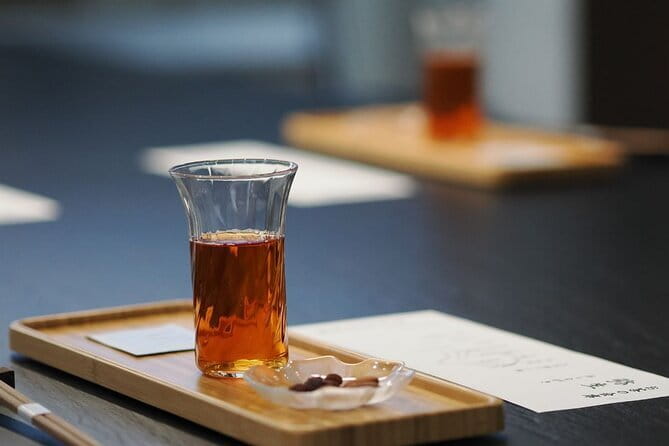
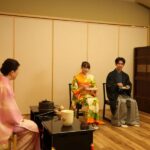
I’d set expectations like this: you’ll get authentic tea culture, with a tea master and traditional tools, but the format is shortened and practical.
A few common expectation mismatches happen with experiences like this:
- You may expect a long, ceremonial pacing with lots of ritual silence.
- You may expect a very specific kind of presentation.
Instead, you should expect a guided sequence focused on learning: tasting different teas, understanding what you’re drinking, then making matcha yourself. If you can go in with that mindset, the hour feels purposeful rather than rushed.
Language is another practical consideration. The experience is designed to guide you through the process, but not every session may flow perfectly in English depending on the instructor setup. If you’re relying heavily on conversation, it’s worth checking what language support is available at booking.
Finally, one more real-world tip: arrive on time. One past participant reported a missed start and a long wait at the building. That’s not the norm implied by the overall format, but it’s still a reason to show up a bit early and be ready to confirm your group.
Practical Tips Before You Go
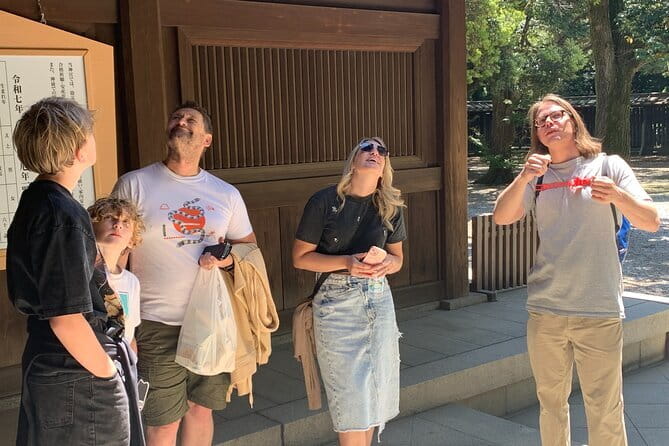
Here are the things that make this experience smoother, especially if it’s your first Tokyo tea class.
- Go ready to taste. Expect multiple cups. Don’t schedule a heavy meal right before.
- Ask one or two focused questions. In a max-12 group, you’ll get more from one good question than ten vague ones.
- Slow down during matcha. The matcha part is the skill section. Watch how the foam looks and pay attention to consistency.
- Bring curiosity, not expectations of a show. This is instruction plus tasting, not a theatrical performance.
If you’re pairing this with nearby sightseeing, you’re in a useful location: the ceremony room is described as across from Tokyo University. That puts the class within easy reach of a standard Tokyo day plan.
Who Should Book This Tea Master Class?
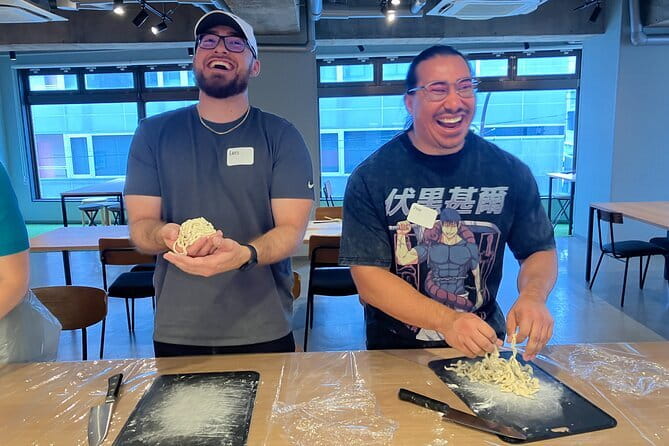
This works best for:
- first-timers in Japanese tea culture who want more than a generic tasting
- people who want to take a technique home (matcha whisking)
- anyone who likes structured experiences with Q&A in a small group
- families who want a calm, hands-on activity that doesn’t require long walking or climbing
It might be less ideal if:
- you want a full-length formal ceremony with extended ritual pacing
- you want constant, detailed conversation in English without any reliance on printed or screen-based guidance
- you’re very sensitive to tea flavors and roasted notes (matcha and genmaicha can be intense at first)
Should You Book This Tea Master Experience?
If you want an authentic-feeling Tokyo tea lesson that actually teaches you something you can repeat, I’d book it. The strongest reasons are simple: you make matcha, you taste multiple Japanese teas in a set sequence, and you leave with a completion certificate plus a group photo.
The only time I’d hesitate is if your dream is specifically a long formal ceremony performance or you need assured fluent English throughout with no screen-based materials. If that’s you, confirm details before you go.
If you book with the right expectations—short, hands-on, tea-focused—you’ll walk away with a stronger palate and a real skill, not just a nice photo.
FAQ
How long is the tea ceremony experience?
It runs for about 1 hour.
How many people are in the group?
The group size is capped at a maximum of 12 travelers.
Where do I meet for the tour?
You meet at OCHARU6-chōme-2-10 Hongō, Bunkyo City, Tokyo 113-0033, Japan.
What is included in the experience?
Included are welcome tea and cake, sencha tasting, a matcha making session, a genmaicha finale, the certificate of completion, and access to the tea ceremony room.
Do I get to make matcha myself?
Yes. You whisk your own matcha during the session with guidance from the tea master.
What teas will I taste during the class?
You’ll taste wakocha (black tea from Shizuoka) with cake, Gyokuro sencha, and a finale cup of genmaicha (sencha blended with roasted rice from Niigata).
Are wagashi sweets included?
Yes. You’ll have seasonal wagashi sweets made by Ougiya during the tasting.
Is transportation to and from the tea room included?
No. Travel to and from the Ocharu Tea Ceremony Room is not included.
Is it close to public transportation?
Yes, it is described as near public transportation.
Can I cancel for a full refund?
Yes. You can cancel for free up to 24 hours in advance for a full refund. If you cancel less than 24 hours before, you won’t be refunded.