REVIEW · KYOTO
The Art of Mindful Living: Tea Ceremony in Kyoto
Book on Viator →Operated by maiyuur culture retreat · Bookable on Viator
Kyoto tea turns your pace down fast. In this Kyoto tea ceremony in a traditional old residence, you get an organic Kyoto Uji matcha experience, plus Japanese sweets and a hands-on try at whisking. What I like most is the calm teaching style and the back-garden setting for photos; what to consider is the location is a bit out from the downtown core, so you’ll want to plan your ride timing.
The host, Naomi, guides you through the meaning of the tea ceremony and the practical steps of drinking matcha. It’s about more than tasting: you’ll learn how to drink it and how to make it, with chairs provided so you can focus on the ritual instead of awkward sitting. If you’re bringing kids, there’s cocoa offered instead of matcha.
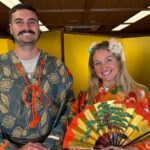
You can also add a kimono rental (optional), but note there’s no hair set or makeup included—just accessories. And if it’s rainy, you’ll need to think ahead about umbrellas for photos and for staying dry while wearing traditional clothing.
In This Review
- Key moments that make this Kyoto tea ceremony worth your hour
- A calm, Kyoto-style reset in an old residence
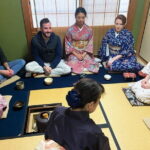
- Inside the tea room: what the first moments feel like
- Naomi’s matcha teaching: history plus the how-to
- The pairing: matcha plus sweets, with real dietary options
- Hands-on matcha making: where you actually learn
- Kimono and hakama in Kyoto: costs, limits, and what to expect
- Photo time and the umbrella rule on rainy days
- Group size and pacing: why this feels personal
- Price and value: what $44.42 buys you in Kyoto
- Who should book this Kyoto matcha ceremony
- Should you book The Art of Mindful Living: Tea Ceremony in Kyoto?
- FAQ
- Where is the meeting point in Kyoto?
- How long does the tea ceremony take?
- What is included in the price?
- Can I accommodate food allergies or vegan needs?
- What sweet options do I get with matcha?
- Is there a kimono option, and what does it cost?
- Do kids have a non-matcha option?
- How many people are in a session?
- Can I take photos, and what about rain?
- What happens if I need to cancel or if the weather is bad?
Key moments that make this Kyoto tea ceremony worth your hour
- Organic Uji matcha from Kyoto for a smoother, higher-quality cup
- A real tea-room experience in a Japanese old residence, not a showroom
- Sweets paired with matcha, with allergy and vegan options available
- Hands-on matcha making so you don’t just watch
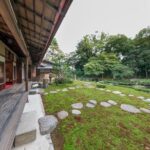
- Garden photo time before the ceremony for a beautiful Kyoto backdrop
- Private session extras (umbrella and imitation sword) for photos only
A calm, Kyoto-style reset in an old residence
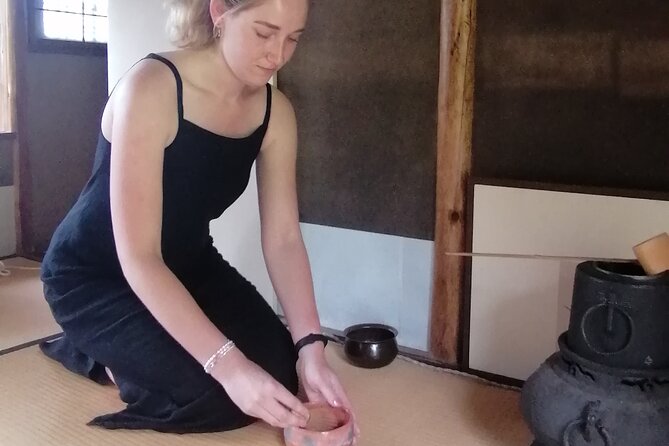
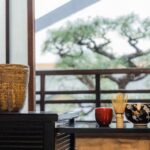
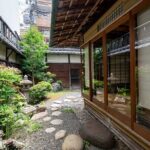
Kyoto can feel like motion on motion—temples, crowds, lines, and loud buses. This tea ceremony slows you down on purpose. The setting is a Japanese old residence with a dedicated room for the ceremony and access to a garden area that’s quiet enough to feel like you stepped away from the city for a moment.
I like that the experience doesn’t treat matcha as a gimmick. You’re shown what matters: the steps, the rhythm, and the simple discipline of doing everything on purpose. The result is that even if you’re new to matcha, it feels doable instead of intimidating.
The one practical drawback is distance. The meeting point is in Ukyo Ward (near the Kaze no Waon area), which is not the same as being near the busiest downtown walking routes. That doesn’t make it bad—just plan transit like you would for a temple day, not like you’re hopping across town.
You can also read our reviews of more tours and experiences in Kyoto.
Inside the tea room: what the first moments feel like
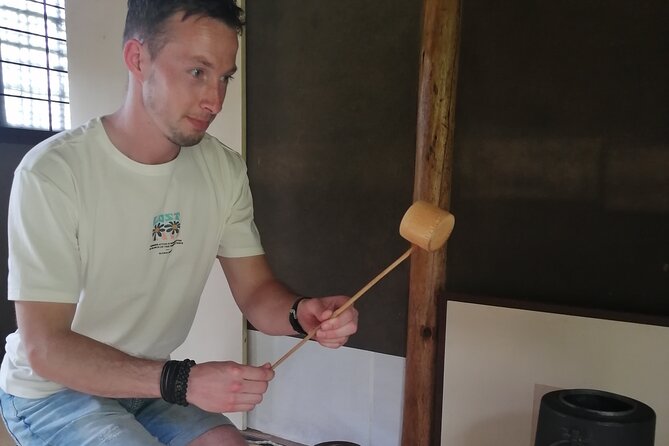
Your time starts at Kaze no Waon at 14 Utanokitanoinchō, Ukyo Ward. It’s a straightforward start point and it’s near public transportation, which helps if you’re moving by train and bus. You’ll also get a mobile ticket, so you’re not scrambling for paper.
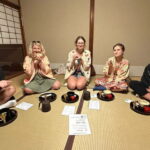
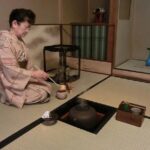
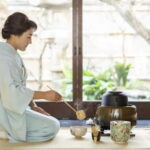
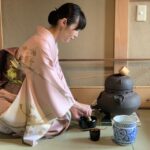
Once you arrive, there’s a nice flow to how you’re guided through the experience. Before the ceremony, you can enjoy photos in the garden area. Then you shift into the tea-room setting where the actual demonstration and instruction happen. Chairs are provided, which is a comfort win if you don’t want to spend your hour fighting for balance.
If you’re traveling with a stroller, you can enter the premises, but you can’t bring it inside the building. That matters if your group includes small kids who usually need the “push and go” setup. You might want to bring a compact plan for moving inside.
Naomi’s matcha teaching: history plus the how-to
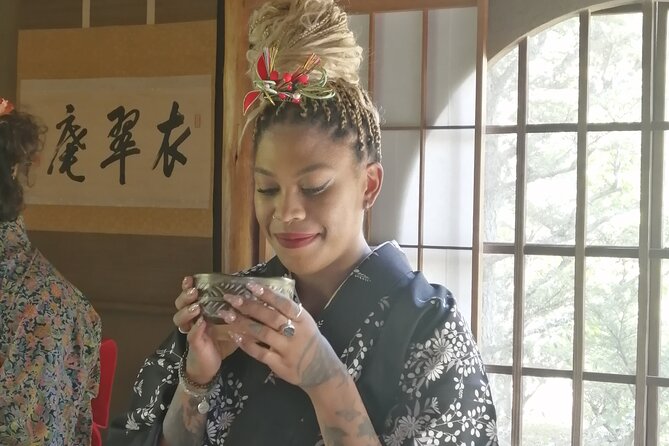
This experience is built around a structured matcha lesson. You’ll get an explanation that covers the tea ceremony’s background and why matcha became such an important part of Japanese tea culture. You’ll also learn the effects people associate with matcha, which helps when you’re tasting beyond flavor alone.
Then it gets practical. You’ll cover:
- Types of matcha and Japanese tea (so you can make sense of what you’re offered)
- How to drink matcha properly
- What to pay attention to while whisking and tasting
What I like here is the balance between meaning and mechanics. You’re not just told a story; you’re taught what to do with the tea when it’s in front of you. And since you’ll try making matcha yourself, those instructions actually stick.
Naomi is the person running the session, and based on what I’ve seen reflected in people’s experiences, she keeps things soothing rather than rushed. For at least some sessions, she’s supported by family help (like her niece during busy periods), which makes the whole moment feel human and warm, not staged.
The pairing: matcha plus sweets, with real dietary options
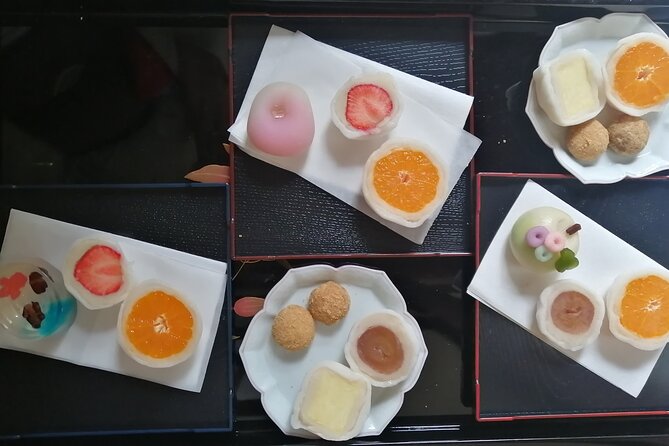
Matcha can be bitter if it’s not balanced, and that’s where the sweets matter. During the ceremony, you’ll enjoy matcha along with Japanese sweets in the tea-room atmosphere.
You can choose your sweet:
- Traditional bean paste-based cake, or
- Fresh fruit daifuku
One sweet is included in the price. If you want to try both styles, there’s an extra fee of ¥500 per person. I’d treat that as optional unless you love comparing flavors and textures. The core value is that one good sweet is already built into the experience, so you’re not paying extra just to complete the pairing.
Dietary needs are handled thoughtfully. Food allergy accommodation and vegan options are available. If you have allergies, plan to communicate them clearly ahead of time so you get a sweet that’s actually safe for you.
For kids, there’s an easy fix: cocoa is provided instead of matcha. That keeps the experience family-friendly without forcing every child to “power through” green tea.
Hands-on matcha making: where you actually learn
Watching a tea ceremony is nice. Making the matcha yourself is the part that turns knowledge into memory.
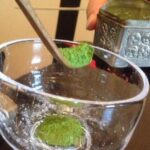
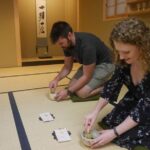
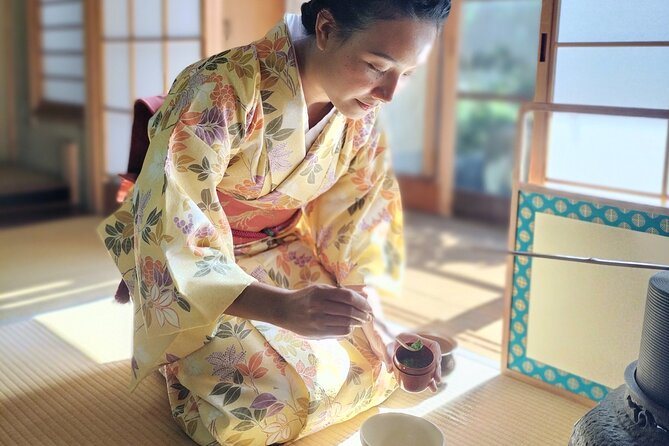
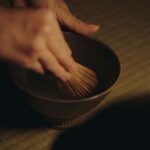
In the hands-on portion, you’ll get to try whisking and preparing your own matcha. You’ll follow the steps Naomi teaches so your final cup matches the expected texture and flavor balance. This is where the earlier instructions on how to drink matcha pay off, because you can taste your result right away with fresh context.
A simple but important detail: since you’ll have chairs provided, your body stays calmer. That makes it easier to focus on technique—especially if you’re holding the whisk and managing the motion.
If you’re the type who learns by doing (most of us), this is the strongest reason to pick this class over a quick photo stop. You leave with a practical ability, not just a nice story.
Kimono and hakama in Kyoto: costs, limits, and what to expect
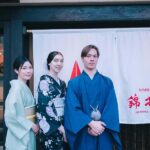
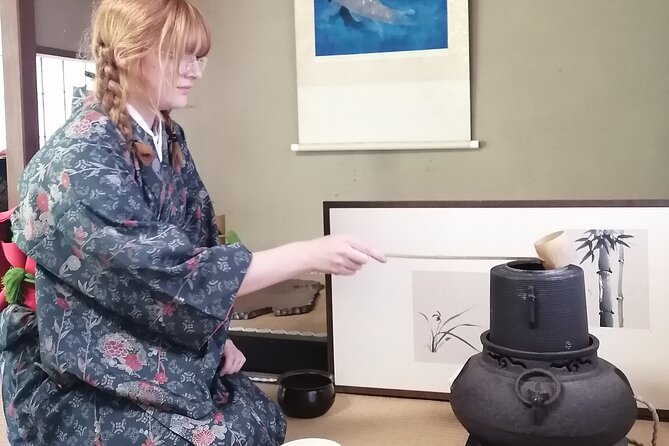
Optional costume adds a lot to the mood, especially for a Kyoto tea experience. You can rent a kimono during the ceremony:
- Kimono rental: ¥4000
- Hakama option: ¥8000
- Baby romper-type kimono rental: ¥600
- Undershirt rental: ¥200
Important practical note: there’s no hair set and no makeup included. The team prepares hair accessories for kimono wearers to use freely. So if you want hair styled in a specific way, plan to do it yourself beforehand or bring your own supplies.
Also, kimono timing can affect your whole hour. Putting on traditional clothing can take time, so if you’re trying to catch other reservations afterward, build in buffer.
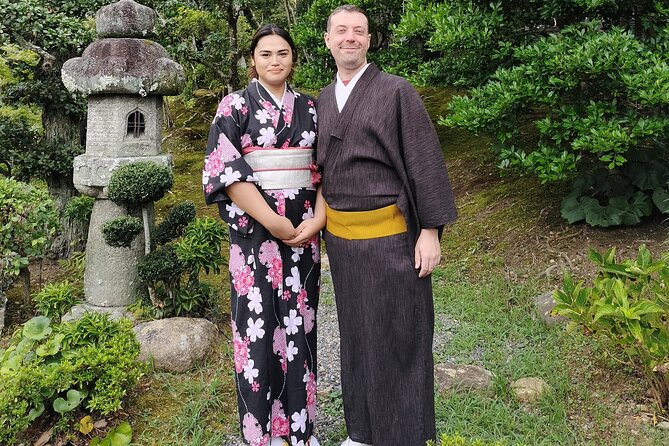
The upshot: if you want those Kyoto photos with an authentic old-residence backdrop, the cost can feel reasonable because it’s not just a costume for the street. You wear it in the tea-room setting and in the garden photo area.
Photo time and the umbrella rule on rainy days
Photography is part of the experience. You can take photos during the ceremony, and you can also take photos in the beautiful garden before the tea service begins. If you’re serious about pictures, this garden time is the moment to use.
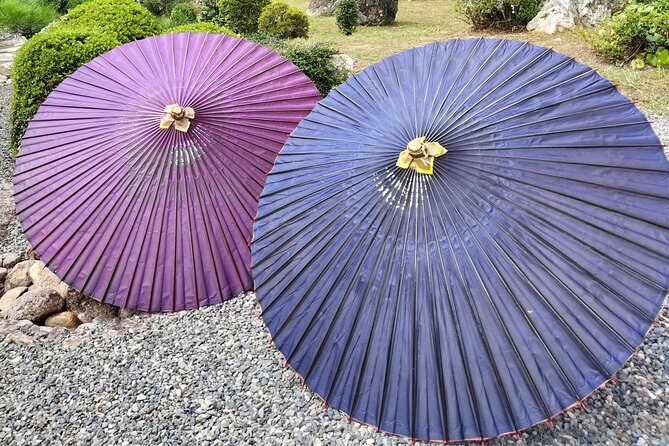
Rain creates the main photo constraint. If the weather is wet, you’ll be asked to hold an umbrella while taking photos. It’s not possible to take photos while wearing kimono without an umbrella and getting wet in the rain. That’s one of those rules that keeps the clothing safe and keeps everyone comfortable—just plan accordingly.
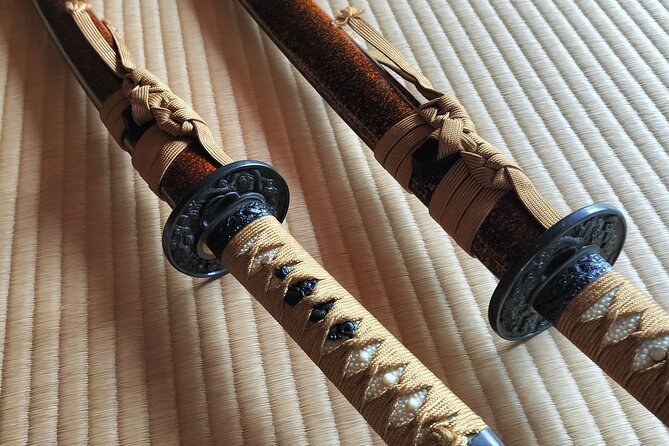
For private sessions, there’s an extra photo option: you can use a traditional umbrella and an imitation sword. The point is photos only, not a costume action scene. Still, it’s fun if you want playful Kyoto-style portraits.
Group size and pacing: why this feels personal
This isn’t a giant classroom setup. The group size is capped at 6 people, and the experience can also accommodate sessions with more than 6 participants when arranged. Practically, that means you’re more likely to get attention during the instruction, especially during the matcha making steps.
The ceremony runs about 1 hour. That’s long enough to learn and participate, but short enough that it works as a break in a busy Kyoto itinerary. If you’re doing a temple day with lots of walking, this can be a mental reset rather than another stamina test.
If you book it as a private session, you can contact in advance to arrange it. Private sessions also unlock the umbrella and imitation sword photo option mentioned above.
Price and value: what $44.42 buys you in Kyoto
At about $44.42 per person, this is not the cheapest thing you can do in Kyoto. It is also not just a ticket for a taste. You’re paying for:
- Organic Kyoto Uji matcha
- Japanese sweets (already included—choice included)
- Instruction covering history and practical matcha technique
- Hands-on matcha making
- A calm setting in an old residence with garden photo time
- Optional kimono rental if you choose to add it
When you put it that way, the value makes sense. Many “tea experiences” either stop at watching or they stop at tasting. Here, you get the full sequence: learn the rules, taste the result, and then make your own cup.
The kimono add-on is separate, and the price varies by outfit type. But if you want both culture and the Kyoto photo moment, the total package can still feel fair because you’re getting it inside a proper tea environment, not just on a sidewalk.
Who should book this Kyoto matcha ceremony
This is a strong fit if you:
- Want a calmer Kyoto break from crowds
- Like hands-on learning (not only watching)
- Care about matching matcha flavor to proper drinking technique
- Want an authentic atmosphere in a Japanese old residence
- Are interested in kimono photos, with a real cultural activity attached
It may be less ideal if you:
- Need something extremely close to central Kyoto walking routes
- Have very strict time windows right after your class (kimono changes timing)
- Expect a long, theatrical show rather than a guided lesson and ritual practice
The sweet spot is an hour that feels meaningful. You’ll likely leave not only with memories, but with a better idea of how to order or whisk matcha at home.
Should you book The Art of Mindful Living: Tea Ceremony in Kyoto?
Yes—if you want a genuine, hands-on Kyoto tea experience with a tranquil pace. The combo of organic Kyoto Uji matcha, a structured explanation, and making matcha yourself is what justifies the price. Add in the garden photo time and optional kimono, and you get both culture and atmosphere in one hour.
My final practical advice: plan your transit to the meeting point with care, and if you’re considering a private session or kimono, confirm the extras clearly before you arrive. That way, you spend your energy on the tea, not on logistics.
FAQ
Where is the meeting point in Kyoto?
You start at Kaze no Waon, 14 Utanokitanoinchō, Ukyo Ward, Kyoto, 616-8201, Japan, and the experience ends back at the same meeting point.
How long does the tea ceremony take?
The duration is about 1 hour.
What is included in the price?
Snacks are included. You also get matcha and Japanese sweets as part of the experience, with one sweet included in the price.
Can I accommodate food allergies or vegan needs?
Yes. The experience states that food allergy and vegan options are available.
What sweet options do I get with matcha?
You can choose one sweet: traditional bean paste cake or fresh fruit daifuku. If you want both, there is an additional fee of ¥500 per person.
Is there a kimono option, and what does it cost?
Yes. Kimono rental is ¥4000. Hakama is ¥8000. Baby romper-type kimono rental is ¥600, and an undershirt rental is ¥200. Hair set and make up are not included, but hair accessories are provided for kimono wearers.
Do kids have a non-matcha option?
Yes. Cocoa is provided for children instead of matcha.
How many people are in a session?
The maximum number is listed as 6 travelers, and it also notes they can accommodate sessions with more than 6 participants.
Can I take photos, and what about rain?
You can take photos during the tea ceremony. Before the ceremony, you can enjoy photos in the garden. In rain, you’ll need to take photos while holding an umbrella, and it isn’t possible to take photos while wearing kimono without an umbrella and getting wet.
What happens if I need to cancel or if the weather is bad?
You can cancel for free up to 24 hours in advance for a full refund. The experience requires good weather; if canceled due to poor weather, you’ll be offered a different date or a full refund.