REVIEW · KYOTO
Kyoto: Tea Ceremony Experience in a Small Tea Room
Book on GetYourGuide →Operated by Travel Japan Together · Bookable on GetYourGuide
Matcha feels different when someone teaches the steps. This Kyoto tea ceremony happens in a small room near the Kamogawa Delta, with an English-speaking teacher guiding you through the calm, practical “how” of tea tradition. It’s 1 hour, small-group, and designed so you don’t need to know anything first.
I love two parts most: the instruction from a 30-year tea master level teacher, and the chance to get your hands involved with matcha preparation. From the reviews, the patience is a big deal, especially if you’re nervous about doing it wrong. It stays welcoming, not showy.
One thing to consider: it’s only an hour. If you’re looking for a long tasting-style experience or a full multi-course meal, this format will feel short—still focused, but brief.
In This Review
- Key things to know before you go
- Kyoto Tea Ceremony Near Kamogawa Delta: Why this location matters
- Price and value: Is $38 for a 1-hour tea ceremony worth it?
- Finding the tea room: Tisato, a Japanese house, and what to look for
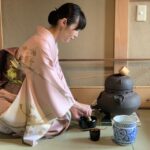
- Inside the ceremony: Matcha steps, mindful pacing, and expert patience
- The sweets: Why dried sweets belong with your tea
- How to fit this into your Kyoto day (Kamogawa Delta to Demachiyanagi)
- Who this Kyoto tea ceremony suits best
- The small-group format: why max 6 matters
- What to bring to feel comfortable
- Should you book this Kyoto tea ceremony with Travel Japan Together?
- FAQ
- How long is the Kyoto tea ceremony experience?
- Where is the meeting point?
- Do I need to know anything about tea ceremonies beforehand?
- Is the class taught in English?
- Is it a small group?
- Is matcha included?
- Are traditional sweets included?
- Can I make my own tea?
- What if my plans change?
- Final Thoughts: my quick call
Key things to know before you go
- English instruction makes the ritual easier to follow, even if you’re new to tea ceremonies
- Small group (max 6) keeps the atmosphere calm and lets you ask questions
- Hands-on matcha is the point, including an option to make your own cup
- Traditional dried sweets come with the tea, giving you the sweet finish that fits the ceremony
- Kamogawa Delta and Demachiyanagi are close enough to pair this with a riverside walk or nearby temple shrine time
Kyoto Tea Ceremony Near Kamogawa Delta: Why this location matters
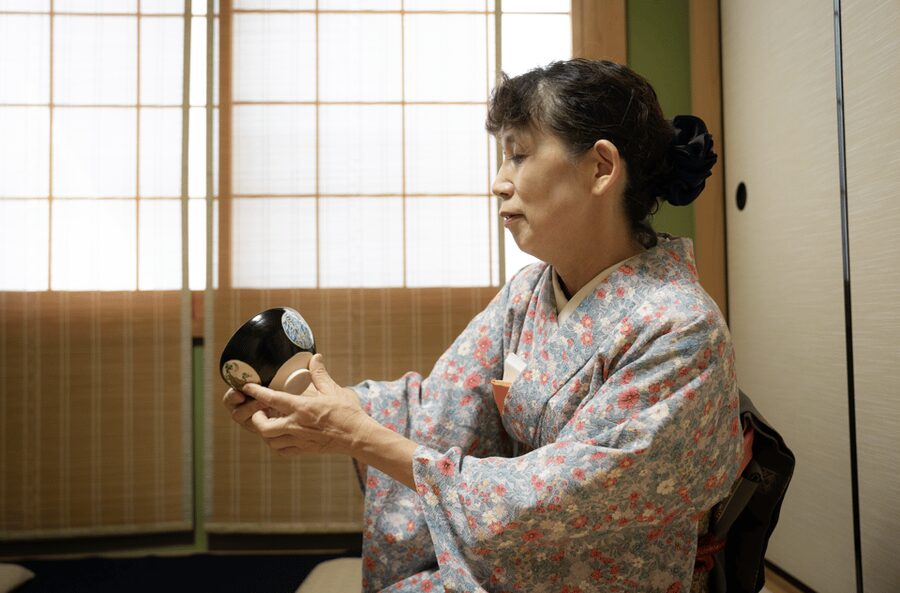
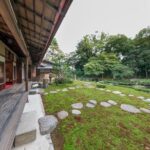
Kyoto has plenty of tea experiences. What makes this one feel good is the setting you’re stepping into before you even sit down. You’re about a 15-minute walk from the Kamogawa Delta, where the riverside scenery is peaceful and locals still use the area as part of daily life. Even if you keep expectations realistic, a short pre-ceremony walk there helps your brain shift out of sightseeing mode.
That location also helps your schedule. This tea room is about a 15-minute walk from Demachiyanagi Station, which is handy if you’re building a day around Kibune Shrine and Rurikou Temple afterward. In practical travel terms, you can treat this as a calm “bridge” between Kyoto sights.
This also helps with the vibe inside the ceremony. A lot of tea traditions work best when you’re not rushing. The short walk and the small space make it easier to show up ready to slow down.
You can also read our reviews of more tours and experiences in Kyoto.
Price and value: Is $38 for a 1-hour tea ceremony worth it?
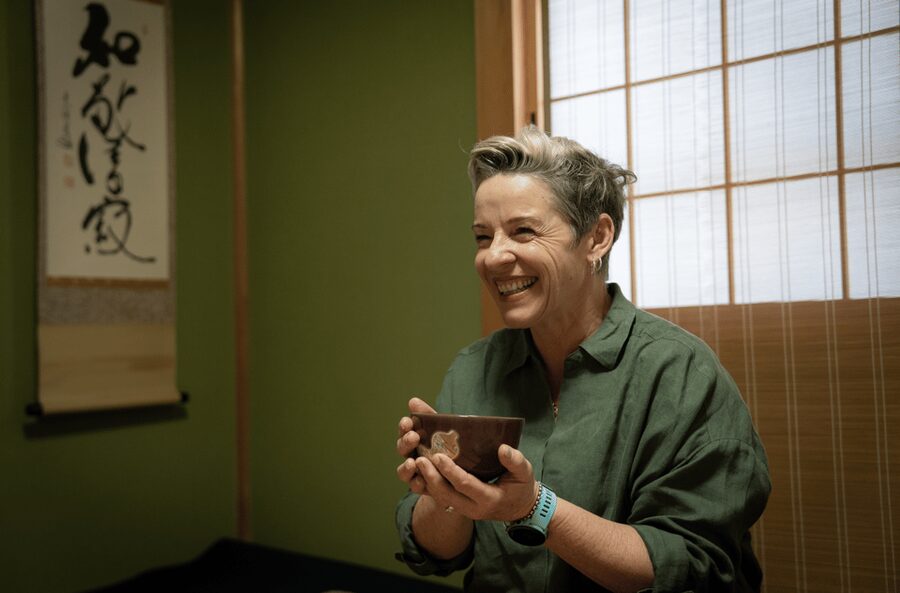
At $38 per person for 1 hour, the math is simple: you’re paying for expert guidance, a small group setting, and the included tea + sweets. This isn’t a self-guided “try it and go” activity. The teacher’s role is the product here—especially because the ceremony includes steps you practice, not just watch.
Here’s what you actually get included:
- Tea ceremony guidance
- Instructions from an experienced teacher
- Matcha tea
- Traditional dried sweets
For a destination like Kyoto, where a lot of activities are either overpriced or short on substance, that combination is usually the sweet spot. You’re not buying a souvenir. You’re buying a skill you can remember: the sequence, the mindfulness, and the idea that the ritual is built from small, repeatable actions.
Another value angle: you’re limited to 6 participants. That matters because it changes the whole experience from a crowd event into something quieter. You’ll likely spend more time actually doing the matcha steps, not just waiting for your turn.
Finding the tea room: Tisato, a Japanese house, and what to look for
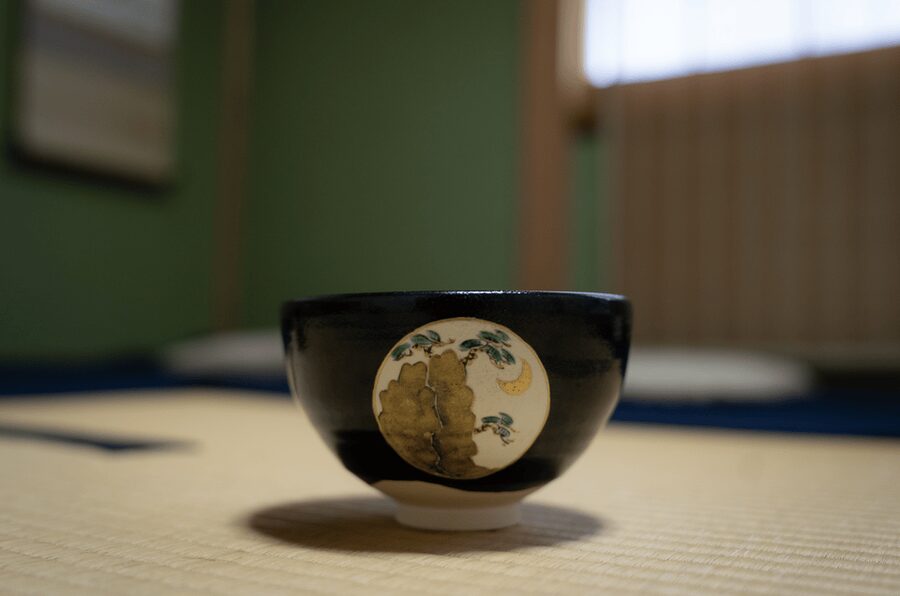
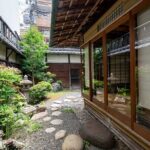
Good logistics make a cultural activity less stressful. Your meeting point is a Japanese house with a sign that says Tisato. That’s all you need to know, and it’s actually a relief—no complicated pickup, no mystery location hopping.
My practical tip: plan to arrive a few minutes early so you’re not rushing when you spot the building. In a tea ceremony setting, nerves are the enemy. You’ll enjoy it more if you’re settled before you start.
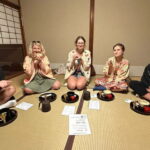
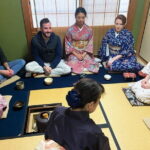
Once you enter, you’re stepping into a small-room ceremony atmosphere. The experience is designed to be accessible for beginners, so you don’t need to worry about speaking perfectly, knowing the etiquette, or reacting the right way. The teacher’s job is to guide you through the process clearly, in English.
Inside the ceremony: Matcha steps, mindful pacing, and expert patience
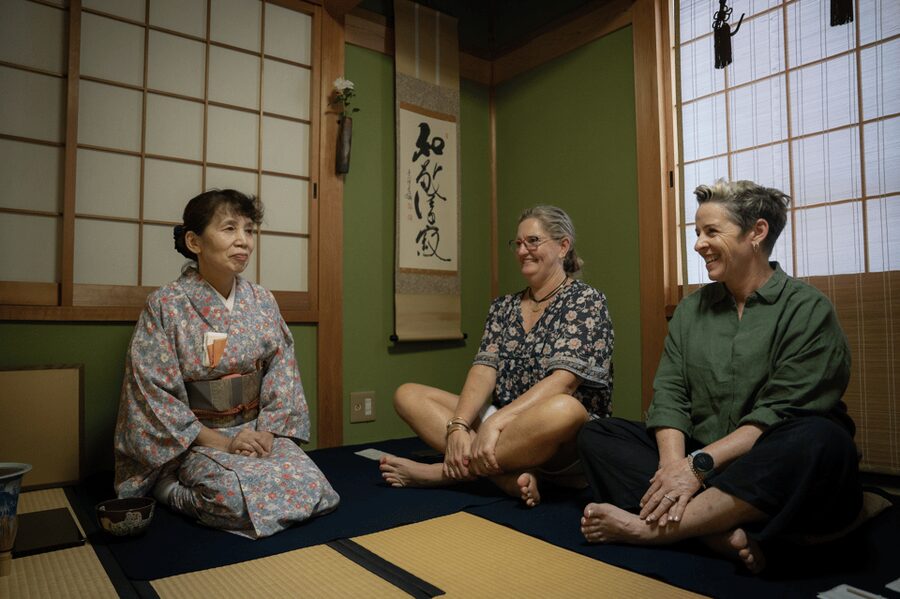
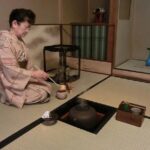
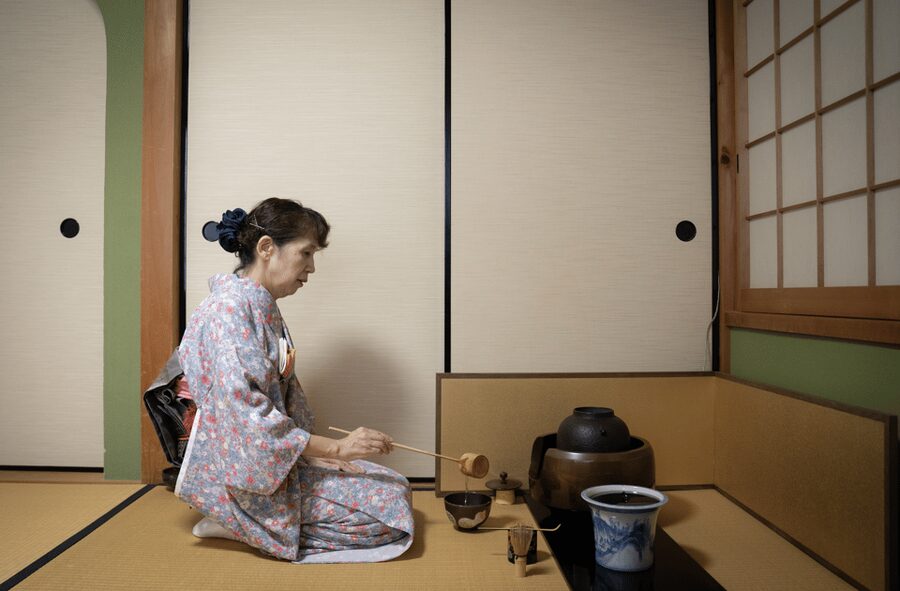
The core of this Kyoto tea ceremony is the way you learn the rhythm of it. The teacher brings about 30 years of expertise, and that shows up in how they explain the steps. The goal isn’t to overwhelm you with theory. It’s to help you understand what you’re doing and why the actions matter.
Here’s what you can expect during the 1-hour session:
- You follow the ceremony flow with instruction
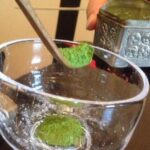
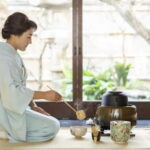
- You learn matcha preparation steps, including whisking the powdered tea
- You’re guided through the precise movements that reflect calm focus
- You taste the result with traditional dried sweets
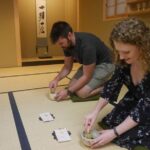
A big highlight is the hands-on option. You can make your own tea if you wish. That’s a genuine difference from many “watch and clap” experiences. Even if you only manage part of it, practicing the motions teaches you what the ceremony is trying to slow down: attention, timing, and the small physical sequence.
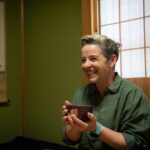
If your instructor is Ms Yamazaki (English reviews mention her specifically), there’s a clear theme in the feedback: she’s kind and patient. That matters because beginners often worry about messing up the whisking or doing something wrong with posture or movement. A patient instructor turns that stress into learning.
One more practical detail: because it’s a small group, you’re less likely to be rushed between steps. The pace is usually more human. You’ll feel like this was planned for real people, not just scheduled performances.
The sweets: Why dried sweets belong with your tea
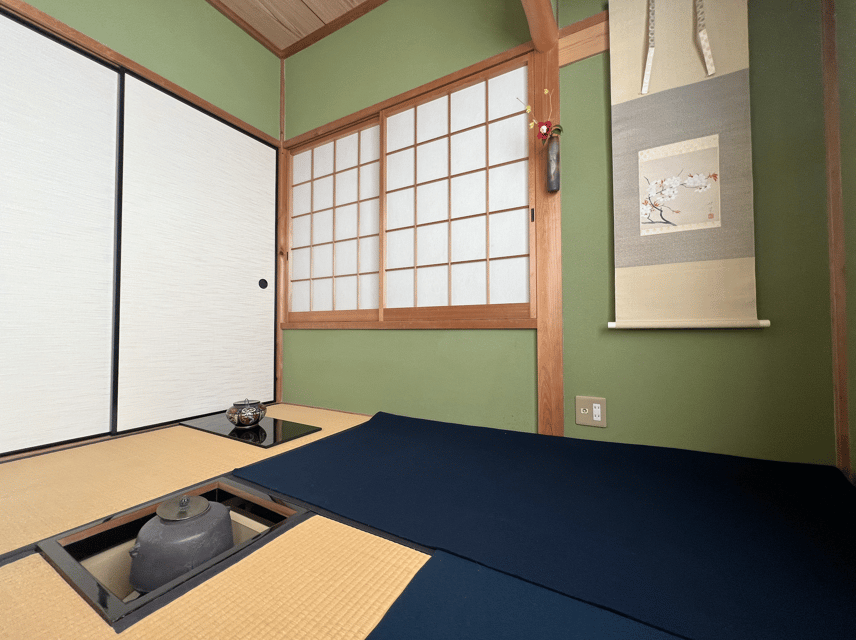
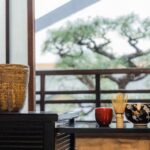
Many visitors think the tea is the whole show, but the sweets are part of the balance. The ceremony includes traditional dried sweets, served alongside your matcha experience.
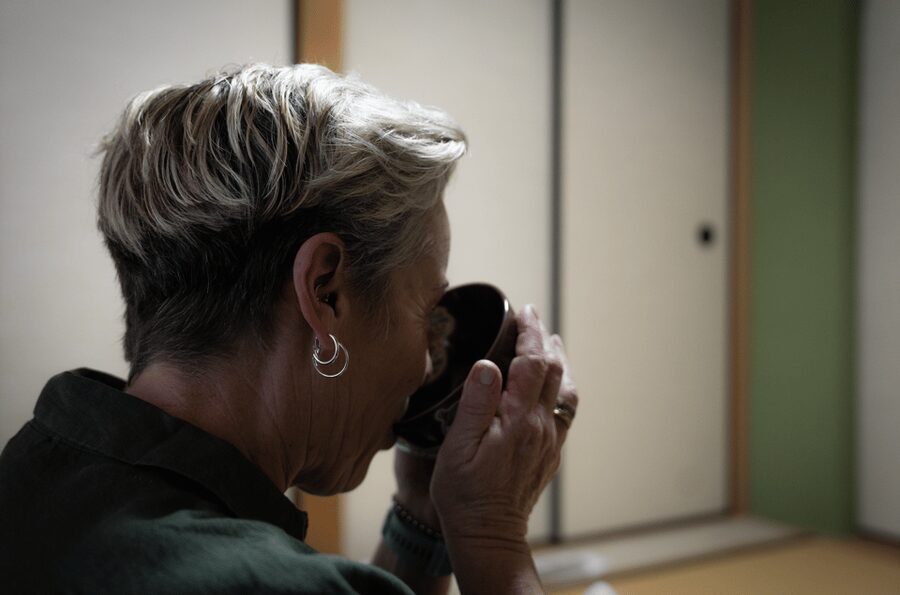
In practical terms, the sweetness gives your palate something to settle into. In cultural terms, it keeps the tea from being just a beverage tasting event. You experience matcha as part of a ritual sequence: drink, sweetness, breath, repetition of calm.
If you’re the kind of person who always needs a food highlight, you’ll likely appreciate the included sweets because they’re not an extra cost. You get a complete taste moment rather than only matcha.
How to fit this into your Kyoto day (Kamogawa Delta to Demachiyanagi)
This tea ceremony is easiest to plan when you treat it as the calm anchor of your day. Because it’s roughly a 15-minute walk from both the Kamogawa Delta and Demachiyanagi Station, you can build a smooth route without complicated transport.
A simple plan looks like this:
- Start with a slow walk near the Kamogawa Delta for atmosphere
- Head to the tea room at the Tisato meeting point
- Finish the session, then continue onward from Demachiyanagi to sights like Kibune Shrine and Rurikou Temple
Why this works: tea ceremonies reward you for being present. If you squeeze it between long transit hops and heavy crowds, you’ll feel it. But if you place it between calmer blocks—riverside walking and a temple shrine day—you get a better emotional spread. Kyoto already has plenty of intensity in its sightseeing. This helps balance it.
Who this Kyoto tea ceremony suits best
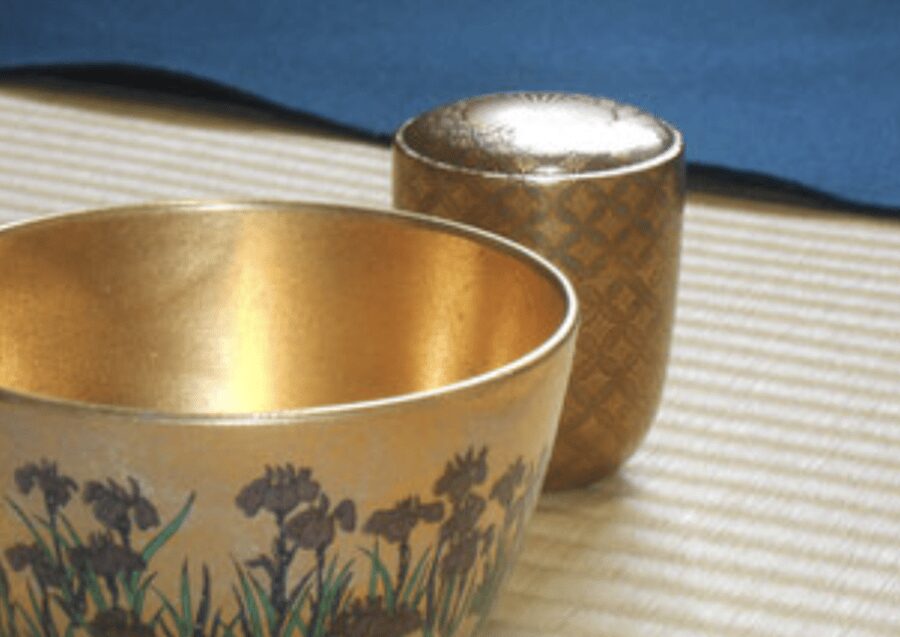
This is a great match if you want something authentic without needing background knowledge. The experience is described as welcoming for all levels, including complete beginners, and that’s important. You’ll still leave understanding the basics: matcha preparation, the structure of the ceremony, and the point of the movements.
You’ll especially like this if:
- you want a calm, guided cultural activity in English
- you enjoy hands-on learning more than watching
- you like small-group experiences where you can ask questions
- you’re pairing it with a slower walk around Kamogawa Delta or a shrine/temple plan from Demachiyanagi
It might not be ideal if you’re chasing a longer food-focused tasting or a heavy history lecture. The session is designed to be approachable and practical. That can feel perfect for some people and too short for others.
The small-group format: why max 6 matters
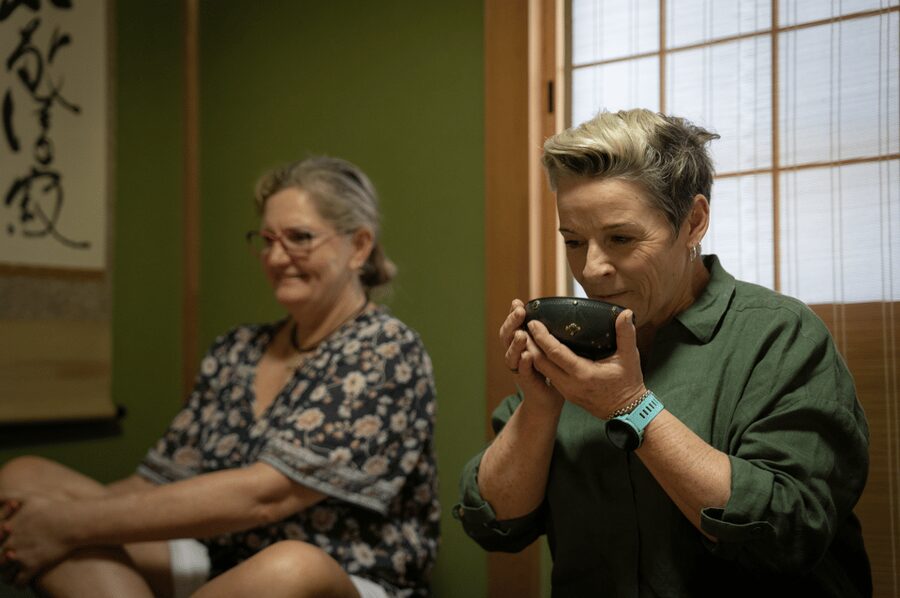
A small group limited to 6 participants isn’t just a number. It changes how the teacher can respond to you. It makes it easier to guide individual matcha preparation steps and to correct small things early, without making anyone feel singled out.
In tea ceremony culture, subtle actions matter. Small-group time gives those details room. It also keeps the room quieter, which is part of the experience. If you’ve ever done a class where you can’t hear the instructions because of group noise, you know how fast that kills the mood. Here, the scale helps preserve the tone.
What to bring to feel comfortable
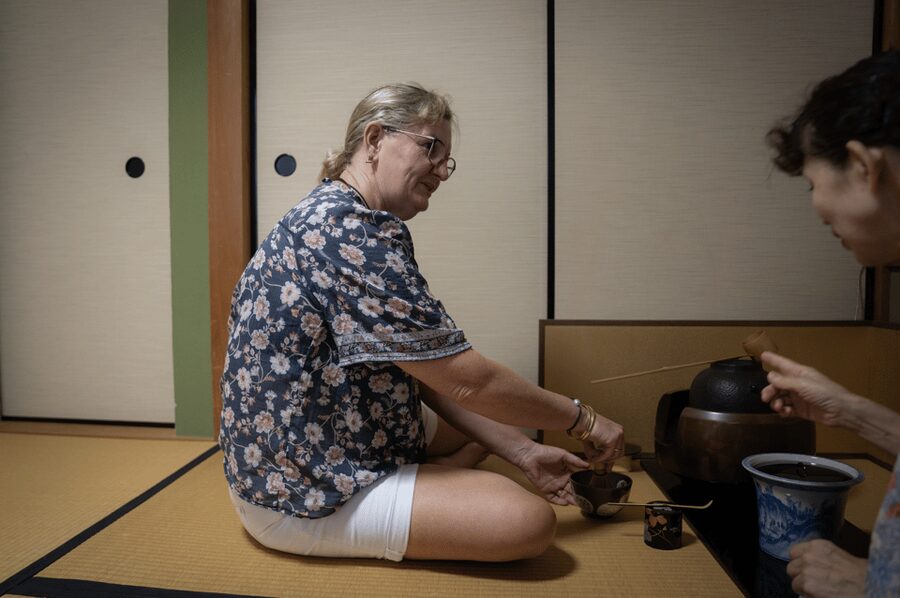
You don’t need special prep for a tea ceremony like this, but you do want to show up feeling ready to participate. Wear clothing that lets you move comfortably during the matcha practice. If you’re sensitive to strong smells, consider bringing a small scent-free wipe for your hands after the session, just for personal comfort.
Also, treat it like a sit-down learning moment, not a photo mission. If your phone is your main focus, you’ll miss the best part: the pace and the process.
Should you book this Kyoto tea ceremony with Travel Japan Together?
Book it if you want a genuine, guided Kyoto tea ceremony with real participation. For the price, you’re getting expert instruction (30 years experience), a small-group setting (max 6), included matcha, and included traditional dried sweets. Most importantly, you can make your own tea if you want, which turns the experience from entertainment into something you’ll remember.
Skip it only if you need a longer event or you’re specifically hunting for a big multi-course culinary experience. This is about focused learning and calm ritual, done in about an hour.
If that sounds like your kind of Kyoto day, this one is a smart, low-stress choice.
FAQ
How long is the Kyoto tea ceremony experience?
The experience lasts 1 hour.
Where is the meeting point?
Meet at a Japanese house with a sign that says Tisato.
Do I need to know anything about tea ceremonies beforehand?
No. The session is designed to be accessible and welcoming for beginners.
Is the class taught in English?
Yes, the instructor teaches in English.
Is it a small group?
Yes. The group is limited to 6 participants.
Is matcha included?
Yes. Matcha tea is included, and you’ll be guided through matcha preparation.
Are traditional sweets included?
Yes. Traditional dried sweets are included.
Can I make my own tea?
You can make your own tea if you wish, with guidance from the instructor.
What if my plans change?
You can cancel up to 24 hours in advance for a full refund, and you can reserve now and pay later.
Final Thoughts: my quick call
If you want a calm Kyoto experience that’s hands-on, small-group, and taught in English, this is worth booking. The combination of matcha practice, included sweets, and an expert teacher who works patiently with beginners makes it a strong value for an hour in Kyoto.