REVIEW · PIGADIA KARPATHOS
Pigadia: Agia Kyriaki Guided Hike with Coffee/Tea and Raki
Book on GetYourGuide →Operated by Art and Walk Karpathos · Bookable on GetYourGuide
One climb, big payoff: Agia Kyriaki’s viewpoint. This guided hike from Pigadia takes you through olive fields and pine-smelling paths to the Agia Kyriaki chapel area, with a stop to enjoy coffee or tea and end with a shot of raki. You’ll also get help spotting the little details—like an ancient temple and old Greek stables—so the walk feels more than just walking.
I love the combo of panoramic views and a calm-but-engaging guide who explains what you’re passing. The possible drawback is that the route is average to challenging, with some up-and-down sections, so bring proper footwear and don’t expect a flat stroll.
In This Review
- Quick hits: what makes this hike special
- Where the hike starts: Pigadia’s Alpha Bank meeting point
- The climb toward Agia Kyriaki: barns, olive fields, and Aegean views
- Spot the ancient temple and old stables (with a guide who explains)
- The summit break at Agia Kyriaki chapel: shade, photos, and raki
- Heading back to Pigadia: pine forests and easing views
- Pace and terrain: what average-to-challenging really means
- What’s included (and how it changes your day)
- Price and value: is $54 fair for 3 hours?
- What to bring so the hike stays fun
- Who this hike is perfect for
- Booking smart: when it’s worth choosing this day
- Should you book the Pigadia Agia Kyriaki guided hike?
- FAQ
- How long is the Pigadia Agia Kyriaki guided hike?
- Where do I meet the guide in Pigadia?
- What language is the guide?
- What is included in the price?
- Is food included?
- What kind of terrain should I expect?
- What should I bring for the hike?
- Is this tour wheelchair accessible?
Quick hits: what makes this hike special
- Agia Kyriaki chapel viewpoint: you gain height for coastal and village views
- Pine forest on the way down: a different feel than the olive-and-field section
- Small cultural stops: an ancient temple and old Greek stables along the route
- Coffee or tea during the hike: a real break, not just a photo stop
- Raki shot included: a playful finish that fits the setting
- English-speaking local guidance: helps you connect agriculture and place names to what you see
Where the hike starts: Pigadia’s Alpha Bank meeting point
The tour meets at Alpha Bank near the water source and next to two gyros places in Pigadia. That matters because Pigadia can feel like a maze of streets and lanes—having a landmark makes the start stress-free.
Once you find the meeting point, you’ll follow your guide along the edge of town until you reach the path that leads toward the Agia Kyriaki chapel. The guide wears an Art and Walk Karpathos shirt or tank top and carries trekking poles, so you won’t have to guess who’s with the group.
I like that the start point is simple and central. You’re not relying on a complicated transfer or a bus schedule. You’re just starting the walk.
The climb toward Agia Kyriaki: barns, olive fields, and Aegean views
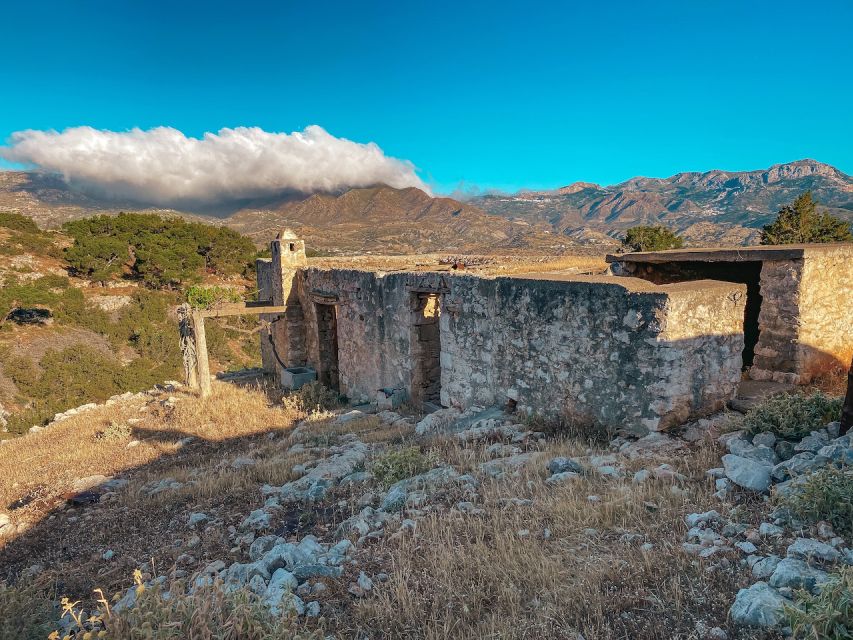
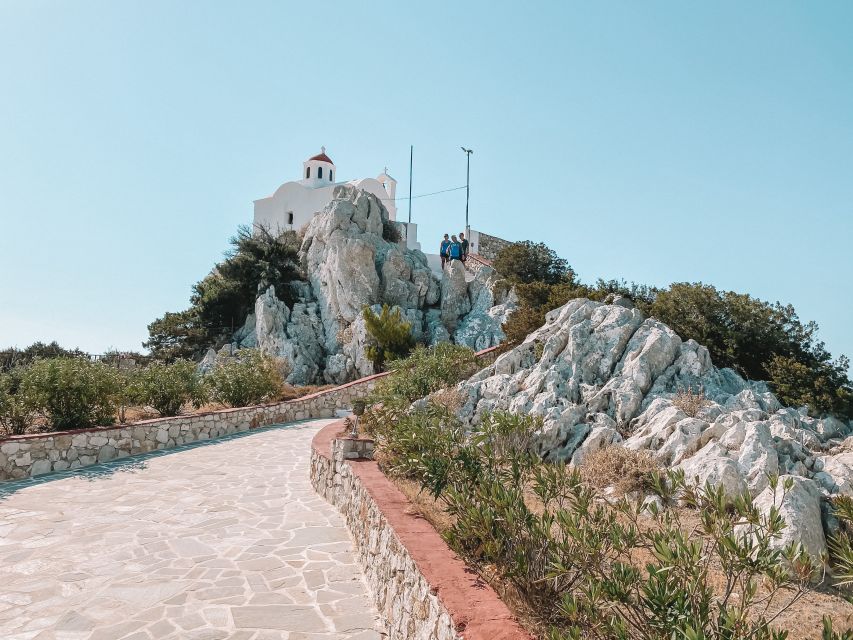
The first stretch is roughly 1.5 hours of hiking up toward the chapel. Expect a calm pace, but don’t let that fool you: the route has a real “climb and then adjust” feel, with some up-and-down bits of path.
As you gain altitude, you’ll pass:
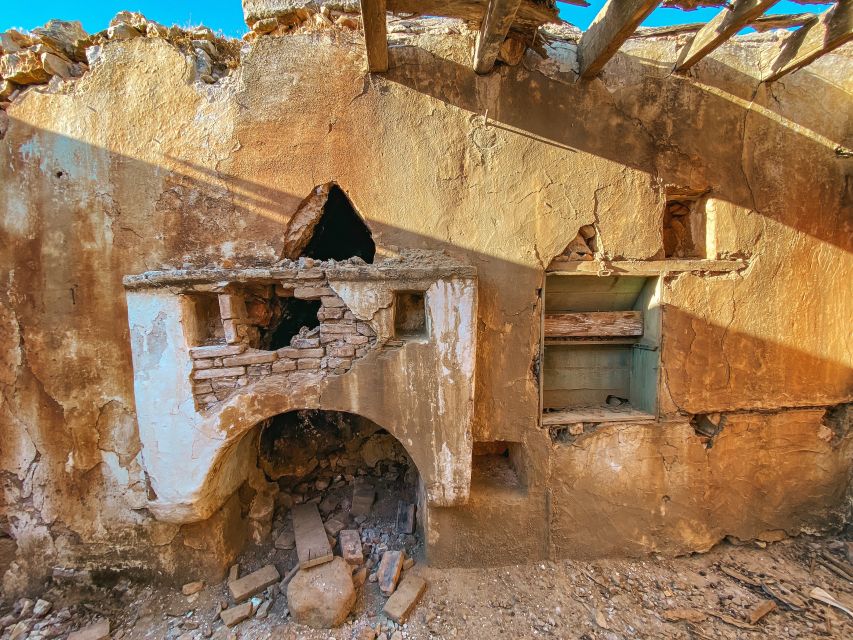
- old barns and rural structures
- olive areas and agricultural paths
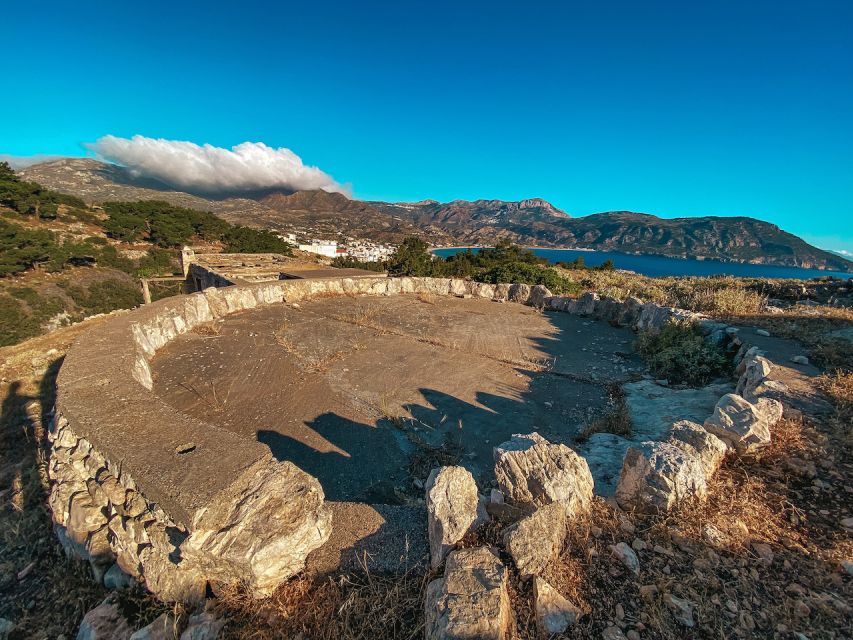
- viewpoints that let you look out over the Aegean Sea and southern villages
This is where the hike becomes more than scenery. From your higher vantage point, the area reads like a patchwork: coastlines, villages spread out below, and the working land all around. If you enjoy walking routes that make you look up and then look down again, this one delivers.
And yes, you’ll likely pause for photos. The guide stops frequently for that, so don’t schedule anything too tight right after your tour ends.
Spot the ancient temple and old stables (with a guide who explains)
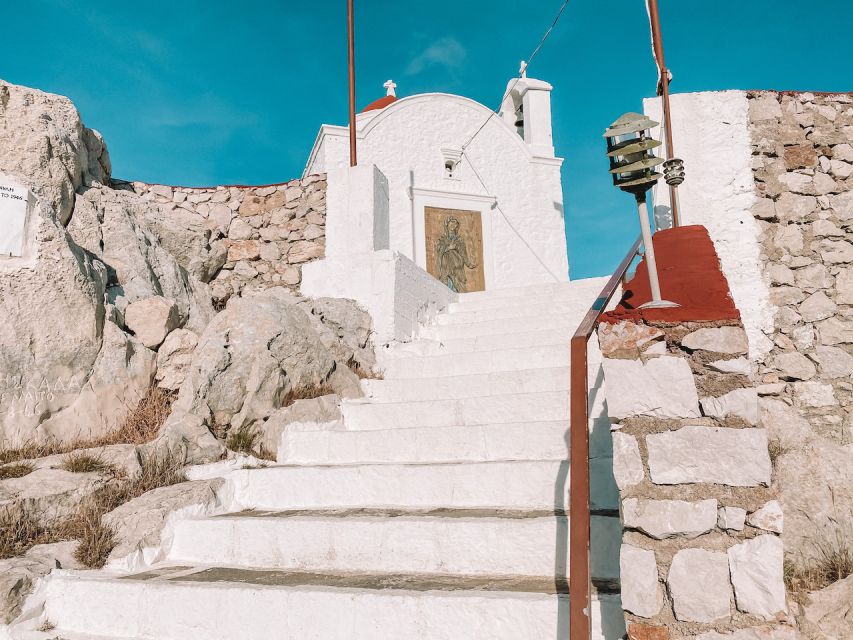
One reason this hike feels worth paying for is that it doesn’t treat “interesting stuff” as optional. You’re set up to spot:
- an ancient temple
- old Greek stables
You’ll also learn about the agricultural history of the Karpathos area, which helps the olive groves and rural paths make sense. Without that context, you might simply notice fields and stone buildings. With the guide’s explanations, you start to connect the dots: how land was used, and why certain areas mattered.
This is also a good tour if you like practical curiosity. You don’t need to be a history buff. You just need to be the kind of traveler who enjoys hearing why a place looks the way it does.
The summit break at Agia Kyriaki chapel: shade, photos, and raki
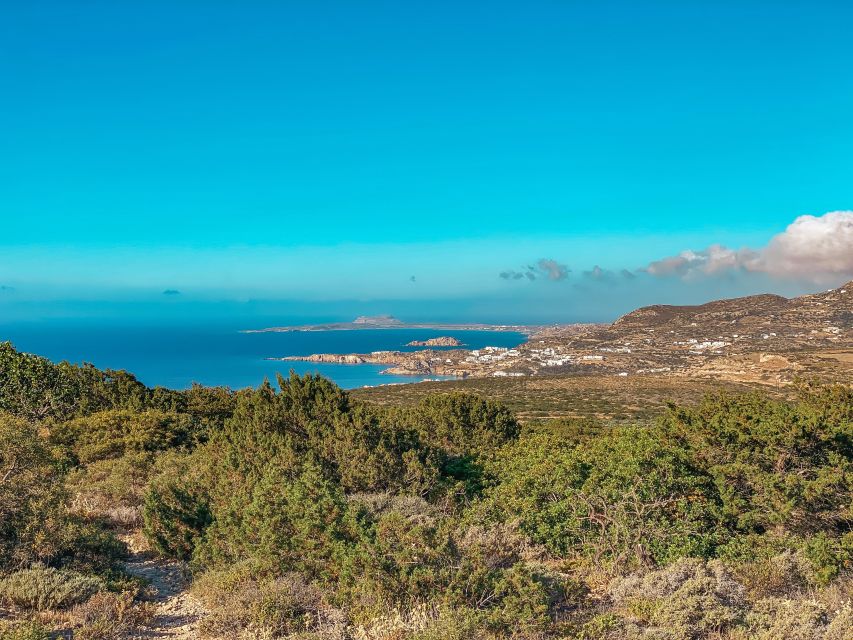
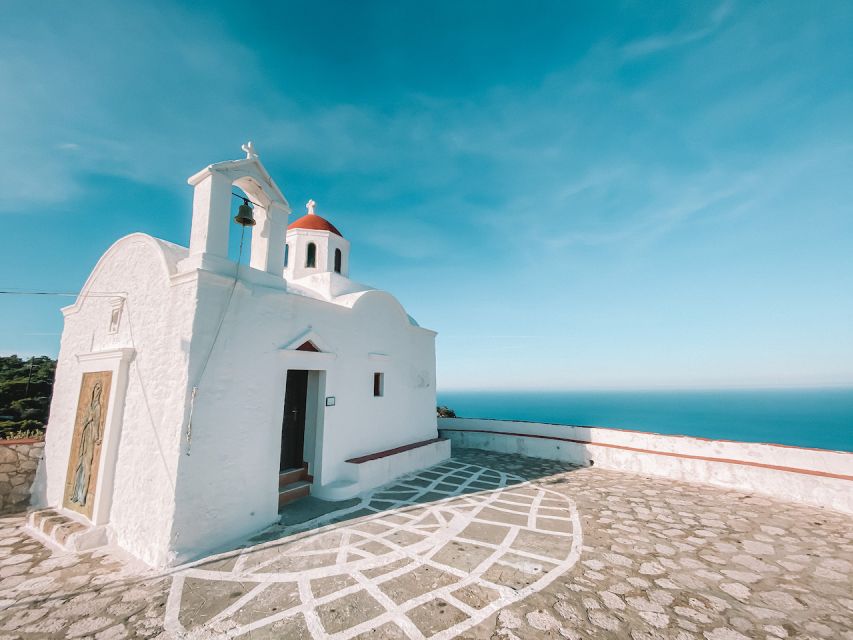
When you reach the top, you’ll spend about 30 minutes at the Agia Kiriaki Church area. This is the reward stop: a mix of visiting the chapel, a photo moment, and time to catch your breath.
You’ll also get your refreshments here—coffee and/or tea during the hike, plus a shot of raki as part of the included experience. That finish matters. In Greece, raki has a way of making a tour feel local, not staged. You’re not just buying a souvenir drink later; you’re tasting the area’s flavor at the place the hike built toward.
The guidance also keeps this section comfortable. Because it’s in the shade (at least during the break), it’s easier to recover from the uphill effort and reset before heading back down.
A small practical note: 30 minutes goes quickly if you’re snapping photos. If you want the best angles, plan to take your shots early in the break.
Heading back to Pigadia: pine forests and easing views
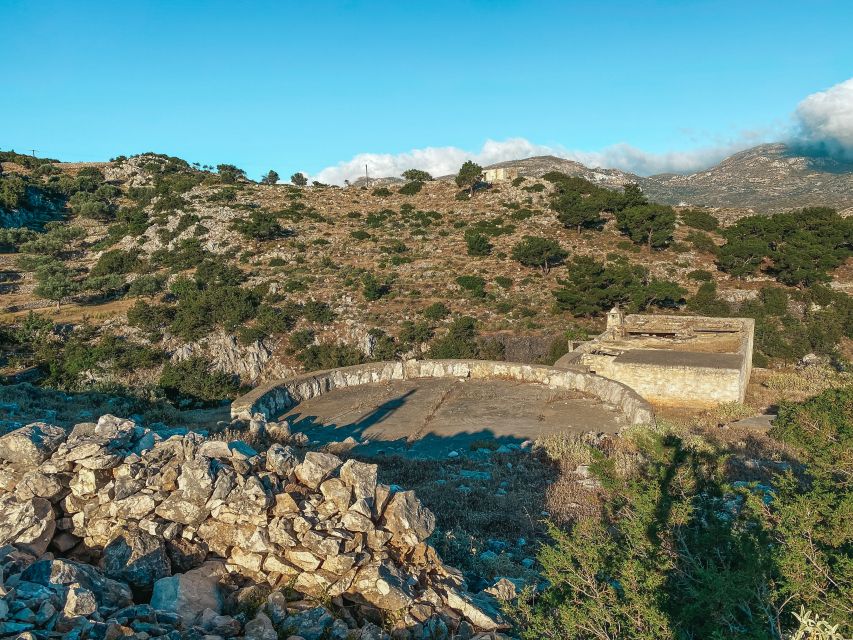
The return leg is again about 1.5 hours of hiking back down to Pigadia. This direction feels different in a good way.
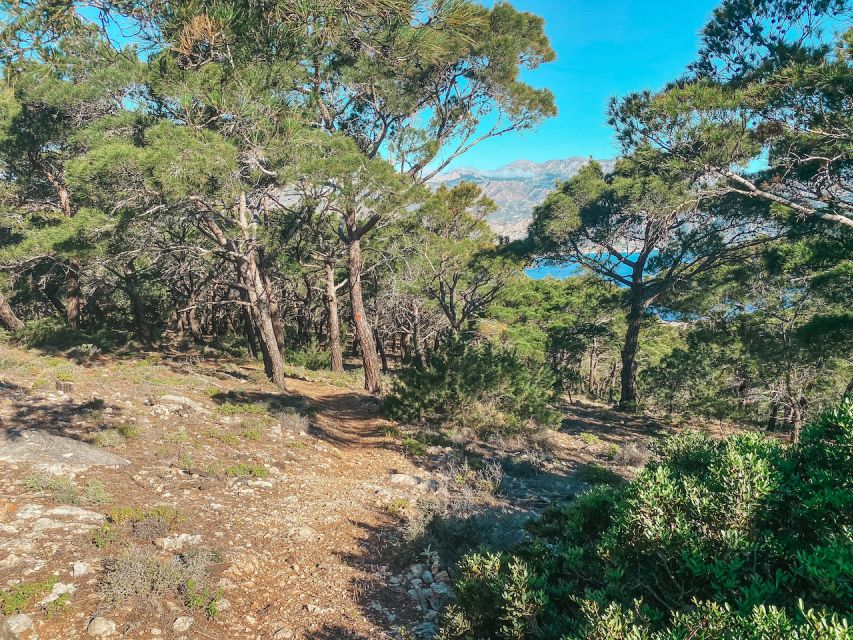
Instead of pushing for height, you’ll pass through pine forests with aromatic air. It’s the kind of sensory change that makes the second half feel fresh, even though you’re retracing some of the idea.
You’ll also get views of the east coast as Pigadia unfolds in front of you—kind of like seeing the “big picture” as the town becomes clearer and closer. If you’re the type who likes to walk with your eyes forward for the best light, aim to keep your pace steady; the views show up gradually rather than all at once.
Pace and terrain: what average-to-challenging really means
The tour is described as calm in pace but average to challenging because of the up-and-down path sections. That combination is common on island hikes: the guide doesn’t race, but you still work for it.
Here’s how I’d think about it for planning:
- You’ll want solid traction. Wear comfortable shoes, preferably hiking shoes if you have them.
- Bring a sun hat and sunglasses. Even on forested stretches, the exposed sections can catch you off guard.
- Bring water and at least some snacks. The refreshment is included, but it’s not a full meal.
Also, the guide stops often for photo opportunities. That’s a plus for most people, but it means your time on the path isn’t just one long continuous effort. It’s structured, and you’ll feel it more in your legs than in your endurance.
What’s included (and how it changes your day)
For $54 per person and a 3-hour total duration, the tour includes more than a basic “walk with a guide.”
Included:
- Guide
- Walking stick
- Coffee and/or tea
- Shot of raki
Not included:
- Food
That mix changes the value equation. A guided hike usually costs more than a self-guided route because of the guide’s time and local knowledge. Here, you also get gear support (walking stick) and refreshments that aren’t just water and a cookie.
The only obvious gap is food. Because food isn’t included, I recommend bringing snacks so you’re not trying to solve hunger after the hike.
Price and value: is $54 fair for 3 hours?
At $54, you’re paying for three things:
- Local guide time (including English interpretation)
- Access to “why this matters” details—ancient temple, old stables, agriculture story
- Included refreshments (coffee/tea) plus the raki shot
If you were to hike on your own, you could save money. But you’d likely lose the interpretive layer and some of the cultural spotting. This tour is built around that layered experience: views plus explanations plus a shared break.
I’d treat it as good value if you want:
- a guided route where you don’t have to figure out the best path details
- the chapel stop and a structured return
- a taste of local drinking culture without planning ahead
If you’re already an experienced hiker who knows the area well and prefers total independence, you might not need the guided component. But for most visitors to Karpathos—especially those who want a “set and go” experience—this price is in the zone of fair.
What to bring so the hike stays fun
The best way to enjoy this is to prep for sun and shoes. Here’s what you should bring:
- comfortable shoes (hiking shoes if you have them)
- sunglasses
- sun hat
- sunscreen
- water
- snacks
- (optional but smart) anything that helps with heat, like a lightweight layer if evenings cool quickly
You also get a walking stick, which is helpful on uneven ground. Still, your shoes are your real safety net, so don’t wear brand-new soles.
Who this hike is perfect for
This is a great match if you want:
- panoramic views without a full-day commitment
- a guided experience that includes cultural noticing (ancient temple and stables)
- a calm group outing with photo stops and shade breaks
- a local-style finish with raki
It’s less of a match if:
- you need wheelchair accessibility (the tour isn’t suitable for wheelchair users)
- you want an easy flat hike with no uphill effort
Booking smart: when it’s worth choosing this day
I’d book this hike if you have a morning or early afternoon slot where you can handle sun and moderate stairs-like effort. The tour’s length is short enough that it won’t hijack your whole day, but long enough to feel like you’ve really left Pigadia behind for a while.
If your plans are flexible, you may be able to keep room in your schedule with free cancellation up to 24 hours in advance and a reserve-and-pay-later option. That reduces risk if the weather or your energy levels shift.
Should you book the Pigadia Agia Kyriaki guided hike?
Yes, if you want a guided walk that mixes views, cultural details, and a friendly pace. The things that get the strongest praise are consistent: the scenery from above and the guide’s warmth and competence. Add in coffee/tea and a raki shot, and it feels like more than a basic hike.
Only skip it if you’re sensitive to uphill terrain or you need full accessibility. Otherwise, this is the kind of Karpathos experience that rewards a curious attitude: you walk, you learn what you’re seeing, and you end with a very local toast.
FAQ
How long is the Pigadia Agia Kyriaki guided hike?
The tour lasts about 3 hours total, including hiking time and a break at the chapel.
Where do I meet the guide in Pigadia?
Meet at Alpha Bank near the water source and two gyros places in Pigadia.
What language is the guide?
The hike is led by a live guide in English.
What is included in the price?
The price includes the guide, walking stick, coffee and/or tea, and a shot of raki.
Is food included?
No, food isn’t included. You should bring snacks if you need them.
What kind of terrain should I expect?
The pace is calm, but the difficulty is described as average to challenging, with some up-and-down sections.
What should I bring for the hike?
Bring comfortable shoes (hiking shoes if possible), sunglasses, a sun hat, sunscreen, water, and snacks.
Is this tour wheelchair accessible?
No, the tour is not suitable for wheelchair users.