REVIEW · KYOTO
Kyoto : Okada Tea Ceremony & Kimono
Book on Viator →Operated by OKADA Japan Culture Center · Bookable on Viator
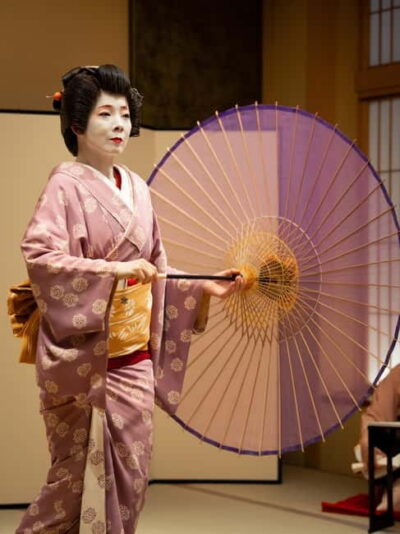
Kimono and matcha, in one easy stop. At OKADA Japan Culture Center in Kyoto’s Higashiyama Ward, you choose a kimono, get dressed with simple hairstyling, and then enjoy a guided tea ceremony with matcha and sweets. I like that the kimono process is detailed and hands-on, and I also like how the tea talk connects the ceremony to meaning and customs, guided by Okada’s calm attention.
One thing to consider: you’re on kimono time. After the tea ceremony, you’ll keep wearing it until 6:00 PM, so it works best if you can build your sightseeing around that outfit. With a small group (max 4 travelers) you’ll get more personal care, but you also won’t have much flexibility if your day is packed.
In This Review
- Key highlights at a glance
- Choosing Your Kimono in Higashiyama (and Wearing It Until 6:00 PM)
- The Tea Ceremony Lesson: Matcha, Sweets, and Customs With Meaning
- Where the Timing Works: No Extra Travel After Changing
- Taking Photos Without Stress (and Looking Better Than You Expect)
- Price and Value: Why $84.70 Can Be a Good Deal in Kyoto
- Who This Experience Suits Best (and Who Might Find It Too Much)
- Booking Tips and Practical Setup (So You Don’t Waste a Minute)
- Should You Book the Kyoto Okada Tea Ceremony & Kimono?
- FAQ
- How long does the Kyoto Okada Tea Ceremony & Kimono last?
- Where is the meeting point?
- What happens during the kimono portion?
- How long is the tea ceremony?
- What are you served during the tea ceremony?
- Can I wear the kimono after the ceremony?
- Is there free cancellation?
Key highlights at a glance
- Choose your kimono first: 1–1.5 hours for dressing and simple hairstyling before you even sit for tea.
- A full 1-hour tea ceremony: You’re taught tea culture, plus you get matcha and sweets.
- Right next to each other: The kimono shop is beside the tea ceremony venue, so you don’t need extra travel after changing.
- You wear it until 6:00 PM: Built-in time for a stroll in your kimono outfit.
- Small group feel: Maximum 4 travelers, which usually means less waiting and more attention.
- Host is photo-friendly: Okada took photos of people in kimonos during the session.
Choosing Your Kimono in Higashiyama (and Wearing It Until 6:00 PM)
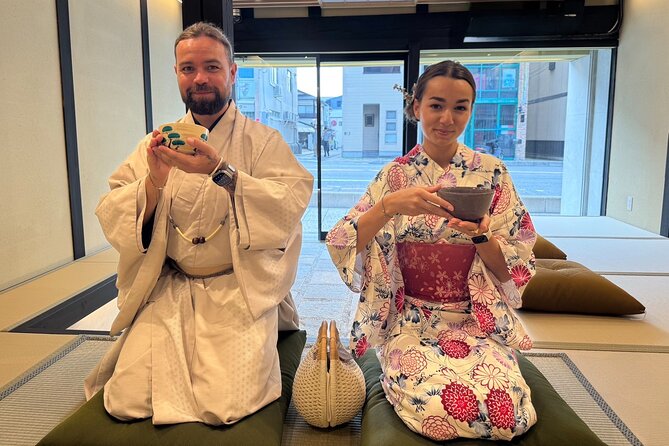
This experience is built around one very practical idea: make Kyoto tradition easy to actually do, not just look at. You start at the OKADA Japan Culture Center location in Higashiyama Ward (meeting point: 岡田-OKADA-102 Tatsumichō, Higashiyama Ward, Kyoto, 605-0855, Japan). Then you move straight through two core parts—kimono dressing and a tea ceremony—without a long gap between them.
The kimono portion takes about 1–1.5 hours. That time matters. Kimono donning in a tourist setting can sometimes feel rushed. Here, you’re given the kind of pacing where the garment work can be done properly, and you’re not just handed clothing and told good luck. You also get simple hairstyling, which makes a real difference in how finished everything looks, especially for photos and for the overall feel of the day.
The dress time is also where you can set your expectations. You’re not simply changing outfits—you’re stepping into the ceremony mindset. When you’ve spent time learning what you’re wearing and how to adjust for comfort, the tea portion feels less like a show and more like a lived cultural moment.
Then comes the part that turns this from a “one-hour activity” into a “Kyoto memory.” You keep the kimono until 6:00 PM. That means you’re not forced to change right after the tea ceremony and go back to normal clothing while your day still has energy. Instead, you can plan your sightseeing for later hours and enjoy the historic vibe of the area while you’re still in costume.
Practical tip: plan fewer “tight schedule” stops after your tea ceremony. Even if you’re comfortable in your kimono, you’ll move a bit slower than usual, mostly because your outfit affects how you walk, stand, and handle bags. Think of the afternoon as a kimono stroll window.
You can also read our reviews of more tours and experiences in Kyoto.
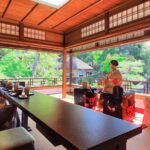
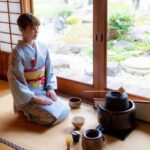
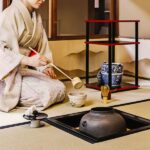
The Tea Ceremony Lesson: Matcha, Sweets, and Customs With Meaning
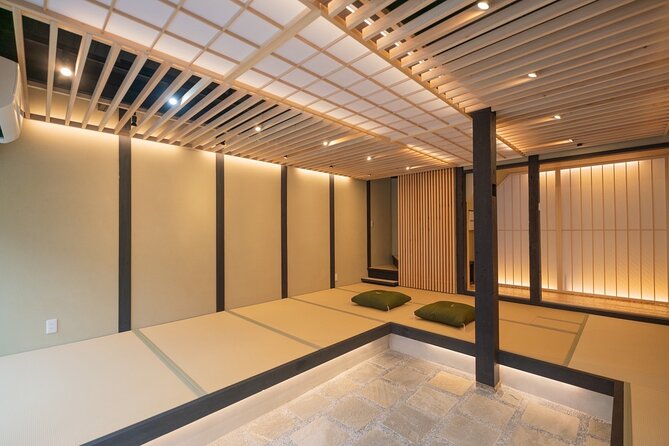
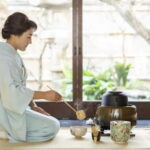
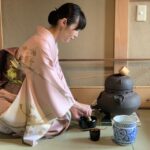
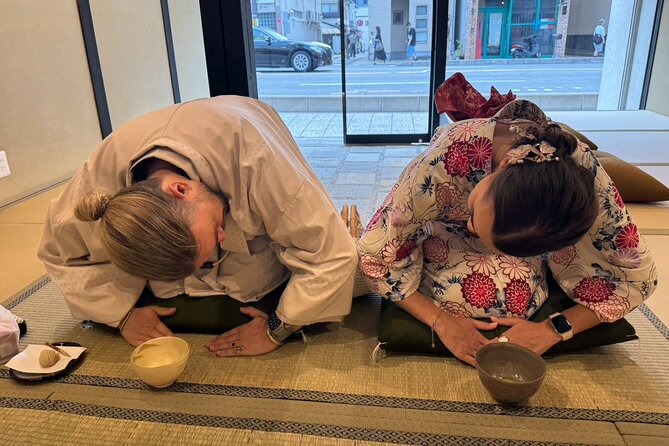
The tea ceremony runs for about 1 hour. In that time you’re not only drinking matcha—you’re learning why the ceremony is arranged the way it is and what people are meant to notice.
Here’s what you can expect based on what guests experienced: you’ll get an explanation of tea culture, and the host guides you through the customs with a focus on the meaning behind the ceremony. One guest specifically highlighted how the session went beyond the steps and into the history and reasons behind the practices. That’s the difference between watching something and understanding it.
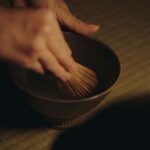
You’ll also be served matcha and sweets. That combination is classic for a reason: the sweets help balance the strong flavor of matcha and make the tasting feel connected to the full rhythm of the ceremony. It also gives you a more relaxed moment to slow down and take in what’s happening.
Okada’s style seems to be hands-on and patient. People described the guidance as attentive and thoughtful, with an emphasis on explaining culture in detail. If you learn better through conversation—rather than just being guided silently—this format should feel satisfying.
If you’re traveling with kids, this is one of the few cultural activities where that can work. One family shared that Okada and the tea house were willing to accept them with a 3-year-old, and the host was described as kind and patient. That doesn’t mean every child will stay perfectly still. But it does suggest the host understands families and can adapt the pace when needed.
A small group also helps the tea moment. With a maximum of 4 travelers, you’re less likely to feel like you’re part of a production line.
Where the Timing Works: No Extra Travel After Changing
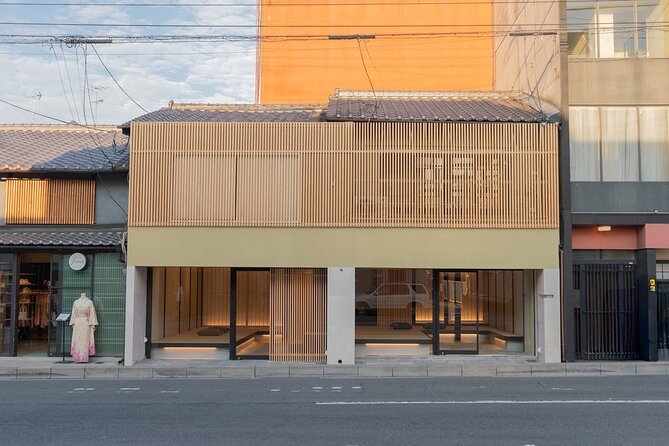
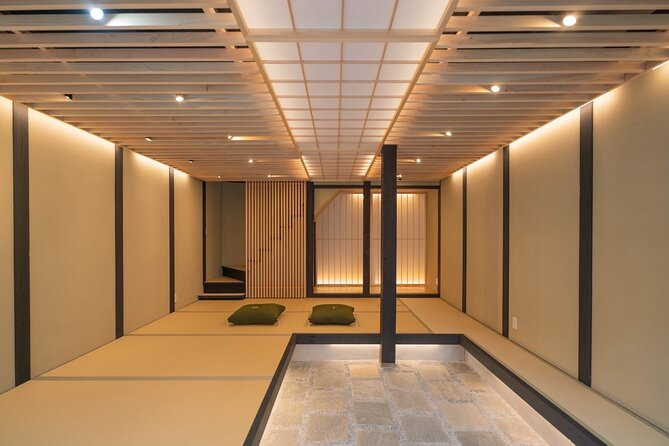
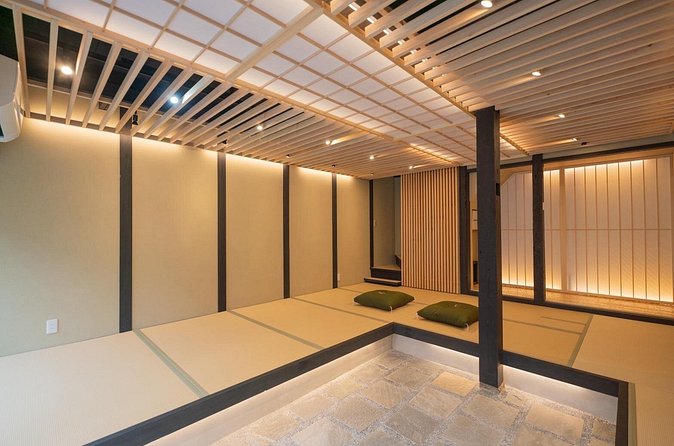
One of the smartest pieces of this experience is logistical. The kimono rental shop is located right next to the tea ceremony venue. Translation: after dressing, you don’t need to walk a long distance, find directions, or worry about timing while you’re already in full outfit.
It’s also easy to reach. The meeting area is described as being about a 30-second walk from the Kiyomizu-michi bus stop, and it’s near public transportation. That matters in Kyoto, where getting from one “must-see” to another can eat up your day.
The tour itself runs about 2 hours 30 minutes (approx.) overall. That’s a realistic block for a combined cultural activity. And because the kimono shop and ceremony spot are beside each other, most of that time goes into actually doing the experience, not transferring around town.
If you’re the type who likes your day organized—without a complicated itinerary—this is a good fit. You’ll have a clear start, a clear activity, and a clear end time for kimono wear.
Taking Photos Without Stress (and Looking Better Than You Expect)
Your kimono outfit is obviously photo-worthy. But what makes this experience feel good is that it’s not left to you to manage every detail.
One guest shared that Okada took photos of them in their kimonos. That kind of help can be a lifesaver. When you’re dressed in multiple layers, you often don’t want to be fiddling with a phone constantly, and you definitely don’t want to spend the best moments awkwardly trying to frame shots while you’re still learning how the kimono sits.
So, even if you bring your camera, you’ll probably appreciate that someone is guiding and making sure you get a few solid images. The whole session also tends to move at a calm pace, which means you’re less rushed to pose and more able to enjoy the moment.
If photography is important to you, the best strategy is simple: don’t treat it like a separate task. Treat it like part of the flow. You’ll get better photos when your hands aren’t full, and when you’re not stressing about timing between steps.
Price and Value: Why $84.70 Can Be a Good Deal in Kyoto
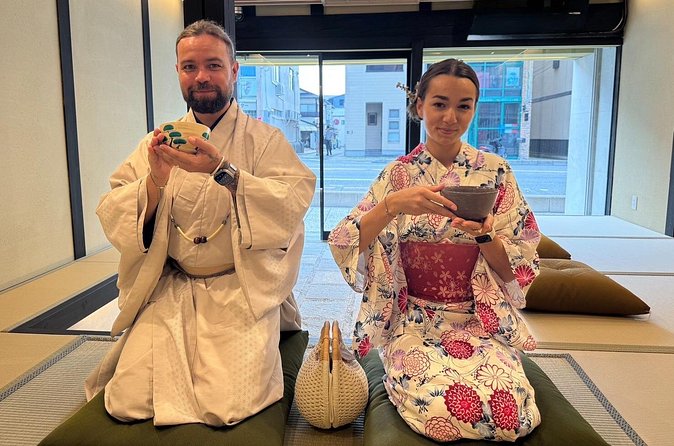
At $84.70 per person, this isn’t a “cheap and cheerful” add-on. You’re paying for two things at once: kimono dressing (including simple hairstyling) plus a guided tea ceremony experience with matcha and sweets.
Here’s why that can still be good value:
- You’re booking a complete package. You’re not paying separately for a rental and then separately for a ceremony. Your day gets simplified.
- The total time is meaningful. At around 2.5 hours, you get a full activity plus enough outfit time afterward to keep the experience going.
- The small group size supports the quality. Maximum 4 travelers means your questions and attention time aren’t diluted.
- You get extra day mileage. Wearing the kimono until 6:00 PM stretches the value beyond the tea room. You don’t have to stop enjoying the costume right after the ceremony.
Would you spend less if you just rented a kimono and wandered? Sure. But you might lose what you’re paying for here: the guided explanation of tea culture and customs, plus the “finished” feeling that comes from being dressed and then participating in the ceremony as intended.
Also, if you’re planning on multiple activities that require transit, bundling can save time and reduce hassle. In Kyoto, time is money in disguise.

Who This Experience Suits Best (and Who Might Find It Too Much)
This is a strong choice if you want a tradition-focused Kyoto experience without turning your day into a complex puzzle.
You’ll likely enjoy it most if:
- you want a hands-on cultural activity, not just watching from the sidelines
- you like being guided through steps and explanations
- you’re excited to wear a kimono and use it for real sightseeing time later
- you appreciate a smaller group setting
It might feel like too much if:
- your schedule is super tight and you can’t plan around keeping the kimono until 6:00 PM
- you hate sitting for an hour straight during the tea ceremony portion
- you prefer fully independent activities with no host-led guidance
One more note: because the ceremony and kimono process take time, you’ll have an easier day if you treat this as a centerpiece activity rather than a side quest.
Booking Tips and Practical Setup (So You Don’t Waste a Minute)
A mobile ticket is included, which makes entry simpler once you arrive. Confirmation is received at booking, so you can plan without last-minute guessing.
Because the maximum group size is 4 travelers, your timing matters. Arrive a bit early so you’re not stressed while getting ready. When kimono dressing is involved, calm beats rushing every time.
Also keep in mind that service animals are allowed, and the location is near public transportation. That’s a practical plus if you’re moving through Kyoto with a plan.
Finally, if your schedule is flexible enough to allow a change in plans, the experience offers free cancellation up to 24 hours in advance. That doesn’t mean you should plan on cancelling, but it does add comfort if Kyoto weather or timing throws you a curveball.
Should You Book the Kyoto Okada Tea Ceremony & Kimono?
If you want a Kyoto activity that mixes outfit, education, and afternoon atmosphere, I think this one is worth booking. The biggest wins are the combo itself—kimono dressing plus a guided tea ceremony—and the fact that you can extend the experience by wearing your kimono until 6:00 PM.
Book it if you value:
- a guided tea ceremony with matcha and sweets
- detailed kimono dressing and simple hairstyling
- a small group setup with attentive hosting
- an easy location that’s close to the Kiyomizu-michi bus stop
Skip or rethink it if you can’t realistically plan around kimono time, or if you’re looking for something more independent and less structured.
In short: this is a well-paced cultural experience designed to give you more than one photo moment. You leave understanding what you just did—and you still get to enjoy Kyoto while wearing it.
FAQ
How long does the Kyoto Okada Tea Ceremony & Kimono last?
It runs for about 2 hours 30 minutes (approx.).
Where is the meeting point?
The start is at 岡田-OKADA-102 Tatsumichō, Higashiyama Ward, Kyoto, 605-0855, Japan.
What happens during the kimono portion?
You choose your kimono and get dressed with simple hairstyling, which takes about 1–1.5 hours.
How long is the tea ceremony?
The tea ceremony lasts about 1 hour.
What are you served during the tea ceremony?
You enjoy matcha and sweets during the tea ceremony.
Can I wear the kimono after the ceremony?
Yes. You can keep the kimono until 6:00 PM to explore and stroll nearby.
Is there free cancellation?
Yes. You can cancel up to 24 hours in advance for a full refund.