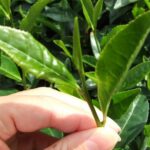
Tea fields that feel like another world.
This private Kyoto outing sends you beyond the big-name sights into Wazuka’s tea country, where you’ll see geometric green rows from village viewpoints and learn how that tea culture grew over centuries. I love the mix of calm tea tastings plus major spiritual Kyoto at Byodoin Phoenix Hall, and I also really appreciate the guide energy and patience for picture time and questions. One thing to factor in: the big temples have separate admission fees, and tea shopping or extra drinks can add up fast.
Time in the countryside is the point here, not just another temple-and-bus stop. You’ll ride in a comfortable vehicle with pinpoint pickup, then spend real time walking and photographing tea plantations and hillside views, not just passing by them. I also like that the tour isn’t only about matcha flavor; it explains the story around Japanese tea and how people like monks and samurai shaped it. The main drawback is simply that it’s a private schedule with a fixed sequence, so if you hate walking stairs or want maximum shopping time, you’ll want to plan your priorities.
In This Review
- Key highlights worth marking on your Kyoto map
- Kyoto’s hidden tea country: what this tour does differently
- Price and value: $250.38 for up to 6, and what you really get
- Getting picked up and rolling out: vans, convertibles, and comfy timing
- Stop 1: Byodoin Phoenix Hall and why it’s on the 10-yen coin
- Stop 2: Wazuka-cha Cafe and the matcha difference
- Stop 3: Ishitera tea plantation and those sky-high green rows
- Stop 4: Ujitawara-cho tea production area and the walk-in farm photo
- Stop 5: Shoju-in and the famous love-heart window view
- The guide factor: Daiki’s energy, history, and picture-time patience
- Tea shopping without the big-city markup
- Who this tour suits best (and who should think twice)
- Practical tips to make your day smoother
- Should you book this hidden tea-country day?
- FAQ
- How long is the Scenic Green Tea Fields of Hidden Kyoto & Local Tea Exp (Private) tour?
- What does the tour cost for my group?
- Is pickup included, and what vehicle will I ride in?
- Which admissions are not included?
- Are tea or coffee purchases included?
- Is this a private tour?
Key highlights worth marking on your Kyoto map
- Wazuka tea culture: taste tea that’s often talked about as purer and more authentic than even famous Uji styles
- Byodoin Phoenix Hall: a 10-yen coin classic that represents Pure Land beliefs
- Tea-field photo stops: walk into a farm viewpoint where the rows feel almost endless
- A guide who helps your day flow: Daiki’s calm pacing and patience for photos show up again and again
- Vehicle choices by group size: air-conditioned Nissan van for 2–6, Mini Cooper convertible option for solo riders
Kyoto’s hidden tea country: what this tour does differently
Kyoto can be intense. Crowds, lines, and that sense of rushing from one “must-see” to the next. This tour takes a different path: it trades central-city stress for wide open green and slower moments with tea farmers and small places you’d have trouble finding on your own.
The route is built around two ideas. First, you get a serious dose of Kyoto spirituality at Byodoin Temple (with the famous Phoenix Hall). Second, you go deep into the countryside tea supply chain around Wazuka, with matching photo stops among plantation rows. It’s a smart blend because the tea fields aren’t just pretty; they make the tea story feel real.
Private also matters. You’re not squeezed into a packed group schedule, and your guide can adjust the pace for photos and questions. In the real world, that makes a huge difference—especially when the best moments are often the ones you notice slowly while the light changes over the hills.
You can also read our reviews of more tours and experiences in Kyoto.
Price and value: $250.38 for up to 6, and what you really get
The listed price is $250.38 per group (up to 6) for about 5 hours 30 minutes. For a private day trip in Kyoto’s tea belt, that can be good value—mainly because you’re paying for transportation plus a guide who covers both history and practical tea culture.
Here’s how I’d think about the cost:
- If you’re traveling with 2–6 people, the per-person value improves fast because the vehicle (and guide time) doesn’t scale linearly.
- If you’re solo, you may get the Mini Cooper convertible option, which is a fun way to experience the roads, but you still won’t spread the cost across a group.
What’s not included is worth noting. Temple admissions apply, and tea purchases and drinks for yourself may cost extra. So the real total depends on how much you want souvenirs and whether you plan to buy tea beyond tastings.
One more value angle: the tour includes pickup and drop-off set for your start and end points, with fuel and highway fees covered. That reduces the “hidden costs” that often appear when you try to DIY an out-of-city day.
Getting picked up and rolling out: vans, convertibles, and comfy timing
You start at 1:00 pm, and you can expect pickup offered from the Kyoto/Osaka area with pinpoint drop-off options (different start and goal can be set). Vehicle comfort is handled in a very practical way: a/c Nissan van for 2–6 passengers, or a Mini Cooper convertible option for 1 passenger.
This matters because tea-country roads are a big part of the experience. Once you’re out of the city, the drive becomes part of the day, and a comfortable vehicle means you can actually enjoy the views instead of thinking about logistics.
Also, keep your shoes ready. The tour includes short walks and stairs, and the temple stops can involve uneven footing. It’s usually manageable, but it’s not a flat stroll all day.
Stop 1: Byodoin Phoenix Hall and why it’s on the 10-yen coin
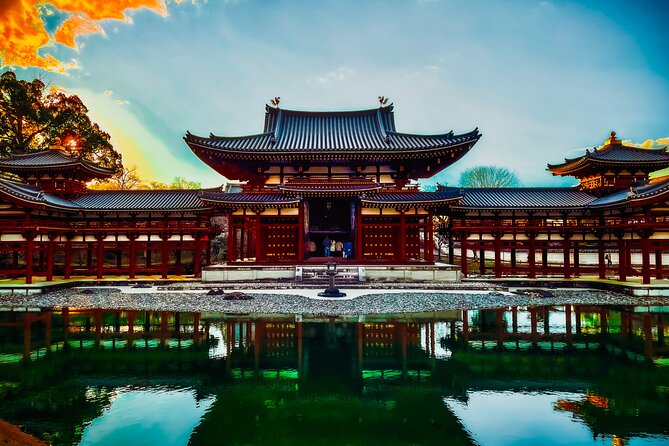
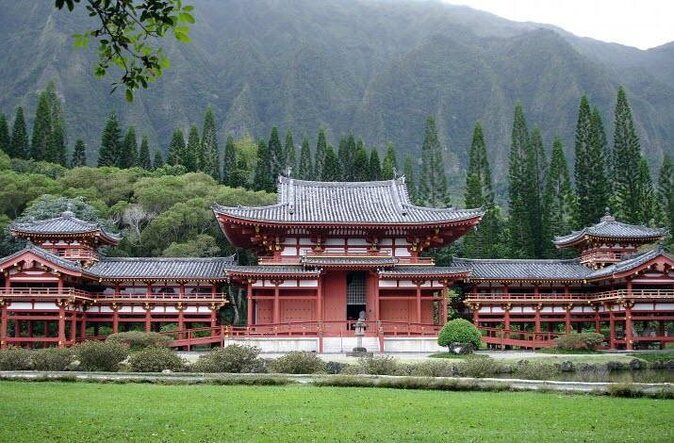
The first major stop is Byodo-in Temple, home to the Phoenix Hall. This is one of Japan’s best-known temple sights for a reason: it’s instantly recognizable and symbolically important. It appears on the Japanese 10-yen coin, which is a fun way to “connect” what you see in front of you with something you’ve already handled in your wallet.
What you should expect is a serious, iconic temple moment—calm, architectural, and designed to represent the idea of the Buddhist Pure Land on earth. Even if you’re not a deep religious history person, this kind of site works because the building style and setting do the storytelling for you.
Important practical note: Byodoin admission is ¥600 per person and isn’t included. Plan on adding that to your day budget.
How to enjoy it: go slow. The place rewards a slower look, and you’ll get better photos if you’re not racing between viewpoints.
Stop 2: Wazuka-cha Cafe and the matcha difference
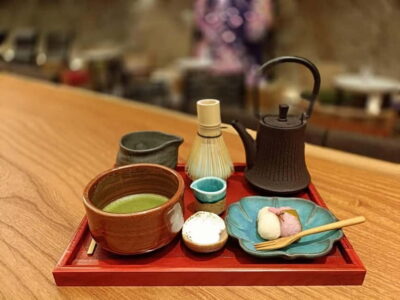
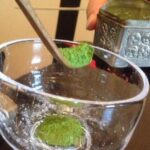
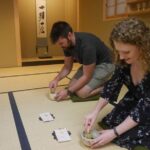
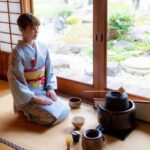
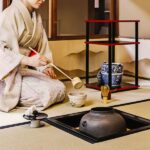
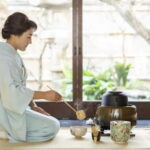
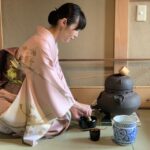
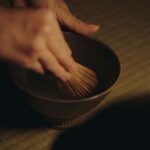
Next comes Wazuka-cha Cafe, where you taste tea and matcha using local farmer-supplied offerings. This is the moment where the tour becomes more than sightseeing.
The key idea here is that Wazuka tea is presented as purer and more authentic than even the Uji style many people already associate with matcha. Whether that’s your preference or not, it’s a meaningful tasting setup because it gives you a real side-by-side feeling for quality and flavor character.
You’ll also see matcha desserts tied to the region’s tea identity. That’s a good move because dessert is often easier to compare than straight tea, and you get a sense of texture and richness, not only bitterness or aroma.
One practical point: the tasting/entry at the stop is described as included in the flow, but coffee and/or tea fees for your own tea are not included. So if you want a second drink, keep your wallet ready.
Stop 3: Ishitera tea plantation and those sky-high green rows
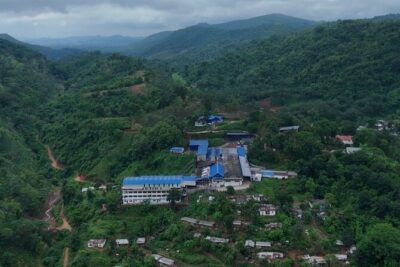
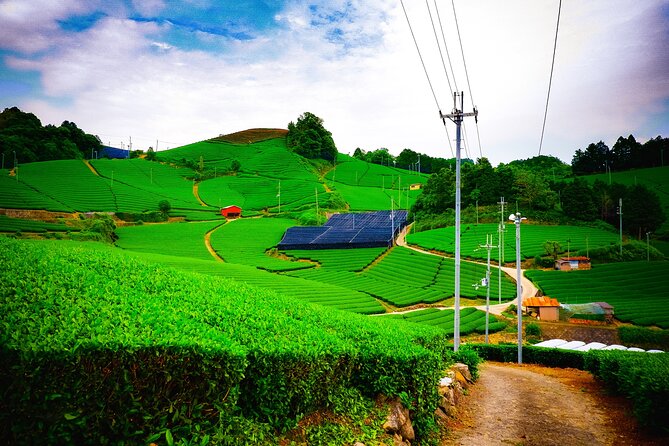
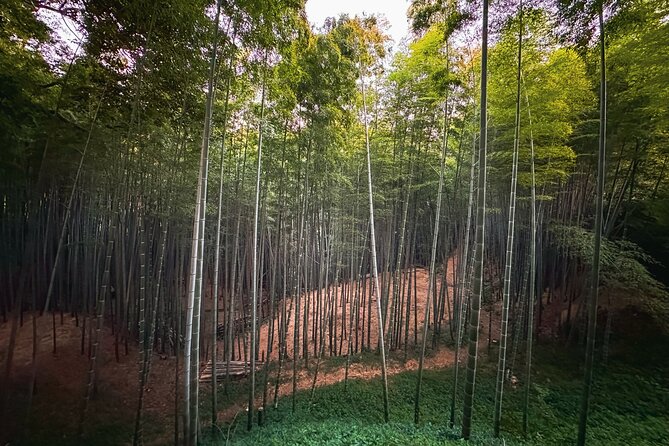
Then you move to Ishitera Tea Plantation for the famous “green tea fields reaching to the sky” style views. This is where the tour’s photo power really kicks in.
You’ll spend about 30 minutes, which may sound short, but plantation viewpoints are the kind of places where short is enough if your goal is photos and an unhurried look. The geometry of planted rows makes the space feel almost engineered—yet it stays peaceful because you’re in the countryside, not the city.
Admission is free for this stop, so it’s a budget-friendly way to get one of the most visually striking parts of Kyoto’s tea belt.
Bring your camera brain. In this type of landscape, the best shots usually happen when you step back, not when you zoom in tight.
Stop 4: Ujitawara-cho tea production area and the walk-in farm photo
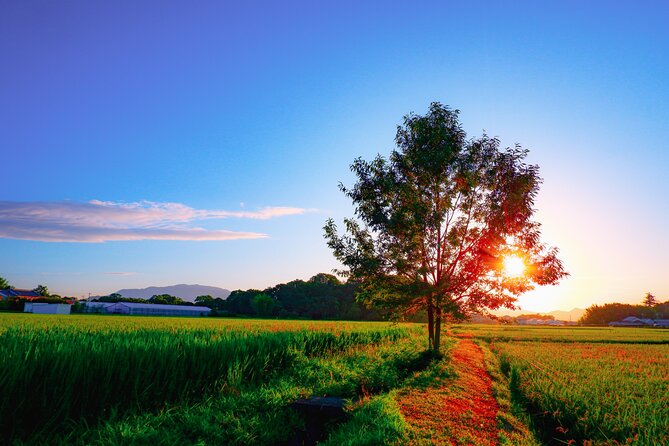
After the plantation stop, you head to Ujitawara-cho, described as one of Japan’s most famous tea production areas. The tour includes a stop at a tea field where you can walk in a farm area and take a magical photo—basically a chance to get closer than just from the roadside.
This is a highlight for people who like real texture: walking among the rows, feeling how the plants are arranged, and seeing the scale. It also ties into the story you’re hearing from your guide about how matcha and green tea culture developed in this broader region, not just in a single famous town.
This stop is about 30 minutes and admission is free, which makes it one of the strongest value segments of the route.
Stop 5: Shoju-in and the famous love-heart window view
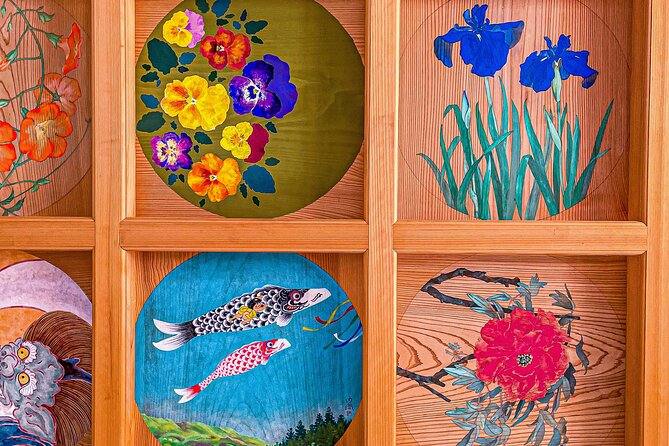
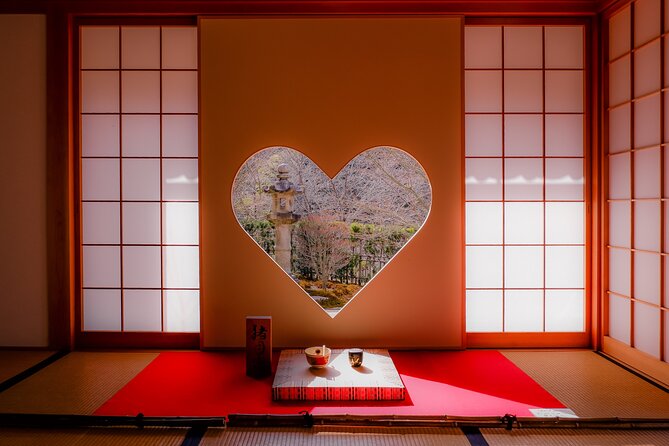
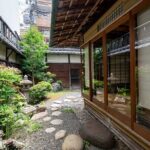
The final major stop is Shoju-in (Seijuin-Temple), in the southern countryside area of Kyoto. It takes about an hour to reach compared to downtown, but the tour sets this up as worth it because of a specific view detail: the love-heart window in the tea room setting.
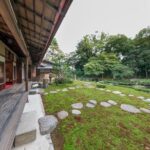
What I like about ending here is tone. You go from open plantation views and tasting to a more reflective temple setting where the architecture and framed sights feel like a final chapter rather than just another checklist item.
Admission is ¥1,000 per person and is not included. Also, plan for the typical temple-site walking and any stairs involved, since the overall tour notes include those.
If you’re someone who enjoys photos but also wants a quiet payoff, this stop tends to land well.
The guide factor: Daiki’s energy, history, and picture-time patience
This is where the reviews really point. Daiki shows up as the consistent force shaping the day. People highlight his enthusiasm for sharing Japanese history and culture, plus his patience when someone wants extra time for photos.
That might sound like a small detail, but on this kind of tour it’s huge. Tea fields shift with light. Temple entrances can be more crowded than expected. And when you want to step back, change angles, or just wait for a good moment, a guide who keeps the day moving without rushing you makes everything feel smoother.
I also like that the tour doesn’t treat tea like a single flavor story. It connects tea culture to the people who shaped it—monks, samurai, and even ninja lore is part of the narrative you might encounter during the day. That adds color and gives context for why certain places and stories matter.
Tea shopping without the big-city markup
One reason I recommend this tour to food-and-souvenir people: it includes time to buy premium tea at prices described as about one-half to one-third of city prices.
That doesn’t mean you’ll automatically get the best deal in the world, but the idea is practical. You’re buying in a production-connected setting rather than paying city convenience pricing. And because you’ve already tasted different tea styles, you’ll actually have a better sense of what to buy.
Tip for shopping: decide in advance what you want tea for. Drinking daily? Gifting? Baking? Your tastes will guide the purchase, and your guide can help you navigate what’s best suited for your goal.
Who this tour suits best (and who should think twice)
This day trip fits you if you want:
- Photo-heavy tea-country views with time to walk and look
- A mix of one major Kyoto icon (Byodoin Phoenix Hall) plus multiple countryside tea stops
- Private pacing and a guide who explains tea culture in an easy, fun way
It may be less ideal if:
- You hate walking stairs or short uphill bits at temples
- You only care about one or two quick sights and don’t want a structured sequence
- You’re trying to keep costs ultra-low, since admissions (¥600 and ¥1,000) plus tea purchases can push the total higher
Practical tips to make your day smoother
A few things to pack and plan so the experience stays enjoyable:
- Wear shoes you trust on temple-site paths (stairs are mentioned).
- If you’re sensitive to long drives, note that the trip reaches countryside areas and includes time on roads, not only stops.
- Bring cash or a card you can use for temple admissions and tea shopping.
- If you want to buy tea, go with a list in your head: how you’ll use it and how many people you’re gifting.
The good news: with a private vehicle and pickup/drop-off support, you’re not wrestling with buses across rural routes.
Should you book this hidden tea-country day?
If you want a Kyoto day that feels more like a countryside story than a city sprint, I’d book it. The strongest reasons are simple: tea tastings in Wazuka, iconic Byodoin Phoenix Hall, and the countryside photo stops where green rows do the talking. Add in Daiki’s helpful, patient guiding style, and you get a day that feels thoughtful rather than rushed.
Before you commit, do the math for yourself. Factor in the temple fees (¥600 for Byodoin and ¥1,000 for Shoju-in) and keep an eye on how much tea you plan to purchase. If you’re fine with that and you enjoy both culture and scenic views, this tour is a high-likelihood win.
FAQ
How long is the Scenic Green Tea Fields of Hidden Kyoto & Local Tea Exp (Private) tour?
It runs for about 5 hours 30 minutes.
What does the tour cost for my group?
The price is $250.38 per group, up to 6 people.
Is pickup included, and what vehicle will I ride in?
Pickup is offered, and the tour includes an air-conditioned Nissan van for 2–6 passengers. For a solo traveler, a Mini Cooper convertible is listed.
Which admissions are not included?
Shoju-in admission is ¥1,000 per person, and Byodo-in admission is ¥600 per person.
Are tea or coffee purchases included?
Coffee and/or tea fees for your own tea are not included.
Is this a private tour?
Yes. It’s private, and only your group participates.
If you want, tell me your group size (and whether you’re going solo) and the time of year—then I’ll suggest the best way to plan your photo stops and tea shopping mindset for that season.