REVIEW · KYOTO
Kyoto: Mindful Tea Ceremony in 100-Year-Old Teahouse
Book on GetYourGuide →Operated by Oboro · Bookable on GetYourGuide
Kyoto can be loud. This candlelit tea ceremony at Oboro quietly slows everything down and turns matcha-making into a calm lesson for your senses. I love the way the room feels like a soft landing after the city, and I love that the host guides you with gentle expectations—no stress, just attention. The only real catch: you need to be ready for silence, shoe-free seating, and arriving on time (more on that below).
In a small group capped at 8, you’ll watch (and learn) each step—purifying utensils, whisking, serving with a bow—while the background details do the heavy lifting: the faint aroma of fresh matcha, the soothing sound of water, and the garden view outside the window. If you’re the type who likes rules-free sightseeing, this isn’t that kind of activity. But if you want a rare pocket of calm Kyoto, this one lands.
In This Review
- Key Highlights Worth Your Time
- Entering Oboro’s Candlelit 100-Year-Old Teahouse
- Welcome Tea and Seasonal Sweets: The Pace-Setter
- The Main Tearoom: Matcha Prep You Can Actually Follow
- Mindful Pace and Newcomer-Friendly Etiquette
- What You Actually Get for $45 (and Why It Feels Fair)
- Practical Timing and On-Site Rules That Matter
- Who This Tea Ceremony Fits Best (and Who Should Skip It)
- After the Ceremony: Why It Changes Your Kyoto Day
- Should You Book Oboro’s Mindful Tea Ceremony?
- FAQ
- How long is the Kyoto Mindful Tea Ceremony at Oboro?
- Where is the meeting point, and how do I find it?
- What’s included in the price?
- What should I bring?
- Is English instruction available?
- Can I take photos?
- Are there any rules about timing?
- Is the tea served the same way year-round?
Key Highlights Worth Your Time
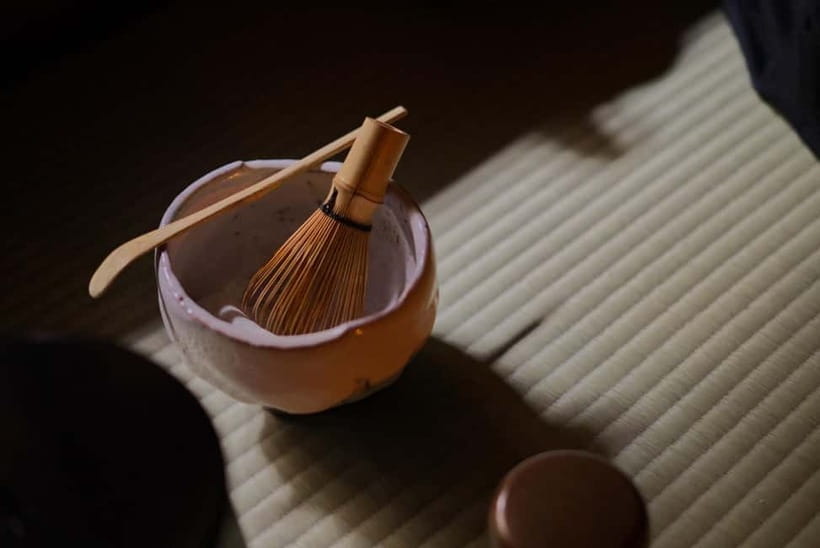
- Candlelit room + minimal décor: soft lighting helps you notice small sounds and smells.
- English instruction with a gentle pace: guidance that helps newcomers without turning it into a lecture.
- Senses-first matcha prep: utensils purified, matcha whisked, bowl served—slow enough to actually register it.
- Seasonal sweets and warm (or chilled) tea: flavors that make the ritual feel complete, not just performative.
- A take-home candle: a small reminder to carry that quiet back into your trip.
Entering Oboro’s Candlelit 100-Year-Old Teahouse

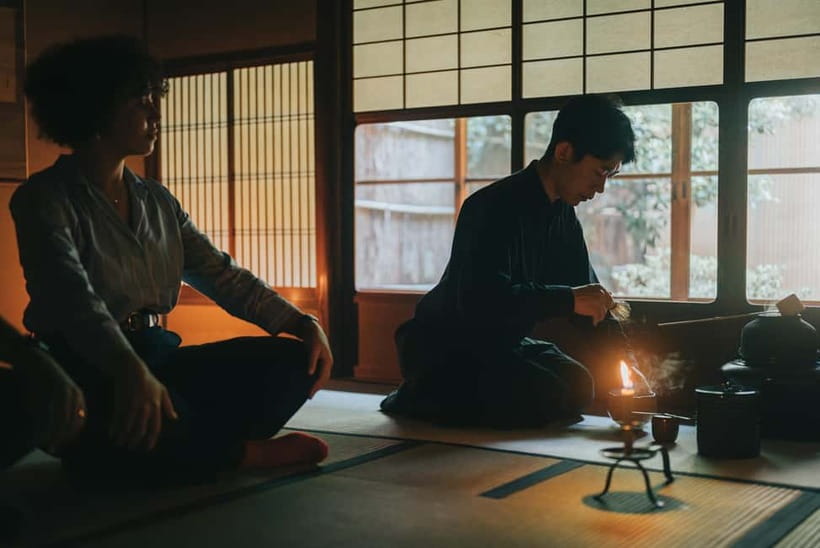
Your first moment is the hardest one—in a good way. You arrive and step into a softly lit room where the harsh overhead lights are gone, replaced by candlelight that makes the whole space feel calmer right away. It’s the kind of lighting that nudges your body to exhale before your brain even starts trying to “do” something.
Once the host greets you, they’ll explain the flow in plain English and help you get settled. If you’ve got a bag, you’ll have a chance to store your belongings if needed, so you can focus on what’s in front of you instead of managing clutter. And you’ll notice the design choices: minimal distractions, quiet corners, and that sense that the teahouse itself is part of the lesson.
A big theme here is easing in. This isn’t presented as a test of etiquette. The ceremonial roots are respected, but the guidance stays gentle—helpful if you’re new to tea ceremony culture. If you like experiences where the host sets a tone and the room cooperates, you’ll like this.
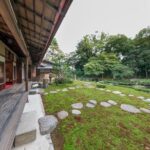
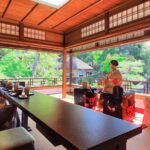
One more sensory clue: many people comment on how the garden view through the window adds to the feeling of distance from the city. Even if Kyoto is rushing outside, your eyes keep landing on something quiet.
You can also read our reviews of more tours and experiences in Kyoto.
Welcome Tea and Seasonal Sweets: The Pace-Setter
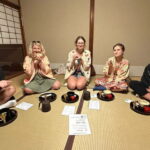
Before you move deeper into the ceremony, you’ll get a welcome tea along with seasonal sweets. This is not filler. It’s a smart “warm start” that gets your taste buds working and your attention centered before the matcha steps begin.
Think of it as the ceremony’s on-ramp. The warm flavors (and the sweets paired with them) help you shift from travel mode into slower mode. You’ll be able to settle into your seat comfortably, then watch your surroundings with less mental noise.
Because you’re in a small group of up to 8, the atmosphere stays quiet and controlled. You can observe without feeling like you’re on stage. And if you want to ask something, the host’s guidance is built for real questions—so you don’t have to fake confidence.
Also, the ceremony includes seasonal sweets, which matters more than it sounds. Seasonal changes keep the experience from feeling recycled. You’re not just doing matcha as a checklist item; you’re tasting what the teahouse is offering at that time of year.
The Main Tearoom: Matcha Prep You Can Actually Follow
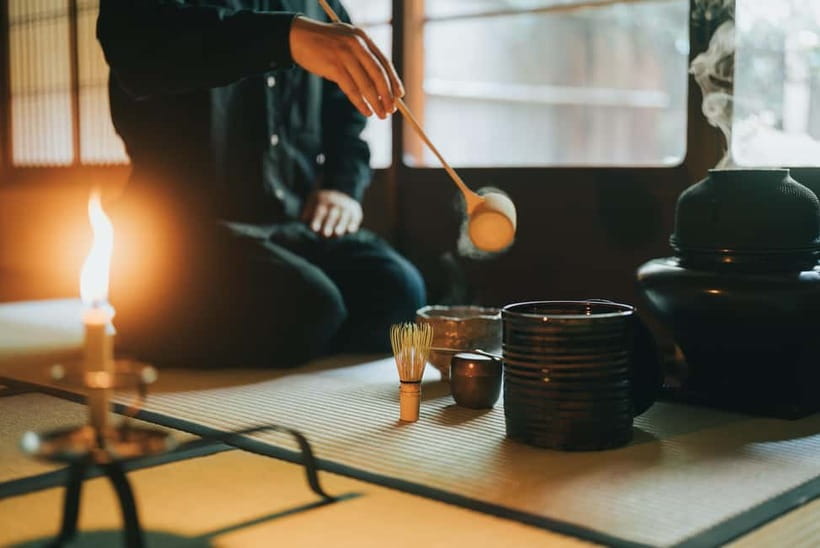
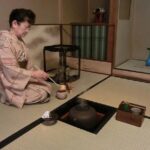
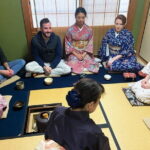
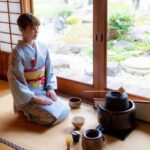
After the welcome tea, you’ll move to the main tearoom, where distractions are minimized on purpose. This is where the senses do most of the teaching. You’ll hear the soothing sound connected to the process (like water simmering), and you’ll catch the faint aroma of fresh matcha before you even take the first sip.
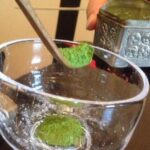
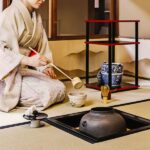
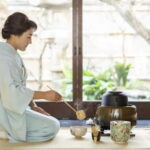
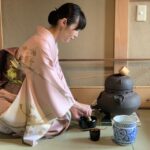
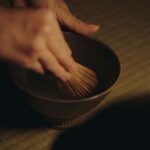
Then comes the core part: the host prepares each bowl of tea. In a traditional setting like this, steps are deliberate. You’ll see the utensils purified first, then matcha whisked carefully, and finally the finished bowl presented with a graceful bow. Even if you’ve never watched a tea ceremony before, the pacing helps you understand what’s happening and why it matters.
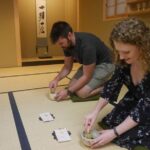
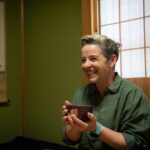
When your bowl is served, you’ll lift it gently and savor it. Matcha here is treated as a moment, not a beverage to gulp. People often describe the comfort of the warmth, and that makes sense: in a candlelit space, the tea becomes a physical reminder to slow down.
You’re also encouraged to observe quietly. If something isn’t clear, you can ask questions, but the vibe remains calm. The point isn’t to rush through steps—it’s to connect them: ritual movement, sensory details, and mindful breathing all in the same circle of time.
One extra detail: photography is allowed without flash. So you can capture the mood, but you won’t be blasted with lights that break the atmosphere for everyone.
Mindful Pace and Newcomer-Friendly Etiquette
Here’s what makes this experience different from the common tea ceremony version—where you sit, watch, and hope you understood the explanation. Oboro’s ceremony has a “mindful pace” that feels designed for real life tourists who still want the tradition.
The host guides you without making the atmosphere stiff. You’ll see ceremonial roots and respect, but you won’t feel slammed by strict rules. That matters if you’re traveling solo or you’re with friends who aren’t tea-ceremony nerds. The process is easy to follow because it’s slower and clearer than you’d expect.
In the reviews you can see praise for hosts by name—Naoki shows up as a standout host for many people, and Taku is also mentioned with particular warmth. Sometimes you’ll even hear both names together, which suggests each session may pair participants with specific hosts depending on the day. Either way, the consistent theme is calm, clear instruction, and a welcoming tone.
Another interesting note from the experience: some sessions feel like they unfold in distinct stages or rooms that match phases of the ceremony. Even if you don’t get a big performance explanation, the physical movement helps your brain treat it like a journey rather than one long stop-and-smile moment.
And yes, silence is part of it. You’ll be asked to maintain silence in the quiet environment. That can feel unusual at first, especially if you’ve spent days in Kyoto’s most crowded sights. But that same quiet is the reason this ceremony works so well as a reset.
What You Actually Get for $45 (and Why It Feels Fair)
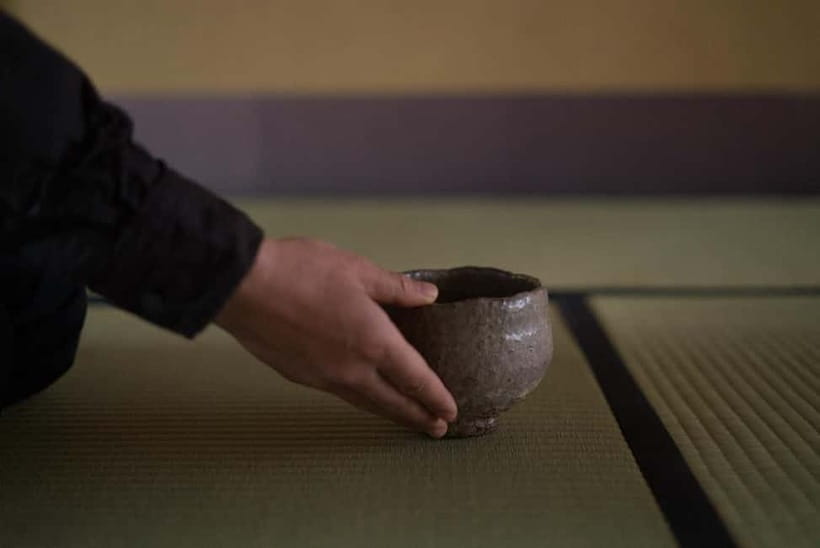
At about $45 per person for 45 minutes, this isn’t the cheapest “activity in Kyoto,” but it also isn’t overpriced for what you receive. You’re paying for a controlled setting (candlelight, a traditional teahouse), expert instruction in English, and the full matcha ritual with all necessary equipment. On top of that, you get seasonal sweets and a small handmade candle to take home.
That last part matters psychologically. Many cheap experiences end when the ticket ends. Here, the take-home candle gives you something physical that reflects the mood you just practiced. It’s a small souvenir, but it’s tied to the theme of pausing and calm.
The small group size is also part of the value. With a maximum of 8 participants, you’re not stuck shoulder-to-shoulder with strangers. You’ll get a better rhythm. You can ask questions without shouting. You can observe the steps without fighting for a view.
If you’re planning Kyoto on a tight schedule, this is also a good time-block: 45 minutes is long enough to slow your brain down, but short enough that you won’t miss an entire afternoon.
Practical Timing and On-Site Rules That Matter
This is the part where you’ll thank yourself for reading carefully.
First: arrive 10 minutes early. If you’re more than 10 minutes late, you won’t be allowed to enter. So if your Kyoto day includes trains, buses, and snack runs, build buffer time. Tea ceremony timing is stricter than most sightseeing.
Next: wear comfortable clothes and bring socks. Shoes must be removed, so socks aren’t optional. Plan on sitting in a room where you’ll stay still for the duration—tight pants or thin socks can make an otherwise calm experience feel uncomfortable.
Rules also include:
- No smoking
- No flash photography
- Quiet environment with silence requested
- You’ll spend time listening and observing, so think “library quiet,” not “walking street energy”
One seasonal note: in summer, the ceremony uses chilled water and ice. That’s a thoughtful adaptation, and it means your tea experience won’t be identical year-round. If you visit in hot months, don’t assume the tea will always be served warm.
Who This Tea Ceremony Fits Best (and Who Should Skip It)
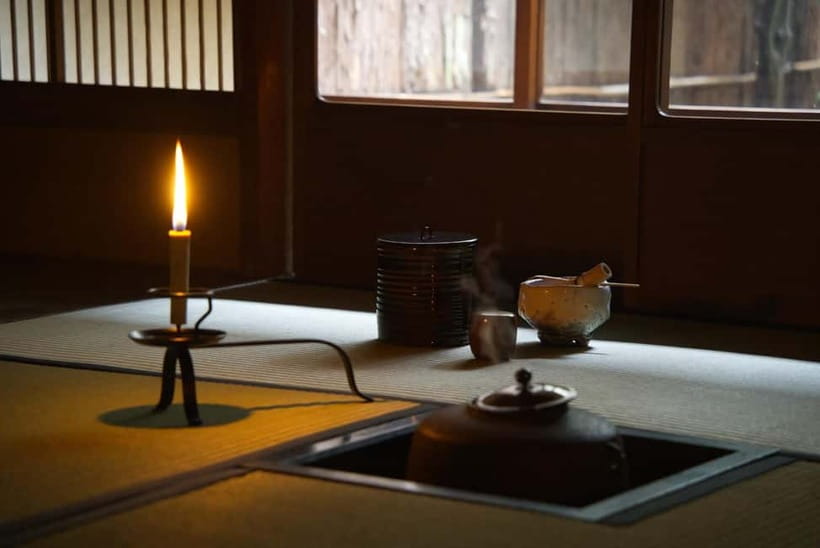
This ceremony is a strong match if you want a quieter Kyoto moment that’s more than a photo stop. I think it’s especially good for:
- People who like sensory experiences (sound, smell, taste) more than big “attractions”
- First-timers who want tradition explained in plain English
- Travelers who are tired of rushing and want a structured pause
But it’s not designed for everyone. The experience isn’t suitable for:
- Children under 6
- People with back problems
- Wheelchair users
Because shoes come off and seating is involved, comfort and mobility matter. If you know sitting for 45 minutes will be hard on you, look for another activity that doesn’t require that posture.
Also, if you hate quiet rules and prefer constant movement, this may frustrate you. The ceremony asks you to slow down and pay attention—on purpose.
After the Ceremony: Why It Changes Your Kyoto Day
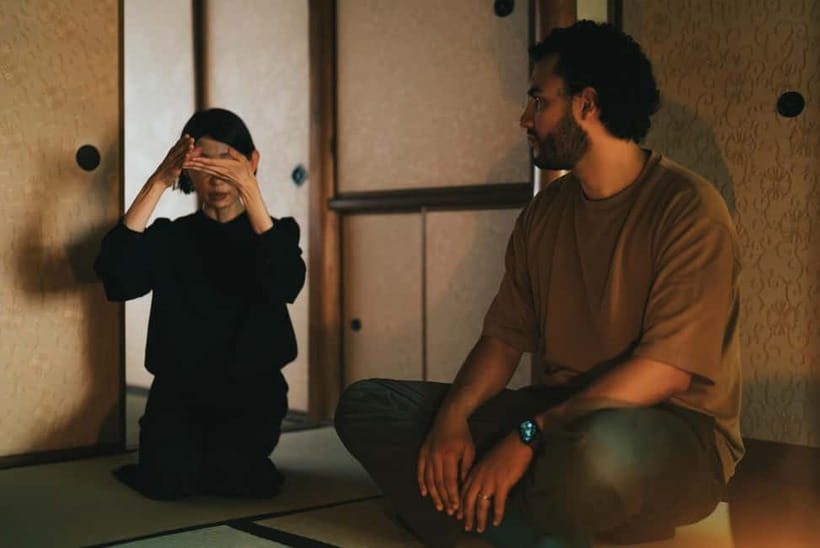
This is one of those experiences where the “product” isn’t just the tea. It’s what happens right after—how you walk through the city with a calmer tempo.
Once you’ve practiced gentle pacing in a candlelit room, Kyoto’s busy streets can feel louder than usual. That shift can be good. You’ll likely find yourself noticing small moments outside the teahouse too—quiet side streets, the pause before a train platform turns crowded, the way your shoulders drop when you’re not fighting the rush.
People describe feeling relaxed and calmer after the ceremony, and that tracks with what’s happening during the session. Candlelight lowers the sensory volume. The host’s guidance sets a rhythm. Matcha preparation asks you to pay attention. The silence turns the whole thing into a reset button.
Even if you only have a day or two in Kyoto, this is a high-impact stop. It’s not trying to “outdo” the famous temples. It offers a different kind of Kyoto: reflective, gentle, and focused on everyday beauty.
Should You Book Oboro’s Mindful Tea Ceremony?
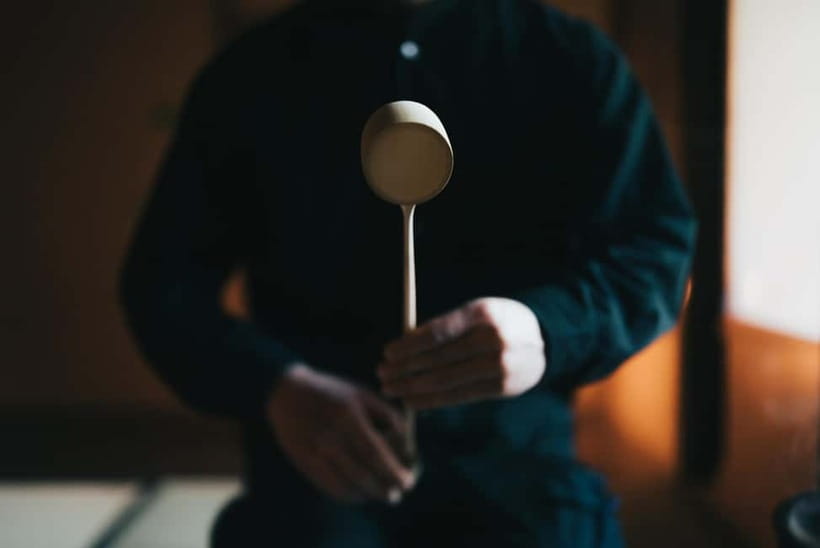
Book it if you want a calm, well-paced introduction to matcha culture in a small group setting. The candlelit 100-year-old teahouse atmosphere, the English instruction, seasonal sweets, and the take-home candle make this feel like a complete experience for the money.
Skip it if you need lots of movement, struggle with quiet environments, or expect this to be casual and flexible. It has clear rules, and it asks you to arrive on time, wear socks, and remove shoes.
If you’re craving a quieter Kyoto moment—one that doesn’t feel like homework—you’ll probably leave glad you made room for it.
FAQ
How long is the Kyoto Mindful Tea Ceremony at Oboro?
The experience lasts 45 minutes.
Where is the meeting point, and how do I find it?
If you have trouble finding it, search for Oboro: Mindful Tea Ceremony on Google Maps.
What’s included in the price?
You get expert instruction in English, all necessary tea ceremony equipment, seasonal sweets to complement the tea, and the candlelight matcha experience.
What should I bring?
Wear comfortable clothes and bring socks, since shoes must be removed.
Is English instruction available?
Yes, the instructor provides the ceremony in English.
Can I take photos?
Photography is allowed, but flash photography is not.
Are there any rules about timing?
You should arrive 10 minutes early to prepare. If you’re more than 10 minutes late, you won’t be allowed to enter the session.
Is the tea served the same way year-round?
In summer, the ceremony uses chilled water and ice.