REVIEW · KYOTO
2 Types of Japanese Sweets making and Tea Ceremony
Book on GetYourGuide →Operated by B.B.Advisors Inc. AN KYOTO · Bookable on GetYourGuide
Tea, sweets, and craft time in Kyoto. This workshop is interesting because you get a hands-on split between Ohigashi (Wasanbon sugar sweets), Nerikiri shaped to the season, and a proper matcha moment with a tea ceremony feel. I especially like that the bean paste is sourced from Kyoto’s long-established shops, and that you’ll work with single-origin special matcha instead of instant stuff. One possible drawback: the session is designed as a shared studio experience, so it may feel more structured and less intimate than a private class.
You’ll spend about two hours and change making two different wagashi, then closing with matcha grinding and a casual tea ceremony. The program runs in a clear rhythm, so you’re not left waiting around wondering what comes next. You also get explanations along the way, which helps you understand what you’re actually tasting and why the details matter.
Keep in mind the venue is reachable by stairs only since there’s no elevator, so plan accordingly if stairs are an issue for you. Also, the workshop is offered in Japanese with English translation as much as possible, so you’ll want to be comfortable asking questions if anything is unclear.
In This Review
- Key highlights worth your time
- Gojo Station to wagashi mode: how the 125 minutes moves
- Ohigashi with Wasanbon: your first bite of traditional sugar craft
- Nerikiri flower-making and the Kinton style: shaping season into a sweet
- Matcha grinding, then tea ceremony (casual, but not random)
- Price and value: what $28 actually buys you
- Language, group energy, and the real atmosphere in the room
- Practical logistics that can make or break your day
- Who should book this wagashi + matcha workshop
- Should you book 2 Types of Japanese Sweets and Tea Ceremony?
- FAQ
- What do I make during the workshop?
- How long is the experience?
- Where is the meeting point?
- Is there English support?
- Are there any extra costs?
- What time does the workshop operate?
Key highlights worth your time
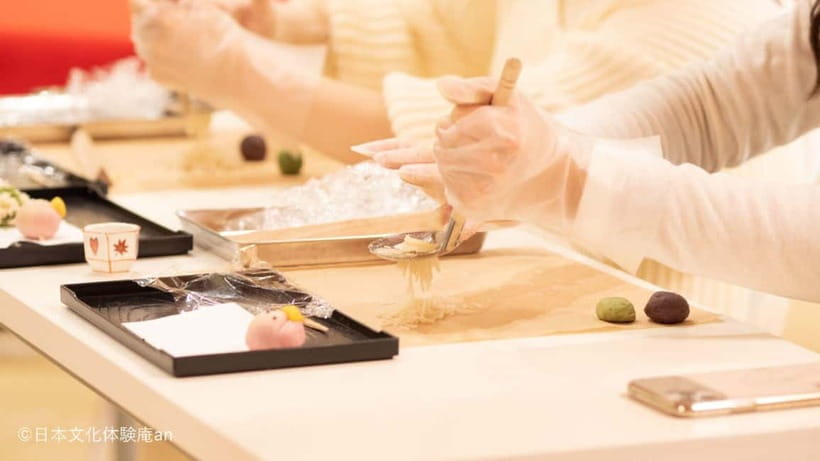
- Two homemade seasonal wagashi: you make two Nerikiri based on the season
- Ohigashi with Wasanbon: a dry-type sweet using traditional Japanese sugar
- Kyoto bean paste sourcing: white/red bean paste from Kyoto’s long-established shops
- Single-origin special matcha: you’ll grind it and taste it
- Tea ceremony taught in a friendly way: not overly formal, but still meaningful
- Convenient meetup: 1 minute from Gojo Station Exit 1 on the Karasuma Line
Gojo Station to wagashi mode: how the 125 minutes moves
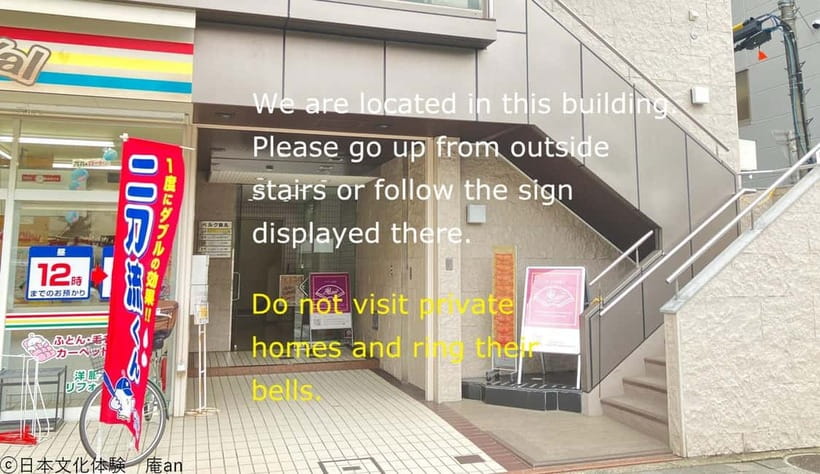
This is the kind of Kyoto experience that’s easy to fit into a day because it starts near a major subway stop. The meeting point is just a one-minute walk from Gojo Station (Karasuma Line), Exit 1. When a workshop is that close to transit, you’re less stressed about timing, and you can arrive calmly instead of rushing with a sugar deadline.
The total duration is 125 minutes, and the flow matters. You begin with a quick overview of Japanese traditional sweets, then you shift into making mode. Expect short teaching bursts followed by hands-on time, so you’re not stuck watching demonstrations for long stretches.
One more practical note: the studio has no elevator, and you’ll use stairs to reach different parts of the venue. If you’re traveling with anyone who has mobility limitations, or you’re carrying a lot of bags, factor that in early rather than at the door.
You can also read our reviews of more tours and experiences in Kyoto.
Ohigashi with Wasanbon: your first bite of traditional sugar craft
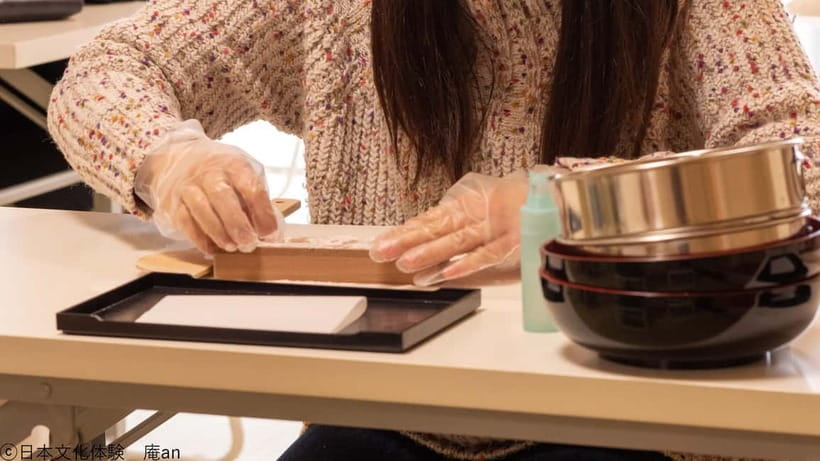
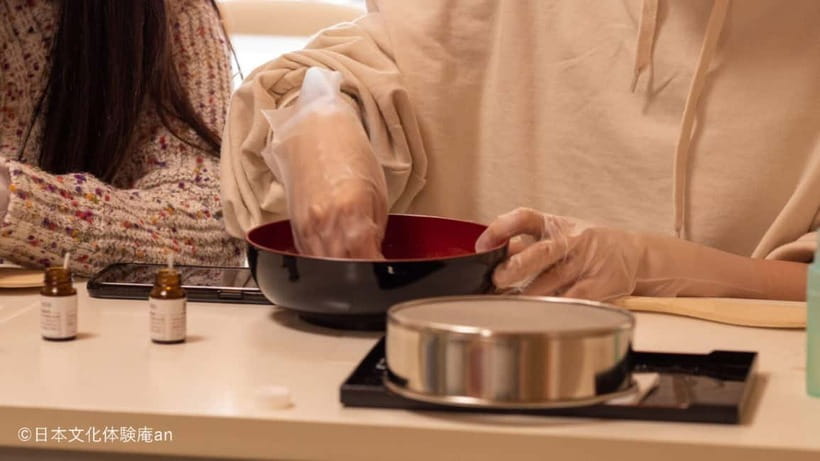
Your first making session is Ohigashi, described as a dried-type Japanese sweet made from Wasanbon, a traditional Japanese sugar. This is a great starter because it shows you a different side of wagashi. Instead of only thinking of the soft, molded sweets many people picture, you also learn about the dry-sweet style and the role sugar plays in texture and flavor.
In the workshop rhythm, the Ohigashi portion starts right away after the introductory explanation. Then you get a break before moving to the main Nerikiri session. That break is helpful because sticky textures and careful shaping work better when you’re not rushing through it with tired hands.
What I like about this part for your enjoyment: it gives you a tangible lesson in Japanese sweet-making without requiring extreme technical skill from the beginning. Even if you’ve never done wagashi before, this is a structured entry point. And because you’re working with a traditional sugar (Wasanbon), it’s not just a craft activity—it’s a taste education.
Nerikiri flower-making and the Kinton style: shaping season into a sweet
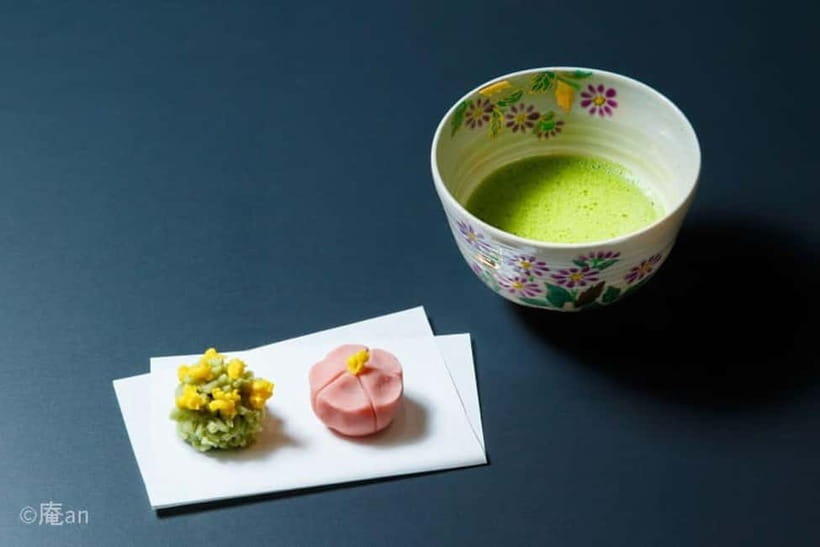
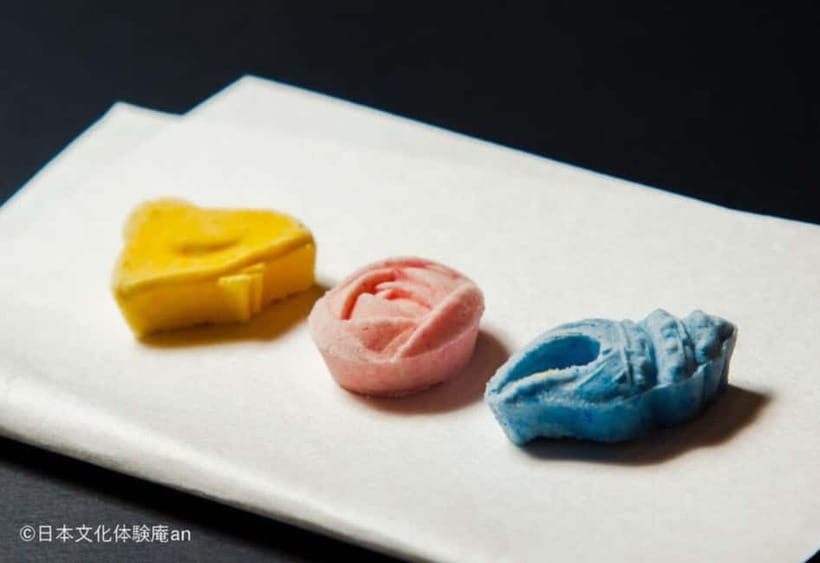
Next comes Nerikiri, the bean-paste-based wagashi where shape and detail matter. You’ll make two seasonal Japanese sweets that match the time of year. That seasonal element matters more than it sounds. Wagashi design often reflects nature, festivals, and the mood of the season, so when you make something “for the season,” you’re learning a cultural language—not just copying a form.
You’ll use white/red bean paste produced by Kyoto’s long-established shops. That’s a big deal for flavor and consistency, because bean paste texture affects how well it holds shape during kneading and molding.
The schedule builds toward the most hands-on part:
- You start with explanation, then a first Nerikiri making segment.
- Then you move into Kinton Nerikiri shaping, which is the centerpiece of the Nerikiri portion.
- You get another break before tea.
For you, the practical takeaway is this: Nerikiri is where your attention to small movements pays off. Don’t aim for perfection—aim for steady pressure and careful shaping. If the paste feels stiff, it usually helps to go slow and keep your workspace clean so you’re not fighting the material.
Also, plan for a little mess. Even in a well-run studio, making molded sweets means sticky hands and occasional paste on tools. Bring a mindset that says this is part of the experience.
Matcha grinding, then tea ceremony (casual, but not random)
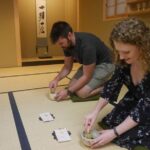
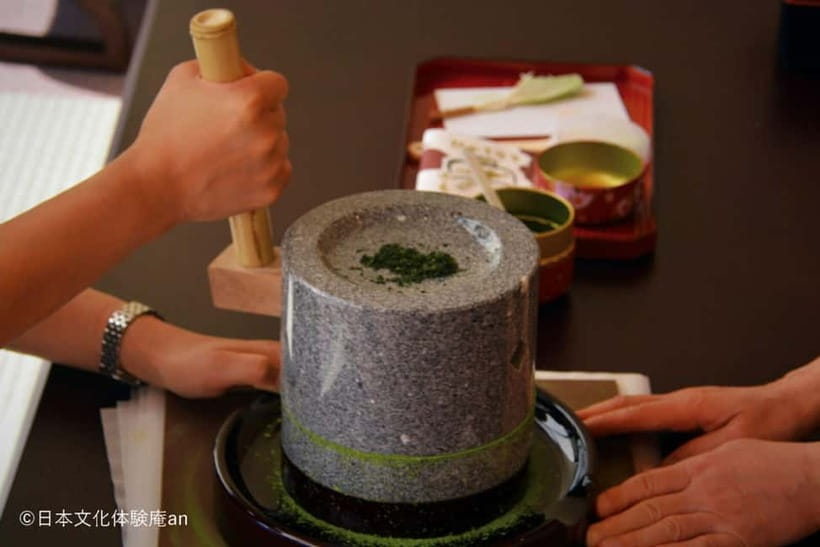
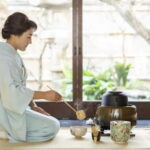
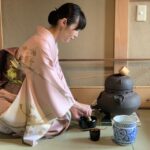
After the sweets, you transition to tea with an explanation of the context behind matcha and the tea experience. Then comes the part many people remember most: matcha grinding and making your own cup.
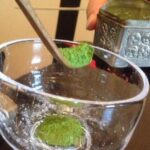
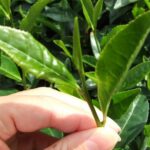
This workshop uses single-origin special matcha, and you’ll see and do the grinding demonstration. That single-origin note is valuable because it hints you’re not just going through motions. Matcha quality influences aroma and bitterness balance, so you can actually taste the difference rather than drinking something that feels generic.
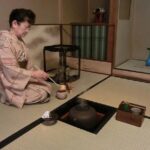
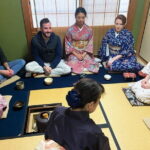
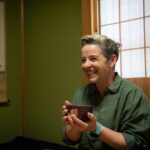
The tea ceremony here is described as casual—meaning it’s not trying to trap you in etiquette homework. That approach is a plus for real travel days. You get to participate, learn the gist, and drink something you made part of yourself.
One thing to keep your expectations balanced: a tea ceremony in a workshop setting is still a guided experience. You might not get the same quiet, intimate feel as a private setting, especially if the room has more participants. But you will leave understanding the sequence and what you’re doing with your hands.
And yes, you’ll get time for eating and drinking. The “hang time” after making is important, because wagashi are at their best when you pair them with the tea instead of rushing to wrap everything up.
Price and value: what $28 actually buys you
The price is $28 per person for 125 minutes, and it includes a full set: 2 types of Japanese sweets making + tea ceremony experience. That’s strong value if you want more than a single craft stop.
Here’s why the value works:
- You’re not only learning theory—you make three experiences: Ohigashi, Nerikiri (two sweets), and matcha/tea.
- You get ingredients that are more curated than basic workshop kits, including Kyoto long-established bean paste and single-origin special matcha.
- You get a guided “why,” not only a “do this, then that,” because explanations run between the making sections.
Extras are available, but they’re optional:
- Adding color: 200 JPY
- Sweets take-out box: 100 JPY
- Experience completion certificate: 300 JPY
If you’re budget-minded, you can enjoy everything without paying extra—just note those add-ons exist if you want more polish for photos or something to bring home.
Language, group energy, and the real atmosphere in the room
The instructor is Japanese, and English translation is provided “as much as possible.” That’s helpful if you don’t read Japanese and want to understand what you’re shaping.
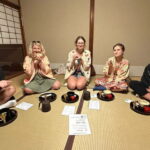
One thing I’d plan for: this is a studio format with other participants. That can mean more background noise than you’d like if you’re sensitive to sound. It can also mean the pace feels a bit like a classroom compared to a more personalized, quiet one-on-one experience.
If your ideal workshop is small and hushed, you might find this less your style. But if your goal is practical skill, food you helped create, and a clear path through the steps, this format usually works well.
I also appreciate that some instructors have been mentioned for being attentive and translating well, which tells me you’re not left stranded if you ask a question.
Practical logistics that can make or break your day
This workshop is simple to reach, but a few details matter.
Timing: Operations run 10:00 to 17:00. If your reservation comes in after 17:00, it’s processed the next day. Try to book a time that fits your day so you’re not racing between other Kyoto stops.
Stairs: There’s no elevator, and you’ll take stairs to reach each venue. If you’re traveling with a mobility concern or heavy luggage, arrive early and move slowly.
Late arrivals: The event can’t be held for delays. That means if your train is running late, you’ll want a buffer.
Food and take-away: You’ll have eating and drinking time as part of the program, so don’t treat this like a grab-and-go snack stop. If you want to take sweets home, you’ll need the optional take-out box.
Extra color: If you’re hoping for more vivid decoration, note there’s an add-on option for color (200 JPY). You can decide based on your photo goals and how much you want to customize.
Who should book this wagashi + matcha workshop
This is a great fit if you want a full experience, not a single gimmick.
Book it if you:
- Want to make two seasonal Nerikiri sweets plus Ohigashi
- Care about tea quality and want to grind matcha yourself
- Prefer a structured workshop where the steps are guided and paced
- Like experiences you can talk about after dinner because you actually made the food
You might think twice if you:
- Are seeking a very quiet, private ceremony vibe
- Need everything to feel slow and ultra-personal
- Strongly prefer step-by-step instructions only with very minimal classroom energy
Should you book 2 Types of Japanese Sweets and Tea Ceremony?
I’d recommend booking if you want bang-for-your-time in Kyoto: 125 minutes, two homemade seasonal wagashi, and a matcha grinding + tea ceremony moment, all near Gojo Station. The included ingredients and the multi-part structure make it feel like more than a basic souvenir workshop.
I’d hold off only if your top priority is a silent, high-intimacy setting rather than a guided shared experience. For most people, though, this hits the sweet spot: practical craft skills, cultural context, and food you can taste right away.
If you’re in Kyoto with limited workshop time, this is one of the easier choices to justify. You’ll leave with edible proof, a clearer understanding of wagashi styles, and a better idea of what matcha is supposed to taste like.
FAQ
What do I make during the workshop?
You’ll make Ohigashi (a dried-type sweet made from Wasanbon) and two seasonal Nerikiri sweets using white/red bean paste. You’ll also do matcha grinding and join a tea ceremony experience.
How long is the experience?
The duration is 125 minutes.
Where is the meeting point?
It’s 1 minute walk from Exit 1 of Subway Karasuma Line Gojo Station. The store entrance faces the main street (Gojo-dori).
Is there English support?
English translation is provided as much as possible. If you want to add English support, you’re asked to contact the operator.
Are there any extra costs?
Yes. Not included extras can include adding color (200 JPY), a sweets take-out box (100 JPY), and an experience completion certificate (300 JPY).
What time does the workshop operate?
Operation hours are 10:00 to 17:00. Reservations received after 17:00 are processed the next day.