REVIEW · TOKYO
Tokyo: Tea Ceremony Experience in a small tea room
Book on GetYourGuide →Operated by Travel Japan Together · Bookable on GetYourGuide
A quiet cup can teach faster than a guidebook. This Tokyo tea ceremony happens in a small tea room setting near the Kamogawa Delta, where you’ll learn matcha etiquette and the calm rhythm behind it. I like that it’s hands-on from the start, not just watching someone else work.
One big plus is the instructor: Mari, with about 20 years of tea experience, explains the why behind the movements in English, so beginners feel welcome. The session is built for you even if you’ve never whisked matcha before.
The main thing to consider is logistics. The room is reached up two flights of narrow stairs, which can be a challenge if stairs are difficult for you.
In This Review
- Key takeaways before you go
- A calm tea room setup near Kamogawa Delta and Nishi-Nippori
- Meet Mari: the English tea teacher with 20 years behind the whisk
- The actual ceremony: what you’ll do in the tea room
- Matcha, sweets, and what the ceremony trains you to notice
- Price and value: is $51 per person worth it?
- Practical notes: meeting at Senraku-an and finding the room
- Who should book this tea ceremony (and who might not need it)
- Should you book this Tokyo tea ceremony near Yanaka and Nezu Shrine?
- FAQ
- How long is the tea ceremony experience?
- Is the instructor able to teach in English?
- How many people are in the group?
- What’s included in the price?
- Can I wear a kimono?
- What’s the cancellation and payment option?
Key takeaways before you go
- Small-group limit of 6 means you get real attention, not a rushed demonstration
- You can make your own matcha and practice the key hand motions
- English instruction by Mari makes the culture easier to understand
- Set near Nishi-Nippori and Yanaka/Nezu Shrine for a calmer slice of Tokyo
- Traditional dried sweets are included, so the tea isn’t served alone
- Optional kimono can add to the experience if you want the full look
A calm tea room setup near Kamogawa Delta and Nishi-Nippori
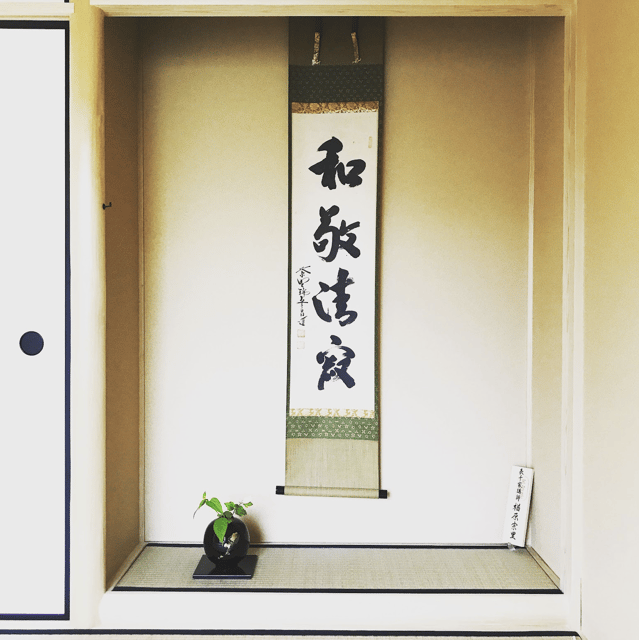
This tea ceremony is placed where Tokyo feels a bit slower. You meet at Senraku-an, and the location is about a 7-minute walk from Nishi-Nippori station. That matters because it keeps the day simple. You’re not stuck in long transfer time just to get to a small cultural experience.
You’re also close to the Yanaka and Nezu Shrine area, plus the riverside atmosphere around the Kamogawa Delta. I like having that kind of pairing: tea first, then a low-stress wander after. Instead of treating the ceremony as a standalone event, you can line it up with a walk through older neighborhoods and quiet streets where locals actually spend time.
Do check one practical point: the tea room is in a residential setting. That’s part of the charm, but it can make taxis less confident about the exact spot. If you’re using a taxi or rideshare, it’s smart to confirm you’re going to the Senraku-an meeting point, then follow directions on the last stretch.
You can also read our reviews of more tours and experiences in Tokyo.
Meet Mari: the English tea teacher with 20 years behind the whisk
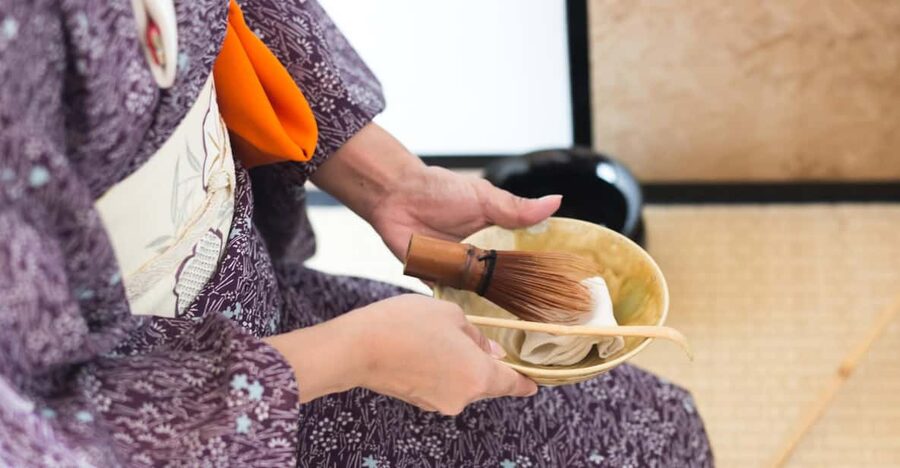
A lot of Tokyo experiences are impressive in price, but thin on explanation. This one is different because Mari is the focus. The instruction is listed as English, and the overall tone from the way the session is described and taught is patient and welcoming.
Mari’s experience shows up in how the lesson is paced. You learn the tea steps at a human speed, with time to ask questions. People also note that she helps you practice details, like folding the tea towel so you can repeat the basics on your own. That kind of coaching is valuable because it’s easy to watch a ceremony and still feel like you missed the technique.
In practical terms, having an English-speaking instructor also helps you understand what matters in the moment: hospitality (often linked to omotenashi), harmony in the motions, and the idea that every gesture has a purpose. You don’t need to be a tea nerd to get this. You just need to pay attention, and you’ll leave understanding why Japanese tea culture takes time.
The actual ceremony: what you’ll do in the tea room
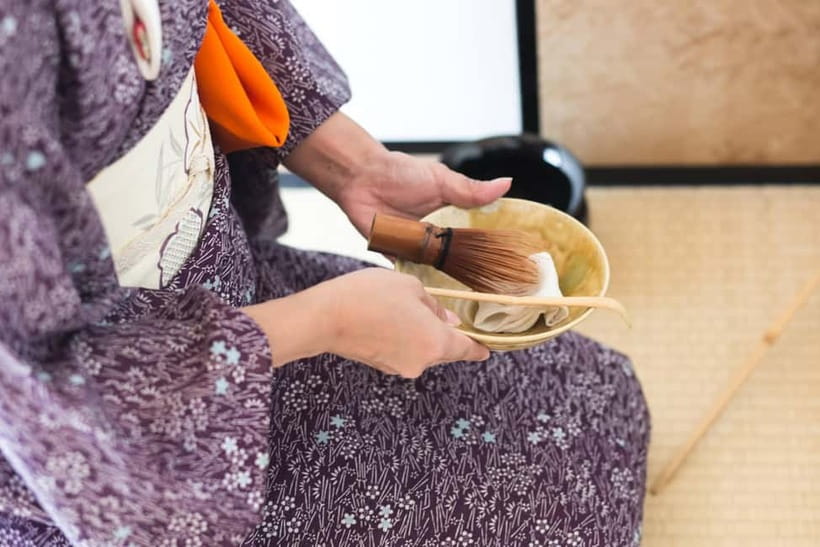
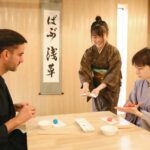
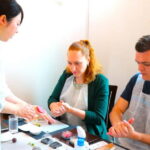
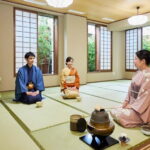
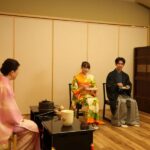
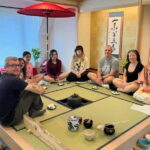
The session runs 1 hour, in a small room with a small group (limited to 6 participants). That format changes the experience. With a small group, you’re more likely to be guided personally—especially during hands-on parts like whisking matcha.
Here’s the core structure you should expect:
First, you settle in and learn what’s happening and why. Tea ceremonies aren’t just a sequence of tasks. They’re a set of movements that reflect attention, respect, and calm. Mari explains the key steps clearly so you know what to do, not just what you’re supposed to pretend to do.
Next comes the main hands-on section: preparing matcha. The experience description specifically says you can make your own tea if you wish. That means you’re not stuck in the audience role. You’ll get guided on whisking the powdered tea and using the movements that keep the process mindful and controlled.
Then, you’ll move through the rest of the ceremony at a slower tempo, where the focus is on receiving the tea and understanding the etiquette around it. Because the group is small, you’re not just waiting your turn while someone performs. You’re learning the rhythm.
One nice detail is the teacher’s emphasis on practice. You may even get tips you can repeat later, like how to handle and fold tools during the ceremony. That turns the hour into something you can carry home mentally.
Matcha, sweets, and what the ceremony trains you to notice
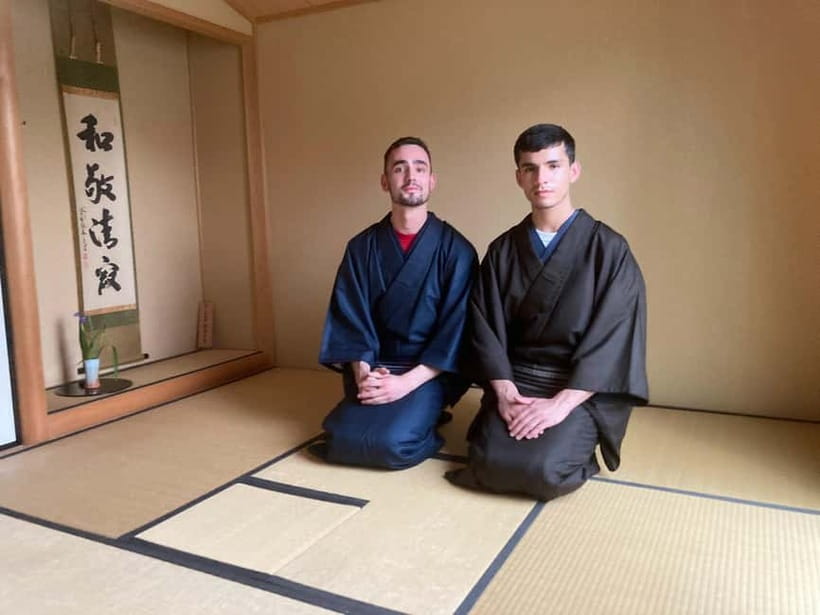
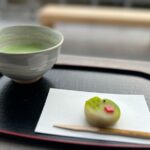
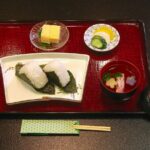
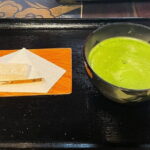
The experience includes matcha and traditional dried sweets, and that pairing is more than a snack break. In a well-run tea experience, the sweets give you a taste contrast, and they help you slow down. Tea culture often works like that: small moments that force you to pay attention again.
When you whisk matcha, you feel the difference between powdered tea and tea as a drink. The consistency is part science, part technique. If you’ve ever made instant matcha at home, you already know it’s not the same thing. Here, you learn why the whisking matters—how it affects texture, and how the process shapes your focus.
The ceremony also teaches you a way to move. You’ll likely notice that the motions are deliberate, and that’s where the calm comes from. People describe the room as a place to escape Tokyo’s push and pull for a while. That’s exactly what you’re buying: a pocket of time where you’re not multitasking.
If you’re traveling with someone who likes culture but hates lectures, this is a good compromise. You’re learning by doing, and the teaching stays tied to what you’re holding and what you’re doing with your hands.
Price and value: is $51 per person worth it?
At $51 per person for a 1-hour small-group class, the value depends on what you want from your Tokyo day. This is not a huge, showy experience with lots of people. You’re paying for a guided lesson and hands-on practice.
From what’s included, your money is doing real work for you:
- matcha (so you’re not bringing ingredients or guessing amounts)
- traditional dried sweets
- a lesson led by Mari (and in English)
- small-group attention (limited to 6)
That inclusion matters because many “cultural” activities either watch-only or require extra spending for the main part. Here, you’re covered for the core experience. Also, since you’re learning the matcha steps directly, you can treat this as a mini skill you’ll remember—rather than a one-time photo-op.
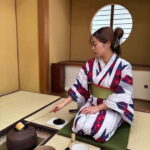
There is an optional cost too: kimono is not included, but you can request it if you want. If you’re the type who likes dressing up for a once-in-a-while moment, it may be worth it. If not, you can skip it and still get the full lesson.

Practical notes: meeting at Senraku-an and finding the room
You’ll meet at Senraku-an 10 minutes before the start time. Plan a little extra buffer. This is one of those spots where a few minutes of walking and last-block directions can matter.
The ceremony location is near Nishi-Nippori station, but it’s also in a residential area. One review flagged that a taxi had trouble finding it, even with the advance info. So I’d treat directions seriously:
- confirm you’re using Senraku-an as the meeting point
- arrive a touch early so you can settle before the ceremony begins
- if you rely on a driver, ask them to drop you at the exact meeting reference, not just the general neighborhood
Stairs are another real consideration. One guest noted the room used is up two flights of narrow stairs. If you’re bringing a partner who has mobility concerns, or you don’t love tight staircases, you’ll want to plan accordingly. This is one of those “small-room charm” tradeoffs.
Finally, there’s “skip the ticket line” listed. In practice, that likely means you’re not dealing with timed-entry crowds like you would for big-ticket attractions. This is a calmer format from start to finish.
Who should book this tea ceremony (and who might not need it)
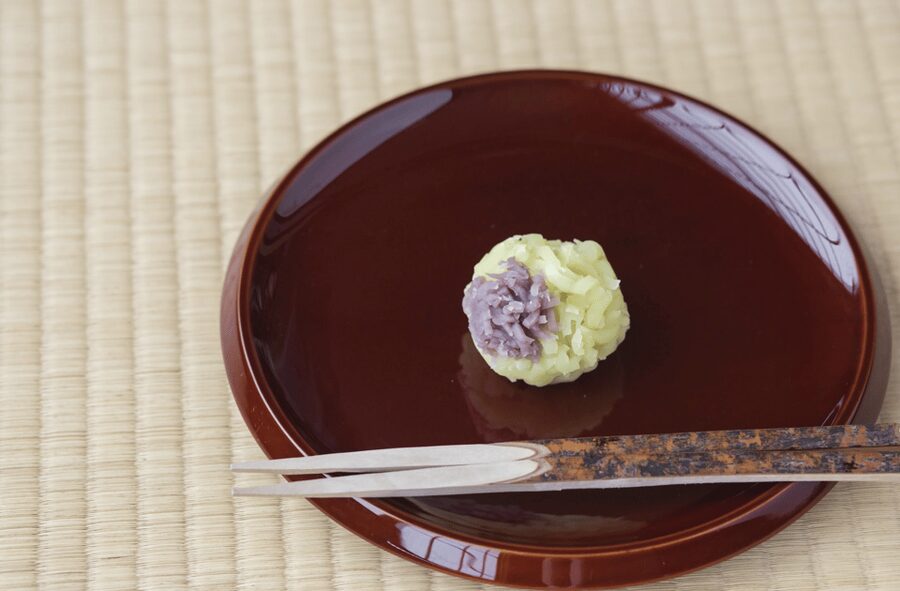
This tea ceremony is a great fit if you want Tokyo culture without pressure. It works especially well for:
- beginners who want a clear start to Japanese tea basics
- couples who want a quiet activity that feels personal
- families looking for something hands-on and calm (and not just another museum line)
- anyone who likes learning by doing, especially with food and ritual
It’s also ideal if you’re already planning to spend time near Yanaka and Nezu Shrine. Pair it with an easy afternoon walk so your schedule doesn’t get overloaded.
Who might pass? If you only want big sights and don’t care about tea technique or etiquette at all, an hour might feel too quiet. And if stairs are a deal-breaker for you, you’ll need to weigh that factor carefully.
Should you book this Tokyo tea ceremony near Yanaka and Nezu Shrine?
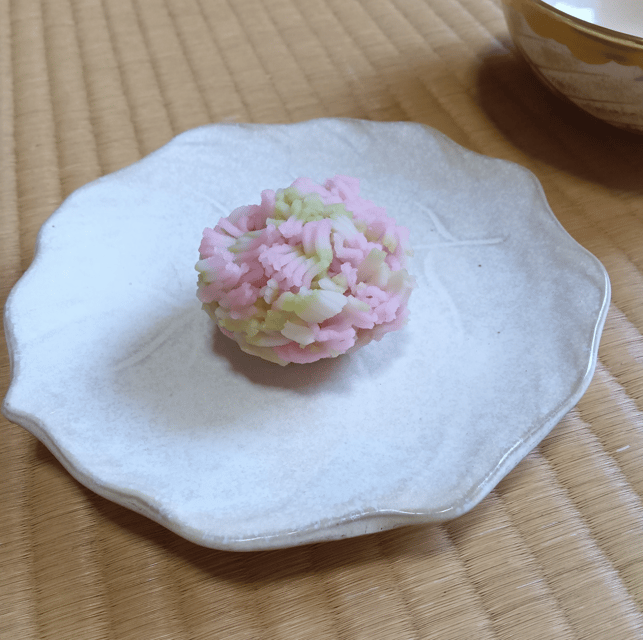
I’d book it if you want a focused cultural experience with real teaching, not just observation. The small group size, English instruction by Mari, and the chance to make your own matcha are the reasons. You get an hour that’s calm, guided, and practical—plus dried sweets to round it out.
But if you’re sensitive to stairs or you hate getting lost in residential areas, plan carefully. Arrive early, use Senraku-an as your anchor, and double-check how you’ll reach the room.
If your goal is a meaningful Tokyo moment that doesn’t require museum energy, this tea ceremony fits the bill nicely.
FAQ
How long is the tea ceremony experience?
The session lasts 1 hour.
Is the instructor able to teach in English?
Yes. The instructor is listed as speaking English.
How many people are in the group?
This is a small group experience limited to 6 participants.
What’s included in the price?
The price includes matcha, traditional dried sweets, and a lesson by the tea ceremony teacher.
Can I wear a kimono?
Kimono is not included, but you can request it if you want.
What’s the cancellation and payment option?
You can cancel up to 24 hours in advance for a full refund. There’s also a reserve now & pay later option.