REVIEW · TOKYO
Tokyo: Private Japanese Traditional Tea Ceremony
Book on GetYourGuide →Operated by Pineapple Co., Ltd. · Bookable on GetYourGuide
Tea ceremony makes a great first Japan memory.
At Mita Koboji Temple, you step into a 1200-year-old setting and learn how a simple bowl of tea connects to Japanese manners. I love how the experience stays quiet and focused, with a guided pace that makes the culture feel real, not staged.
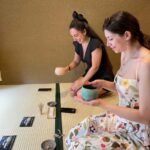
I particularly like the calm, respectful tone in the 24-mat tatami room, and I enjoy that you’re not just watching. You get hands-on time with the tea, with an instructor guiding you in English and Japanese so you can follow along without guessing.
One thing to watch: the kimono and the special Oshima Tsumugi haori are optional add-ons. If you’re expecting them as a standard part of every booking, you’ll want to confirm what’s included before you go.
In This Review
- Key Takeaways Before You Go
- Koboji Temple and the 24-Mat Tatami Calm
- What You Actually Do: Matcha, Wagashi, and Tea Ceremony Etiquette
- The Teishu Moment: Learning From a Kimono-Clad Master
- Hands-On Tea Making: More Than Watching a Performance
- Optional Kimono and Oshima Tsumugi Haori: Worth It if You Confirm the Add-ons
- English Support, Group Size, and the 60-Minute Clock
- Price and Value in Tokyo: Is $74 Reasonable?
- Who Should Book This Tea Ceremony (and Who Might Skip It)
- Should You Book the Koboji Temple Tea Ceremony?
- FAQ
- Where is the tea ceremony held?
- How long is the tea ceremony experience?
- What will I drink and eat?
- Is there English guidance?
- Is it a private experience?
- Can I wear a kimono or the Oshima Tsumugi haori?
- What are the payment and cancellation rules?
Key Takeaways Before You Go
- Koboji Temple setting: A centuries-old, peaceful place for tea and etiquette in a 24-mat tatami room
- Matcha and wagashi only: You’ll focus on tea ceremony flavors, not a full meal experience
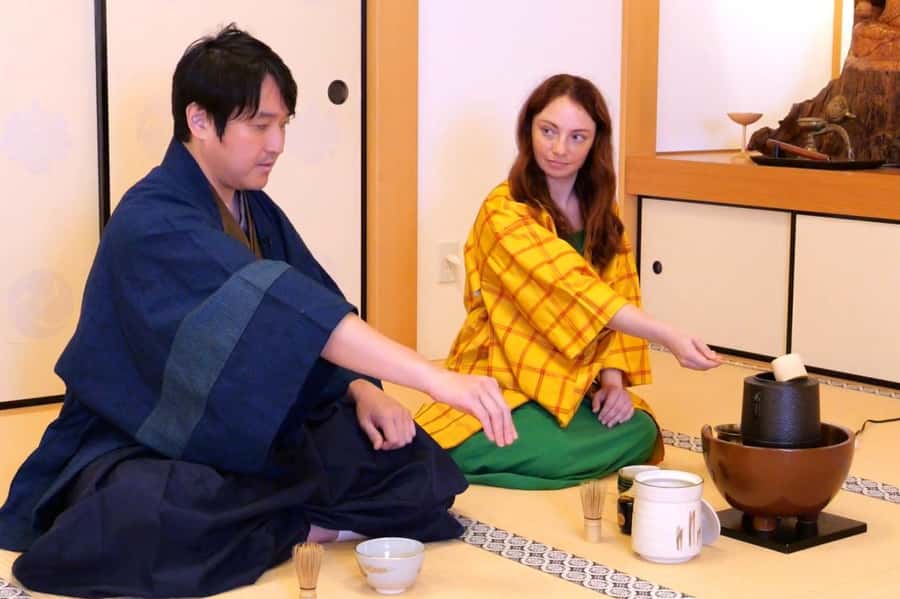
- Hands-on tea making: You’ll participate with the master teishu, not just observe
- Private or semi-private vibe: More attention than the usual crowded show-style activities
- Optional kimono upgrades: Traditional kimono and Oshima Tsumugi haori depend on add-ons
Koboji Temple and the 24-Mat Tatami Calm
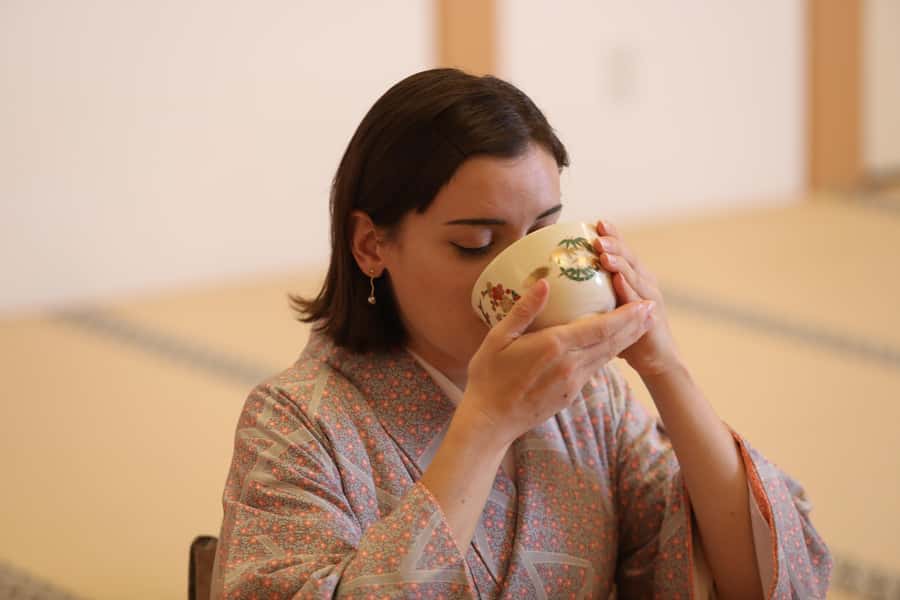
Tokyo has plenty of loud attractions. This one slows you down on purpose.
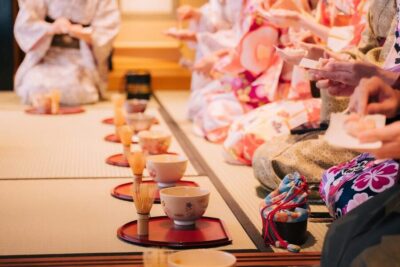
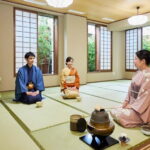
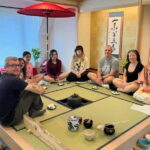
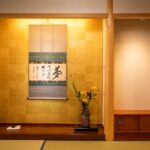
Your experience starts at Mita Koboji Temple, where you’ll move into the tea space for the main event. The ceremony takes place in an authentic 24-mat tatami room, which matters because tatami isn’t just decoration. It shapes your posture, your pace, and the overall feel. Even before the first sip, the room helps you switch into a quieter mindset.
This is also a strong cultural choice if you’re coming to Japan for meaning, not just photos. The temple setting adds a sense of tradition that feels grounded, and the whole format is built around learning etiquette and utensils through guidance.
You can also read our reviews of more tours and experiences in Tokyo.
What You Actually Do: Matcha, Wagashi, and Tea Ceremony Etiquette
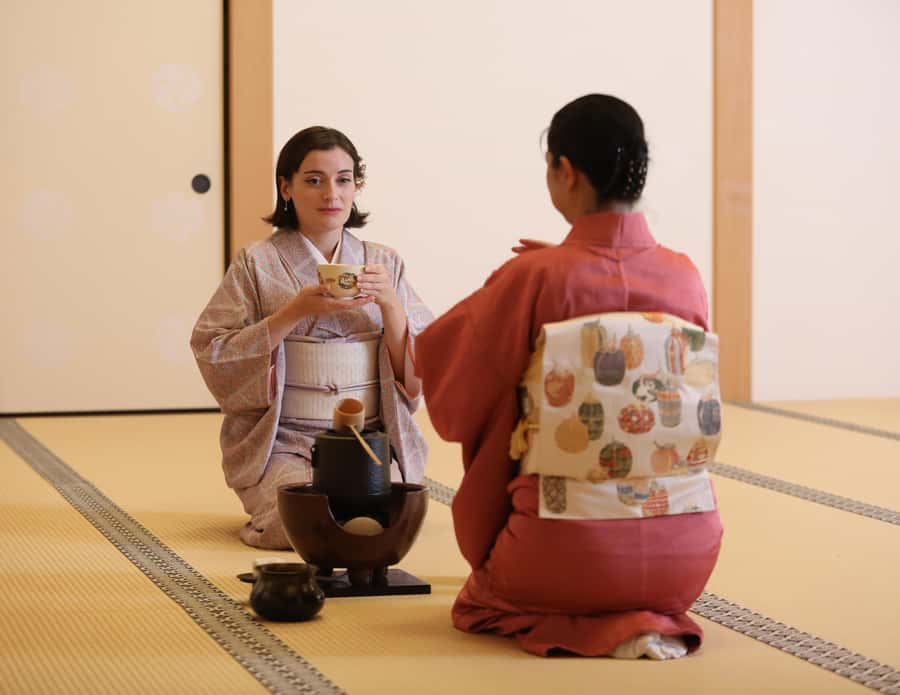
This is not a tea tasting where you sample and move on. You’re learning a ritual.
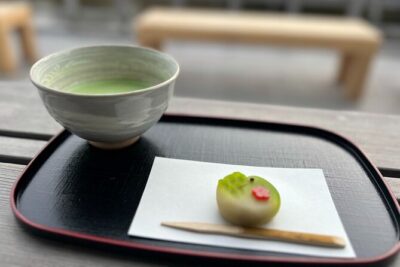
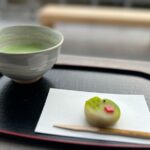
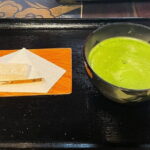
You’ll enjoy matcha green tea and Japanese sweets (wagashi), prepared in the context of the tea ceremony. That pairing is practical: matcha’s bitterness and grassy character gets balanced by the sweetness and texture of wagashi, and the ceremony timing helps you taste in the right order.
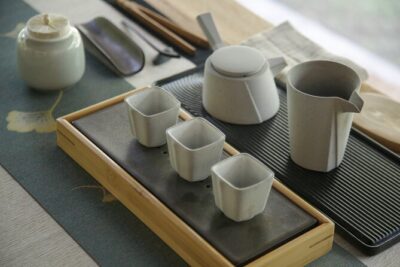
The instructor will also run a lecture on tea ceremonies and guide you through etiquette—how to handle the utensils and how to behave during the ritual. For a non-Japanese speaker, this is one of the best parts: you’re not expected to already know what to do. The goal is understanding, not testing.
And because the experience lasts about 60 minutes, you’ll get enough time to learn the basics and still feel like you experienced it fully, not rushed through.
The Teishu Moment: Learning From a Kimono-Clad Master
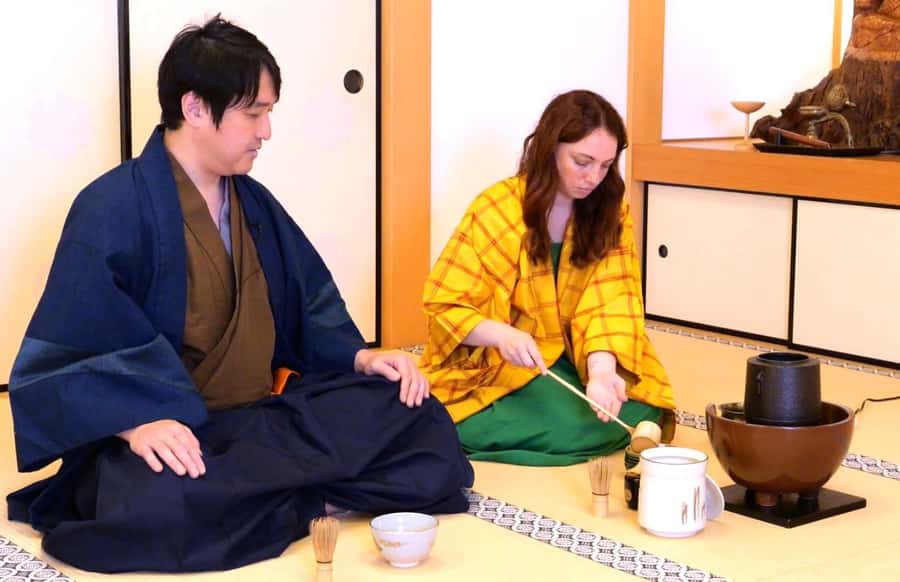
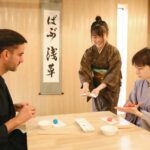
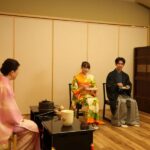
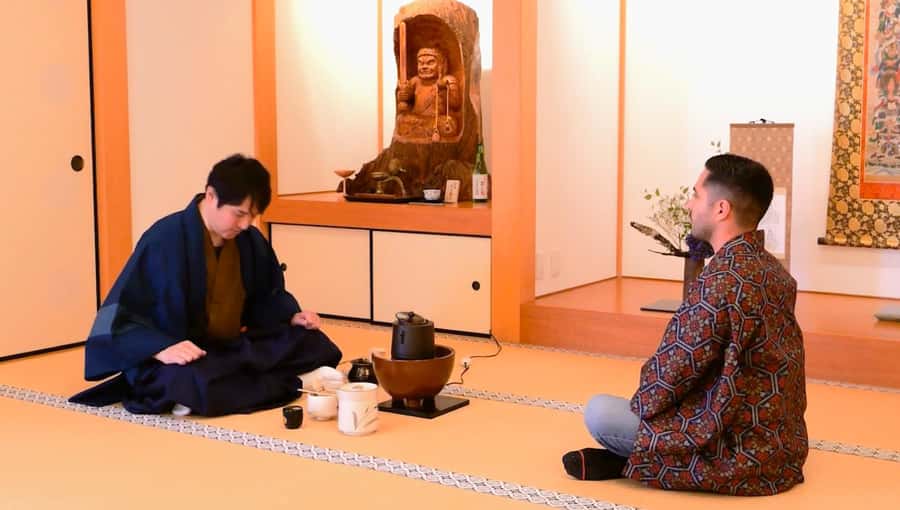
The ceremony is led by the master teishu (the tea instructor), who wears traditional clothing and performs the procedure while teaching it. This is where the “show” element stays light and the “lesson” element feels real.
In particular, I like the fact that the instruction is delivered in both English and Japanese. That doesn’t always mean perfect translation, but it does mean you’re far less likely to feel lost. The guidance style is also important: the experience is structured so you can follow instructions easily, which helps the mood stay calm instead of chaotic.
The temple setting plus the lecture component can make this feel unexpectedly spiritual in tone. Even if you’re not looking for religion, the focus on respect and manners is a big part of why people remember this experience.
Hands-On Tea Making: More Than Watching a Performance
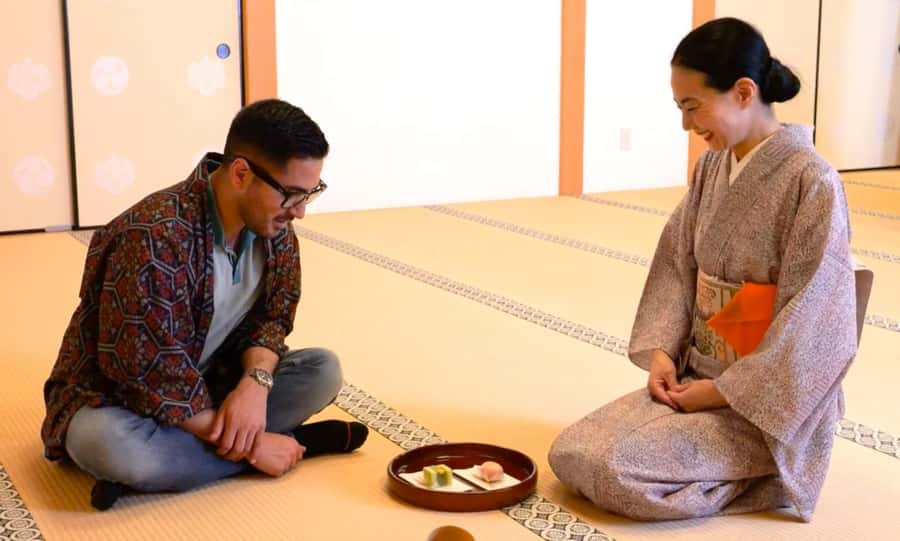
A lot of tea experiences let you watch. This one includes participation.
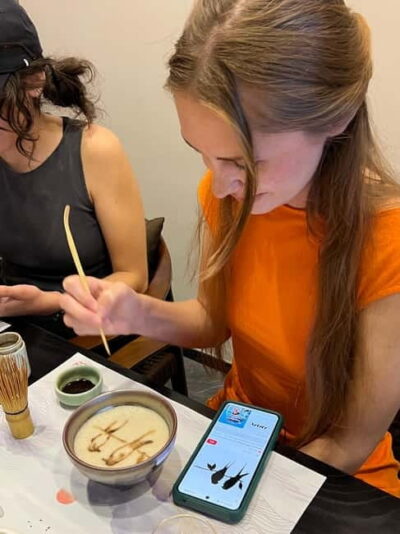
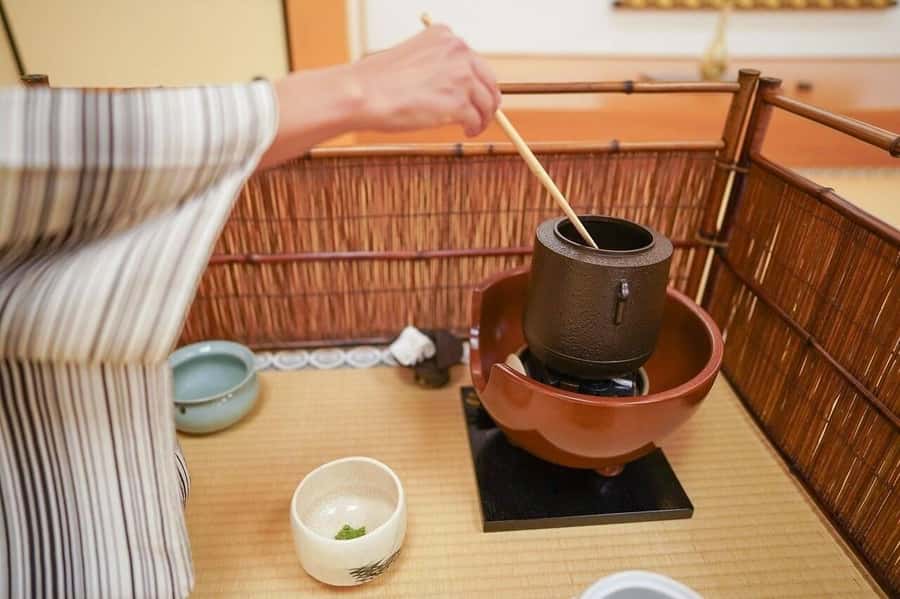
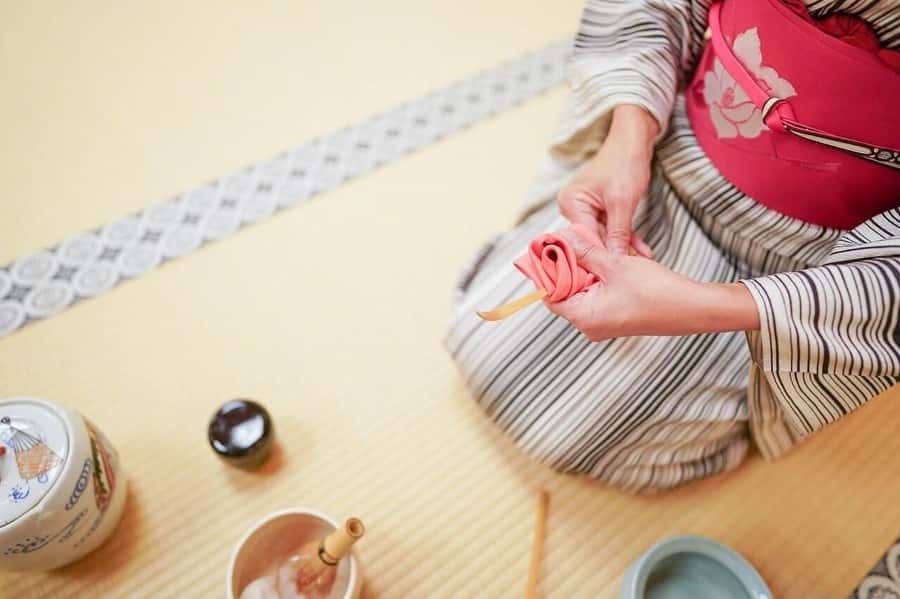
You’ll make tea yourself with the master’s guidance, and then you’ll also see more tea prepared. That rhythm helps you understand the process instead of just copying a couple of moves. When you pour or prepare, you start noticing details—how deliberate the pace is, and how much the ritual depends on attention.
You also get to experience the ceremony as something you do, not something you only observe. That’s a key value point for me: once you’ve participated, matcha isn’t just a drink. It’s a sequence of actions tied to etiquette and respect.
If you care about authenticity, this is a strong fit. The whole thing is designed around proper tools and manners, not shortcuts.
Optional Kimono and Oshima Tsumugi Haori: Worth It if You Confirm the Add-ons
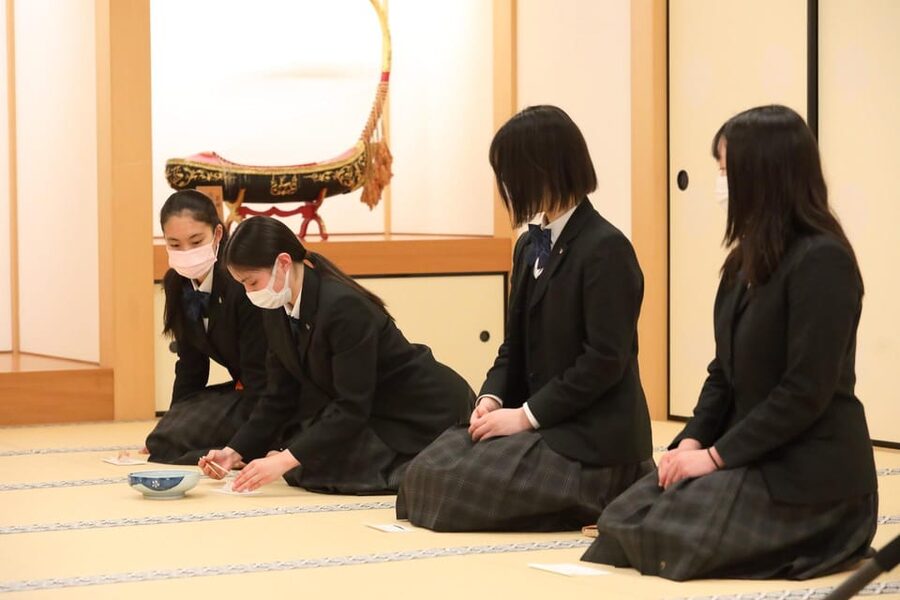
Let’s talk clothing, because this is where expectations can get mismatched.
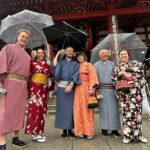
You can choose a traditional kimono and a rare Oshima Tsumugi haori as optional add-ons. The Oshima Tsumugi is described as luxurious silk textile with mud-dyed color, kasuri patterns, and a lightweight, supple drape. In plain terms: it’s a special layering piece that can make your photos (and your feel for Japanese elegance) more memorable.
A certified kimono master dresses you comfortably—over a T-shirt or a kimono undergarment—so you don’t need to bring anything or know how to put it on. That’s a real convenience win. You also don’t have to arrive in traditional clothing.
Important practical note: not every booking automatically includes kimono/haori. Some people expect it and are surprised when it doesn’t happen unless they select the add-ons. If wearing the outfit is a major reason you booked, confirm what’s included in your specific option before you arrive.

English Support, Group Size, and the 60-Minute Clock
This experience is private or semi-private, so you’re not stuck in a huge crowd. That matters in a tea ceremony, because the whole point is attention and etiquette. Smaller group dynamics usually means more room to ask questions and follow along.
The activity includes guided instruction in English and Japanese, so you can learn the meaning behind what you’re doing. One caution: language quality can vary by instructor and context, and you should plan to rely on the guidance rather than assume you’ll catch every nuance. The instructor does explain clearly, but this is still an educational experience, not a live audio guide.
Timing is another detail to plan around. The experience is described as about 60 minutes, but you might find it lands closer to three quarters of an hour depending on flow and pacing. Either way, it’s long enough to feel complete, and short enough to fit into a day of temple and neighborhood exploring.
Price and Value in Tokyo: Is $74 Reasonable?

At $74 per person, you’re paying for a very specific experience: a guided tea ceremony at a temple with a master instructor, plus matcha and wagashi, plus lecture and participation. That’s not the same category as a casual food tour or a generic cultural activity.
So what’s the value here?
- You’re paying for instruction, not just access. The instructor guides etiquette and utensils, and you participate in making tea.
- You’re paying for setting and format: a tatami room tied to a temple experience, with a calm pace.
- You’re paying for language support in English and Japanese, which reduces confusion for non-Japanese speakers.
- You might pay extra for clothing if you want the kimono and Oshima Tsumugi haori look.
Where the price can feel steep is if you expected a bigger time investment, more food variety, or guaranteed kimono/haori included in every booking. This tea ceremony is matcha and wagashi only—there’s no other meal.
If you want a meaningful cultural activity, participate actively, and you’re okay with tea and sweets as the full food experience, then the cost can feel justified. If you want a more casual, cheaper activity with broader food stops, you may feel underwhelmed.
Who Should Book This Tea Ceremony (and Who Might Skip It)
This works best for you if:
- You want a focused cultural experience rather than a shopping or sightseeing sprint
- You’re excited to learn tea ceremony etiquette and not just take photos
- You’d enjoy a calm, temple-based setting in Tokyo
- You like the idea of participating in tea making
You might want to think twice if:
- You’re booking mainly for a guaranteed kimono experience but don’t plan to choose the optional add-ons
- You feel strongly that $74 should include more food or longer time than a tea ceremony format usually offers
- You prefer a very simple activity with minimal instruction and no etiquette learning
It’s a good fit for first-timers to Japan, but also for anyone who’s already been to a few classic sights and wants something quieter and more personal.
Should You Book the Koboji Temple Tea Ceremony?
I think you should book it if you want a respectful, calm, hands-on way to understand Japanese tea culture. The combination of a temple setting, guided etiquette, matcha and wagashi, and participation makes it feel like an experience you’ll carry with you, not just an event you pass through.
Before you book, do one quick check: make sure you’ve selected the kimono and Oshima Tsumugi haori add-ons if that’s part of what you want. If you’re clear on that, the experience’s pace and focus on tea will feel exactly right.
FAQ
Where is the tea ceremony held?
The experience starts at Mita Koboji Temple and ends back at the same meeting point.
How long is the tea ceremony experience?
It lasts about 60 minutes.
What will I drink and eat?
You’ll have matcha green tea and Japanese sweets (wagashi). No other meals are included.
Is there English guidance?
Yes. Guidance is available in English and Japanese.
Is it a private experience?
It’s private or semi-private, depending on your booking.
Can I wear a kimono or the Oshima Tsumugi haori?
Yes, a traditional kimono and the Oshima Tsumugi haori are available as optional add-ons.
What are the payment and cancellation rules?
You can reserve & pay later, and you can cancel up to 24 hours in advance for a full refund.