REVIEW · TOKYO
Tokyo: Matcha Tea Ceremony Experience in Shibuya
Book on GetYourGuide →Operated by Trip Port · Bookable on GetYourGuide
A bowl of matcha can quiet a city. In Shibuya, this 1-hour hands-on matcha tea ceremony turns Japanese tea culture into something you do, not just watch. I love that you make your own matcha with step-by-step guidance, and you also get to compare different Japanese teas alongside a traditional sweet for each pairing. The pace is relaxed, the teaching is friendly, and the room stays calm even in the middle of Tokyo’s energy.
The one caution: it’s only one hour, so if you want a long, slow, multi-course-style ceremony, you’ll feel slightly rushed at the end (even though the host keeps it comfortable and welcoming).
In This Review
- Key Points You’ll Care About
- Tokyo Matcha in Shibuya: A 1-Hour Ceremony That Feels Personal
- Getting There: Okazaki Building Entrance in Shibuya
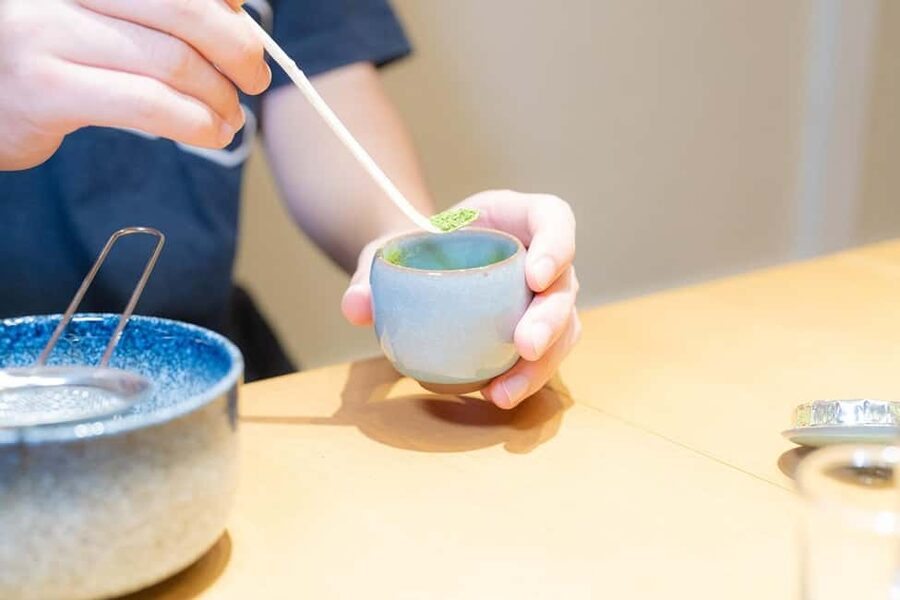
- Step-by-Step Matcha Making: What You Actually Learn
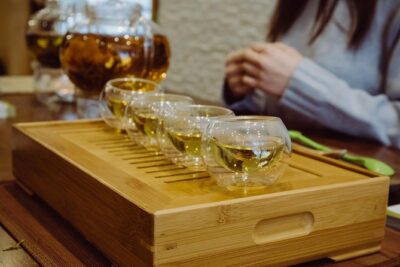
- Tea Tasting Flight: Matcha and Other Japanese Teas
- Tea Manners and Serving Steps: The Calm Part You Can Take Home
- Learning the Story: Cultural Context From Taku
- Photos Included: A Small Touch With Real Value
- Price and Value: Is $30 Worth It?
- Who This Is Best For (and Who Might Skip)
- Should You Book This Matcha Tea Ceremony in Shibuya?
- FAQ
- Where is the meeting point?
- How long does the matcha tea ceremony experience last?
- How much does it cost?
- Is the tour taught in English?
- How many people are in the group?
- Is the experience wheelchair accessible?
- Are photos included?
- Is there free cancellation?
Key Points You’ll Care About
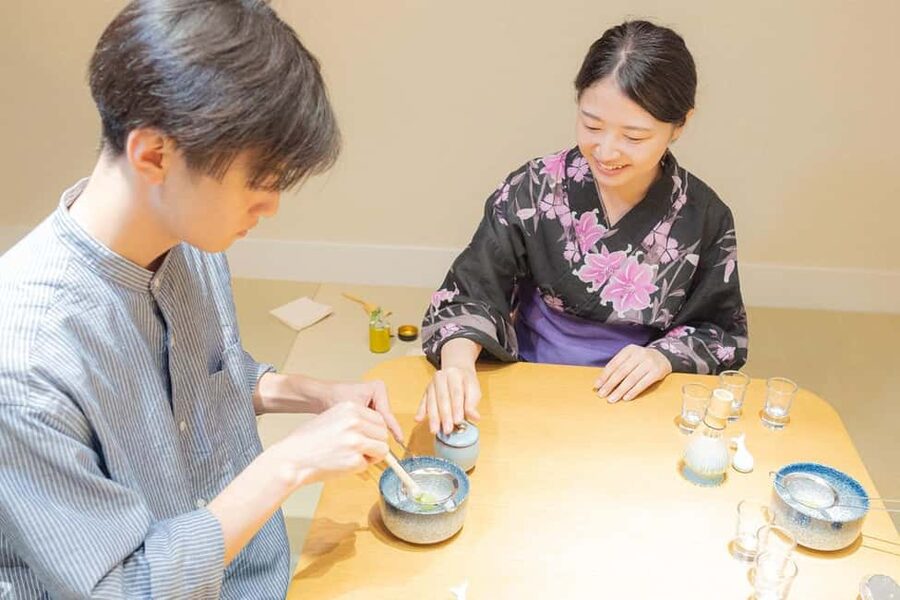
- Make your own matcha with step-by-step guidance and proper serving manners
- Taste and compare several Japanese teas and learn what changes in flavor and aroma
- Small group (up to 10) keeps it personal enough to ask questions
- English instruction from the host, including cultural context and history
- Photos included, shared at the end, so you can remember the process
Tokyo Matcha in Shibuya: A 1-Hour Ceremony That Feels Personal
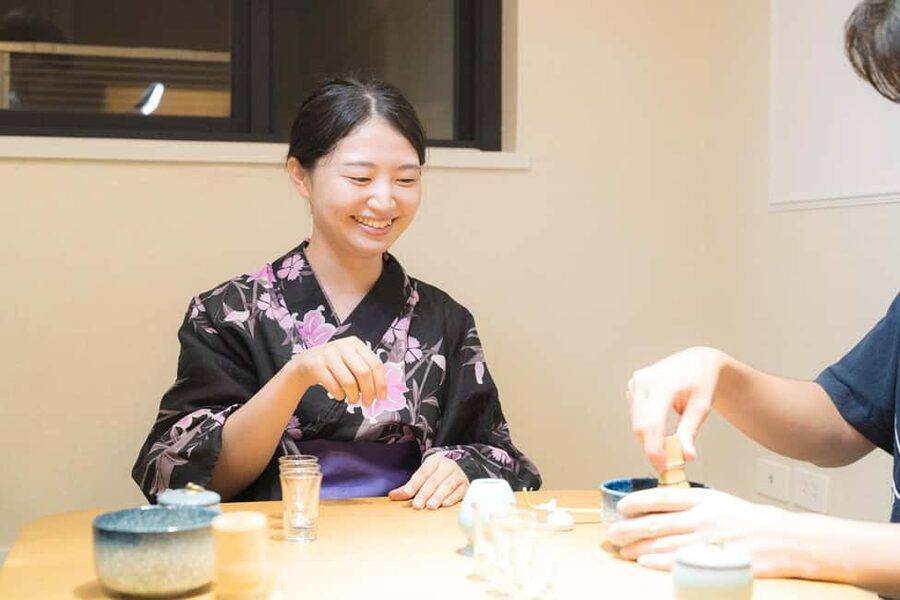
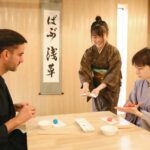
Tokyo can feel fast—Shibuya especially. That’s why I like this format: a short, guided tea ceremony that gives your body a reset. You’re not just hearing about tea; you’re mixing matcha, tasting carefully prepared cups, and learning the serving flow that makes the whole ritual feel intentional.
What makes it work is the combination of active participation and gentle structure. You’ll be taught the basics of making matcha and serving tea, then you’ll taste several teas prepared in a way that highlights differences. The host’s style matters too. In the reviews, the host is repeatedly described as kind and well prepared, and one review specifically names Taku as the great English-speaking host. That lines up with what you want for this kind of cultural activity: clear guidance, patience, and a calm room.
If you’ve never done a tea ceremony before, you won’t feel behind. If you’ve done one somewhere else, you’ll still appreciate the “compare and learn” approach that focuses on how tea style and presentation change what you taste.
You can also read our reviews of more tours and experiences in Tokyo.
Getting There: Okazaki Building Entrance in Shibuya
Your meeting point is straightforward but specific: the instructor stands in front of the Okazaki Building entrance, with a vending machine next to it. That matters because tea experiences start on time and the group is small.
Plan to arrive a few minutes early so you can spot the entrance cleanly and settle in. Since the session is 1 hour, being late can cut into your hands-on time—which is the whole point. Also, Shibuya streets can be confusing if you’re moving quickly, so give yourself a short buffer to orient yourself before you meet the host.
One more practical note: if you’re traveling with a stroller or moving slowly through crowds, take your time getting to the exact entrance. The group stays limited to 10 participants, so the host needs everyone to line up and begin together.
Step-by-Step Matcha Making: What You Actually Learn
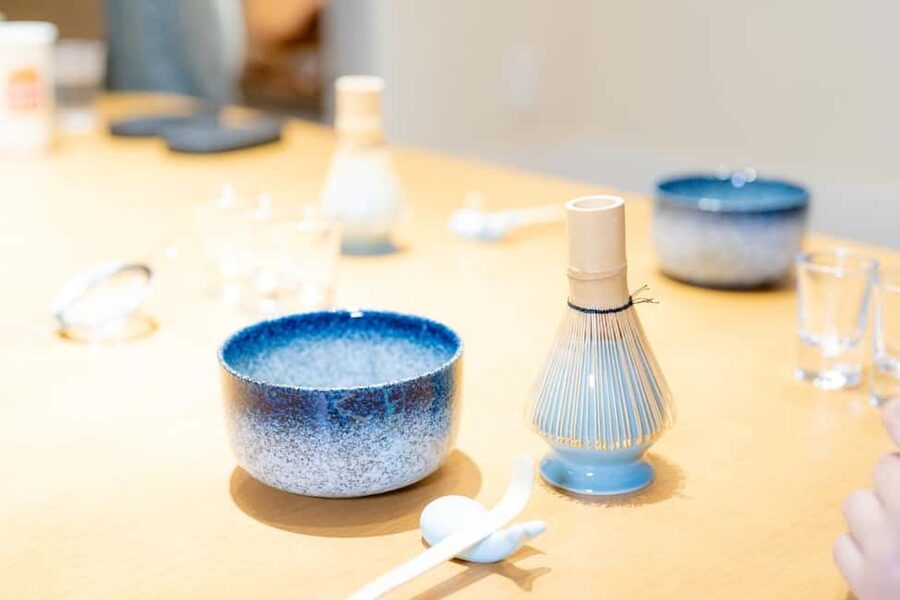
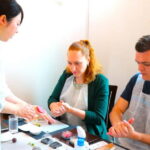
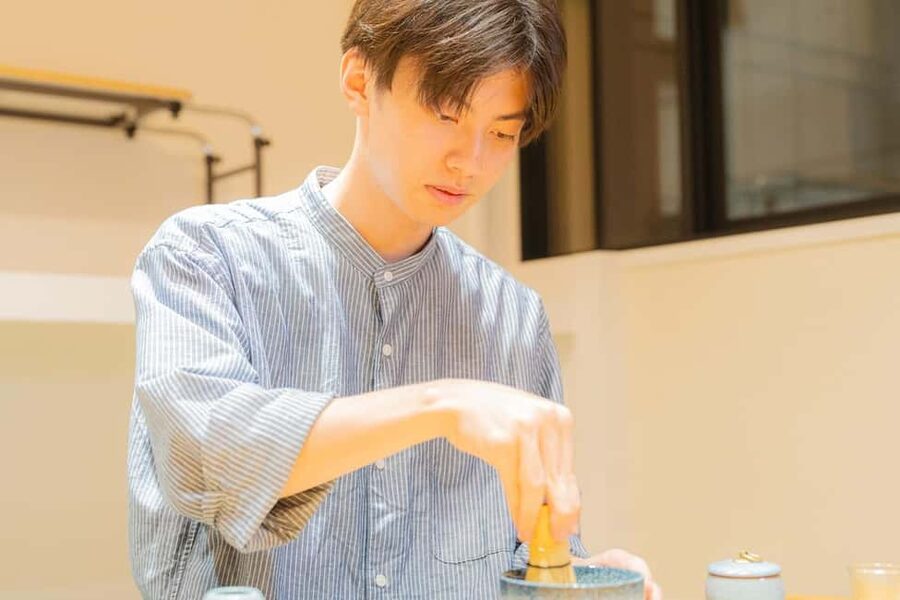
The center of the experience is making your own matcha. You’ll get guided steps, and the goal is not just to produce a cup—it’s to understand why each action matters. Tea ceremonies have rules, but here they’re taught in a way that feels doable.
Here’s what you should expect while you’re participating:
- You’ll follow the host’s instructions while you prepare matcha.
- You’ll learn basic serving manners so the experience feels respectful, not casual.
- You’ll get to taste what you make, then compare it with other prepared teas.
The value of hands-on teaching is that it forces your attention onto small details: how the tea looks, how it smells before tasting, and how it changes once you take a sip. That’s where you’ll start noticing why matcha is so different from other teas. You’re training your senses in real time, with a friendly teacher checking your pace and technique.
If you’re the type who usually skips “class” style activities, this is still worth doing because the learning is tied to doing. You’re not staring at a screen while someone talks. You’re actively making the tea and learning the rhythm of the ceremony through your hands.
Tea Tasting Flight: Matcha and Other Japanese Teas
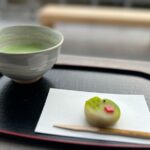
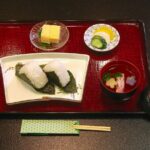
Matcha is the headline, but the ceremony doesn’t stop there. One of the best parts of this experience is that you’ll taste and compare different Japanese teas during the session. Each tea is carefully prepared, and each pairing is paired with a small traditional sweet snack meant to enhance the tea’s flavor.
That pairing matters more than it sounds. Sweet snacks can change how bitterness, grassiness, and aroma register in your mouth. When you taste tea by itself, you might think you know the flavor. When you taste it with the sweet and then switch to a different tea, you start noticing how aroma and taste shift with context.
I like the learning angle here because it makes tea culture feel practical. You’re learning to appreciate subtle differences in:
- Aroma (what you notice before sipping)
- Taste balance (how bitterness and sweetness feel)
- Presentation and sequence (what you drink first vs. second)
The result is that you leave with a memory of comparisons, not just a single cup of matcha. If you love food experiences where you can actually detect differences, this part is the payoff.
Tea Manners and Serving Steps: The Calm Part You Can Take Home
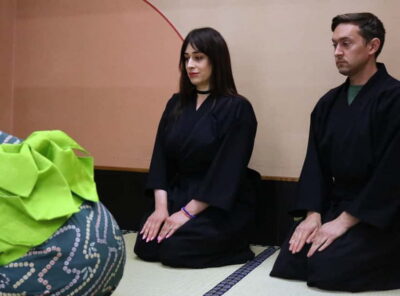
A tea ceremony is about manners. It’s also about attention. This one-hour experience teaches basic steps and serving manners, and it does it in a relaxed, welcoming way. The host guides you through what to do and when, so you’re not worrying about getting it wrong.
Even though the activity is short, the tone is deliberately calm. That calm matters because you’ll feel it in your body—your pace slows, your eyes soften, and you start focusing on one cup at a time instead of juggling Tokyo’s constant motion.
From a practical standpoint, the manners you’ll learn aren’t just decorative. They help you:
- Handle the tea setup carefully
- Understand respectful timing in a group setting
- Appreciate how the ceremony’s rhythm supports mindfulness
And yes, it’s enjoyable. In the reviews, the ceremony is described as pleasant and the host is praised for preparation and communication. That combination—good structure plus a friendly teaching style—is what keeps manners from feeling stiff or stressful.

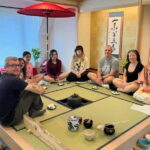
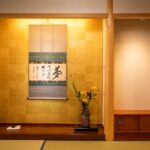
Learning the Story: Cultural Context From Taku
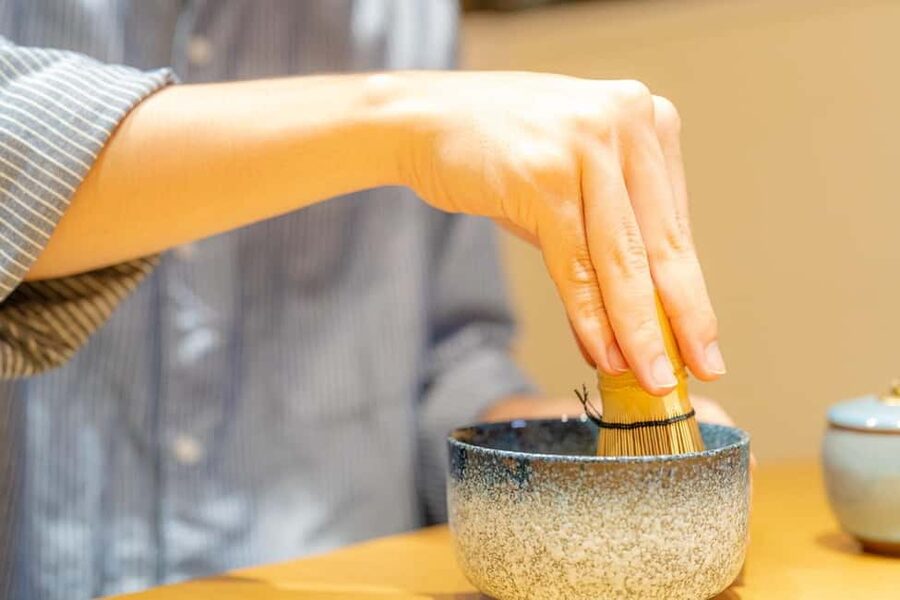
Food and drink become more memorable when you understand the “why.” Here, you learn the rich context and history of tea culture from the host. The key is that the teaching is local and delivered by someone who can connect traditions to what you’re experiencing in the room.
The best part of a good cultural lesson is when it lands right where your senses already are. If you’re holding a whisk, tasting a cup, and then hearing how tea practices evolved or why certain steps matter, the story sticks.
In one review, the host is named Taku and praised for excellent English and being well prepared. That’s exactly what you need for a ceremony: clear explanations that don’t get lost in translation. If you’re studying Japanese culture through food, this is a smart way to do it—learn just enough history to give the ritual meaning, then let your senses do the rest.
Photos Included: A Small Touch With Real Value
They share photos at the end of the experience. That’s more useful than it sounds. Tea sessions can be hard to document well because you’re focused on technique, and the room is often calm rather than chaotic for selfies.
Having photos means:
- You can remember the process even if your hands were busy
- You don’t have to balance awkward filming while learning manners
- You’ll get a better idea of how your finished cups looked in context
It’s also helpful for couples or friends. You can relax during the ceremony and still get images afterward.
Price and Value: Is $30 Worth It?
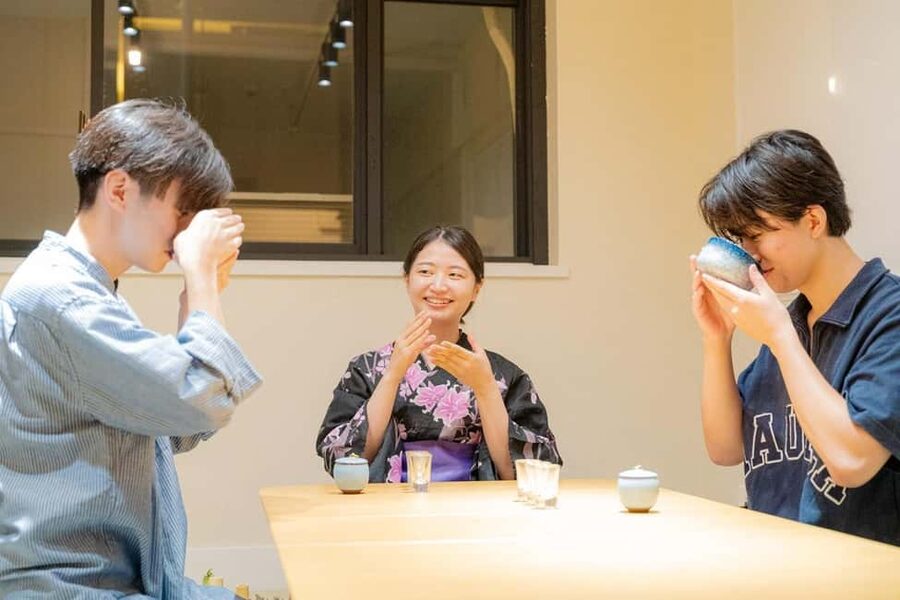
At $30 per person for a 1-hour experience, the value depends on what you want from Tokyo. If you’re looking for a quick photo stop, this isn’t that. This is an active cultural workshop—tools provided, teas included, a sweet included, and guided instruction throughout.
What you’re getting for the price:
- 1-hour expert guidance in English
- Tea ceremony tools for the hands-on part
- Best selections of tea leaves plus a little sweet snack
- Photos shared at the end
- Small group size (limited to 10 participants)
Compared to many “tasting” experiences that feel like sampling without teaching, this one is more structured. You’re learning a process. That makes it feel more like value than cost.
The short duration can actually be a plus. You can fit it into a day of exploring Shibuya and still have an experience that feels authentic and grounded.
Who This Is Best For (and Who Might Skip)
I think this is a great fit if you:
- Want an authentic Tokyo activity beyond shopping and sightseeing
- Prefer small groups where questions are possible
- Enjoy food and drink experiences that teach you what to notice
- Want to learn basic cultural manners without feeling pressured
It may not be your best match if you:
- Expect a very long, highly formal tea ceremony with lots of stages
- Want something purely informational with no hands-on participation
- Only have time for an ultra-short activity and can’t reach the exact meeting entrance in time
If your goal is calm, technique, and tasting comparisons in one hour, you’ll likely love it.
Should You Book This Matcha Tea Ceremony in Shibuya?
If you’re in Tokyo and want a cultural experience you can actively participate in, I’d book it. This is one of those rare short activities where the time matches the experience: you learn the steps, taste the teas, and come away with a clear sense of how matcha differs from other Japanese teas.
Choose it if you like guided learning, careful tasting, and a welcoming host. With a small group capped at 10, English instruction, and the host named Taku praised for excellent communication and preparation, you’re set up for a smooth session.
If you want a deep, multi-hour, ceremonial immersion, you might feel it’s too short. But if you want something calm, meaningful, and actually hands-on in the middle of Shibuya, this is a strong yes.
FAQ
Where is the meeting point?
The instructor stands in front of the Okazaki Building entrance, and there is a vending machine next to it.
How long does the matcha tea ceremony experience last?
It lasts 1 hour.
How much does it cost?
The price is $30 per person.
Is the tour taught in English?
Yes, the instructor provides instruction in English.
How many people are in the group?
It’s a small group limited to 10 participants.
Is the experience wheelchair accessible?
Yes, the experience is listed as wheelchair accessible.
Are photos included?
Yes, photos are taken during the experience and shared at the end.
Is there free cancellation?
Yes, you can cancel up to 24 hours in advance for a full refund.