REVIEW · TOKYO
Tokyo 6 hr Private Guided Tour & Tea Ceremony Experience
Book on Viator →Operated by Japan Guide Agency · Bookable on Viator
Six hours in Tokyo goes by fast. This private tour pairs big-name neighborhoods with a real cultural pause: a tea ceremony. I like the way you get a licensed local guide who keeps the day moving, and I like that the itinerary is flexible so you can choose what you care about most. One thing to consider: you’ll typically select only 2–3 main sights, so this isn’t designed to hit every landmark on your bucket list.
This is priced at $161.25 per person for a 6-hour experience, and it’s set up for small groups (max 10). With mobile tickets and a guide who can explain what you’re seeing as you go, it often feels like better value than trying to stitch together multiple half-days on your own.
In This Review
- Key things to know before you go
- Why This 6-Hour Tokyo Tour Works So Well
- Pick Your Two or Three Stops: Making Tokyo Personal
- Tea Ceremony Included: What You’re Actually Getting
- Jidaiya and Asakusa: Old Tokyo With a More Authentic Angle
- The Imperial Palace Area: Royal Grounds Without Palace Tickets
- Shibuya Scramble Crossing and Takeshita Street: Modern Tokyo in Full Volume
- Meiji Jingu Shrine: A Calm Contrast Next to Harajuku
- Akihabara and Tsukiji Outer Market: Tech Shops and Food-Neighbor Streets
- Garden Breaks: Hamarikyu, Rikugien, and Koishikawa Korakuen
- Shinjuku Golden Gai and Shinjuku Gyoen: Nooks and Quiet Lawns
- Price and What You Should Budget Beyond the Tour
- Pacing and Guide Quality: Getting the Day You Want
- Should You Book This Tokyo 6-Hour Tour?
- FAQ
- What is the duration of the Tokyo 6-hour private guided tour?
- Is the tea ceremony included?
- Can I enter the Imperial Palace?
- Are entrance fees included for all stops?
- Is there hotel pickup?
- What is the cancellation policy?
Key things to know before you go
- Tea ceremony is included as part of the experience, not an add-on
- Choose 2–3 sights from a menu, so your day matches your interests
- A licensed local English-speaking guide means less guesswork
- Most major stops have no admission fee, but some garden entrances cost extra
- Pickup may be available depending on where you’re staying, so confirm your meeting plan
- Max 10 travelers keeps the pacing manageable for a shared tour format
Why This 6-Hour Tokyo Tour Works So Well
Tokyo can be overwhelming. This tour is built to help you get your bearings fast without spending your whole day checking maps, trains, and opening times.
The best part is the structure. You get a guide for the full 6-hour window, and that changes how you experience the city. You’re not just walking from one photo stop to another. You’re learning what each place means, what to look for, and how the districts connect.
Another practical win: many of the major sights on the menu are free to enter. That matters because Tokyo adds up quickly once you start paying garden tickets, transport, and extra museum fees.
The tea ceremony also isn’t just a box to tick. It’s the kind of cultural activity that slows the day down, gives you a break from walking, and adds context to what you’ll see afterward.
You can also read our reviews of more tours and experiences in Tokyo.

Pick Your Two or Three Stops: Making Tokyo Personal
Even though the day is 6 hours, you’re not forced to follow a long chain of stops. Instead, you choose your core sights from the operator’s list of options. That choice is the whole point.
If you’re the type who loves variety, you might pick one “old Tokyo” option (like Asakusa/Sensoji or a traditional culture experience), then balance it with one “modern Tokyo” option (like Shibuya or Akihabara). If you’re more into nature and quiet, you can lean heavier toward the garden choices (some of which have paid admission).
The drawback is simple: if you choose poorly, you may feel like you didn’t see enough. If you choose well, you’ll feel like you packed smart.
Tip: choose based on energy, not just popularity. Shibuya and Takeshita Street move quickly and can be loud. Shrines and gardens give you different pacing. Plan one “high-energy” stop and one “reset” stop for best results.
Tea Ceremony Included: What You’re Actually Getting
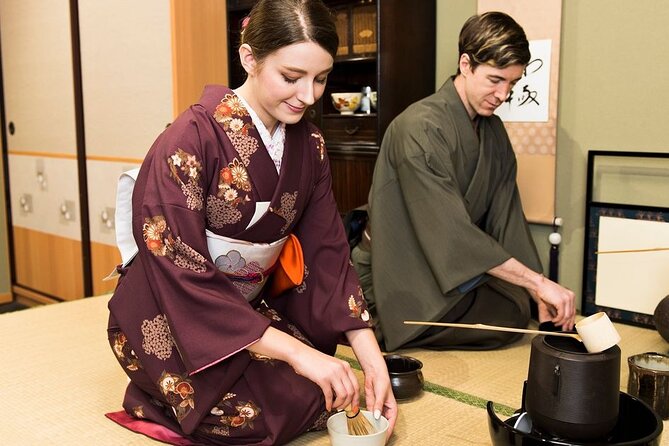
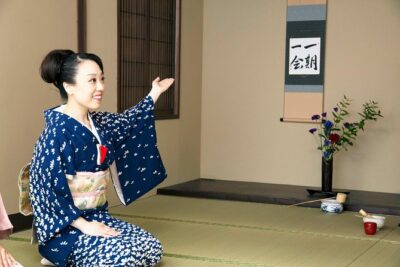
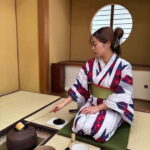
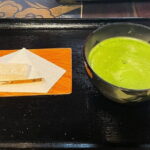
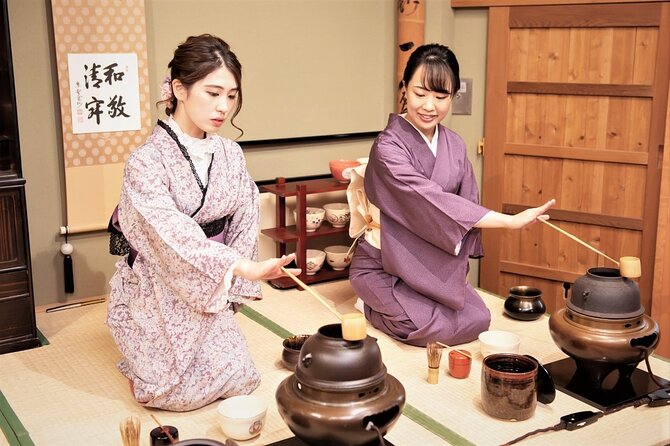
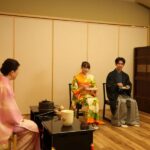
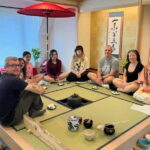
This tour includes a traditional tea ceremony experience. You’re getting more than time sitting with a cup. A good ceremony helps you understand why presentation, timing, and simple movements matter in Japanese culture.
Since tea ceremony details beyond that aren’t spelled out here, I’d suggest you treat it as a cultural lesson more than a performance. You’ll likely spend time learning how to handle the moment respectfully and what each step represents.
What I’d watch for as you plan: this is a hands-on experience, so keep your schedule flexible. Also, check whether you’re pairing it with a stop where you’ll want to remove or put on extra items (like light layers). Tokyo mornings and afternoons can swing in temperature.
Jidaiya and Asakusa: Old Tokyo With a More Authentic Angle

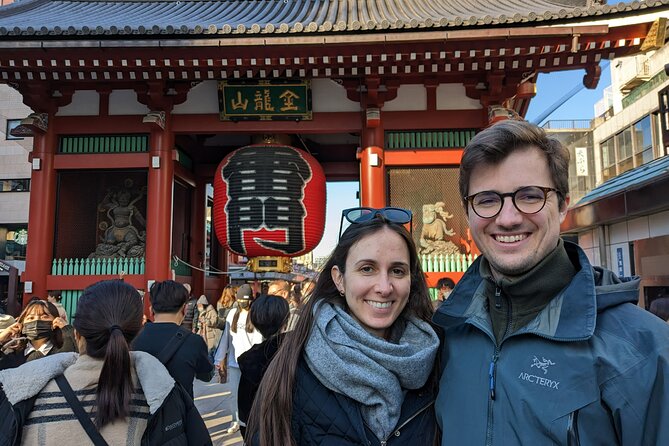
Asakusa is the classic start point for many first timers because it’s strongly tied to Shitamachi, Tokyo’s “low city” identity—street life, old-school neighborhoods, and a temple-centered rhythm.
On this tour menu, you can go to Jidaiya as a culture-focused alternative to a standard Asakusa loop. Jidaiya is described as a Japanese culture experience program, aimed at people who want something more profound and authentic than the usual Asakusa sightseeing route. That’s a good sign if you’re craving meaning over crowds.
Then you can pair it with Asakusa proper and the big centerpiece:
- Asakusa (center of Shitamachi life): The feel here is about legacy neighborhoods rather than shiny landmarks.
- Sensoji Temple: This is one of Tokyo’s most colorful and popular temples, and it’s known for its legend about an early discovery involving two people and a temple origin story.
Practical note: your time at temple areas can feel “short” because the surroundings are part of the experience. Even if your allocated time sounds small, the streets and atmosphere are part of what you’re paying for when you have a guide.
If you like sensory walking—smells, sounds, and the energy of old neighborhood streets—this is a great pairing.
The Imperial Palace Area: Royal Grounds Without Palace Tickets
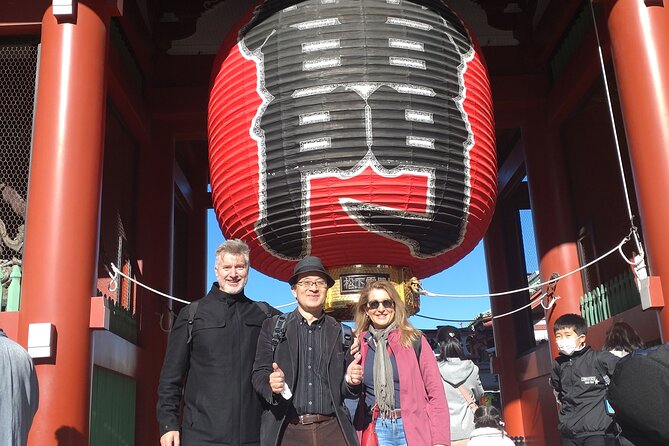
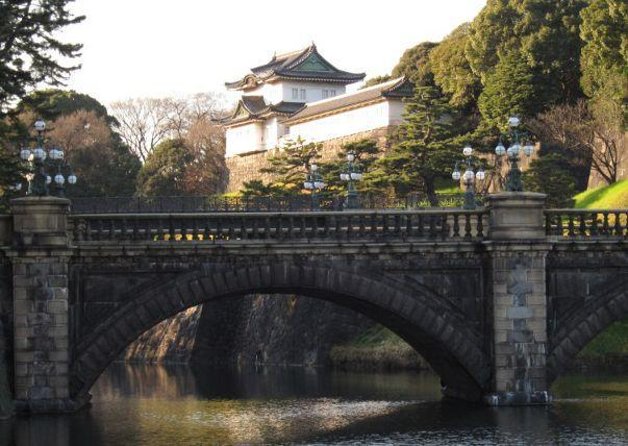
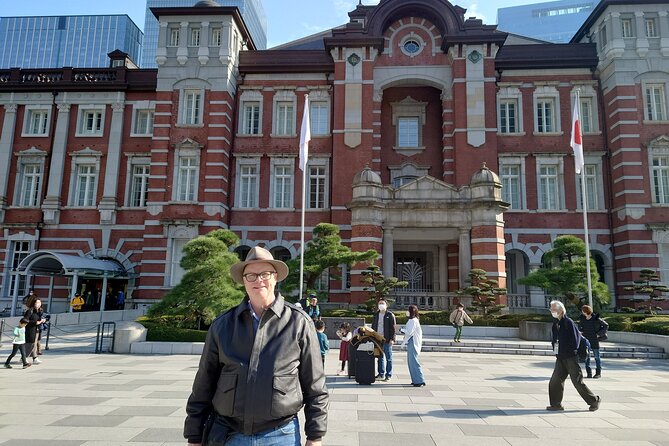
The tour includes a stop at the Imperial Palace area, but with an important limitation: you cannot access the inside of the Imperial Palace.
That changes the goal of the visit. You’re not coming to tour grand interiors. You’re coming to see the palace grounds as part of Tokyo’s major historic shift—from Edo Castle to today’s palace setting. The area is described as a large park zone surrounded by moats and stone walls.
Here’s how to enjoy it: treat it like a “walk-and-look” historic pause. If you only want interior access, this won’t match. If you want a calm, scenic break and a sense of how Tokyo’s center has transformed over time, it works.
This is also a good spot to use your guide’s explanations. When you can’t go inside, you want the guide’s context for what you’re seeing from the outside.

Shibuya Scramble Crossing and Takeshita Street: Modern Tokyo in Full Volume
If you want energy, this part of the tour delivers.
The menu includes:
- Shibuya Scramble Crossing, the world-famous scramble crossing right in front of a major station area
- Takeshita Street, in the Harajuku area, known for youth fashion and teenage culture
This is where Tokyo feels like it’s running at 120%. People, signs, and constant movement. Having a guide helps because you’re not just trying to time photos—you’re learning how to navigate the area and where to stand for views.
One thing to consider: if you get overwhelmed in crowds, set expectations. Shibuya is not quiet. Takeshita Street is not a stroll-only kind of place. You’ll enjoy it more if you’re comfortable in busy pedestrian zones and you don’t mind shoulder-to-shoulder movement.
Meiji Jingu Shrine: A Calm Contrast Next to Harajuku
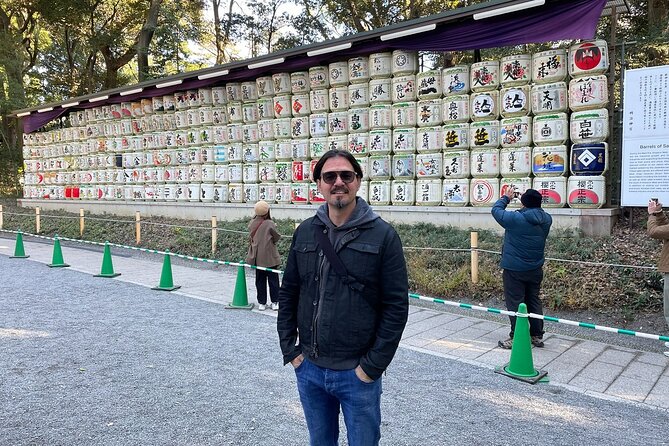
Right beside the busy Harajuku station area, you’ll find Meiji Jingu Shrine. It’s dedicated to the deified spirits of Emperor Meiji and Empress Shoken.
This stop is valuable because it offers contrast. You go from modern rush (Shibuya/Harajuku area) to a shrine setting meant for a slower, more respectful pace. It also gives you a chance to reset your senses after streets full of noise.
If you’re planning photography, this kind of site can be easier to enjoy than a chaotic street scene. You’re also getting a clearly defined cultural place, not just shopping streets.
Akihabara and Tsukiji Outer Market: Tech Shops and Food-Neighbor Streets
This menu includes two very different kinds of exploration.
Akihabara is famous for its electronics shops. That’s the headline, and if you’re into gadgets, components, or tech-focused browsing, this is a practical choice. Even if you don’t buy anything, it helps you understand why Akihabara is such a well-known district.
Then there’s Tsukiji Fish Market (Tsukiji Outer Market). Here you’re looking at the retail and wholesale-adjacent side of a market area. The tour describes it as retail shops and stalls in a district near the former wholesale market site.
How to enjoy Tsukiji well:
- Use your guide to point out what’s worth trying quickly (since you may not have time to wander endlessly).
- Plan to snack rather than treat it like a sit-down meal.
Both stops can be fun even if you’re not a foodie or a gadget person. They work because they show how Tokyo has specialized districts with strong identities.
Garden Breaks: Hamarikyu, Rikugien, and Koishikawa Korakuen
Tokyo is intense. Gardens are how you exhale.
This tour menu includes several garden options, and the details matter:
- Hamarikyu Gardens: A large garden in central Tokyo alongside Tokyo Bay. It features seawater ponds that change level with the tides, plus a teahouse. Admission is listed as not included.
- Rikugien Garden: Often considered one of Tokyo’s most beautiful Japanese landscape gardens. Built around 1700 for the 5th Tokugawa Shogun. Admission is not included.
- Koishikawa Korakuen: One of Tokyo’s oldest and best Japanese gardens, built in the early Edo Period at the Tokyo residence of the Mito branch of the rulin. Admission is not included.
Two big points for your budget: these gardens likely require an extra ticket on your side, and ticketed time can be the easiest part of the day to lose if you’re running behind earlier stops.
If you want value, choose one garden rather than trying to add multiple ticketed sites unless you’re truly garden-obsessed. A single garden slot gives you a calm reset without blowing your budget.
Also, if you love photography, gardens often reward slower walking and patience. You’ll get better results when you’re not racing the clock.
Shinjuku Golden Gai and Shinjuku Gyoen: Nooks and Quiet Lawns
This tour menu reaches into Shinjuku too, which is handy because it’s one of Tokyo’s most spread-out districts.
Shinjuku Golden Gai:
- Known for small eating and drinking establishments packed into a tight area
- The description notes it started around 1950 when a black market location moved, creating this cluster of tiny venues
Golden Gai is good if you like atmosphere and small-scale urban texture. It’s not a place for quick “I saw it” sightseeing. You’ll want to pause and take in the layout.
Shinjuku Gyoen National Garden:
- Listed as one of Tokyo’s largest and popular parks
- Known for spacious lawns, meandering walking paths, and tranquil scenery
- Admission is not included
This one’s a nice counterbalance to Golden Gai. Golden Gai is compact and social; Shinjuku Gyoen is a breather. If you’re trying to choose between them, pick based on your mood that day. One feeds curiosity about nightlife-style alleyways. The other gives you space to recharge.
Price and What You Should Budget Beyond the Tour
At $161.25 per person for about 6 hours, the value depends on how you spend outside the tour.
Here’s what the tour price includes:
- Licensed local English-speaking guide
- Tea ceremony experience
- A customizable choice of 2–3 sights from the options
- Mobile ticket
What you should expect to pay yourself (not included):
- Transportation fees
- Entrance fees
- Lunch and personal expenses
- Any extra items like kimono rental (not included)
- Some garden entrances (Hamarikyu, Rikugien, Koishikawa Korakuen) are specifically listed as admission not included
So how do you judge value? If you choose a mix of free-to-enter sights plus one ticketed garden, you’ll get a day that feels full without surprising costs. If you choose multiple paid-admission spots, your total budget rises quickly, even though the tour fee itself is fixed.
Also watch the meeting logistics. The overview talks about hotel pickup from one of Tokyo’s 23 special wards, but the included details also say you’ll meet your guide on foot within a designated area. In practice, that means you should confirm where you meet and whether pickup is actually offered for your address.
Pacing and Guide Quality: Getting the Day You Want
A private guided day is only as good as the guide’s pacing and navigation.
You’ll want a guide who can keep you from spiraling at subway exits and crossings. One example of excellent guide performance was highlighted through Taka: he was praised for being fun, knowledgeable, and putting together a terrific itinerary. That’s the ideal mix—fast enough to keep momentum, smart enough to explain what you’re seeing.
On the flip side, another experience described a guide who couldn’t keep up with pace and had trouble with different subway exits, making the tour less smooth and harder to follow. That kind of mismatch is a reminder: if you’re planning on a tight sightseeing day, wear comfortable shoes and expect some walking time between stations.
My practical advice: be clear about your pace preferences when you book. If you hate sprinting, say so. If you love photos and extra stops, also say so. With a custom selection, small timing choices can make the whole day feel better.
Should You Book This Tokyo 6-Hour Tour?
Book it if you want:
- A tea ceremony plus guided sightseeing in one day
- Small-group feel with licensed local guidance
- Flexibility to pick 2–3 highlights that fit your interests
- A mix of classic Tokyo areas (Asakusa, shrines, gardens) and modern districts (Shibuya, Harajuku, Akihabara)
Skip it if:
- You need to see too many different landmarks in one go
- You specifically need inside access to the Imperial Palace (this tour does not include that)
- You dislike budgeting for entrance fees, since multiple garden choices are not included
If you book, pick one free cultural or neighborhood stop, add one high-energy district, and then choose whether a ticketed garden fits your mood. That combination tends to give you a full Tokyo snapshot without turning your day into a rushed checklist.
FAQ
What is the duration of the Tokyo 6-hour private guided tour?
It runs for about 6 hours.
Is the tea ceremony included?
Yes, the tour includes a tea ceremony experience.
Can I enter the Imperial Palace?
No. The tour does not include access to the inside of the Imperial Palace.
Are entrance fees included for all stops?
No. Many sights list free admission, but some garden entrances (like Hamarikyu Gardens, Rikugien Garden, and Koishikawa Korakuen) are not included, and other entrance fees are also not included.
Is there hotel pickup?
The information provided mentions hotel pickup from one of Tokyo’s 23 Special Wards, but it also states you meet the guide on foot within a designated area. Confirm your exact meeting method when you receive confirmation.
What is the cancellation policy?
You can cancel for a full refund up to 24 hours in advance of the experience start time. If you cancel less than 24 hours before, the amount paid is not refunded.