REVIEW · TOKYO
Private 2 Hours Matcha Masterclass with Tea and Guide
Book on Viator →Operated by IKIGAI MATCHA tour · Bookable on Viator
Matcha tastes better when you slow down. This private Tokyo masterclass turns a simple drink into a hands-on lesson on aroma, texture, and how to sip like locals. You get a guided flow that goes beyond ordering a cup and hoping for the best.
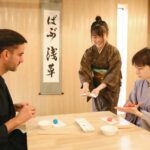
I especially loved the undivided attention you get as a private group, so questions don’t get lost. And in my mind, the real win is the teacher side of it too. Rachel, the owner and teacher, brings clear English and worked well with a daughter in the class I’m drawing from.
One thing to consider: this is a focused lesson at a specific meeting spot. If you’re hoping for a wide-ranging Tokyo walk or lots of sightseeing, you’ll likely want to pair it with other plans.
In This Review
- Key highlights to know before you go
- Private 2 hours with a certified English guide in central Tokyo
- What $100 buys in a matcha masterclass (and why it can be good value)
- Meeting at Nihonbashi Hamachō (3:00 pm start) and how to plan your afternoon
- Inside the session: matcha tasting with all five senses
- How you’ll distinguish matcha varieties you can buy later
- The Japanese dance performance: why it fits a tea lesson
- The to-go part: your matcha latte after class
- Venue feel and why the host setup matters
- Who this matcha masterclass suits best
- Should you book this matcha masterclass?
- FAQ
- How long is the matcha masterclass?
- What is the price per person?
- Is this tour private?
- What does the masterclass include?
- Where does the tour meet?
- What time does it start?
- Is transportation included?
- Can I cancel for a refund?
Key highlights to know before you go
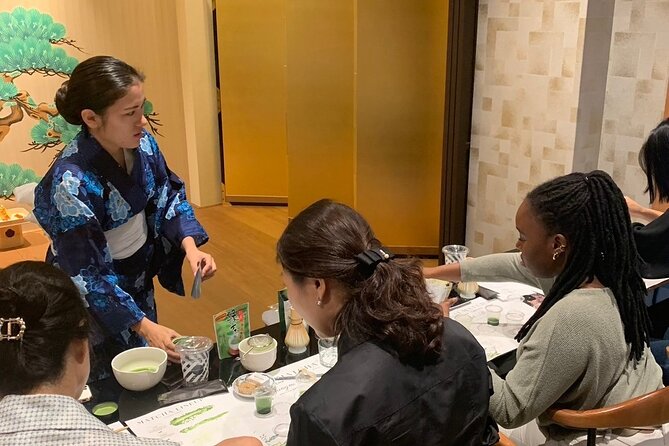
- Private 2-hour format for just your group, with a certified English guide
- Smell, look, touch, sip tasting steps that help you separate matcha types
- Japanese dance performance built into the session for all-5-senses pacing
- Rachel’s English and patient teaching style, useful if you want help communicating
- Matcha latte to take home so you can repeat the lesson later
- Central Nihonbashi meeting point near public transportation, no private transport included
Private 2 hours with a certified English guide in central Tokyo
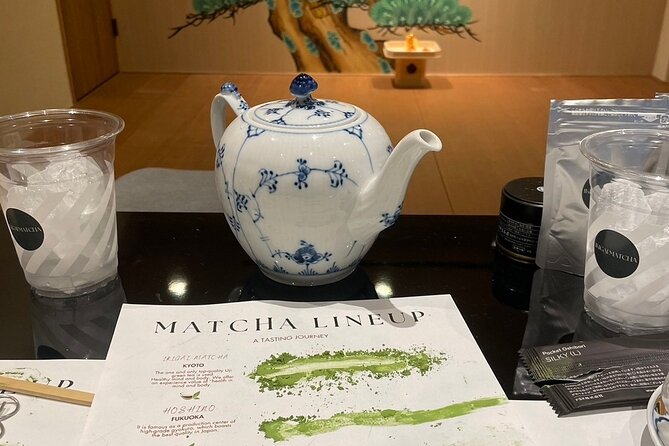
This is one of those Tokyo activities where the setting matters because you’re slowing down. The matcha isn’t treated like a quick add-on. You’re guided to notice details: scent first, then the color and thickness, then the feel, and finally the sip.
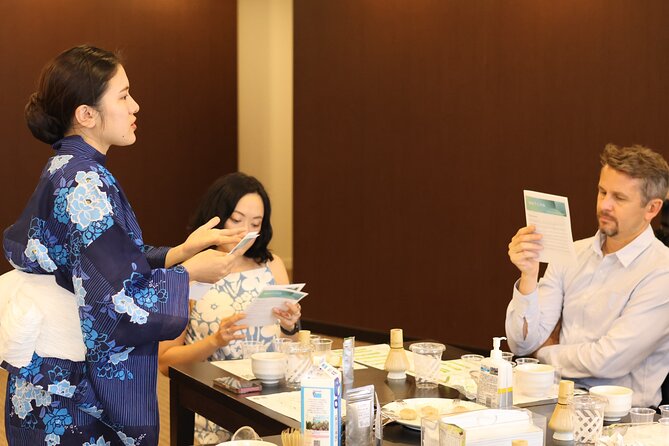
Your guide is certified and the experience is private, meaning only your group participates. That matters in practice. You can ask why something tastes bitter or why one matcha feels smoother, and you’ll get an actual explanation, not a shrug and a menu translation.
From the class I’m using as a reference, Rachel is the owner and teacher. She’s the kind of host who can switch between teaching adults and keeping things comfortable for kids. If English comfort is a priority, this is a strong fit because her English is described as very good.
You can also read our reviews of more tours and experiences in Tokyo.
What $100 buys in a matcha masterclass (and why it can be good value)
At $100 per person, you’re not paying for a generic café tasting. You’re paying for three big things:
First, you’re paying for the private guide time. Two hours of one-on-one attention is hard to replicate on your own unless you already know where to go and what to ask.
Second, the session includes more than just drinking. You also get a Japanese dance performance during the class. That adds cultural context and also changes the pace, so it’s not only taste-test after taste-test.
Third, you leave with something practical: a matcha latte to take home. That’s not just a souvenir. It’s a reminder to practice what you learned while the flavors are fresh in your head.
The main value trade-off is obvious: it’s not a low-cost group workshop. If you’re traveling with a small group and want real instruction, the price starts to make sense. If you want a cheap sampler, you’ll probably do better in a café.
Meeting at Nihonbashi Hamachō (3:00 pm start) and how to plan your afternoon
The meeting point is in Chuo City’s Nihonbashi Hamachō area: Japan, 103-0007 Tokyo, Chuo City, Nihonbashihamachō, 3-chōme2611 高橋邸. The tour starts at 3:00 pm and runs about 2 hours.
Because the listing says it’s near public transportation, you should be able to reach it without hiring a taxi. But remember: private transportation isn’t included, so don’t count on a driver meeting you.
Plan like this: give yourself a bit of buffer before 3:00 pm. Matcha classes reward calm timing. You don’t want to be rushing in on a full stomach or on an empty stomach either, because you’ll taste more accurately when you’re not distracted.
Inside the session: matcha tasting with all five senses
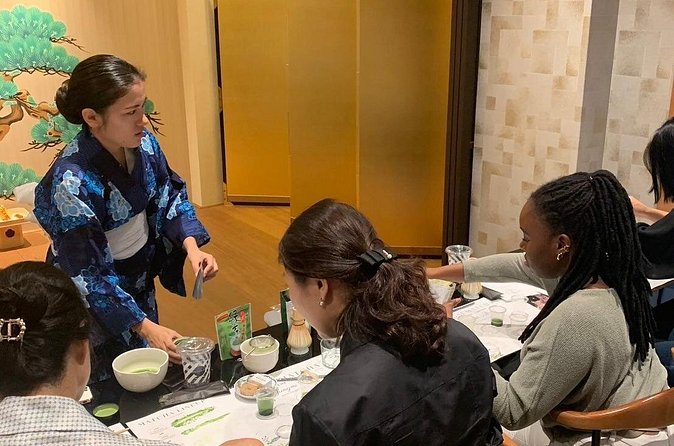
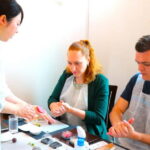
This experience is built around tasting steps that help you learn faster than just sipping. The flow is basically: listen and learn, then smell, then look closely, then touch, then savor slowly.
Here’s what that means for you, practically:
Learning by smelling first
Matcha quality shows up in aroma. If one version smells more grassy, sweet, or mellow, you’ll be guided to recognize it before you even taste. That reduces the “surprise bitterness” problem people often get in cafés.
Looking closely at thickness and color
You’ll get prompts to notice visual differences. Matcha isn’t only a flavor. Texture and how it looks in the cup can clue you in to how it was prepared.
Touch and texture awareness
Touch sounds unusual, but it’s a real teaching tool. When you learn what the whisked matcha feels like, you start to understand why some matcha feels smoother or more “coated” on the tongue.
Savoring slowly instead of chugging
The session encourages you to slow down on purpose. In a private setting, you can take a sip, wait, and then talk about it. That’s how you connect words to sensations.
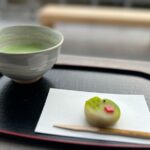
And yes, there’s actual matcha tasting throughout. The class includes matcha green tea to drink, plus the structured guide-led approach so you don’t feel like you’re guessing.
How you’ll distinguish matcha varieties you can buy later
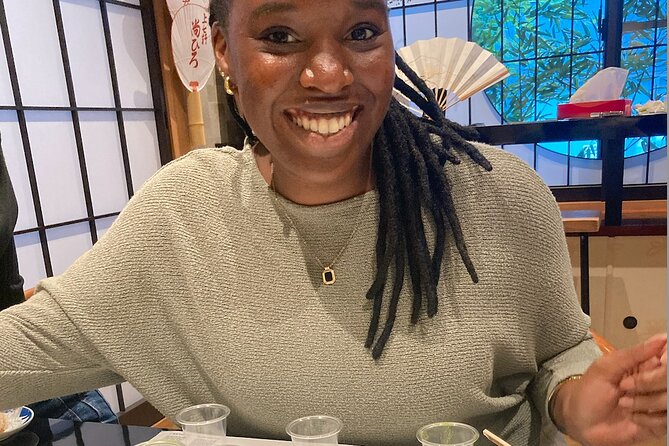
A big selling point here is the variety learning. Instead of treating matcha like one thing, you’ll learn how to tell types apart. The class is designed to help you expand your knowledge of matcha varieties, not just “try something green.”
The best way to think about it: you’re building a personal checklist.
When you leave, you’ll likely understand what to look for beyond the brand name. For example:
- What aroma qualities signal a certain style
- How differences in preparation show up in texture
- How to notice when a matcha tastes more sharp or more mellow
This matters if you plan to shop. Tokyo has plenty of matcha options, and it can get confusing fast. A tasting lesson gives you a baseline. Then you can choose based on what you actually liked, not just what sounds trendy.
Also, because it’s private, you can ask follow-up questions tailored to your preferences. If you liked a smoother cup, ask what to look for next time. If you disliked bitterness, ask how to avoid it when ordering.

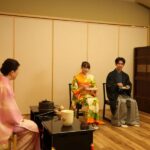
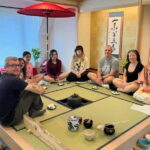
The Japanese dance performance: why it fits a tea lesson
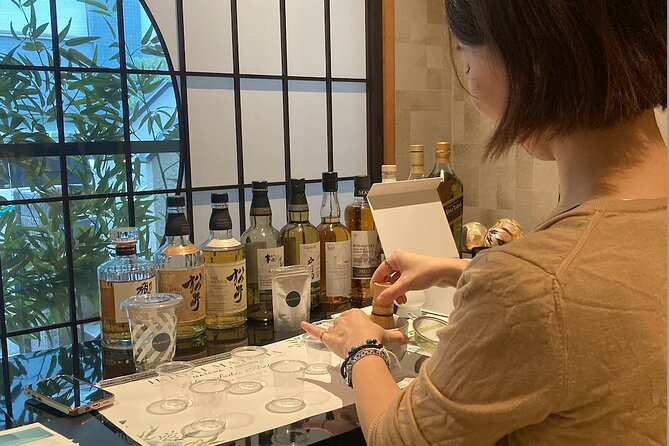
This masterclass includes a Japanese dance performance as part of the session, aimed at engaging the senses together. I like this idea because it breaks up the activity without breaking the theme.
Tea lessons can sometimes feel like straight lectures plus tasting. A performance adds breath between sips. It also adds cultural texture so matcha isn’t floating in your head as only a flavor trend.
From the reference class, the venue includes a traditional actor/dancer tied to the space. That’s a good detail because it suggests the performance isn’t something tacked on by a random schedule shift. It’s woven into how the host runs the experience.
Expect the class to feel more like a short, guided evening rather than a rushed product demo.
The to-go part: your matcha latte after class
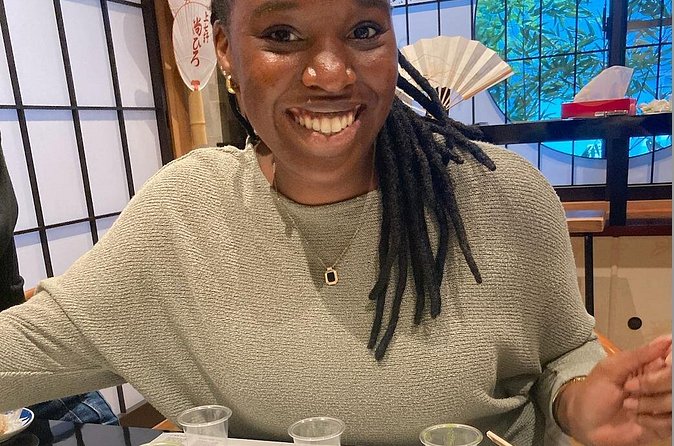
A small detail with big payoff: every participant receives a matcha latte to take home.
That matters because matcha is one of those foods where memory fades quickly. When you re-try it later, you can connect the taste you’re experiencing to what you learned in the session (aroma, texture, and the way you should sip).
If you’re bringing this home for someone else, it also makes the activity easier to justify. You get a lesson plus a practical follow-up.
Venue feel and why the host setup matters
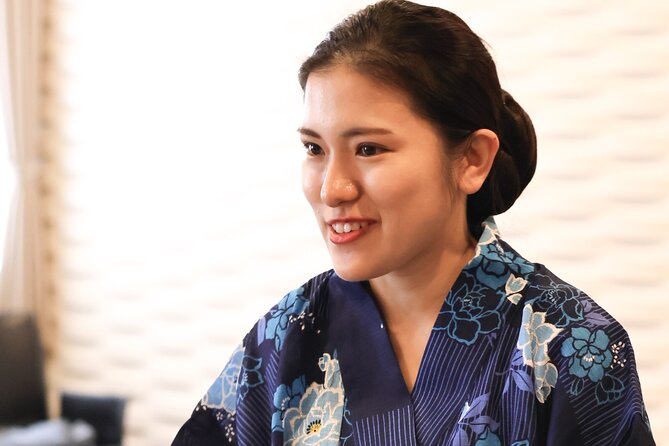
The session takes place at a location associated with Bar Miyabi. The setting is described as beautiful, and that fits the goal of the class: slow attention, not crowds.
In a quiet setting, it’s easier to focus on sensory cues. No background chaos, no line of people waiting for the same table. That’s a real quality-of-life factor for a tasting class.
And again, Rachel’s role as owner and teacher comes through in the experience tone. The class is described as supportive and helpful, especially when language support is needed.
Who this matcha masterclass suits best
This private experience is a strong match if you want:
- Real instruction on how to taste matcha
- A class where English support is taken seriously
- A calm, guided activity with your group, not a busy group tour
- A cultural add-on through the dance performance
- A souvenir that’s also food you’ll actually use (the latte)
It may be less ideal if:
- You want to roam and do lots of Tokyo wandering
- You’re chasing the lowest price possible
- You prefer totally self-guided food experiences without a scheduled teacher
If you’re traveling with kids, this can be a good option too, given the teacher’s described ability to work well with a daughter while keeping the lesson moving.
Should you book this matcha masterclass?
If you like the idea of learning matcha beyond a café order, I’d book it. The private guide attention is the big reason, and the structure—smell, look, touch, sip—turns tasting into something you can repeat.
Book it especially if you plan to shop for matcha later. Two hours of guided practice can save you from buying blindly.
One practical note: it starts at 3:00 pm, and it’s at a specific Nihonbashi meeting point. Pair it with dinner plans after, not with an urgent schedule earlier in the day.
FAQ
How long is the matcha masterclass?
It lasts about 2 hours.
What is the price per person?
The price is $100.00 per person.
Is this tour private?
Yes. It’s a private tour/activity, so only your group participates.
What does the masterclass include?
You get matcha tasting and you can watch a Japanese dance performance. Coffee and/or tea is available, and participants receive a matcha latte to take home. A certified English guide is included.
Where does the tour meet?
The meeting point is in Tokyo at Japan, 103-0007 Tokyo, Chuo City, Nihonbashihamachō, 3-chōme2611 高橋邸.
What time does it start?
The session starts at 3:00 pm.
Is transportation included?
No. Private transportation is not included.
Can I cancel for a refund?
Yes. You can cancel up to 24 hours in advance for a full refund.